Tales
All of Tsypin’s texts — filter by type, district, era, and people.
380
undated · Kharkiv
The book Kharkiv in Yarns and Anecdotes gathers amusing and dramatic stories, lived tales, yarns, and historical anecdotes about Kharkiv and famous Kharkivites in the form in which memory has handed them down…
undated · Centre
Saveliy Tsypin is the author of a dozen satirical books, several plays, and many stage and film sketches. Having graduated from the physics department of Kharkiv State University, which trains, as…
Much has been written about Kharkiv and its famous sons and daughters—from weighty tomes to essays. In this book I wanted to gather remarkable stories—funny and tragic, yarns and legends in which…
before the 18th century · Saltivka
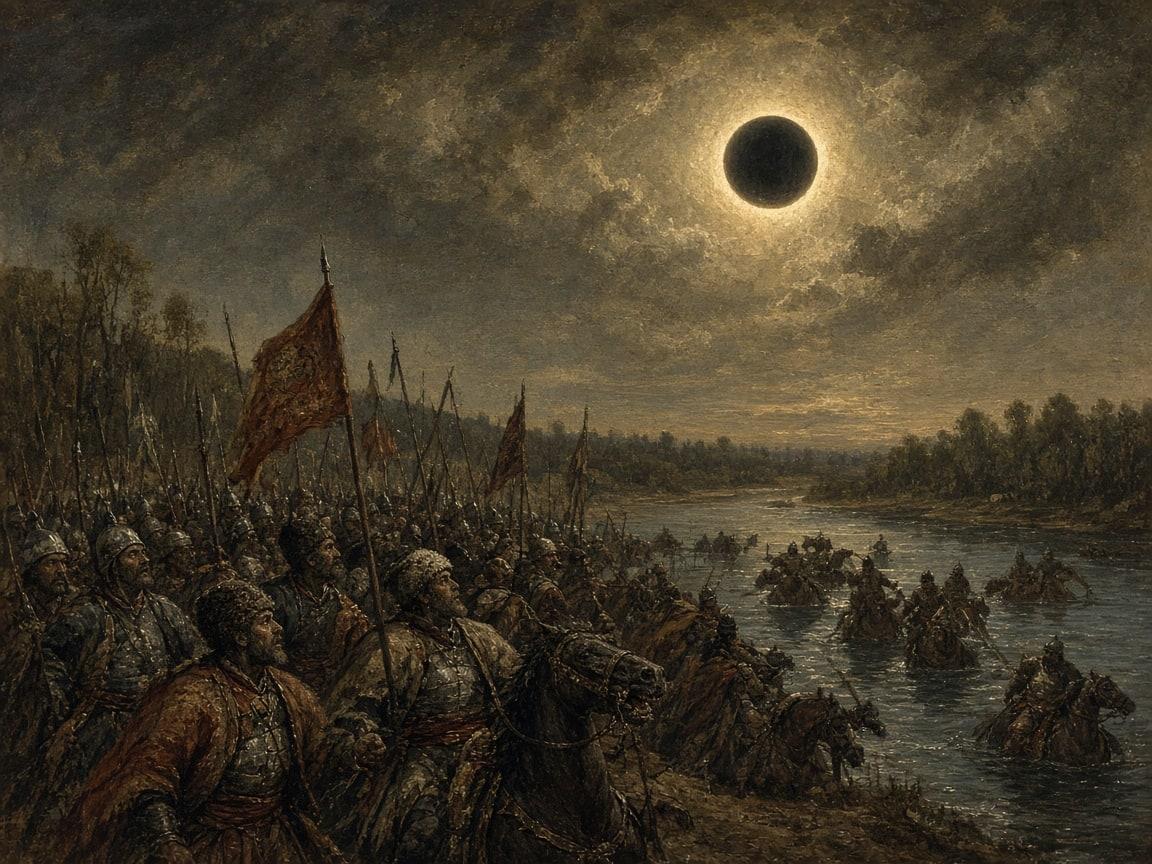
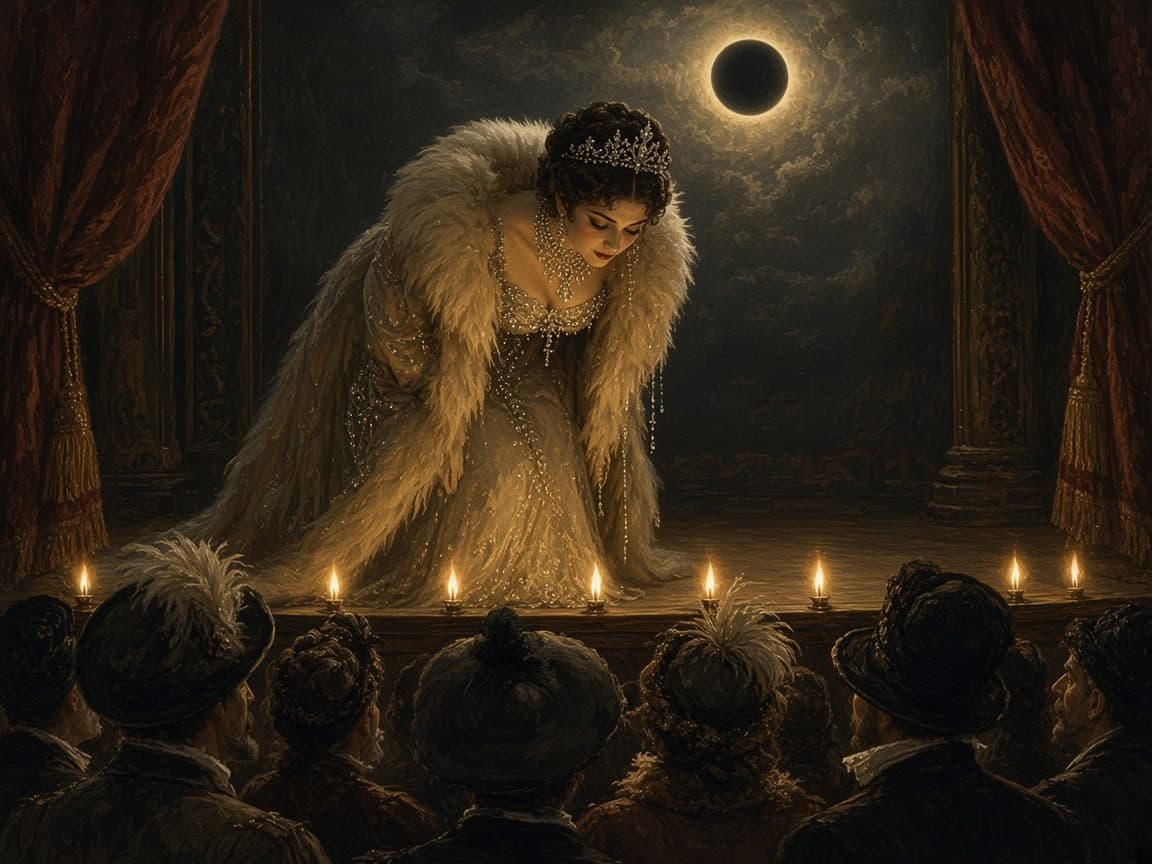
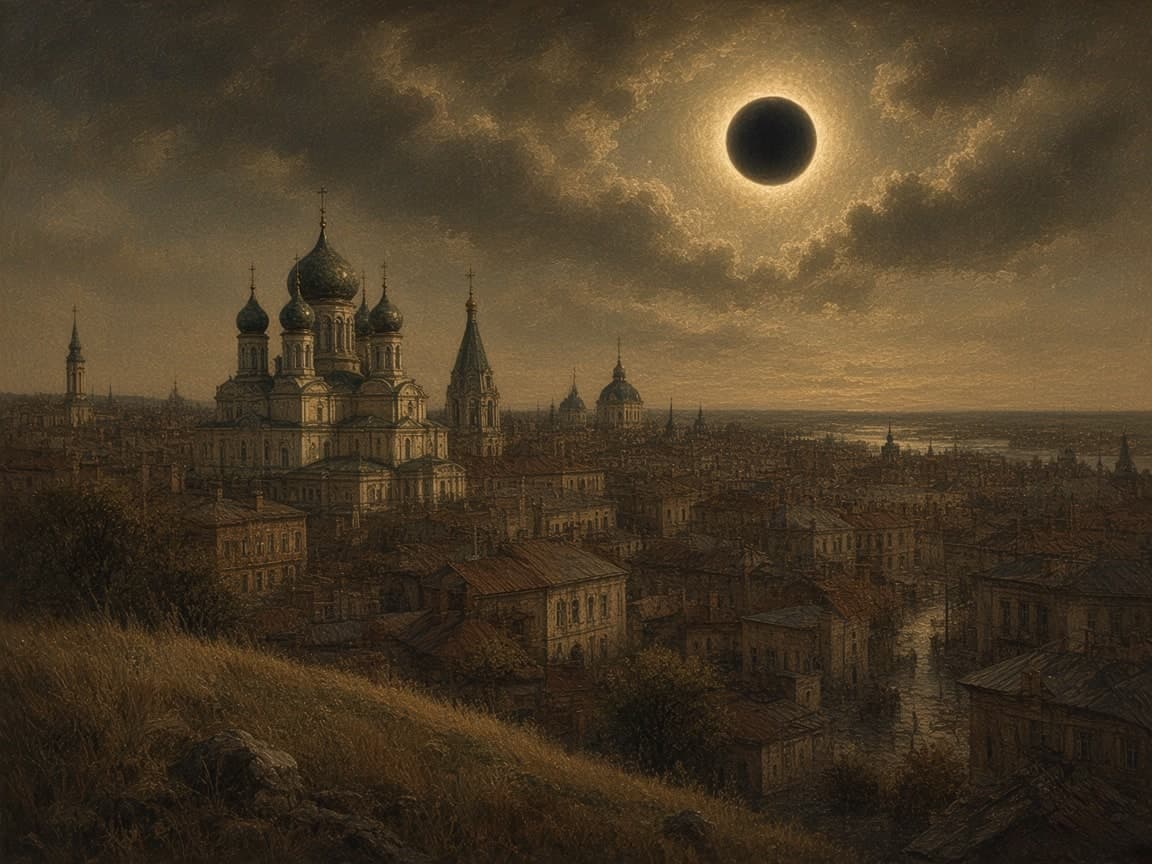
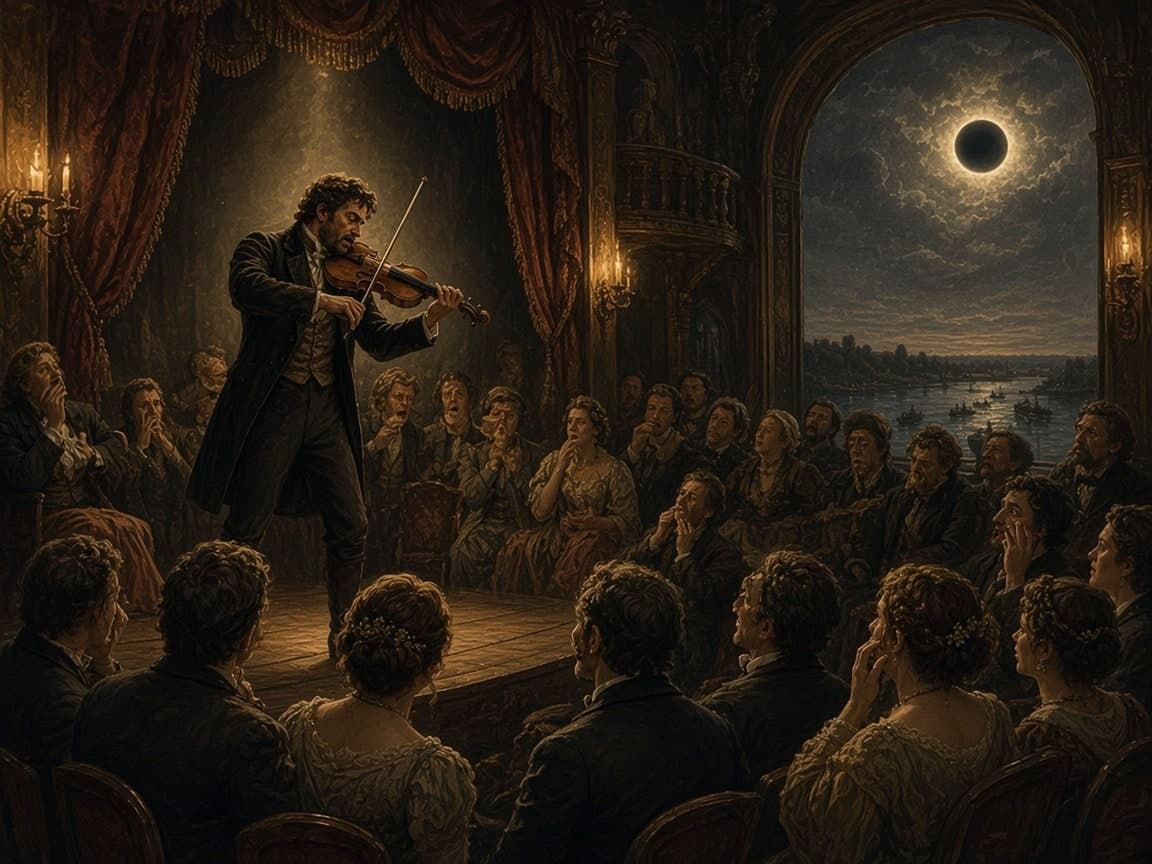
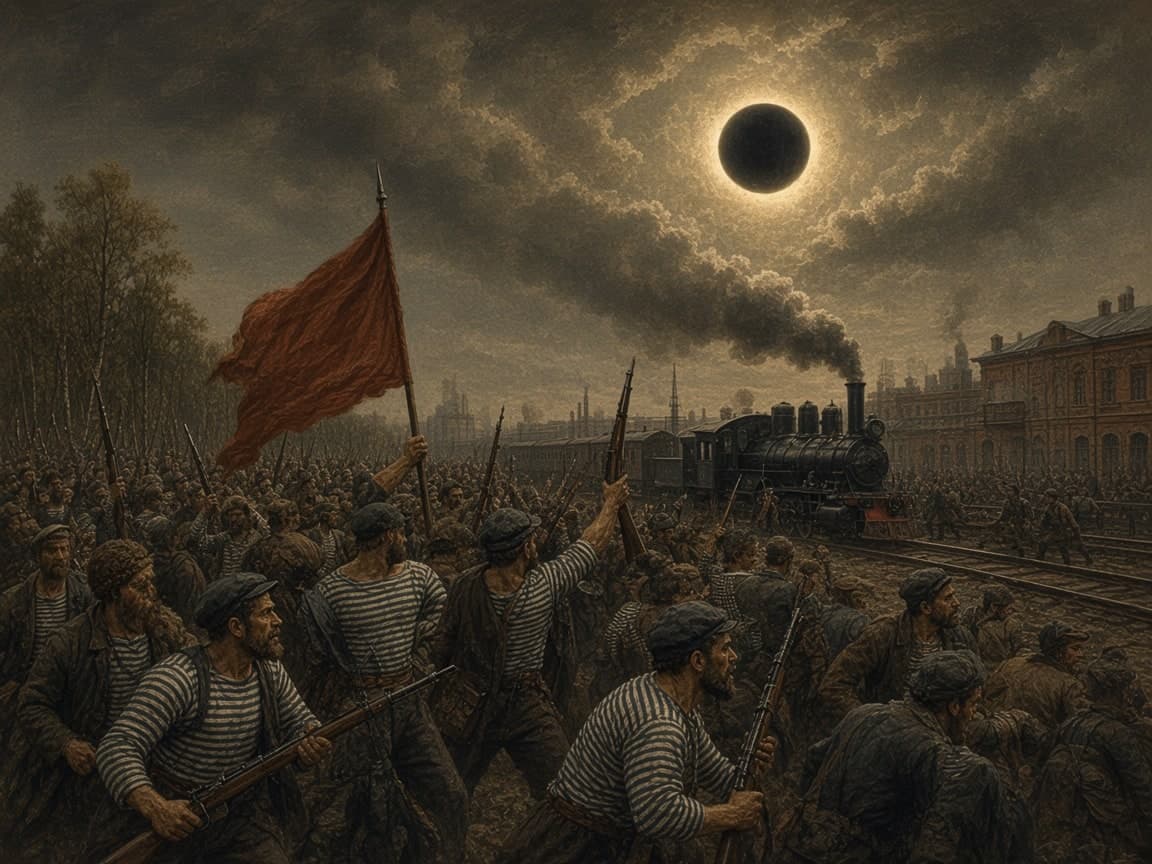
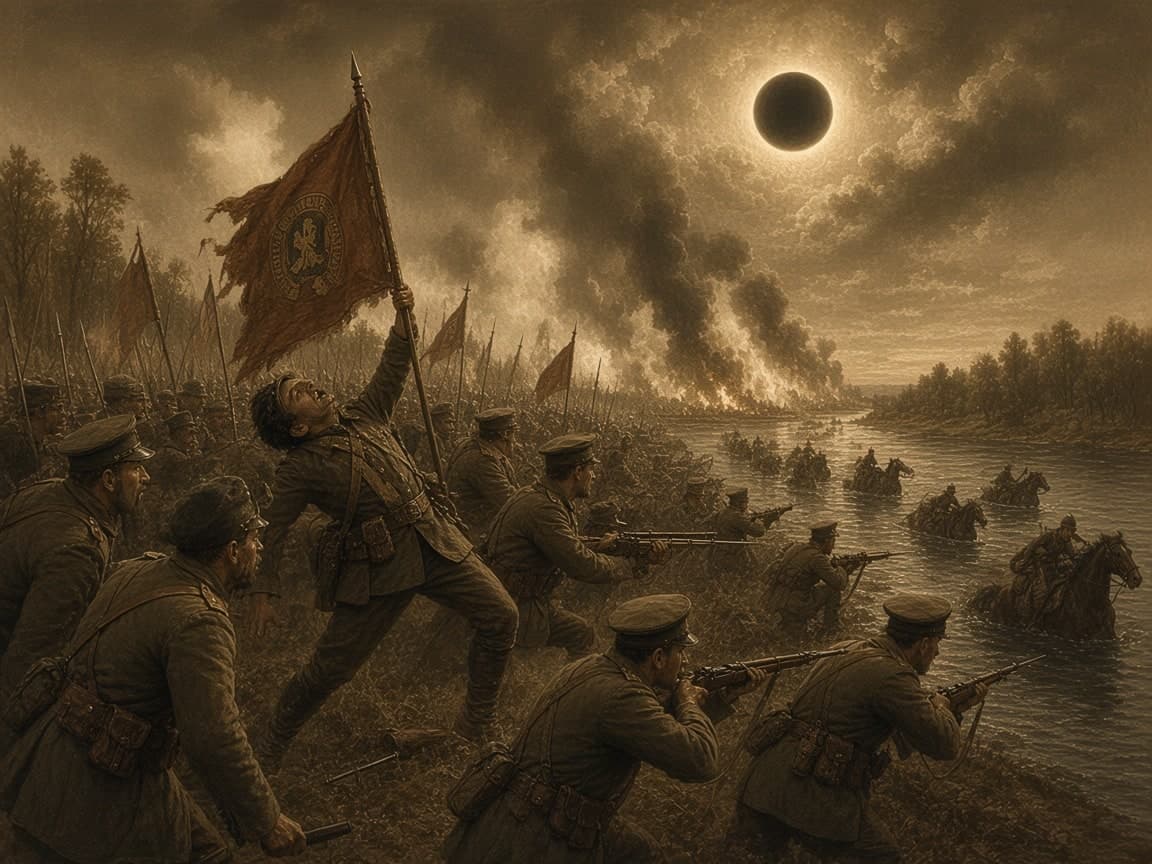
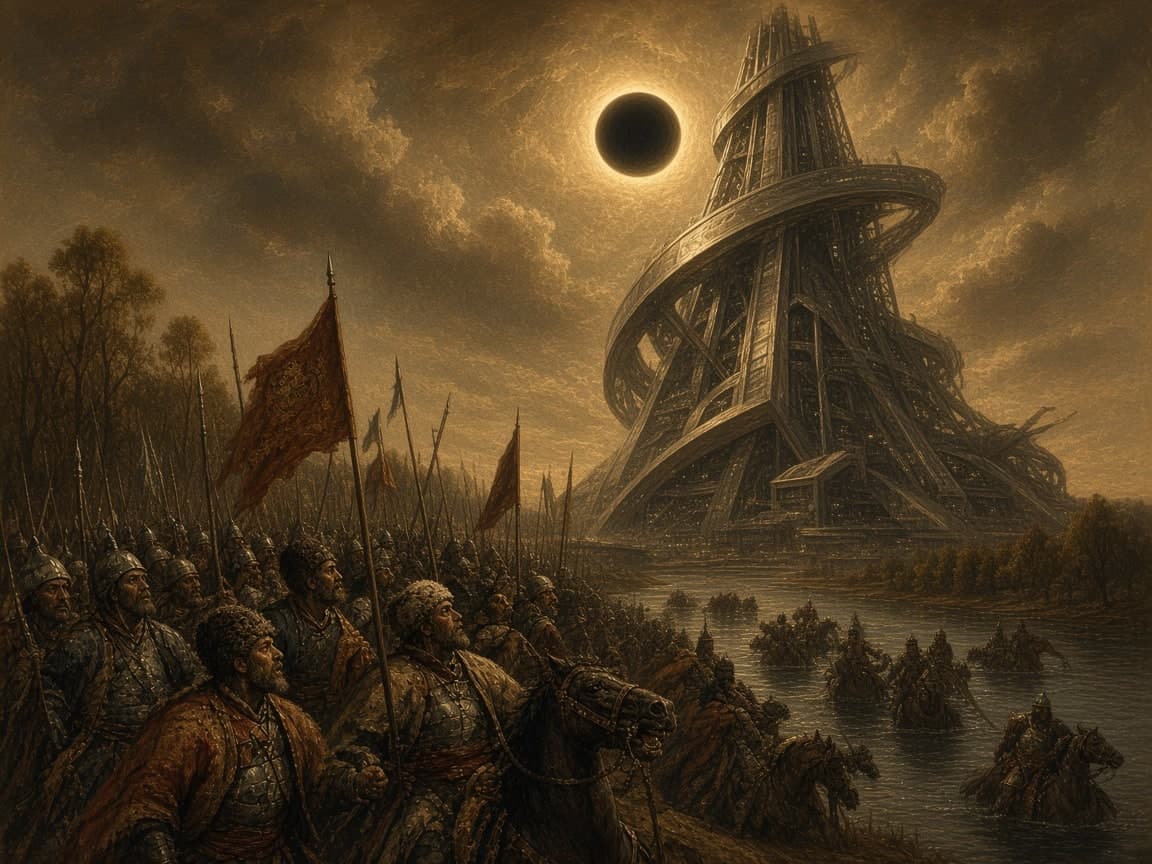
At 4:55 p.m., just before the crossing of the Siversky Donets, the sky darkened—a solar eclipse began. The soldiers panicked; it was hard to imagine a grimmer omen. For according to an old belief, at…
before the 18th century · Centre
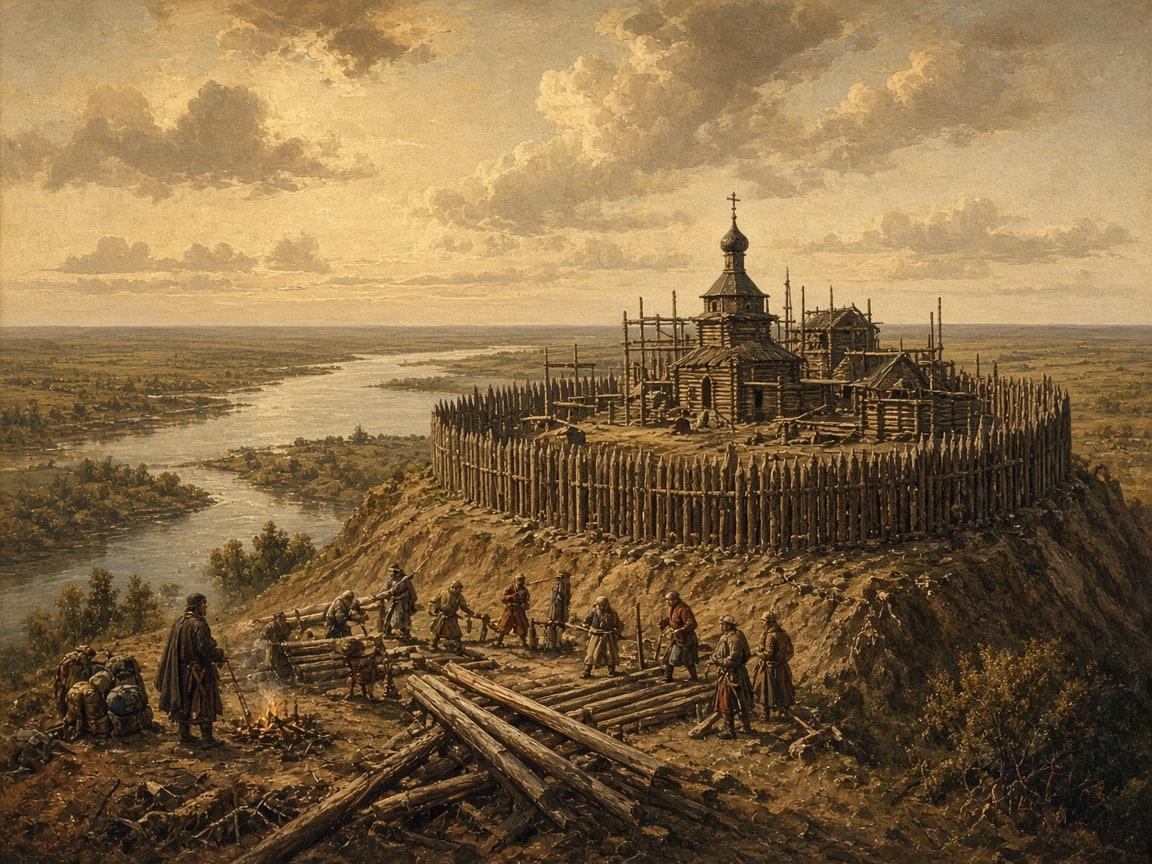
On a horse in full gear—with shield and pike, bow and arrows—sits a Cossack; behind him rise the towers and walls of a stockade. Thus an old artist portrayed the legendary founder of our city, Kharko…
18th century · Kharkiv
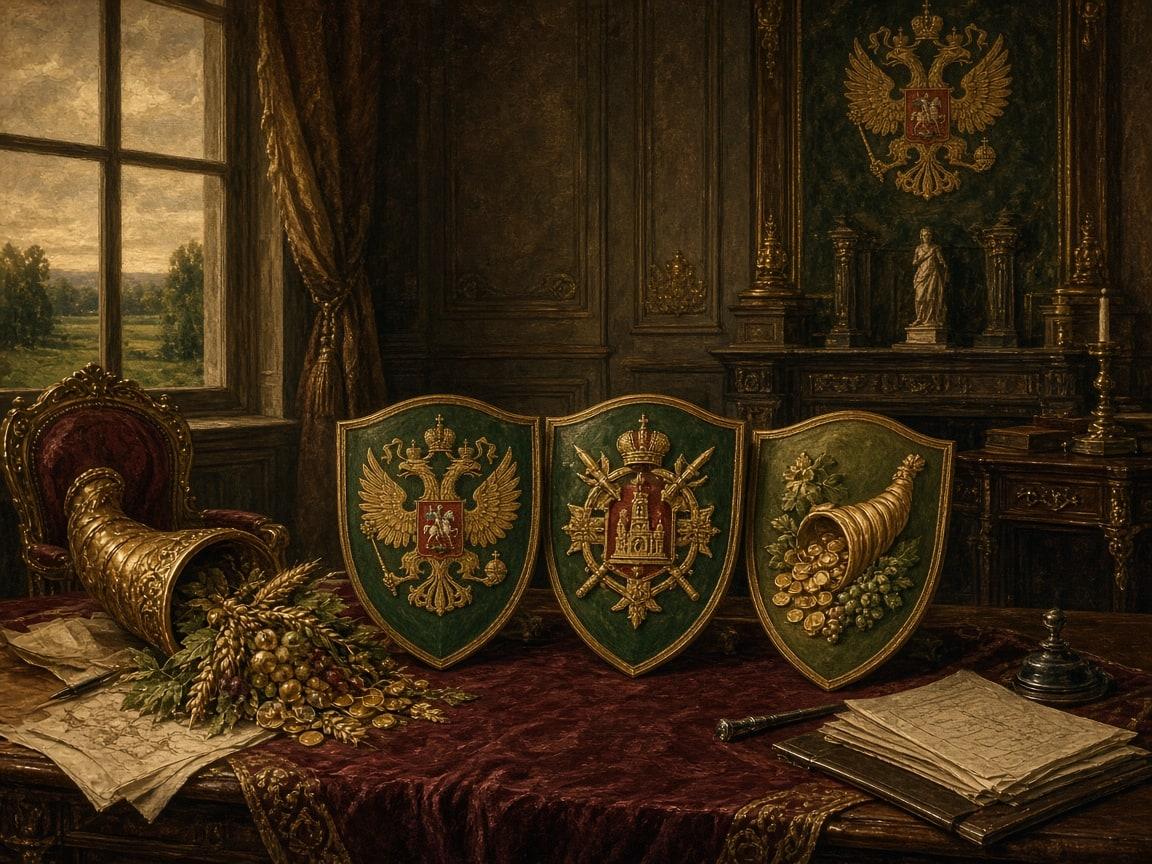
In 1781 Empress Catherine II approved the design of the Kharkiv province coat of arms: "Let it be so." It showed a green field with a cornucopia, fruit, and flowers, and on…
18th century · Centre
Kharkiv speech has its own distinctive words found nowhere else. Let us recall a term almost gone from our vocabulary, yet so colorful—the "r…
Soviet Kharkiv · Centre
Whole studies are devoted to Kharkiv toponymy, full of curious detail. Chebotarska, Kuznechna, Rymarska, Katsarska, Stolyarny and Slesarny lanes, the Honcharivka district—all evidently took their names…
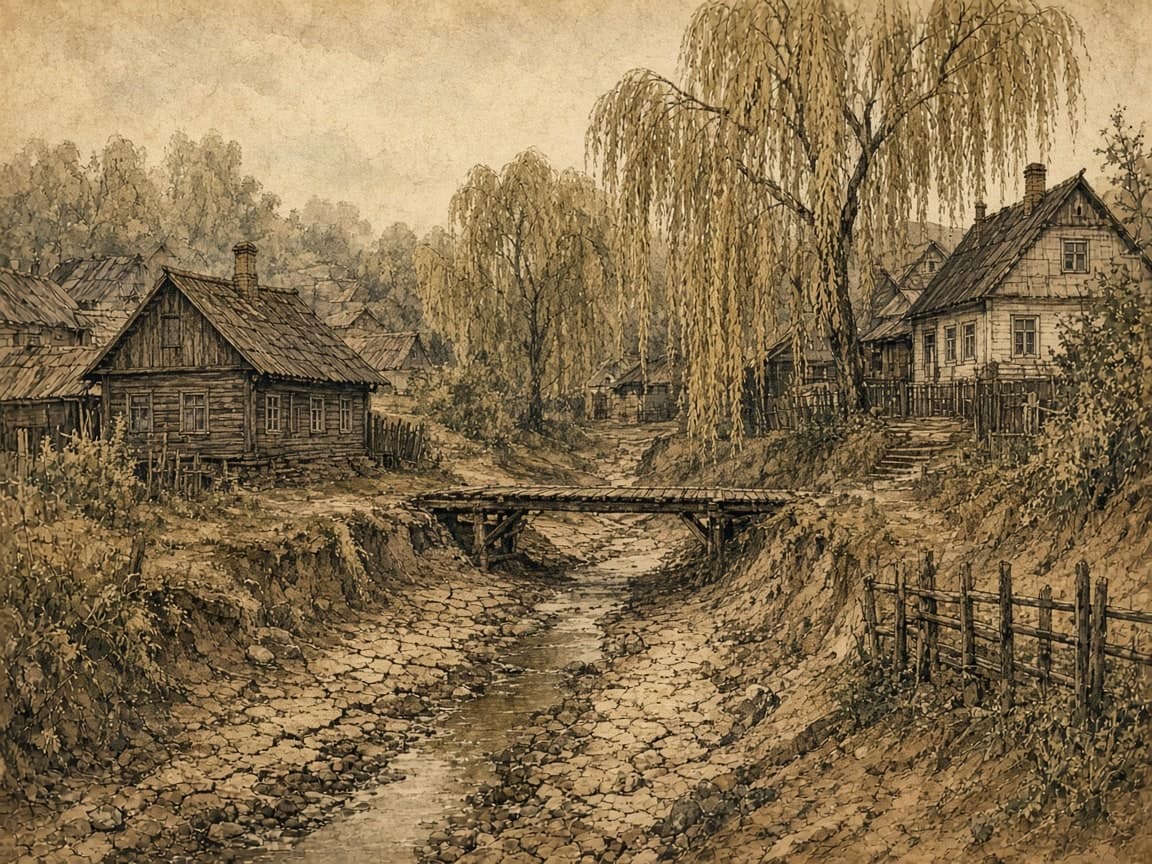
"Burst if you will, Kharkiv doesn't flow"—one of our old local sayings. It bundles the names of rivers in the city center: Kharkiv, Lopan, and Netech. The first two still exist, but where did the third…
NOBEL LAUREATES · early 20th century · Centre
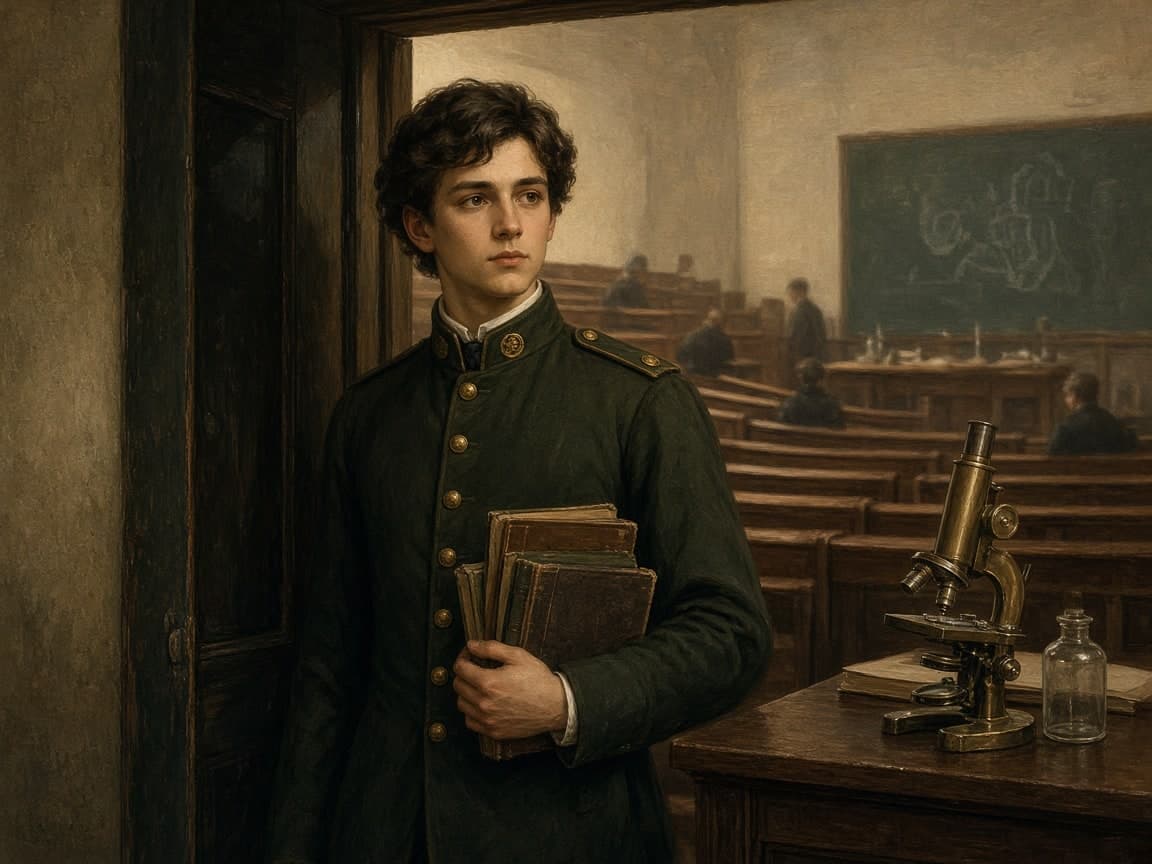
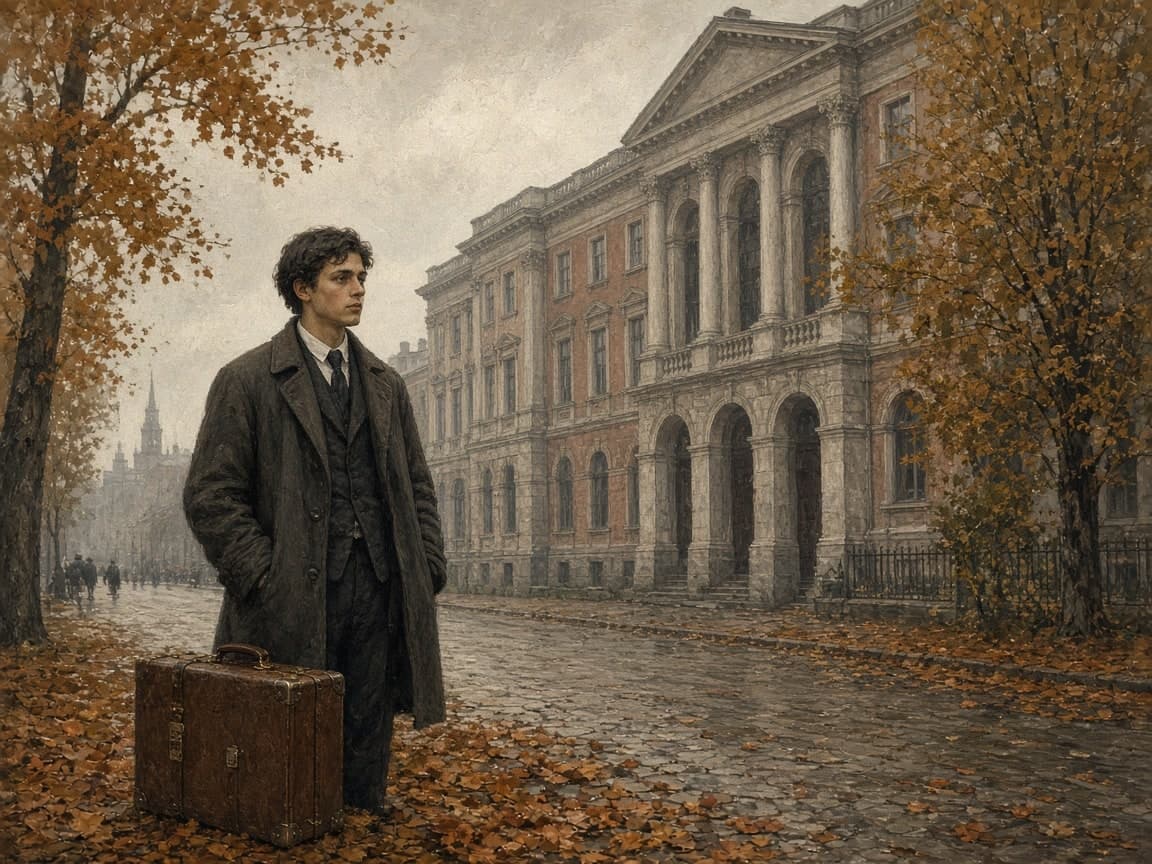
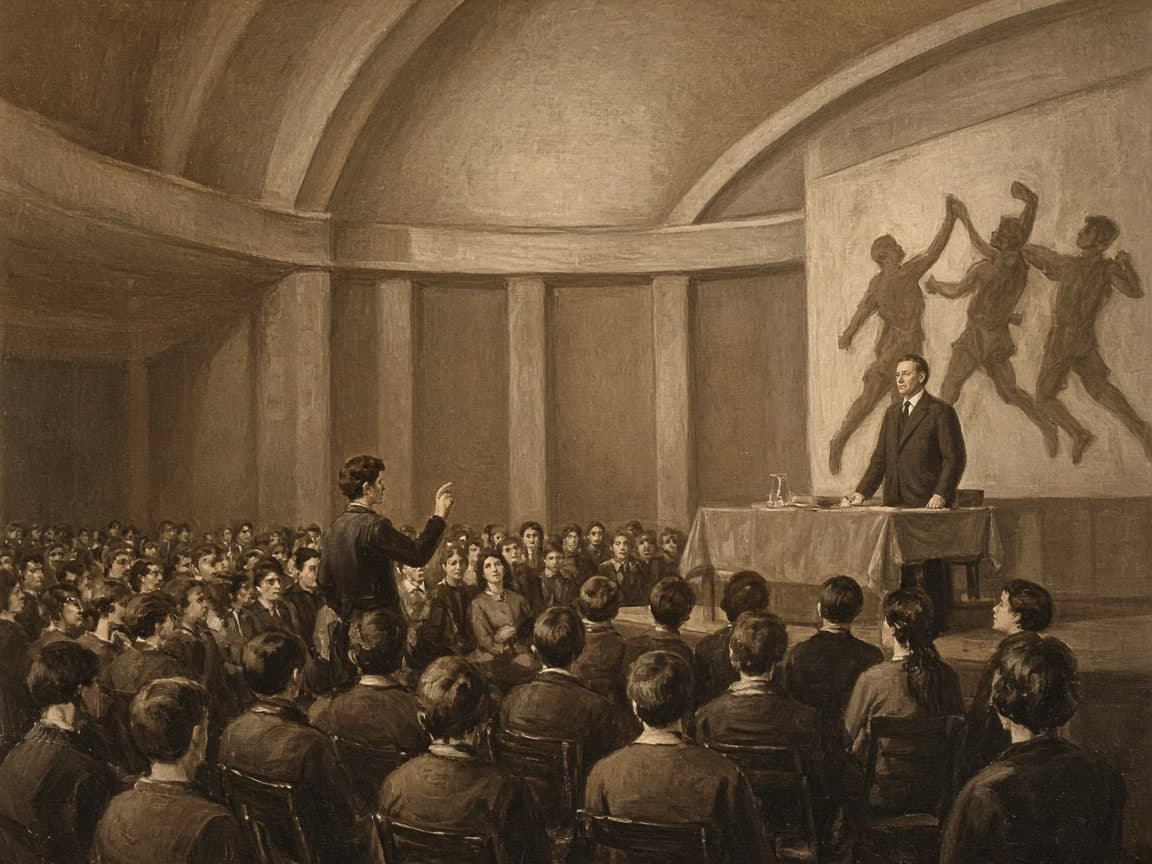
At gymnasium Ilya and his classmates founded a "Union of Science." They held debates and wrote papers on scientific topics. Still a schoolboy, he first crossed the threshold of Kharkiv University…
early 20th century · Centre
Semyon was born in Kharkiv in 1901 to a fur merchant's family. Business evidently fared poorly for Kuznets senior, and he decided to try his luck in America—settle there, then send for his fa…
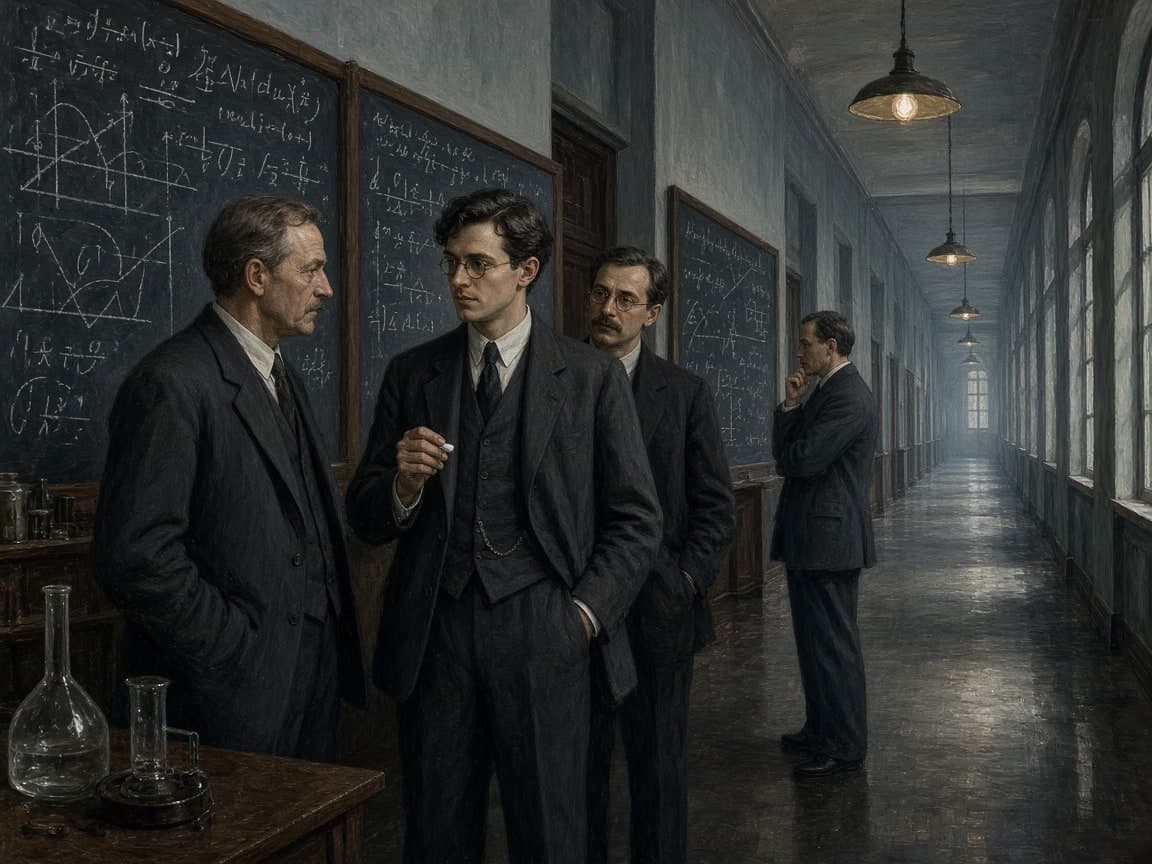
A researcher at the Ukrainian Institute of Physics and Technology, one Mr. N., received a telegram from Moscow: the Nobel Committee would consider awarding him the Nobel Prize, and therefore…
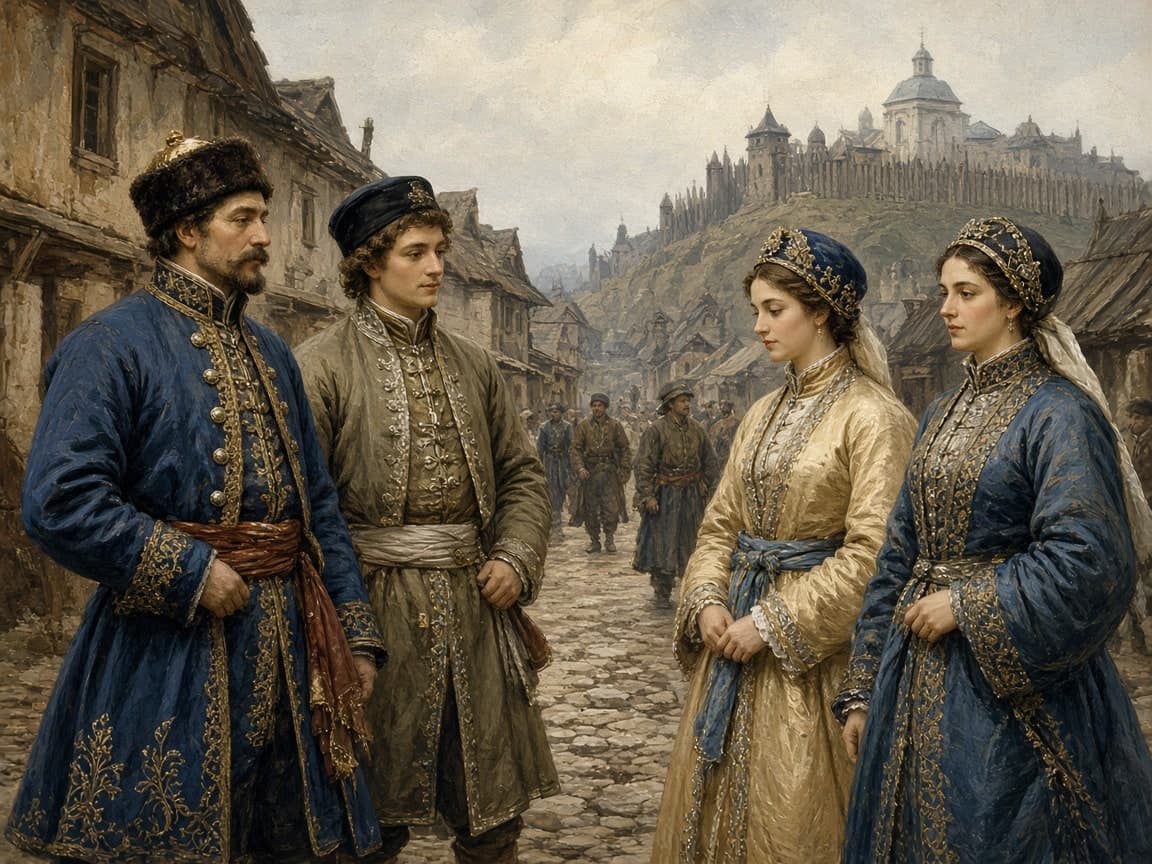
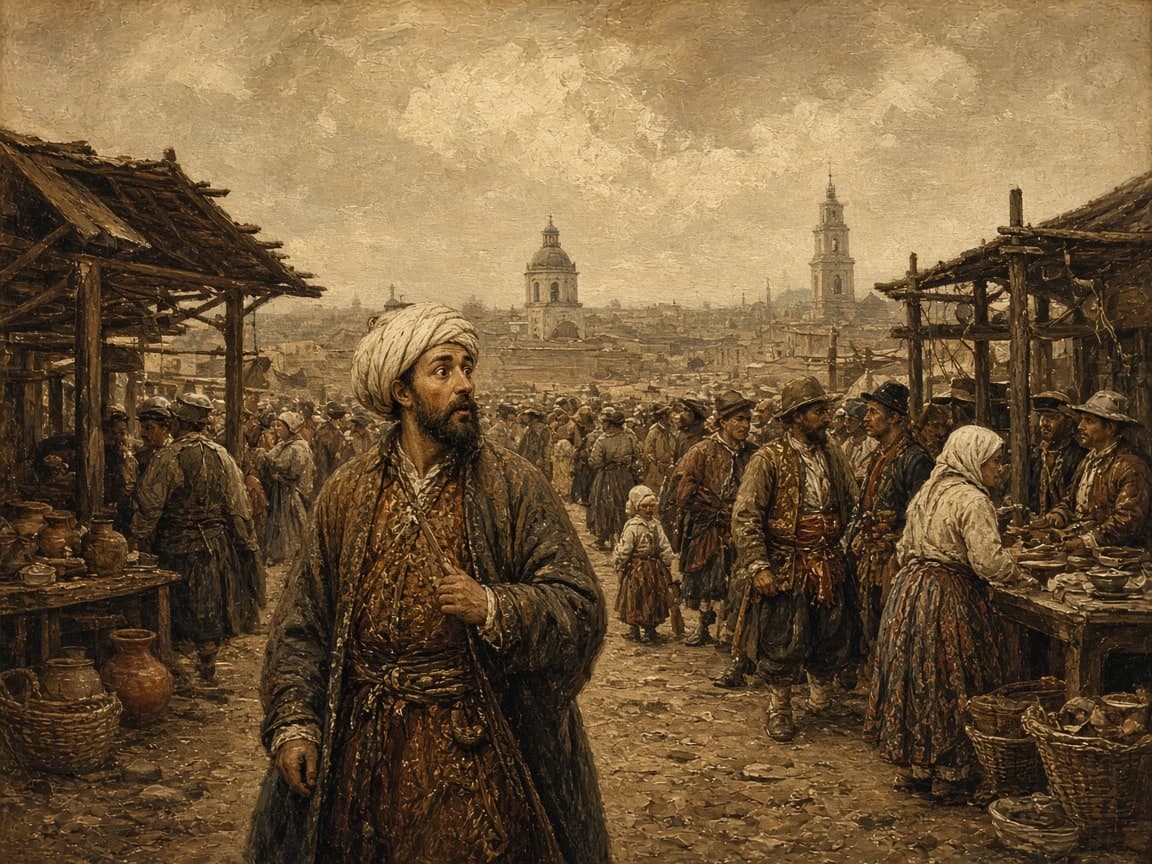
Men and women, especially on holidays, wore caftans edged with gold or silver trim; men's dress differed little from women's. Only…
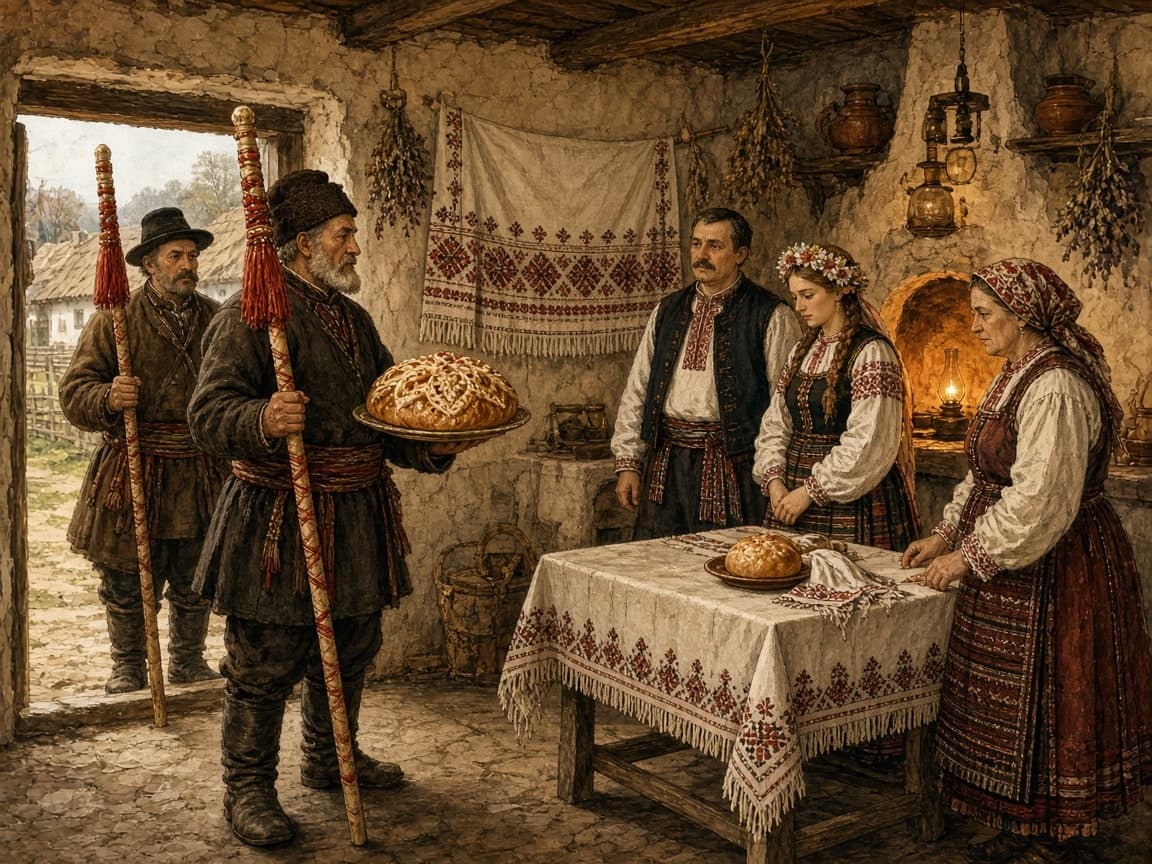
"Weddings were loud affairs and cost a fortune. Matchmakers were sent to the bride's parents bearing bread and staffs. When the bride agreed, she gave the elder…
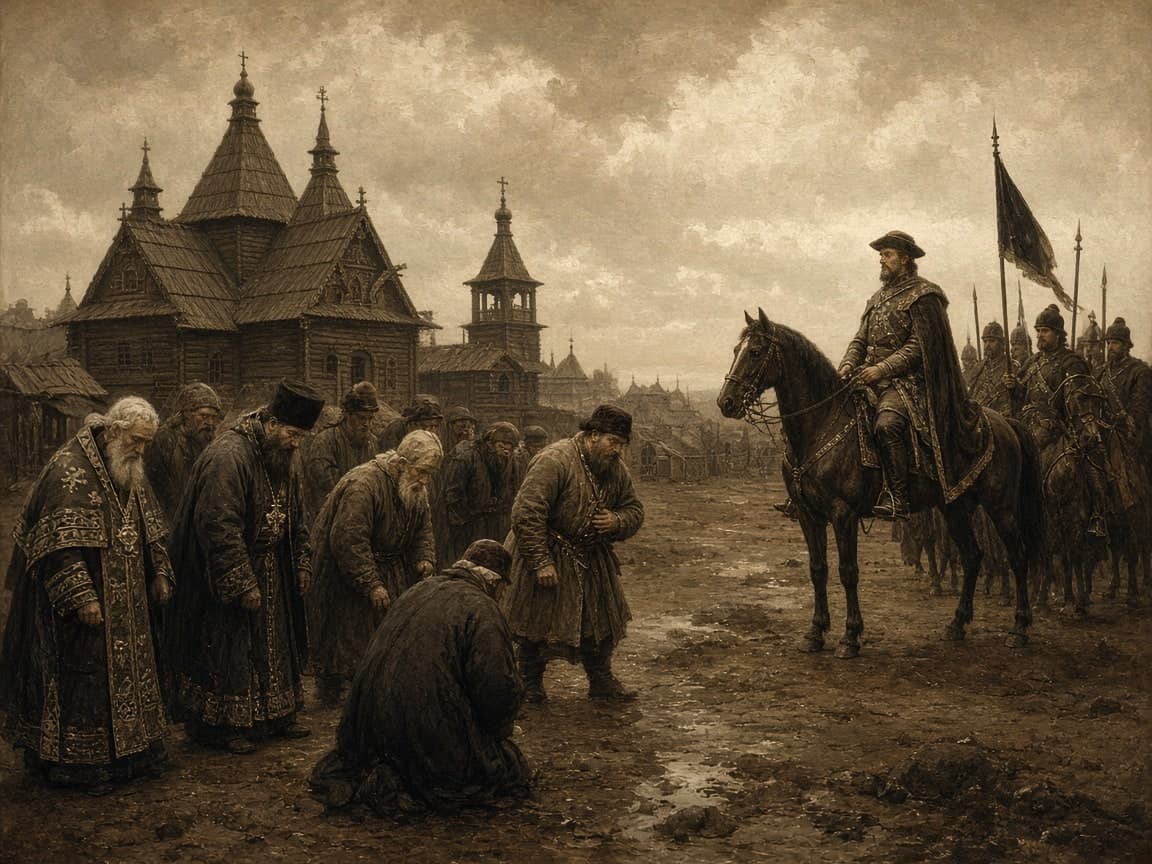
"To the Tsar and Grand Duke Alexei Mikhailovich of All Russia, Autocrat. Your poor pilgrims of the sovereign Ukrainian far city of Kharkiv, the Cherkasy priest Yere, bow their foreheads…
before the 18th century · Kharkiv
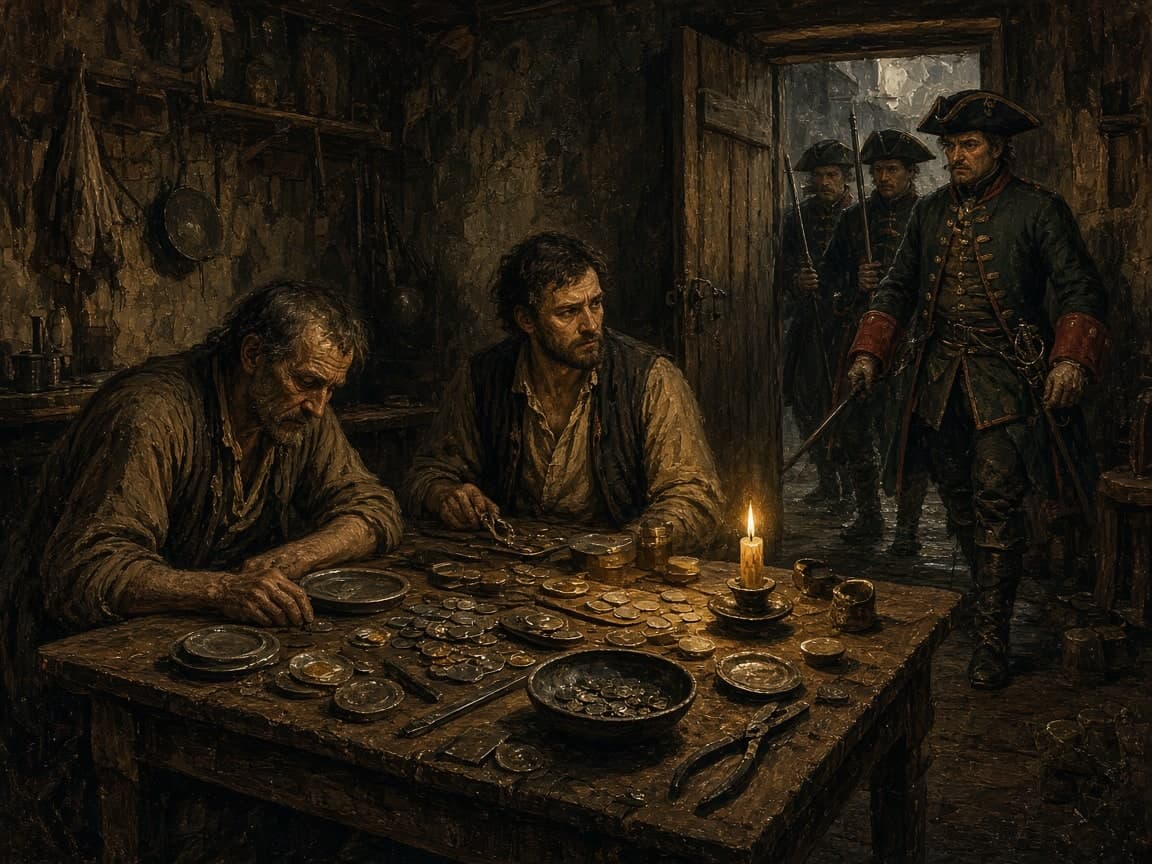
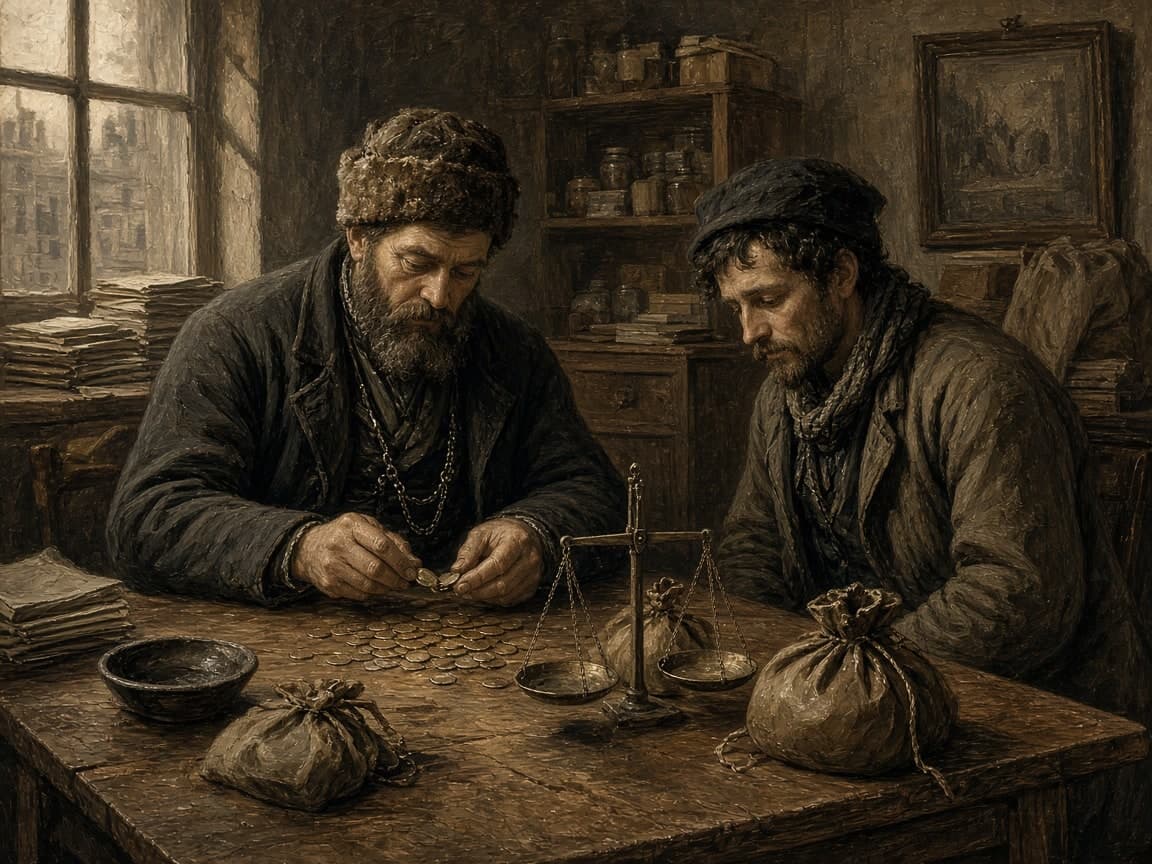
The police tracked down and arrested two counterfeiters nicknamed Ikonnik and Zolotar. Under investigation they confessed to their crime…
"You Turkish devil, brother and comrade of the accursed one and secretary to Lucifer himself—what sort of knight are you, damn it? The devil casts out, and your army devours. You shall not be fit to hold Christians under you by force, th…
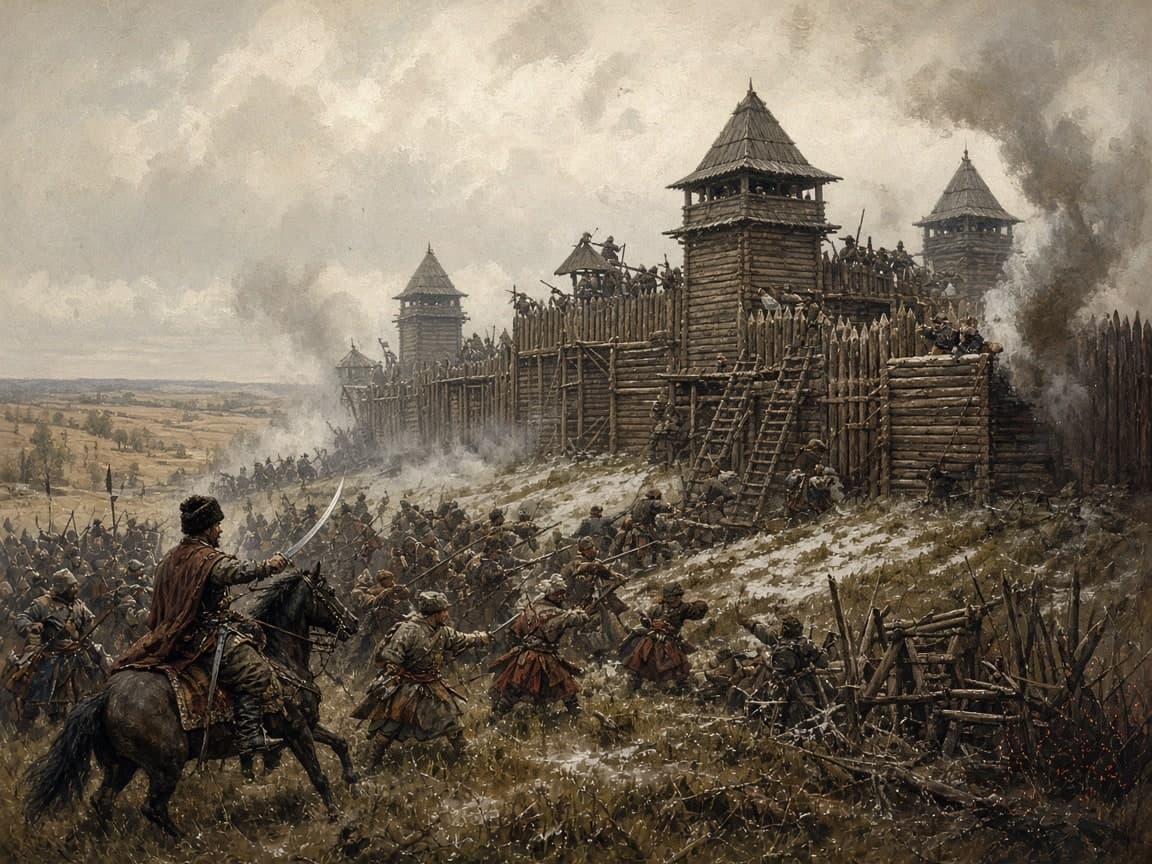
In 1668 an enemy besieged the Kharkiv fortress—but not Tatars or the Muscovite army, rather troops of our countryman, Cossack hetman Ivan Sirko. An old account says they "Kharkiv p…
The saying "broken like a Swede at Poltava" might as well have been "broken like a Swede near Kharkiv." For legend has it that Peter the Great planned the decisive battle with Charles XII and his allies…
For us "Rohan" suggests beer or a new housing district, not the name Kantemir. The land of present-day Rohan, from the early eighteenth century onward, belonged…
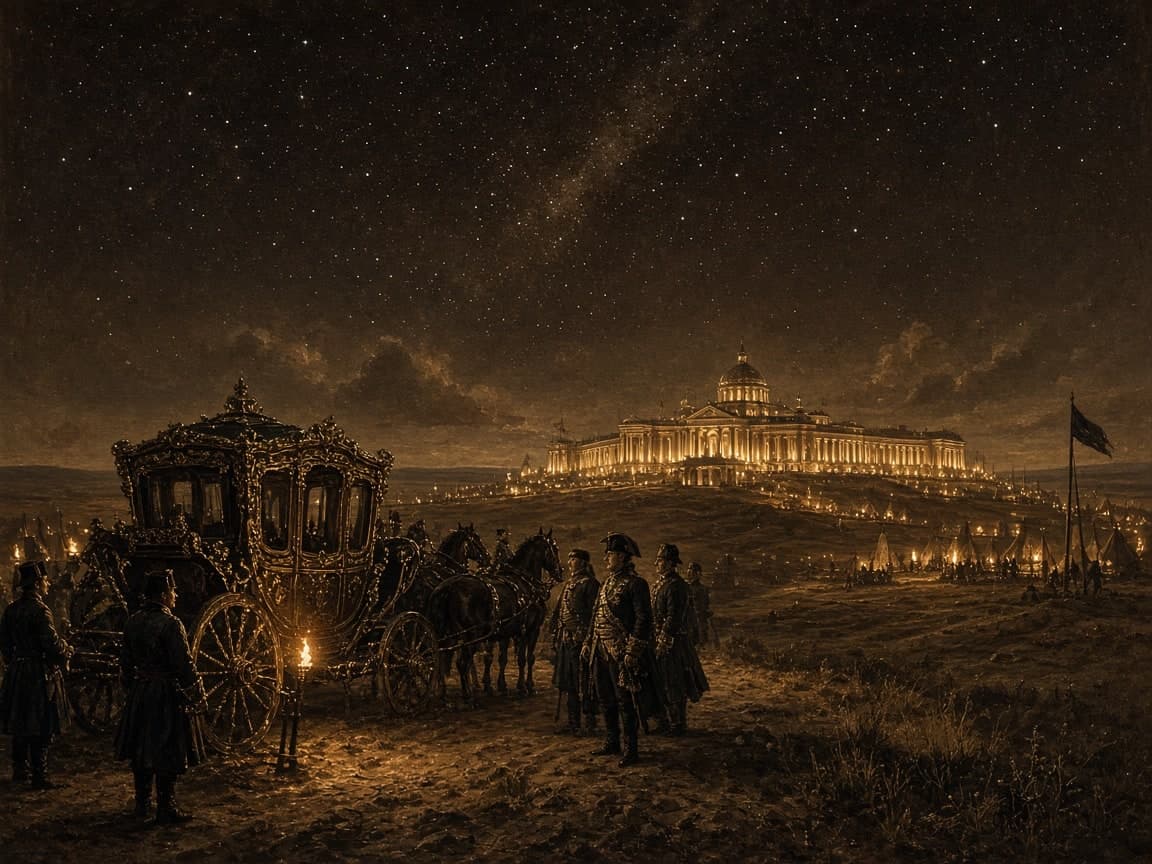
After conquering Crimea, Field Marshal Potemkin—made Prince of Taurida for it—decided to show the Empress Russia's new lands and arranged for her a journey there…
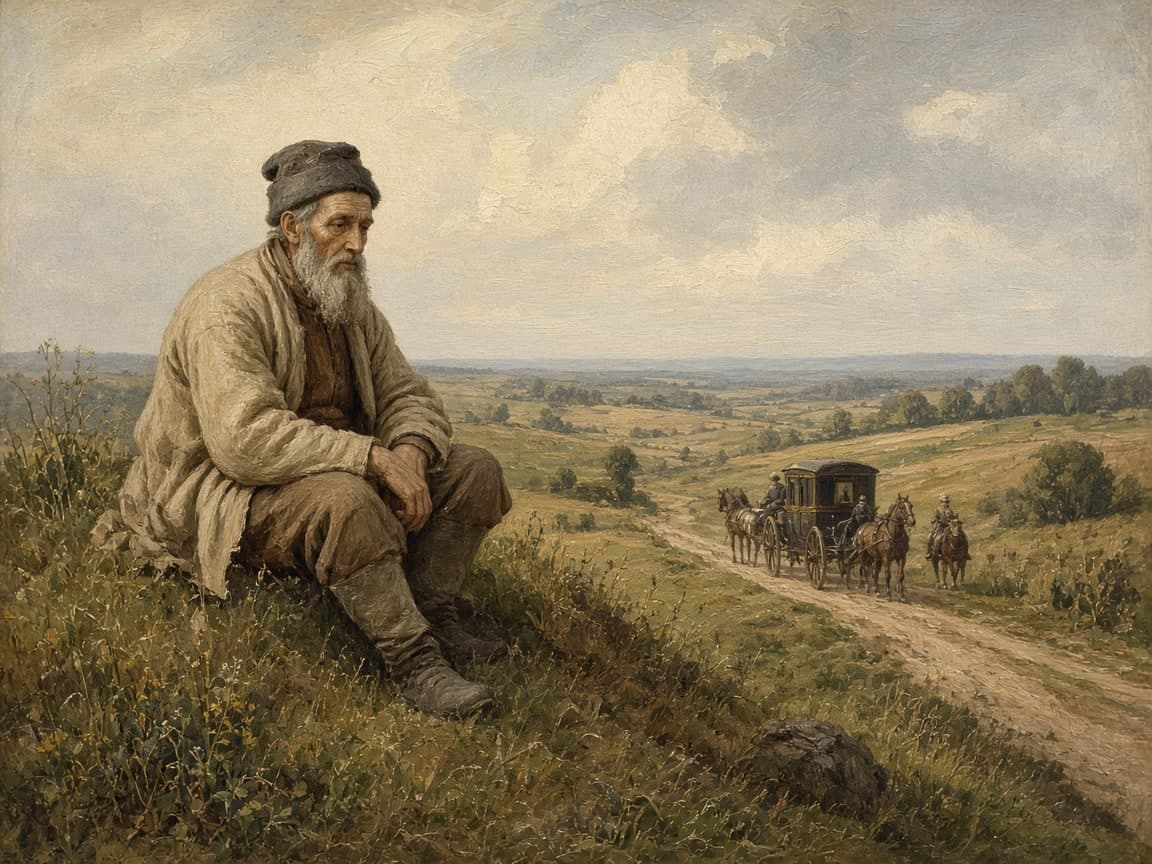
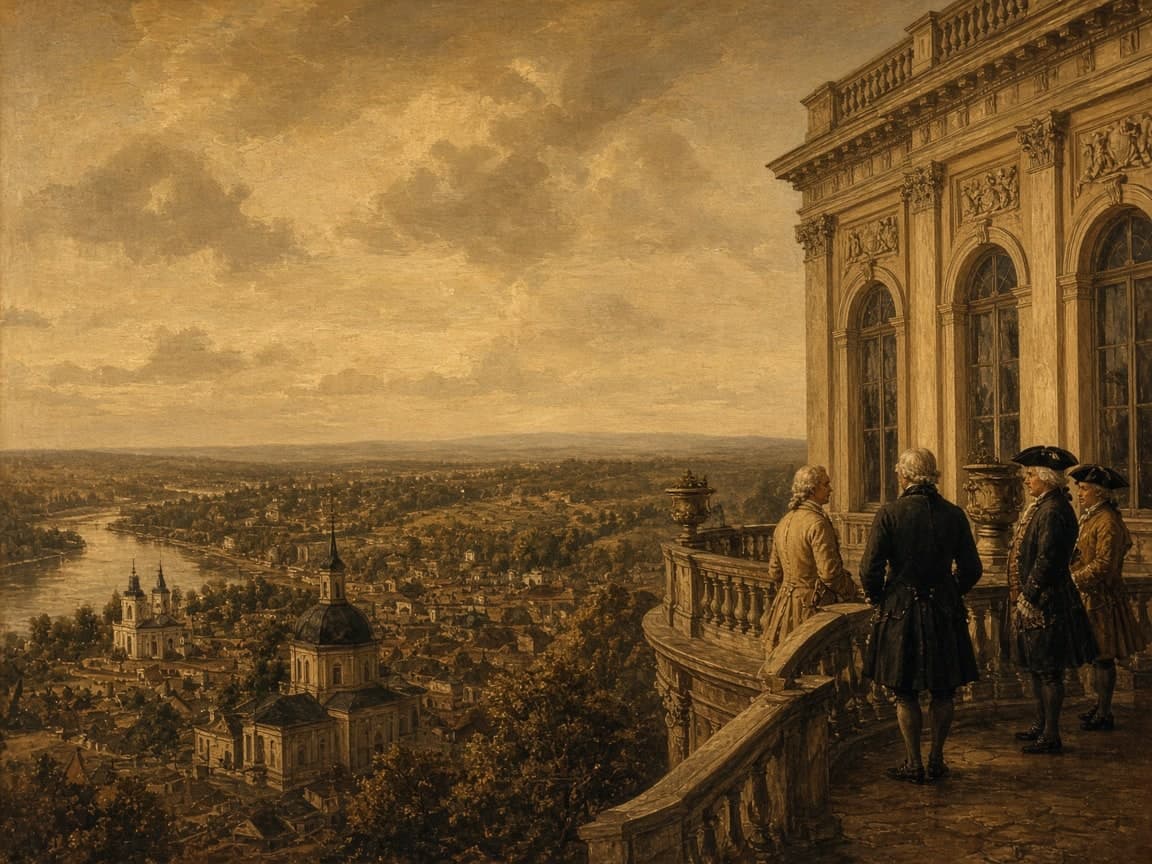
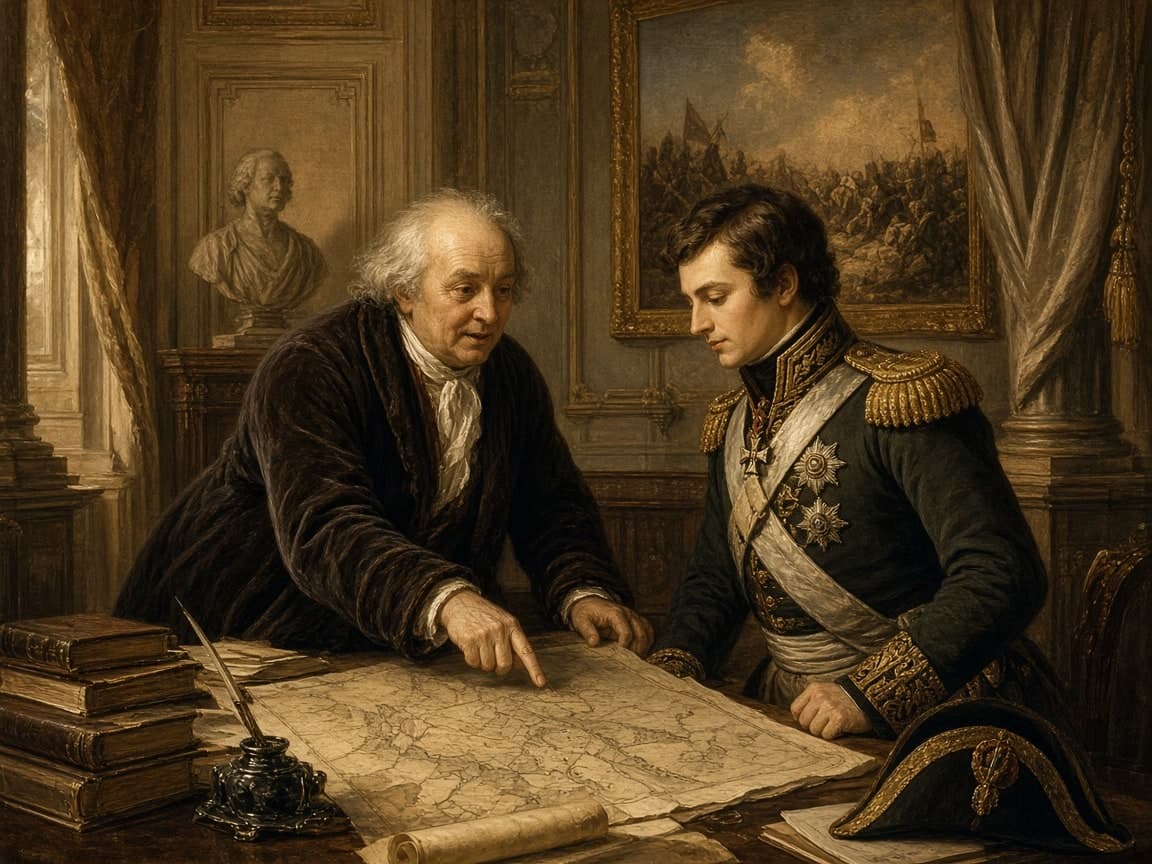
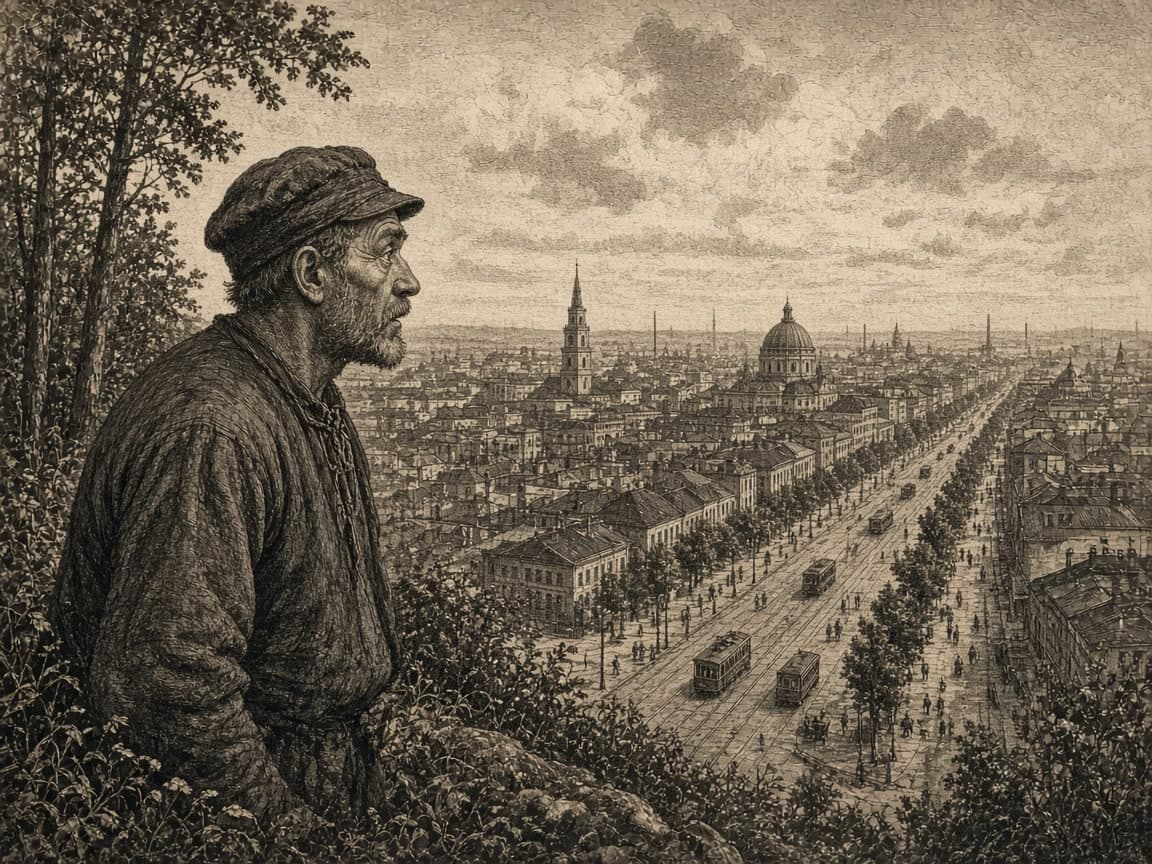
Catherine II, approaching Kharkiv from Crimea, noticed an elderly man in plain clothes, lost in thought on a hill. Asked who he was, she was told: the famous philosopher Grigory S…
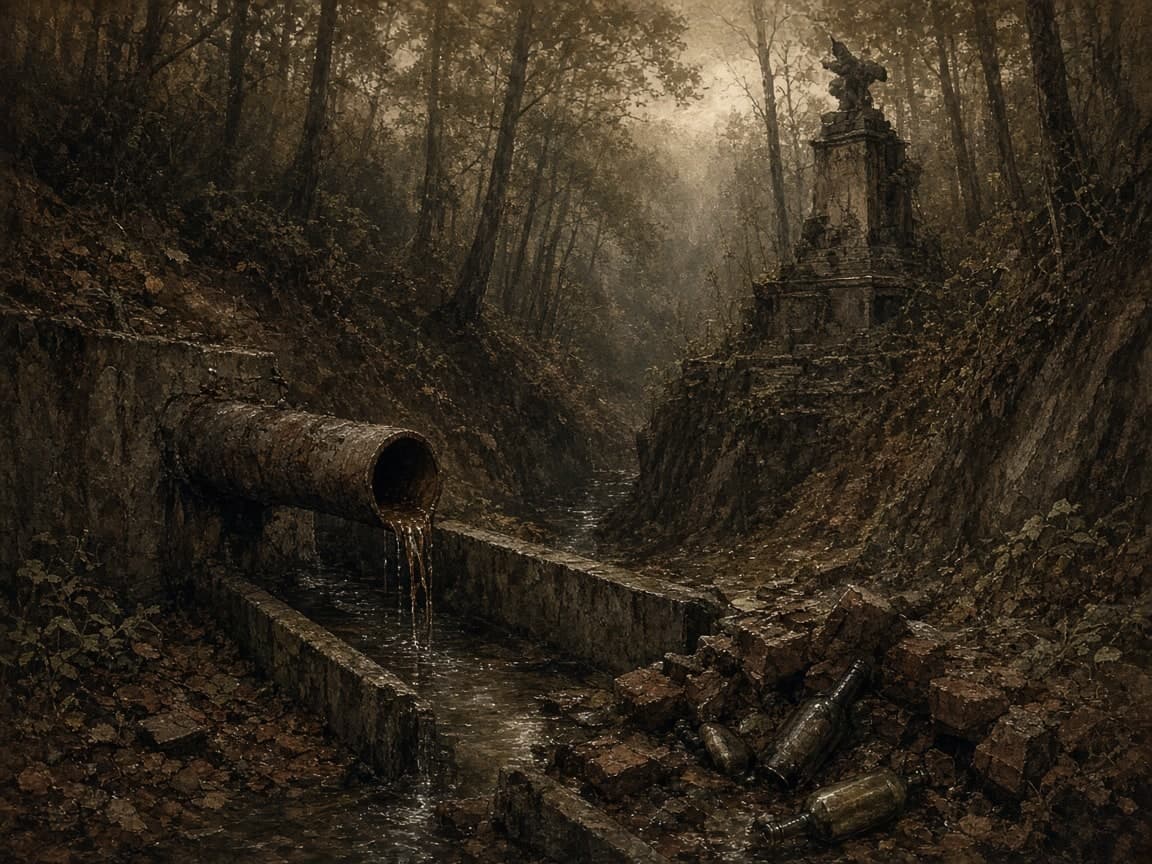
A hollow in the woods. Along its bottom runs a short concrete ditch littered with brick fragments and broken bottles. From the wall juts a stub of rusty pipe trickling water. Is this an unfinished…
19th century · Kharkiv
Once a leaflet was found on the door of the Ascension Church that towered over Ascension Square (now Feuerbach Square). It proved to be nothing less than a lampoon on His Imperial Majesty Pa…
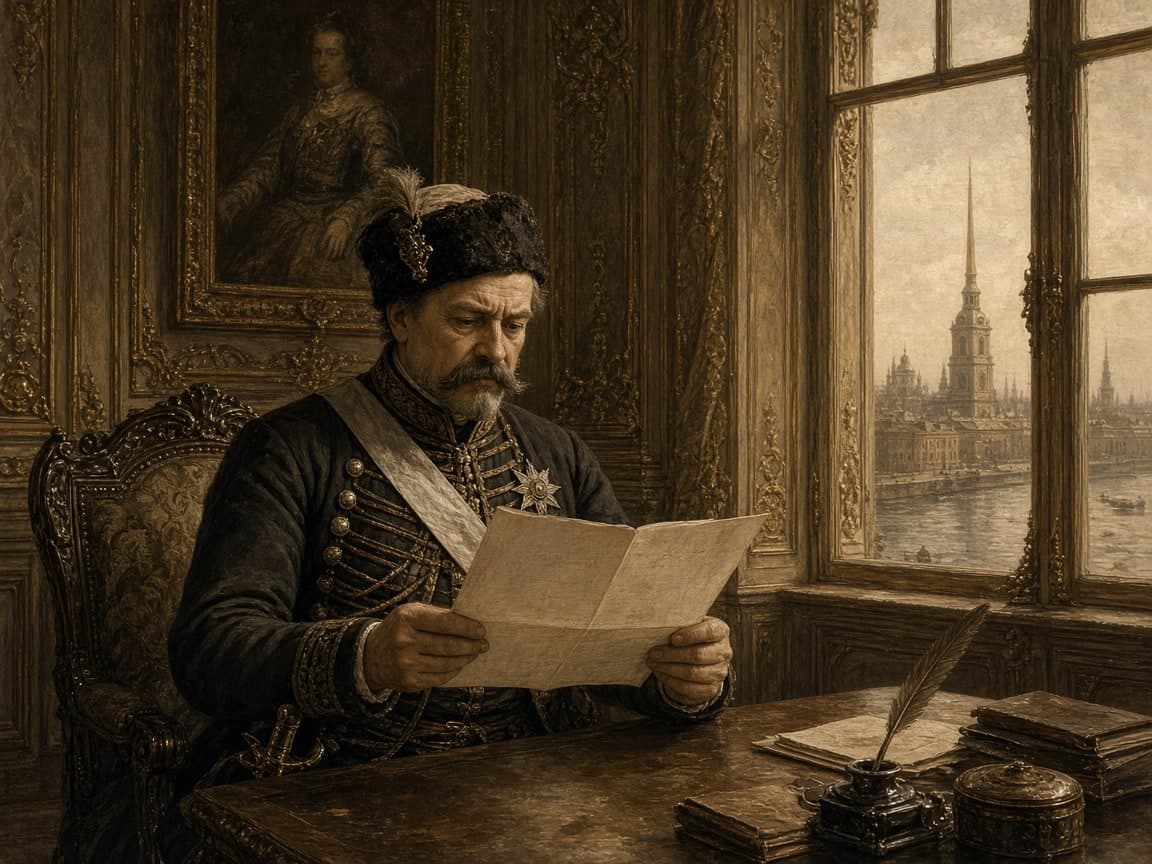
In the summer of 1765 Colonel Kh. Krasnokutsky of the Kharkiv regiment was in St. Petersburg and learned news that deeply alarmed him. Catherine II had issued a manifesto on the Sloboda regiments, where…
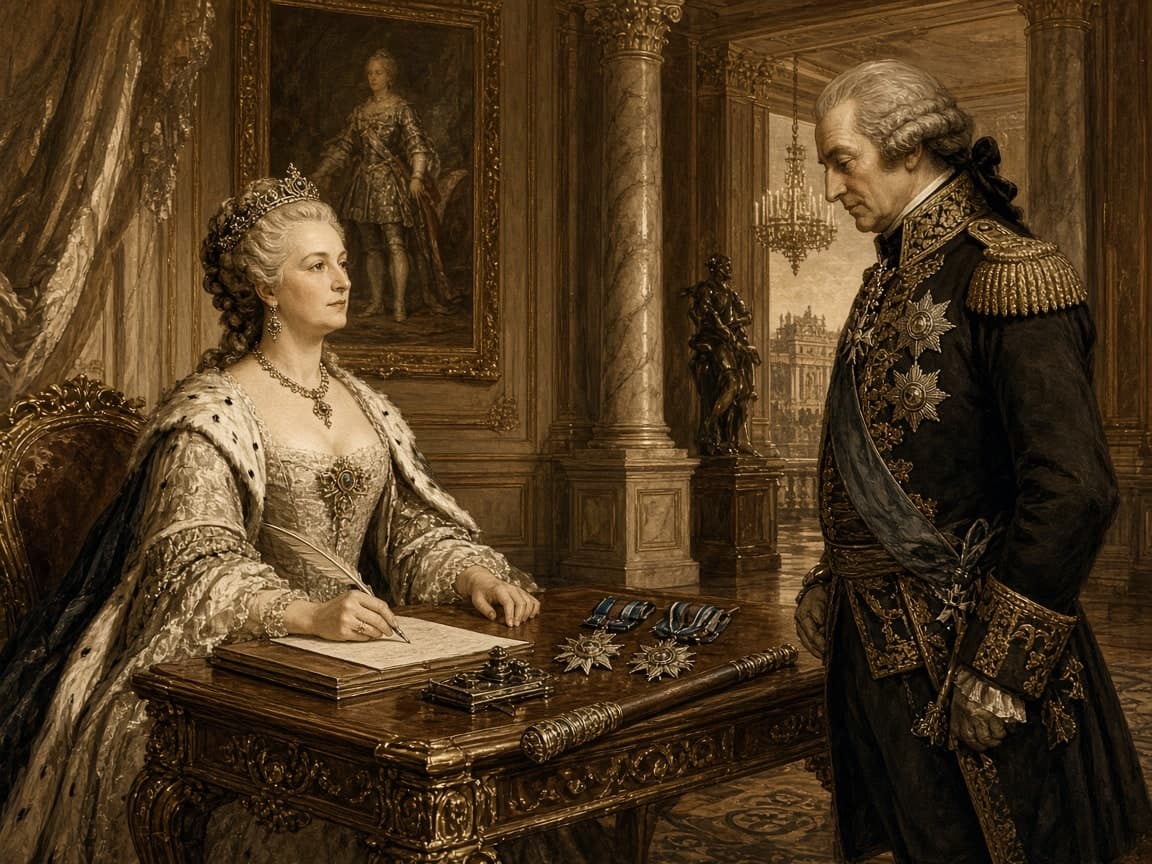
"I shall tell you how I rewarded Field Marshal Rumyantsev: 1) on the day peace was celebrated he received a charter detailing all his victories, conquests, and the peace itself; 2) the marshal's baton…
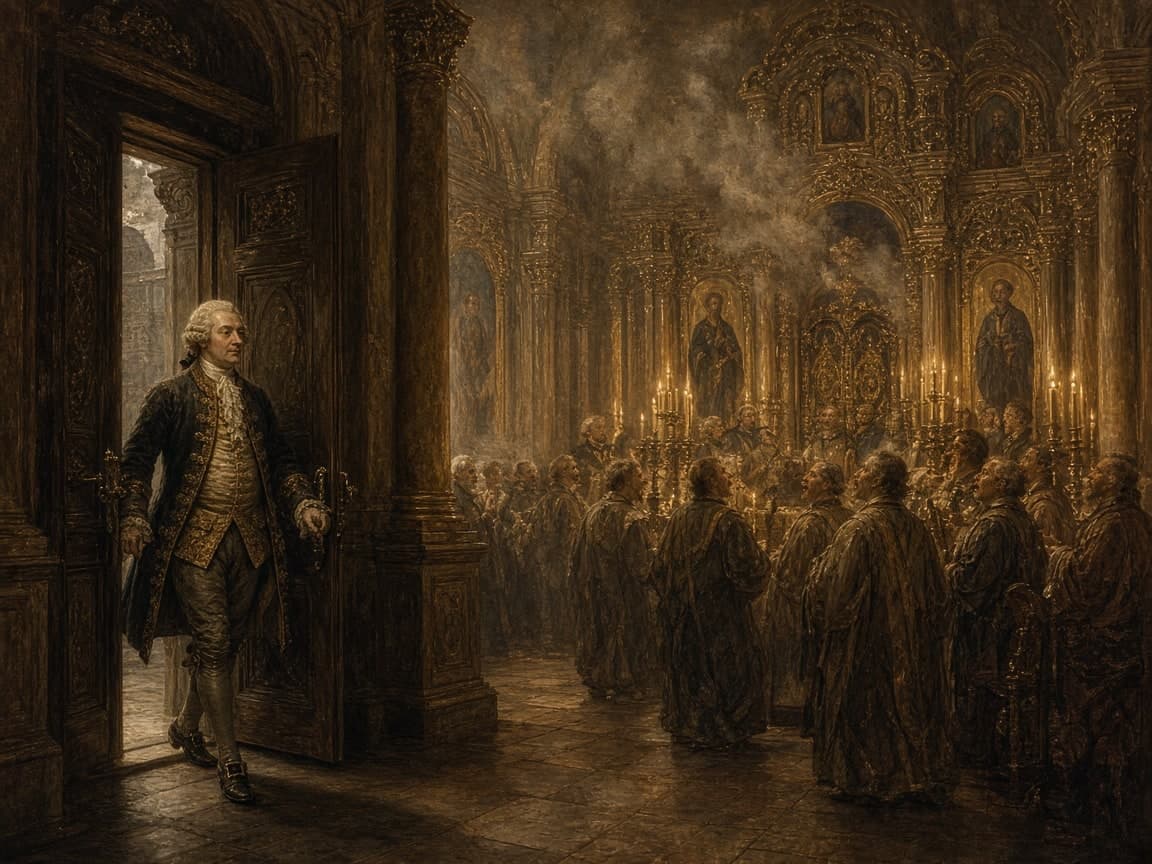
"The next day, after his arrival, the prince was expected in the cathedral… His Highness came already after the 'It is meet' and stopped not at the seat prepared under the canopy but to the right of the pulpit, in the midst of the church…
Where Kharkiv's earliest rulers lived is unknown, but by 1777 they decided to build a formal residence. It was erected on University Hill by that year…
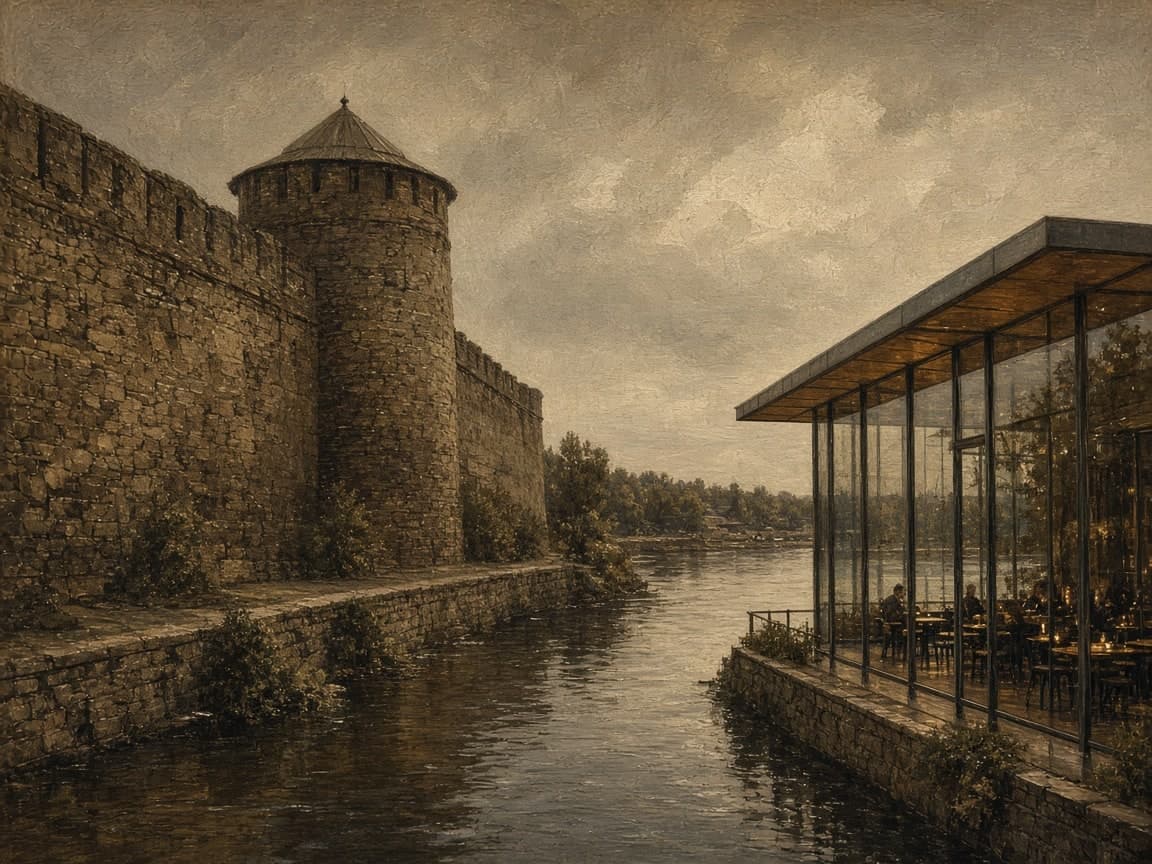
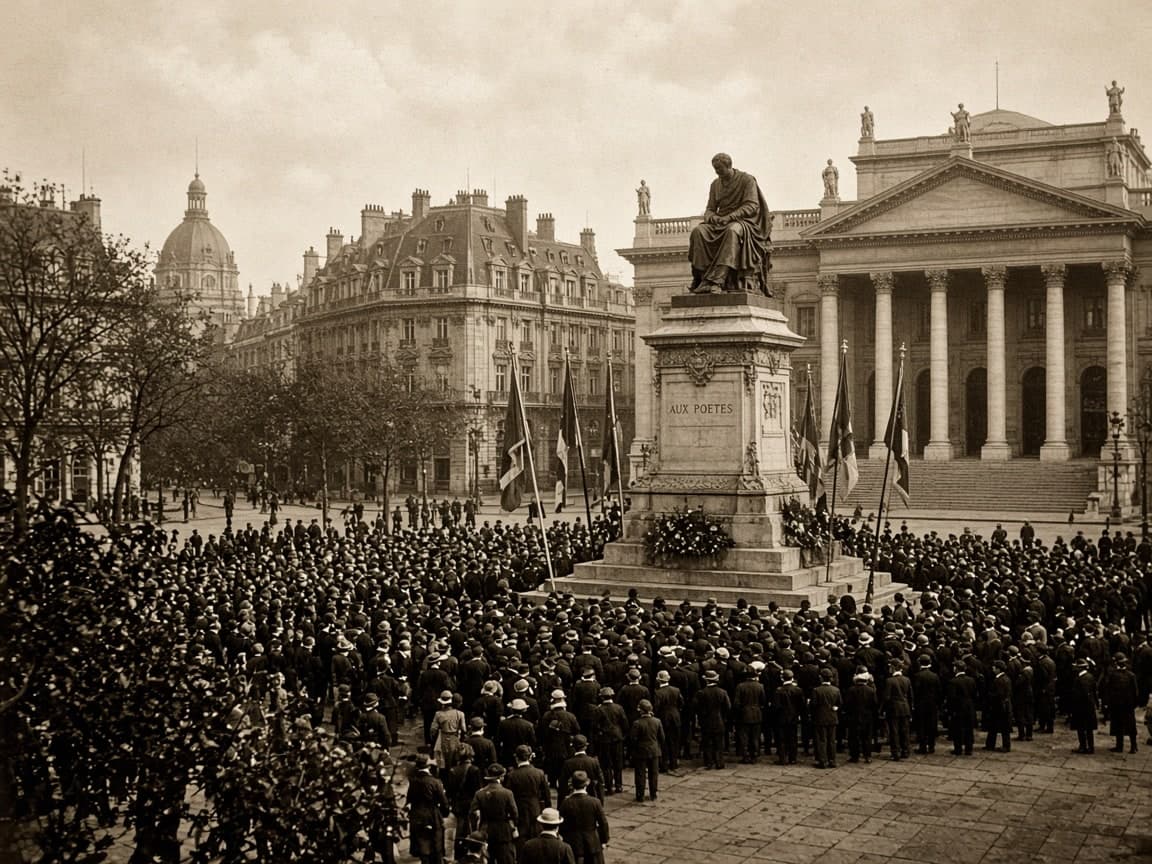
Visitors to the new glass-walled café on Poetry Square little guess whose wall they lean against. It is the oldest building in the city, second in age perhaps only to the Intercession Church…
Kharkivites who mailed a letter to another city might wait months for a reply. For one thing, mail left Kharkiv only twice a week: on Wednesdays along the Moscow road, on Sundays…
"Military guests quartered in Kharkiv at the time cost the city dearly. The Duma had to provide them lodging and see to their various needs…
On the morning of August 28, 1781, a gentleman appeared at the Kharkiv post station. He gave his name as Vasily Zuev, adjunct of the Academy in St. Petersburg, sent to study and describe the south of Russia. He…
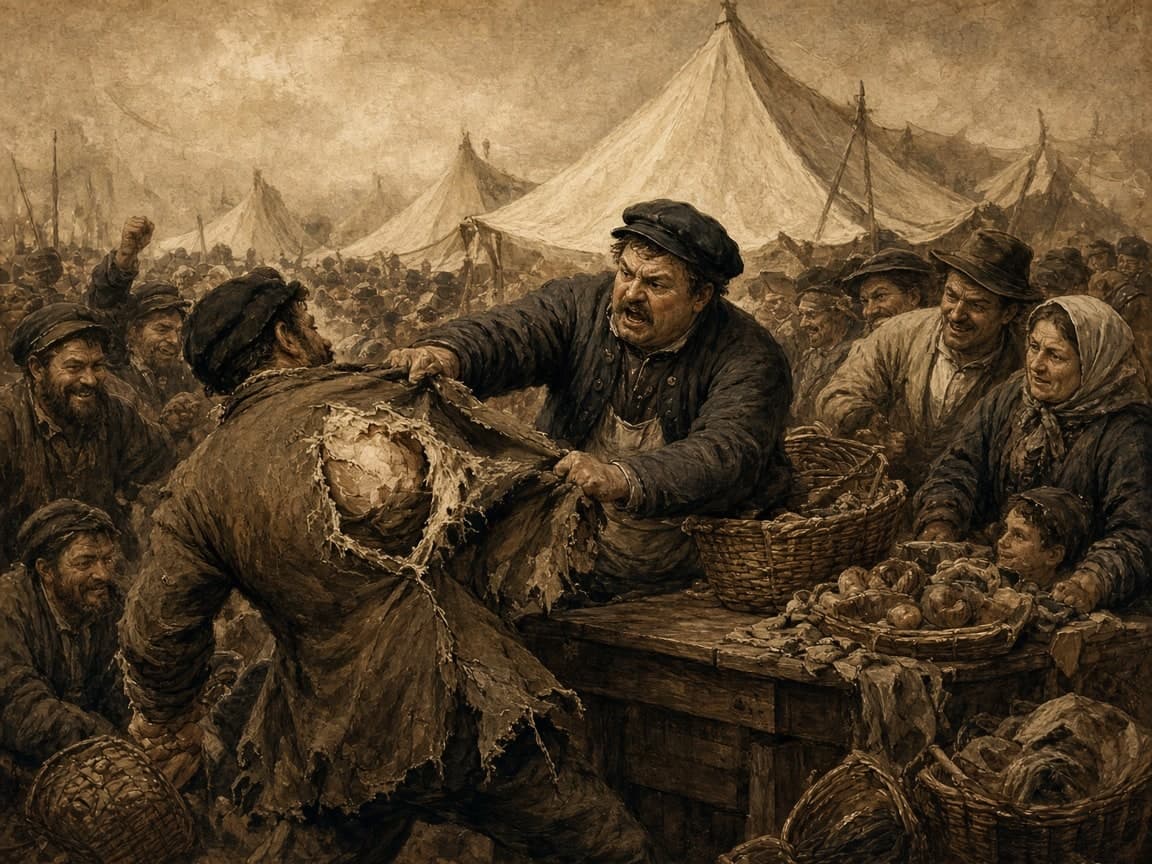
During the Trinity Fair a visitor asked the shopkeeper Akhmet to lend him ten kopecks, leaving his coat as pledge—worth little anyway—and promising to bring the money tomorrow and reclaim…
Landowner Mordvinov once needed a sum of money. He pondered long where to get it and sold his house to the city—yet had no intention of moving out and calmly continued…
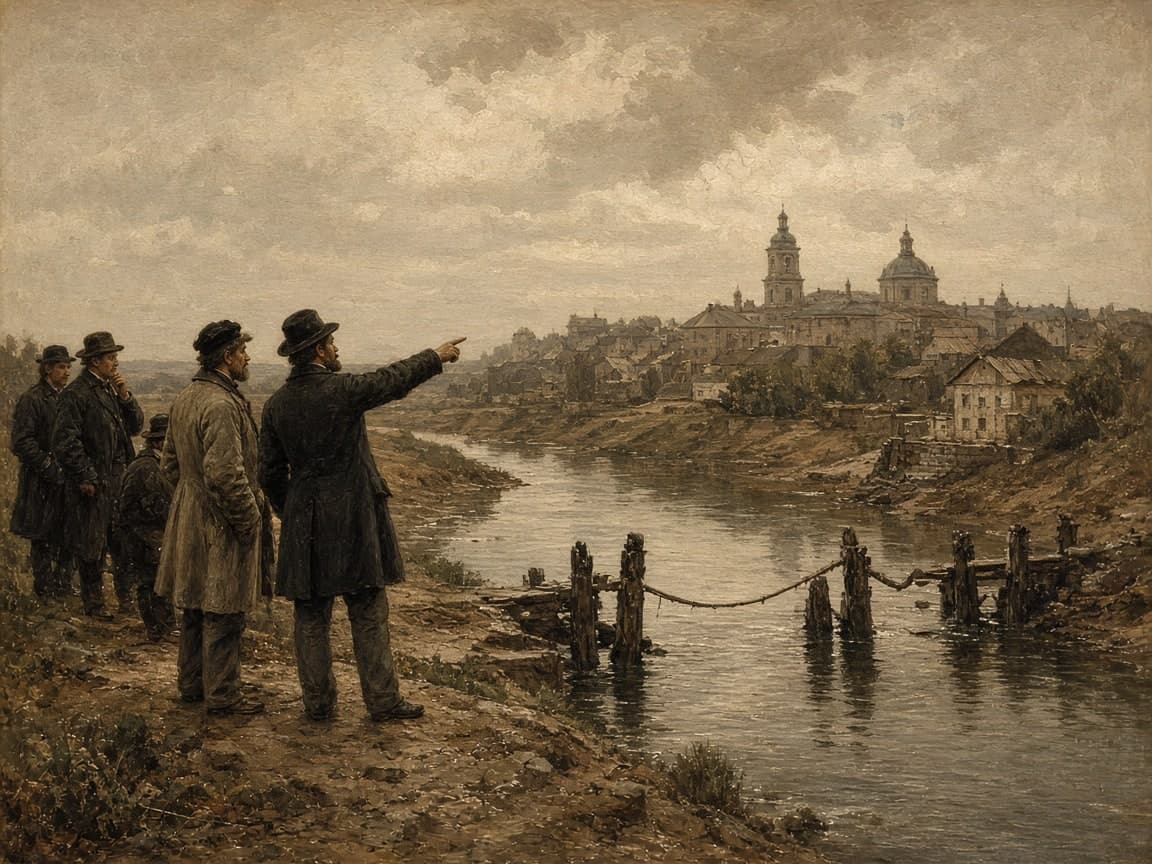
Kharkivites once found that a bridge on the Lopan… had vanished. They appealed to the City Duma, which knew nothing and asked the governor. He replied that the bridge had been ordered dismantled…
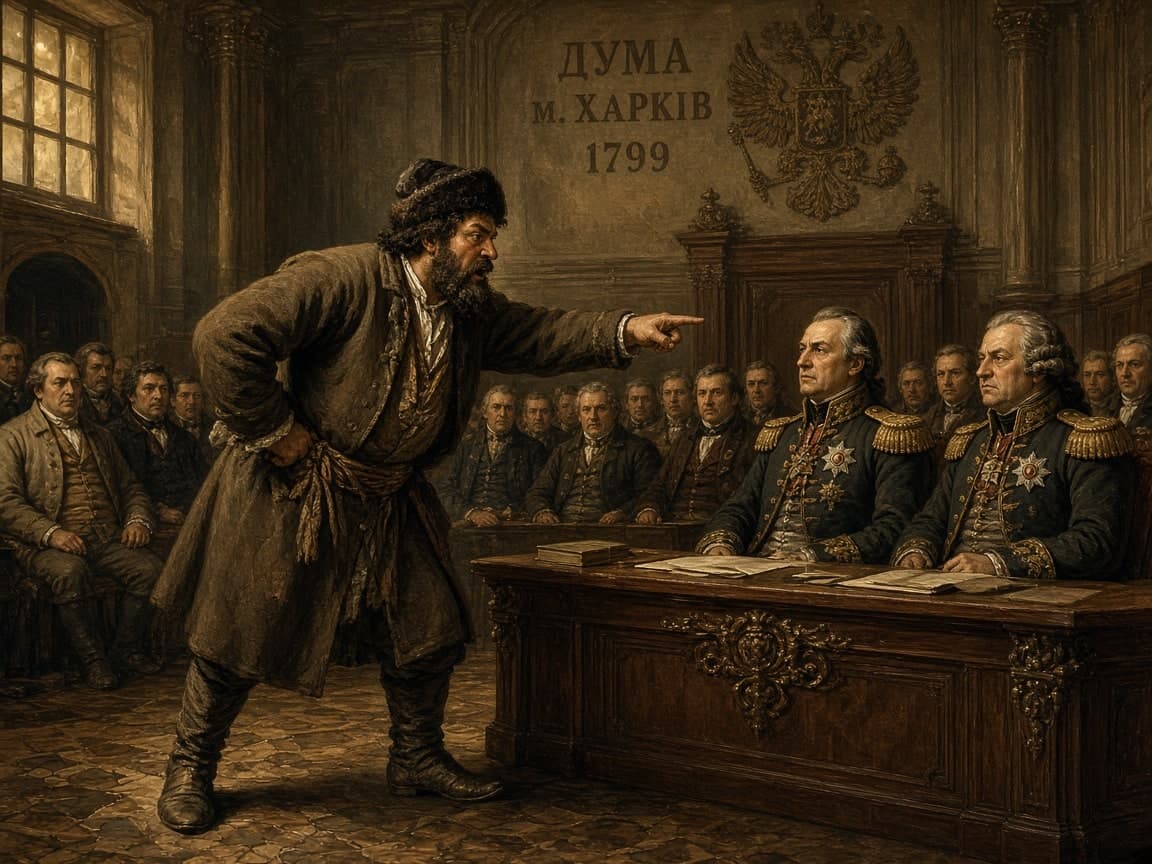
Merchant of the third guild Yegor Yegorovich Uryupin, elected mayor in 1799, was an awkward figure for the provincial authorities. The Duma he led declared it would act in its own…
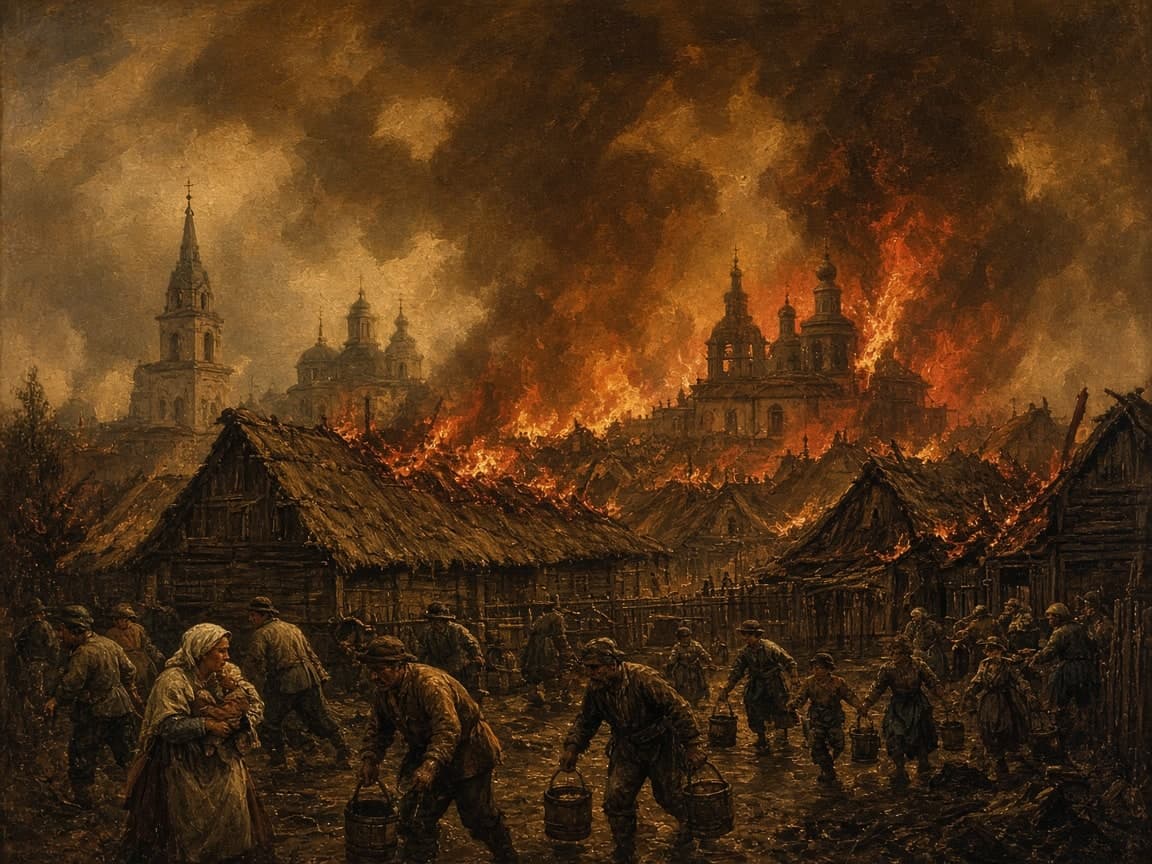
In May 1733 a great fire destroyed three hundred yards, the Cathedral and St. Nicholas churches, and all the shops. Half a century earlier the voivode had forbidden Kharkivites of every rank…
19th century · Kholodna Hora
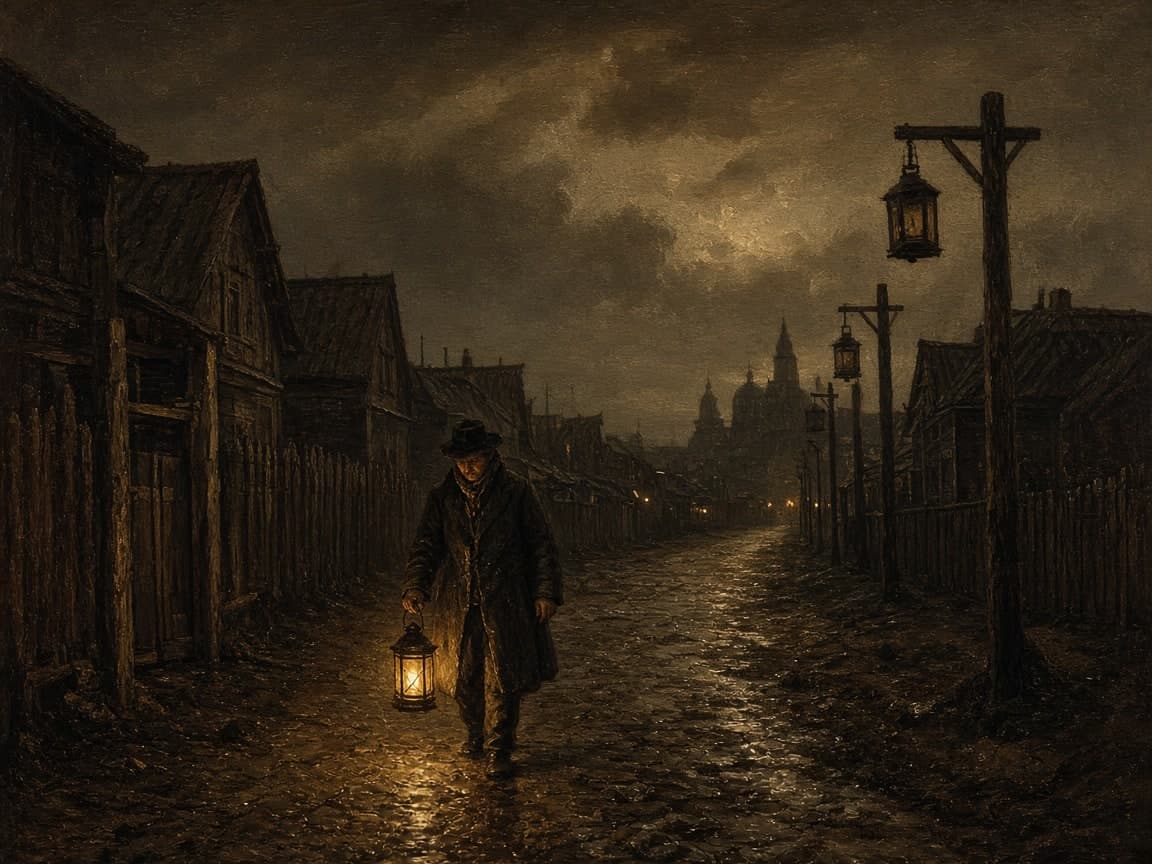
Plain folk and prosperous Kharkivites alike tried to get home before dark; in the gloom one might less often meet a robber than break a leg on unpaved streets. At last in…
One night in 1745 attackers struck Captain Nazaryev's lodgings. The captain was not home. Bursting in, they broke the gate, smashed windows, beat to death…
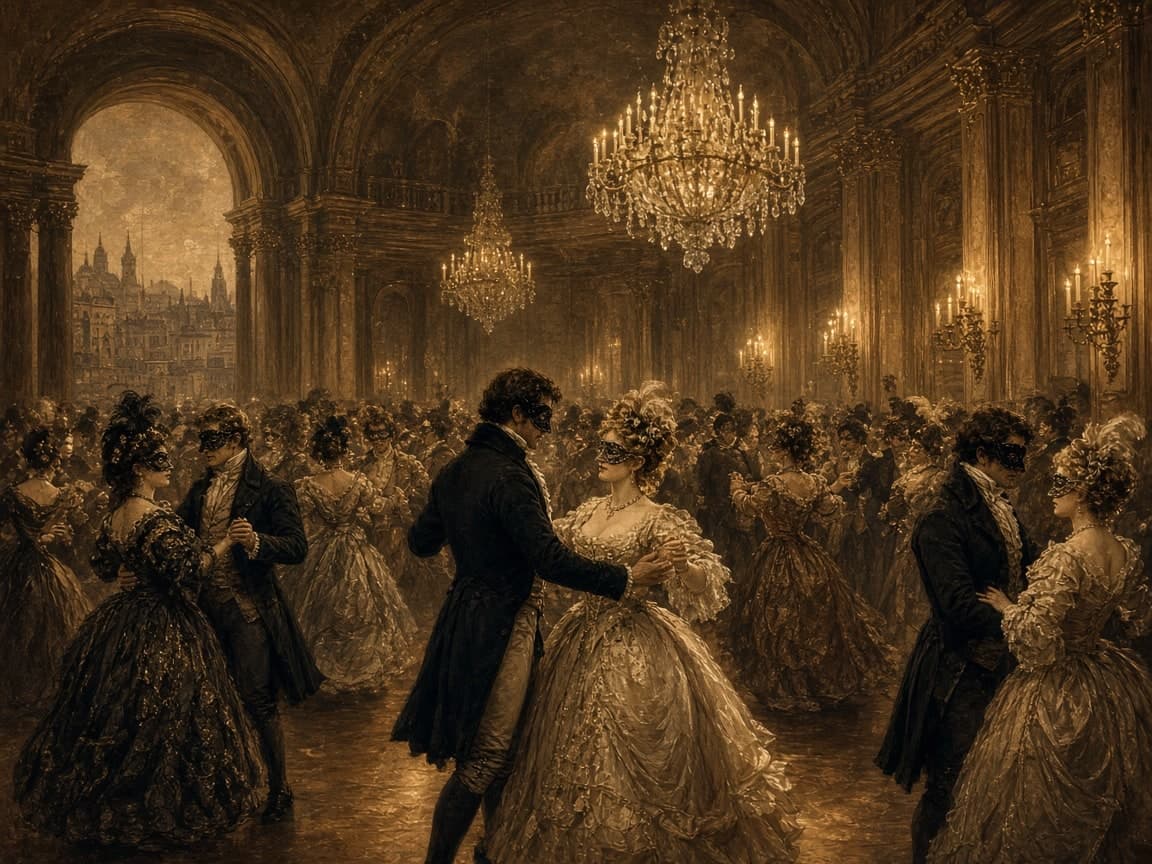
"Balls, masquerades, and genteel gatherings then called 'clubs' began in Kharkiv. How fine it was in that free, sincere, patriarchal age. Every Sunday, every holiday…
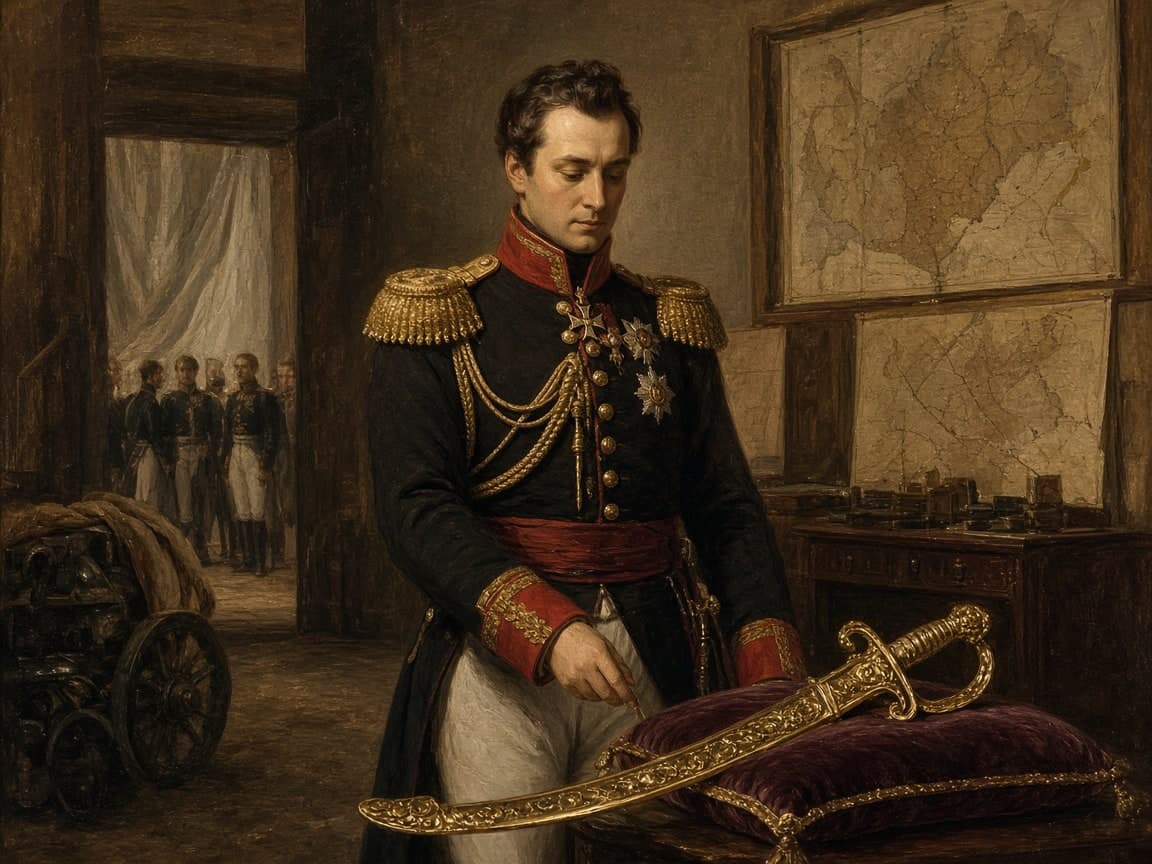
A. P. Nikitin was a career soldier—he finished cadet school while still young. Commanding artillery units, he fought bravely in the War of 1812 and was awarded a golden sword…
Governors appointed by the tsar seemed absolute masters of their provinces and free to do as they pleased. Not so: every province also had a prosecutor…
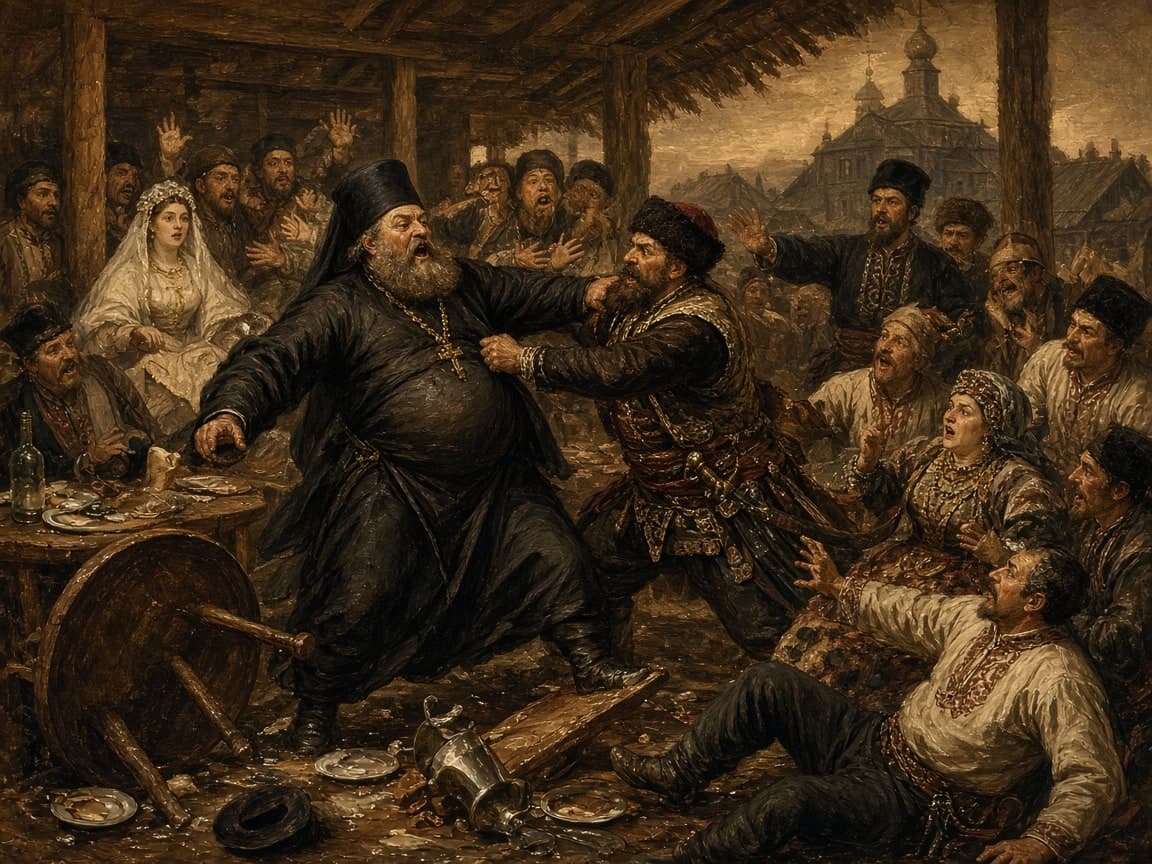
"In 1752 at sotnyk Andrey Topchiy's wedding, St. Nicholas priest Ioann fiercely fought the town ataman Pyotr Bulgakov, calling him a godless, unbaptized infidel," thus begins…
Even in old times those sworn to keep order broke it themselves. Sub-lieutenant Yenokhin sent men at night to steal a townsman's hay and seized goods from a tavern keeper without cause…
19th century · Centre
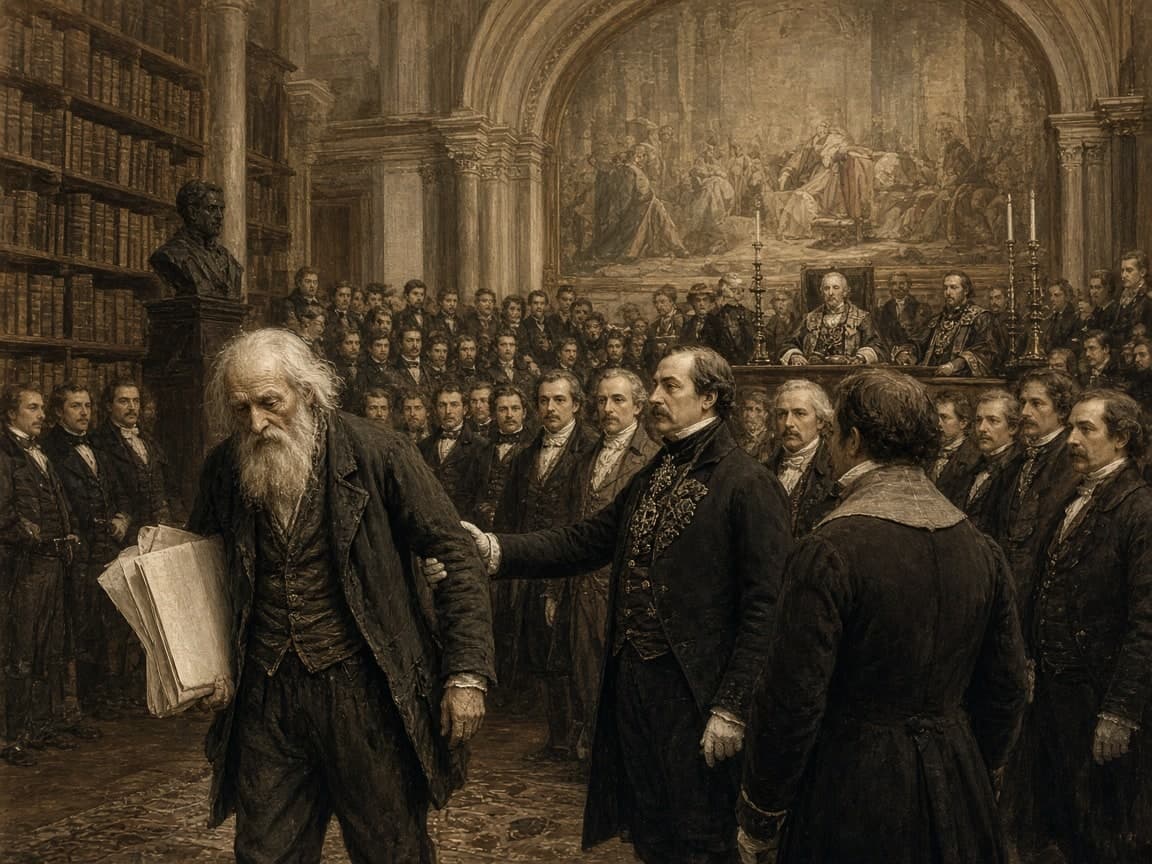
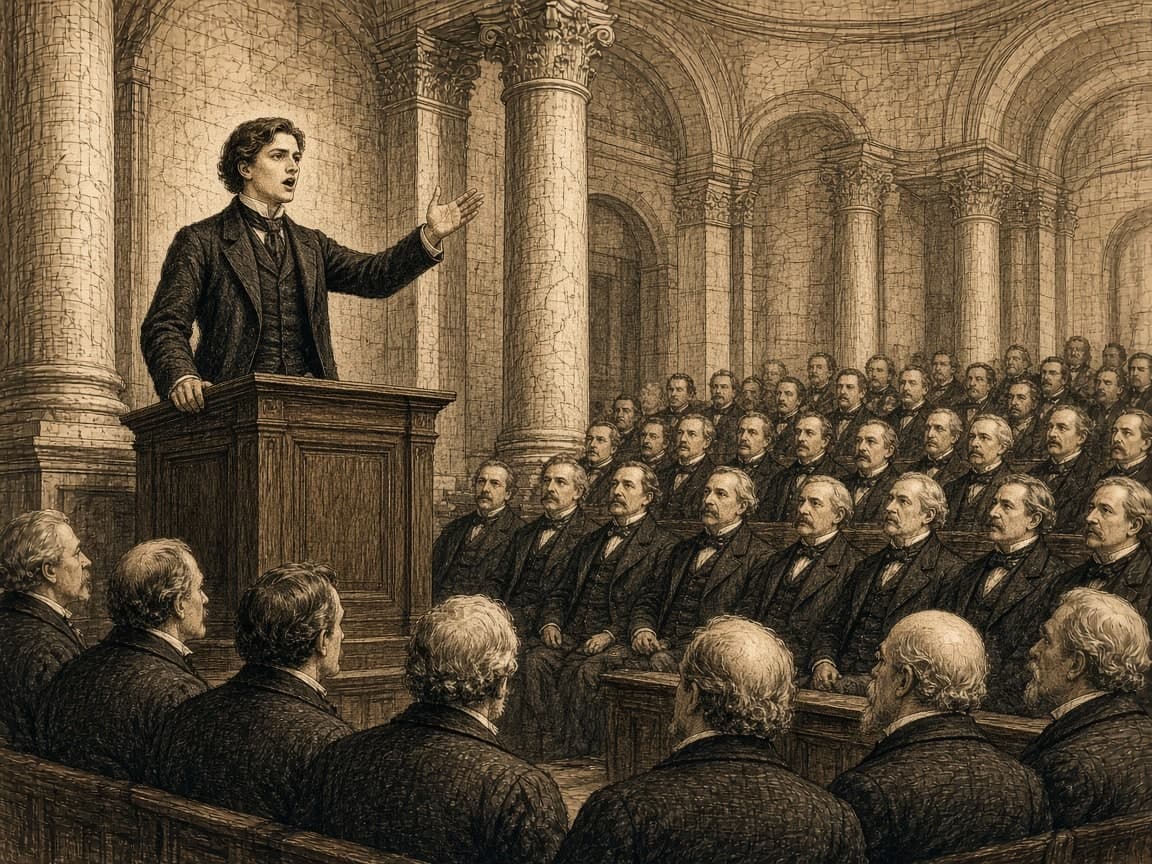
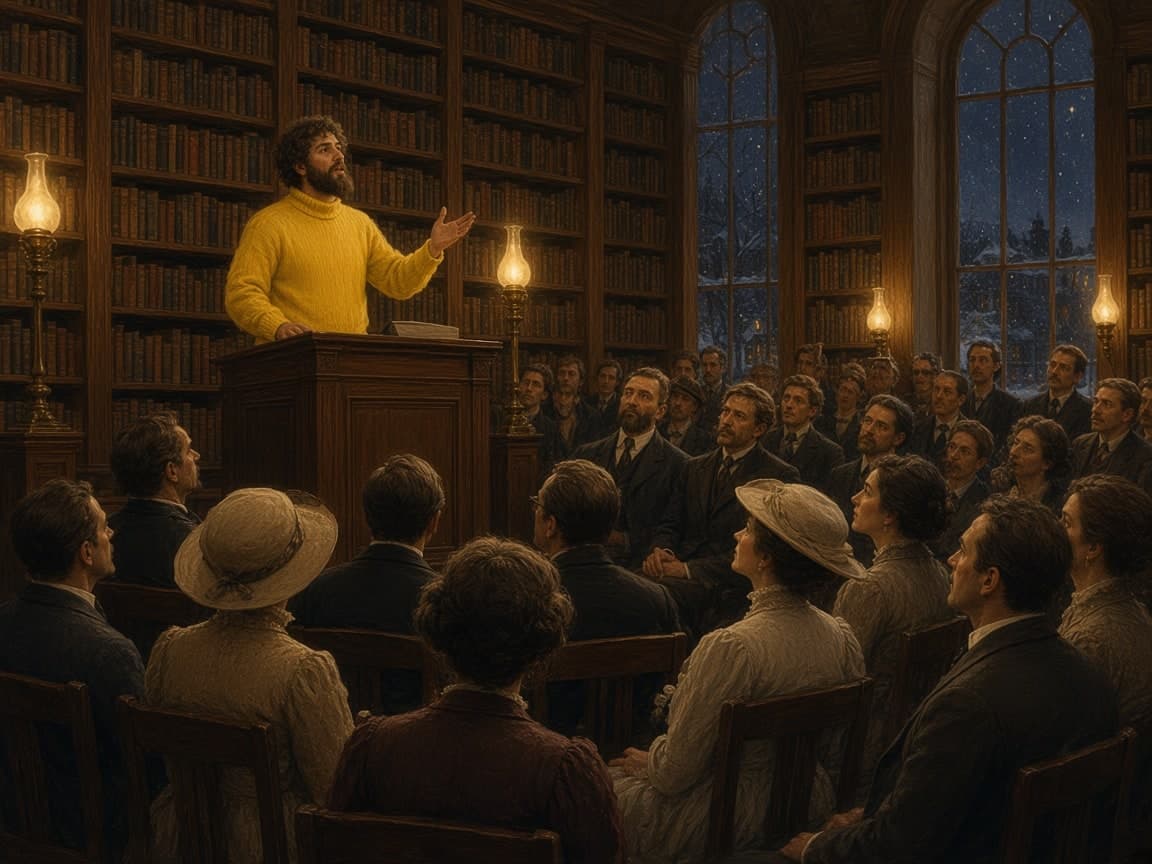
"I seek to fill the modest vacant post of librarian. Do not refuse me! Grant me the joy of putting in order and revealing the treasures of this institution founded by me, yet…
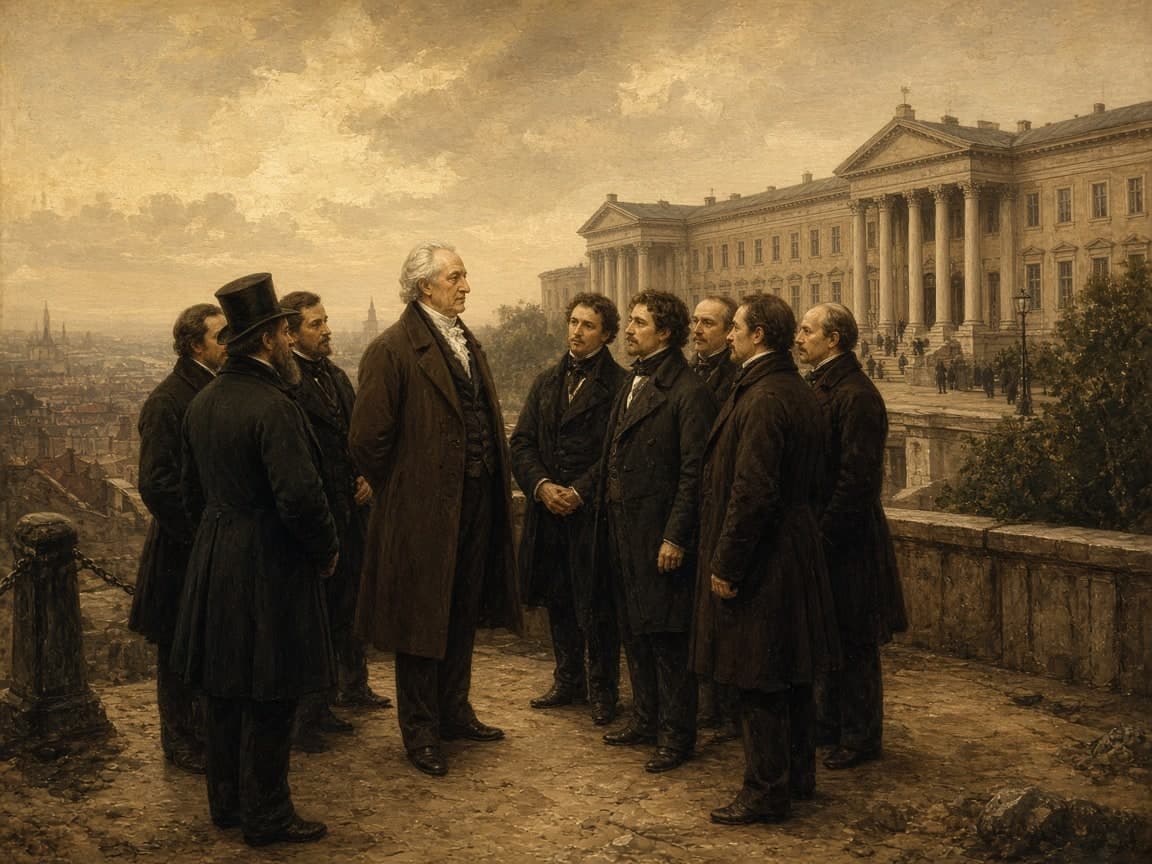
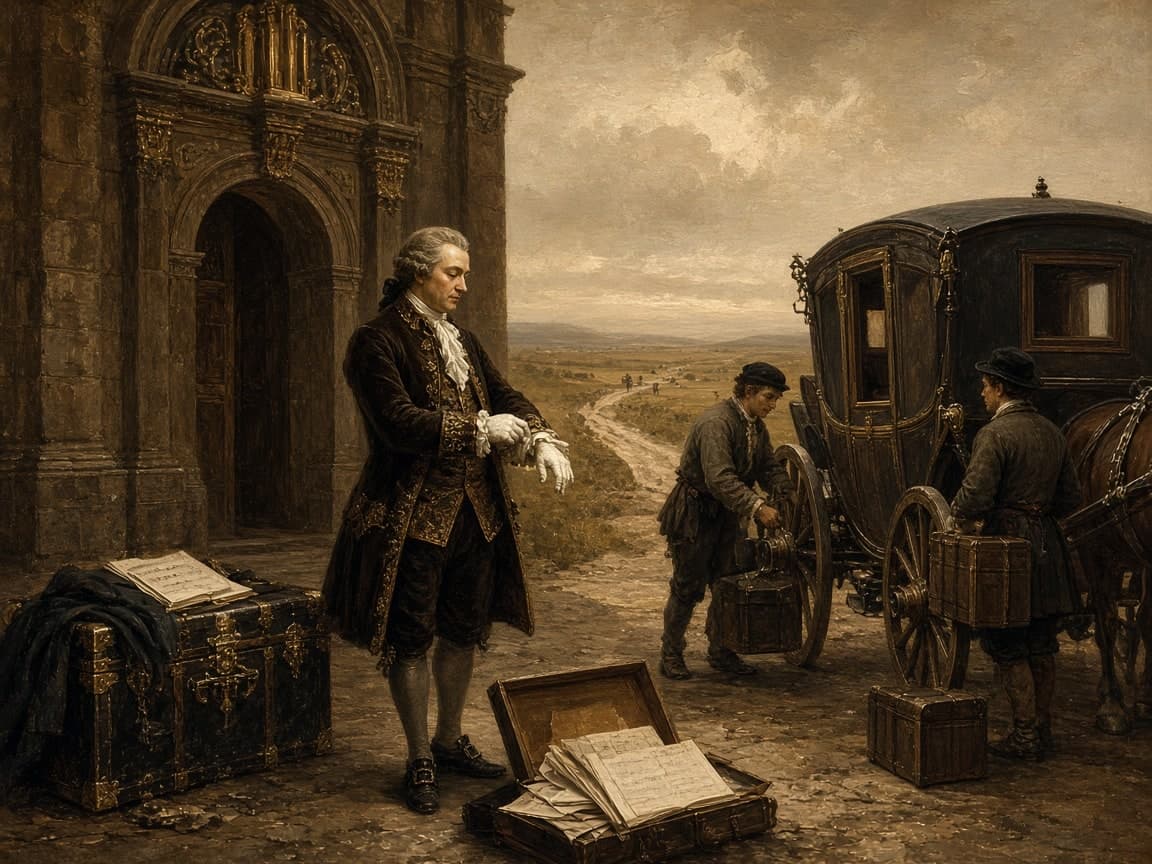
Oddly, Kharkiv has streets named for Darwin and Shakespeare, and until recently Byron—men who never heard of our city—yet no Goethe Street, though the great thinker, writer, and scholar…
In 1816 our city saw the journal Kharkiv Democritus, edited by fabulist and former Kharkiv University student V. Maslovich. The magazine was humorous in tone and…
The Decembrist uprising in St. Petersburg on December 14, 1825, failed through the conspirators' hesitation. The government opened an inquiry that for those involved…
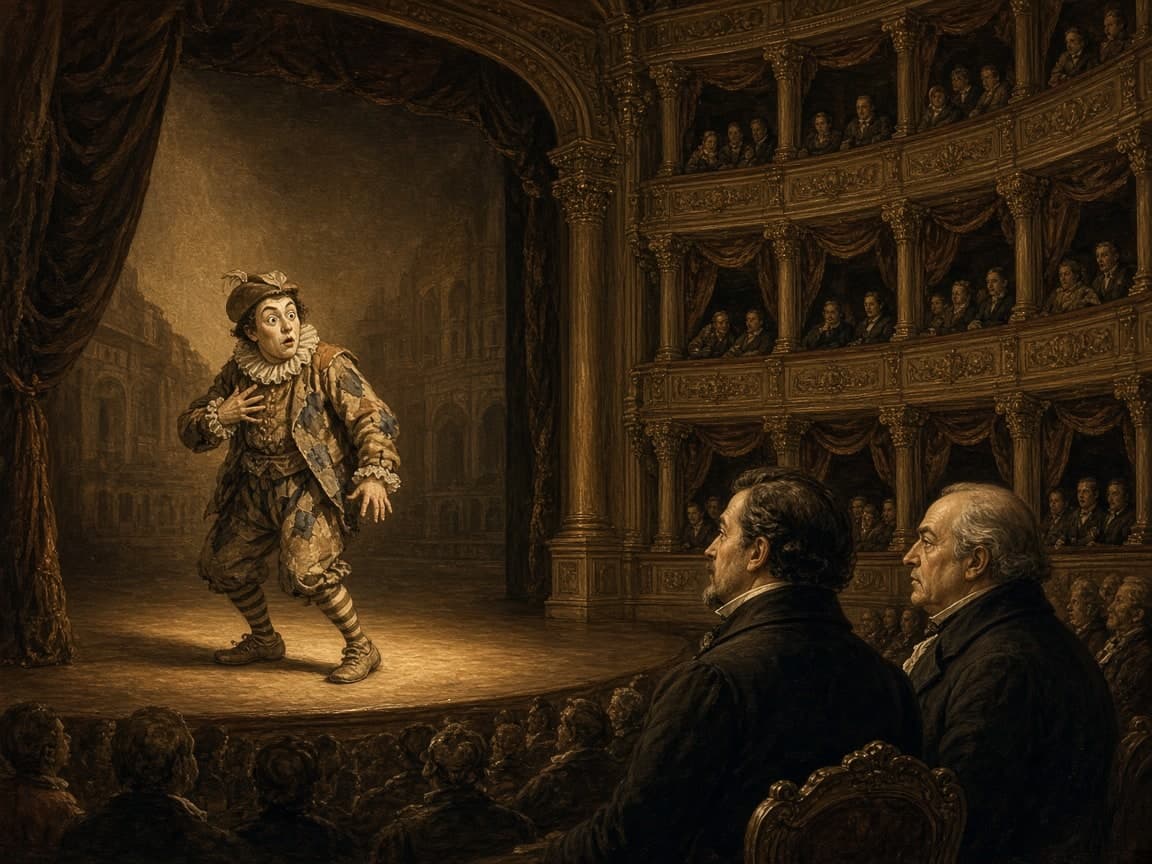
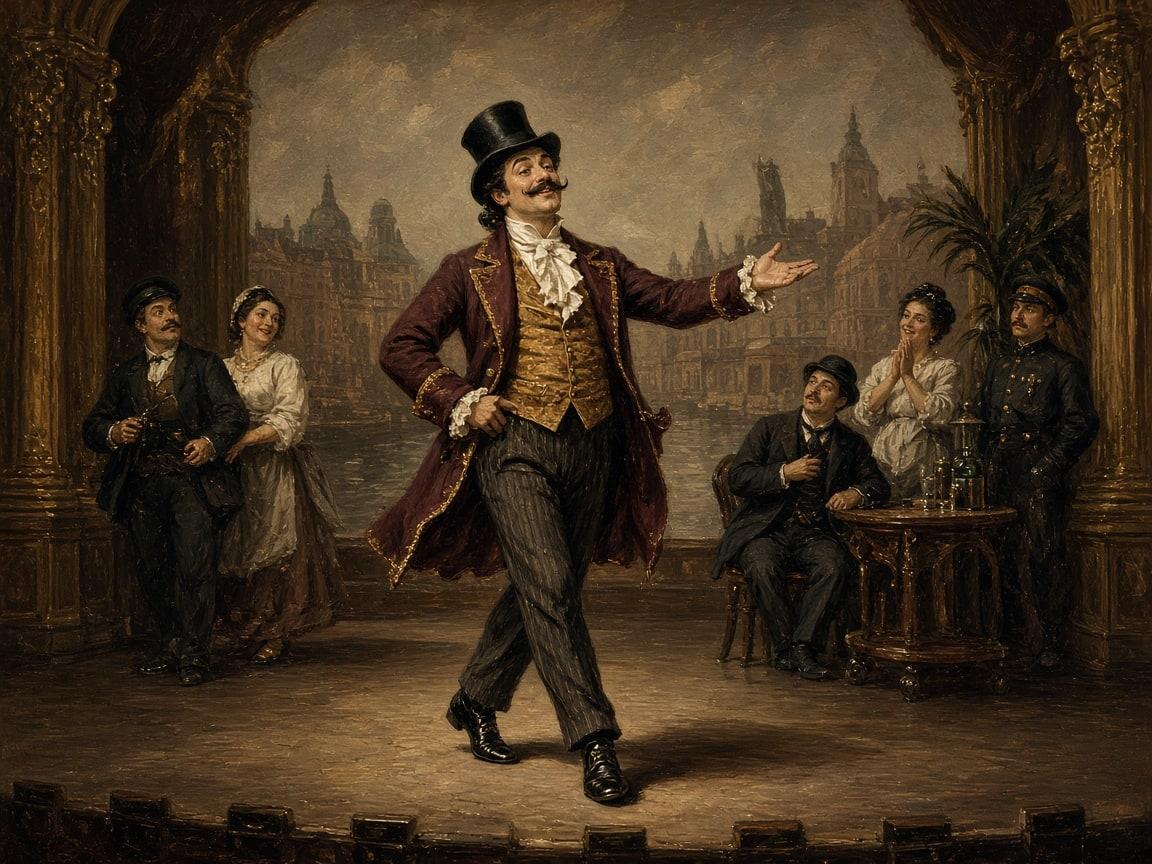
Kharkiv's theater staged the Italian comedy The Prince Chimney Sweep, Chimney Sweep Prince. In the front row sat two governors—the local one and his guest from Oryol, passing through…
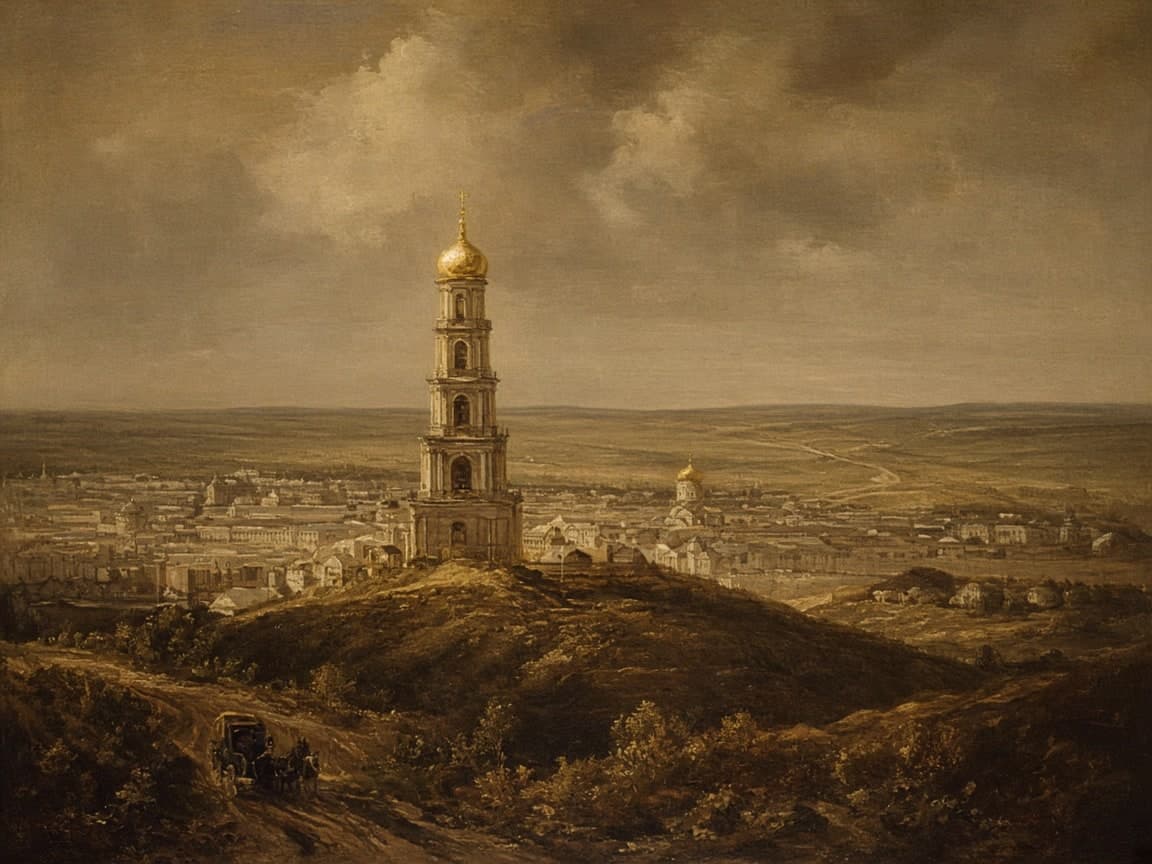
Approach Kharkiv from any side and you see the gilded dome of the Dormition bell tower. It stands on the high ground of University Hill. Some…
The famous poet and statesman G. R. Derzhavin coined this phrase for Count V. V. Orlov-Denisov. The young officer of striking looks and talent enjoyed the emperor's favor…
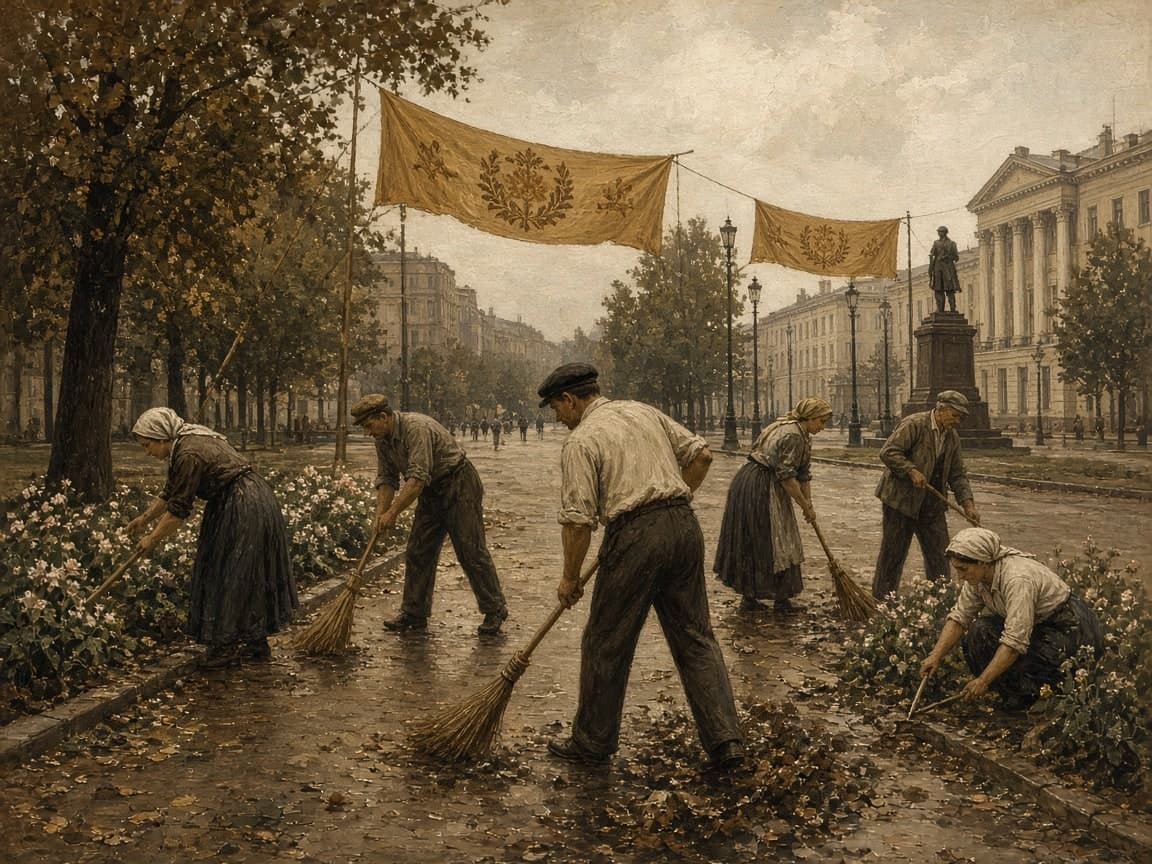
Every year in late August Kharkiv is spruced up—especially with two holidays: Ukraine's Independence Day and the local anniversary of the city's liberation from the German-fascist…
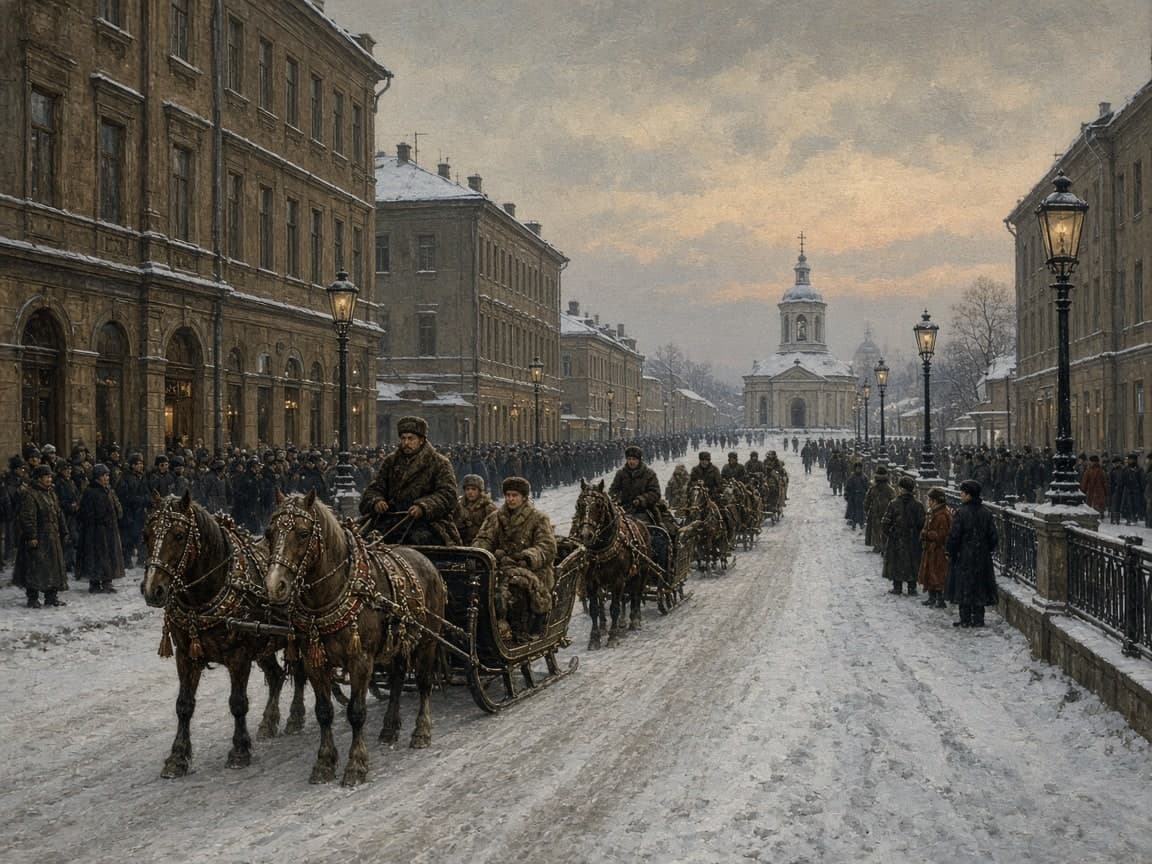
"In years past our Kharkiv rivaled Moscow in daring winter driving, and at the Epiphany fair on Yekaterinoslavskaya Street sleigh rides began daily from two in the afternoon. All who came to…
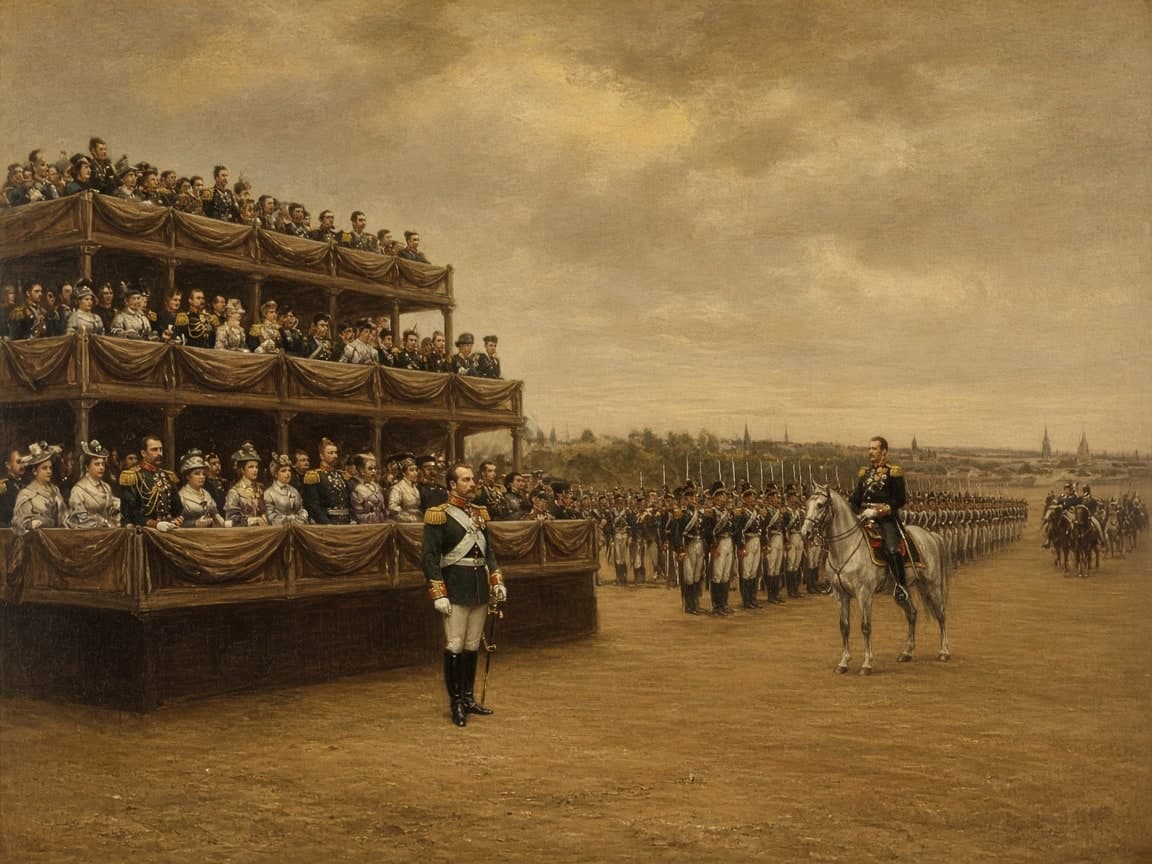
Nicholas I held a ceremonial review in Chuguyev. Tribunes rose three tiers around the vast parade ground. The crowd glittered with belles and young…
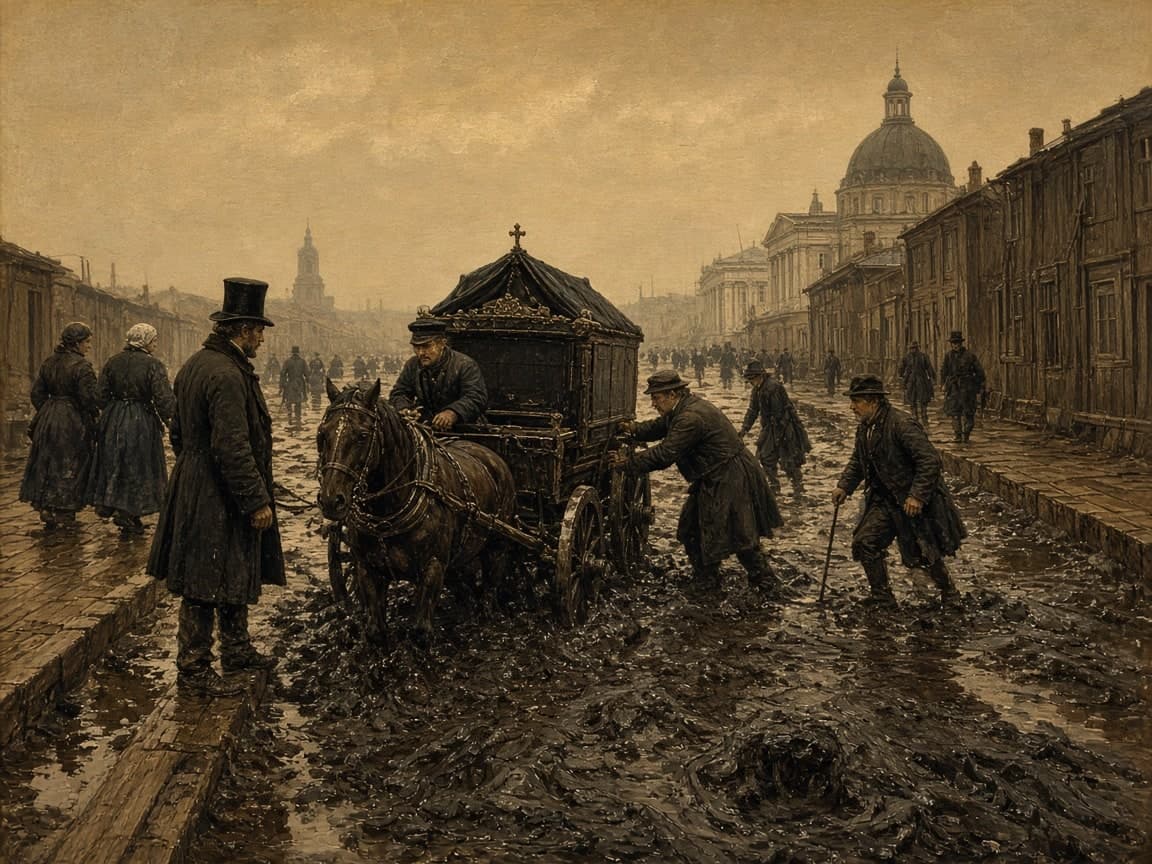
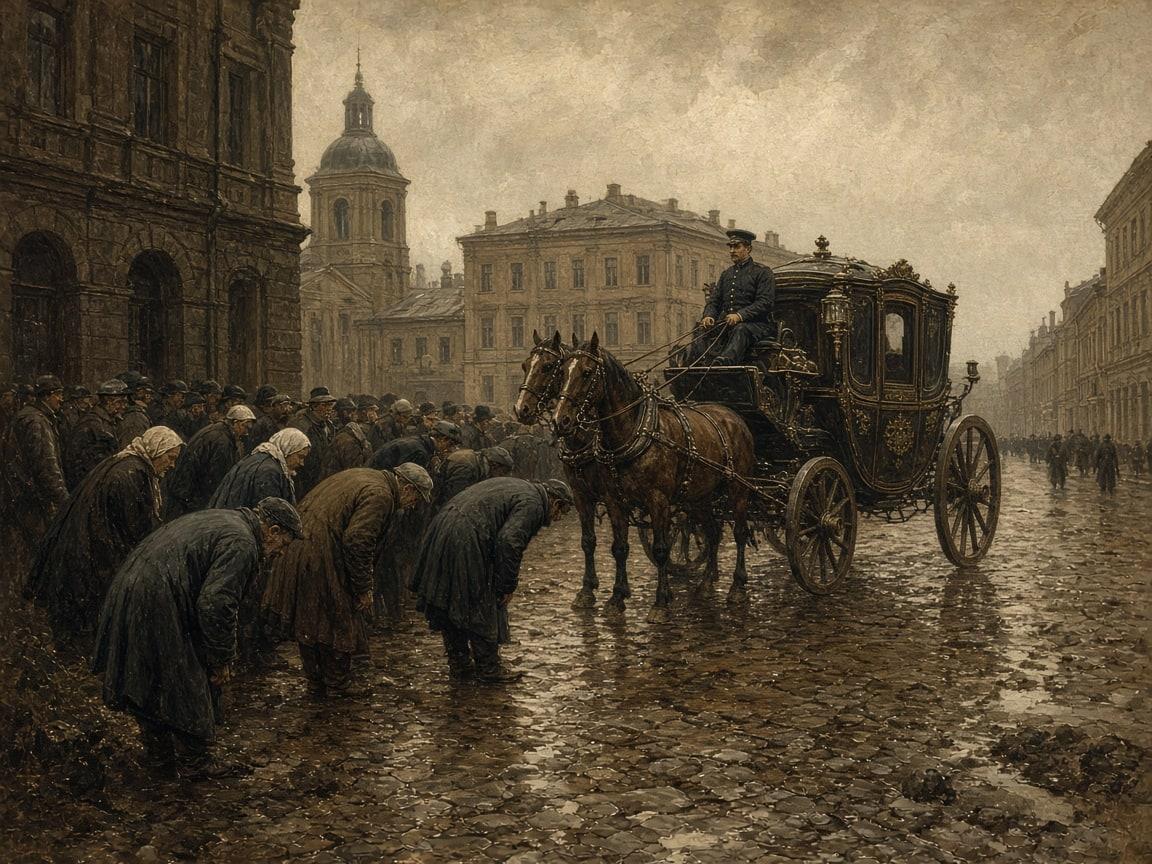
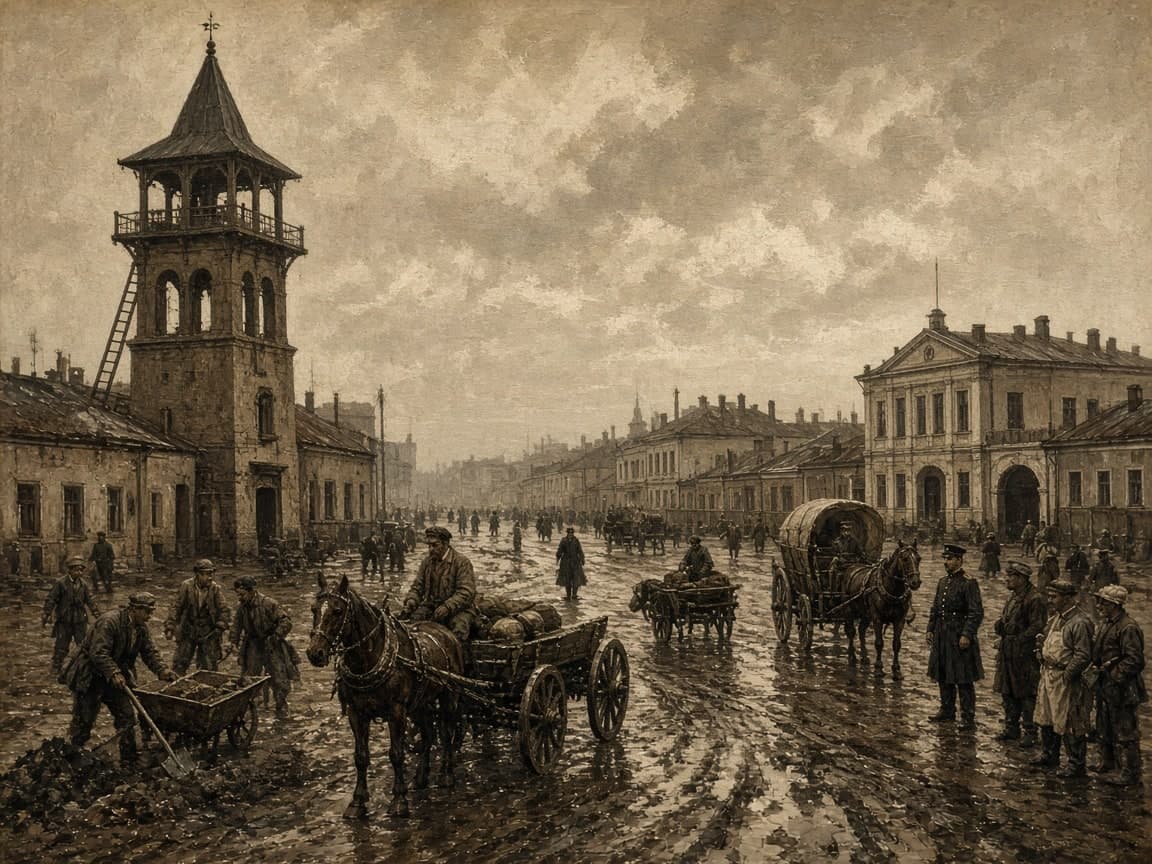
"A sandbox in summer, an inkwell in spring and autumn"—so one could describe our city nearly to the end of the nineteenth century. Kharkiv's mud, deep and lasting, was one of the main…
undated · Kholodna Hora
Every Kharkivite noticed the round square on ruler-straight Poltava Highway near the Theater for Children and Youth. Its shape is no accident. Once there was a basin here…
In the early nineteenth century the Sloboda-Ukrainian province was briefly led by Muratov, protégé of the all-powerful Count Arakcheyev. He patronized the muses and was a man of humane bent…
D. Pashkov was among Kharkiv's notable governors. Under him the city was actively improved: swamps were filled, bridges and ferries built, ditches dug for drainage, stone churches raised…
A laundress was returning home late with a basket of wash, accompanied by her twelve-year-old daughter. To shorten the way they crossed Myrrh-Bearers' cemetery (now on this…
"To the choirmaster of the Court Chapel, travel money for three to Poltava: for him, his assistant Palagin, and Gulak-Artemovsky, a student dismissed from Kyiv seminary"—so runs a record…
I marvel, creator, / At our tricky age: / Actor, poet, and committeeman / Are one and the same man. This epigram, attributed to V. Karazin, appeared in the 1830s and targets G. Kv…
G. Kvitka noticed shop signs and coats of arms painted in a distinctive hand. The artist was young Khamlo-Sokira. Finding undeniable talent in the poor youth, the writer…
A young man arrives in a provincial town; the authorities take him for an inspector, and uproar follows. Gogol's Inspector General? No—it is G. Kvitka-Osnovyanenko's comedy…
19th century · Osnova
At G. Kvitka-Osnovyanenko's funeral in 1843 his Russian friend, scholar I. Sreznevsky, said: "Remember, Ukraine, this grave: here lies one who, animated by love for you, your welfare, and your tong…
Ivan Kotlyarevsky of Poltava, without pausing work on his poem Eneida, wrote the plays Natalka Poltavka and Moskal-charivnyk. But where to stage them? His hometown had no theater. Then…
Mikhail Semenovich Schepkin first appeared on the Kharkiv stage in 1805 while still a serf. The first review was printed in our city in the Ukrainian Herald in 1819, noting his rare…
A Kharkiv acting company came to another town for the fair hoping to earn extra money. They arranged performances—then the governor's wife took a liking to a little dog that belonged…
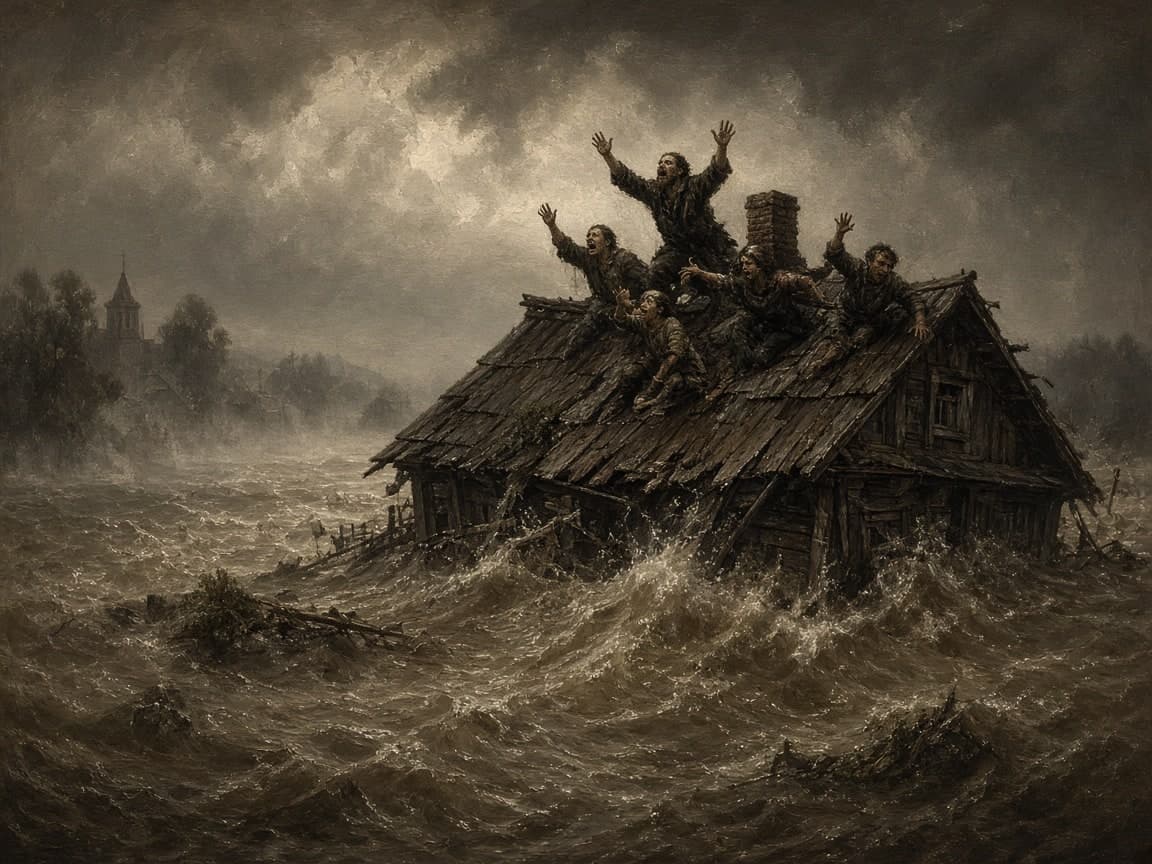
In the late 1830s Kharkiv province suffered several crop failures. Needing bread, the poorest folk flocked to Kharkiv and filled it with beggars. The simplest…
When finishing Kharkiv University, student Khrushchev publicly defended a thesis arguing that revolution was needed to destroy the old order and build a new…
Pyotr Petrovich Gulak-Artemovsky was a well-known writer of his day. He translated from Polish and French and wrote lyric poetry, but his original fables in…
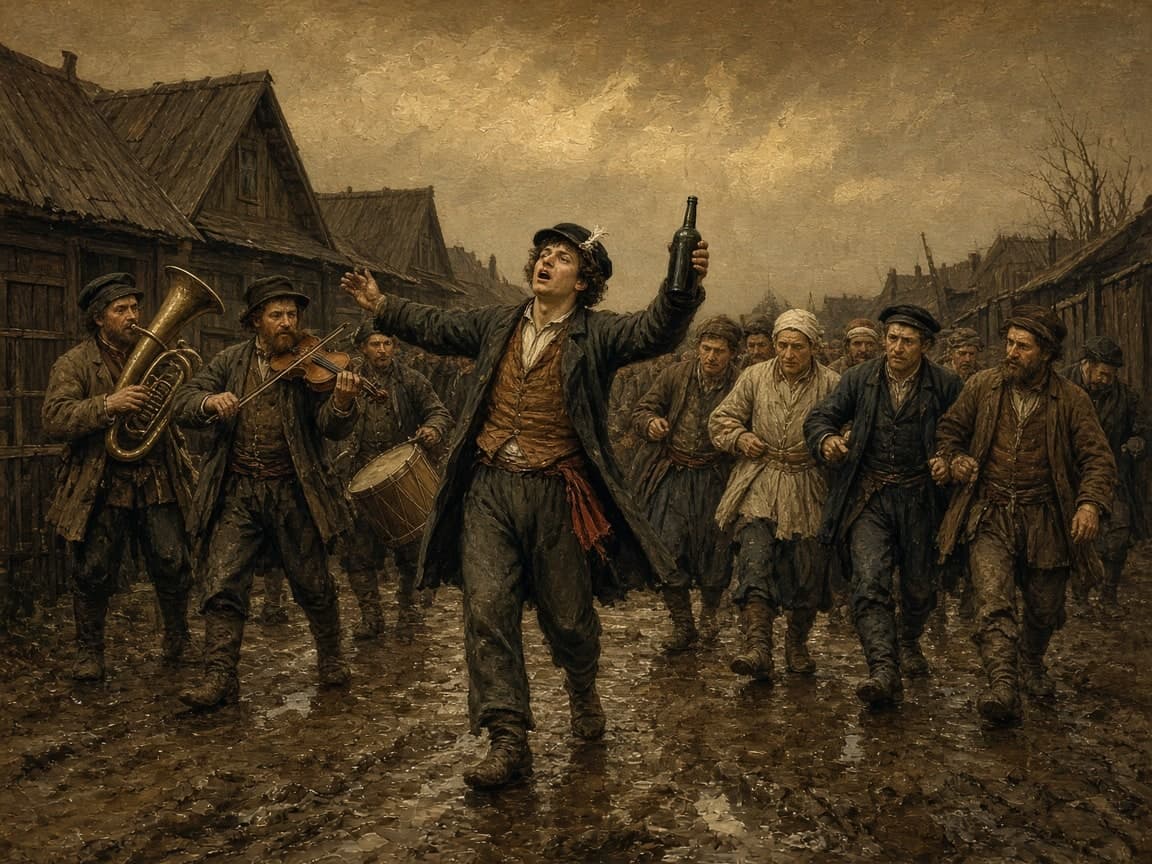
One often saw this scene: with street musicians, a procession moved through town or village. Up front—a drunken lad; behind him, men and women of all ages…
19th century · Pavlove Pole
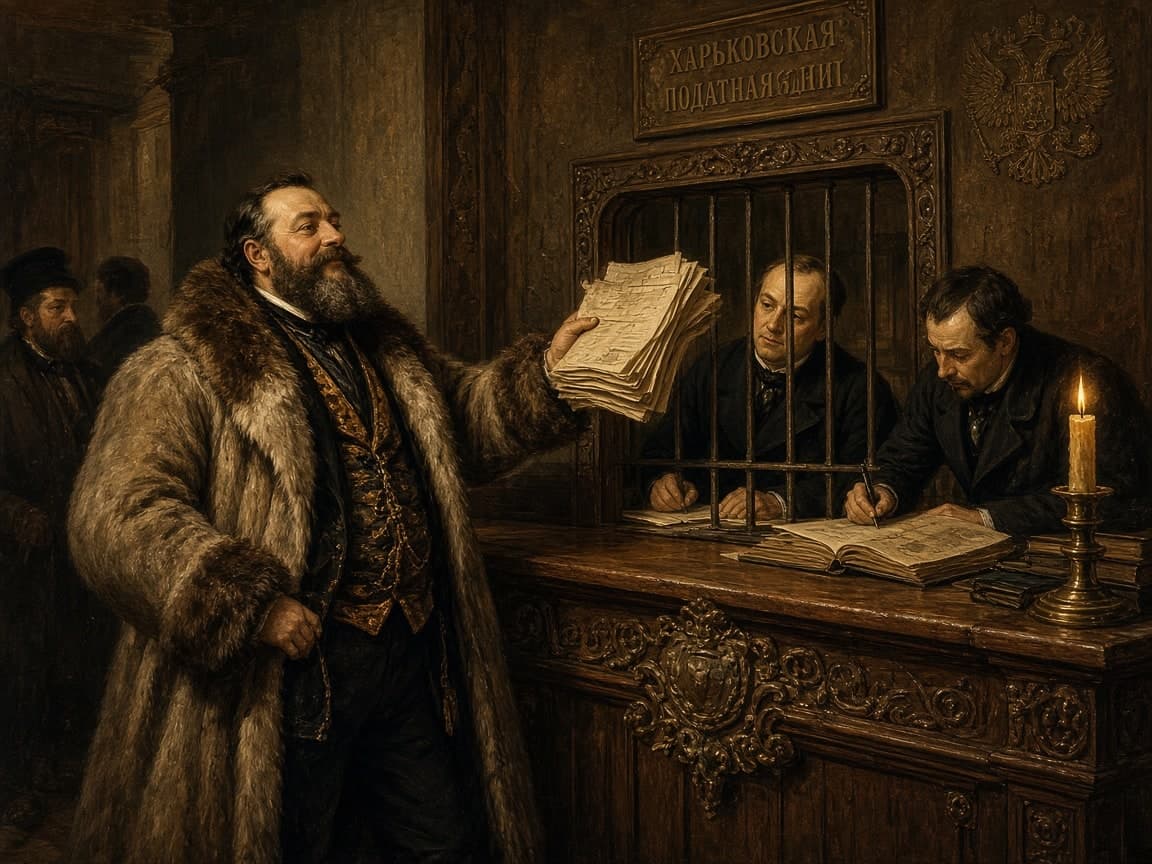
Imagine a merchant reporting his income to the tax office—not understating it as one might expect, but inflating it. Why? What is the point? By displaying wealth…
Merchant Zhyvotovsky sold hats and cap goods in Shlyapny (now Soviet) Lane. Short, pockmarked, lively and nimble—his whole look and character recalled a mac…
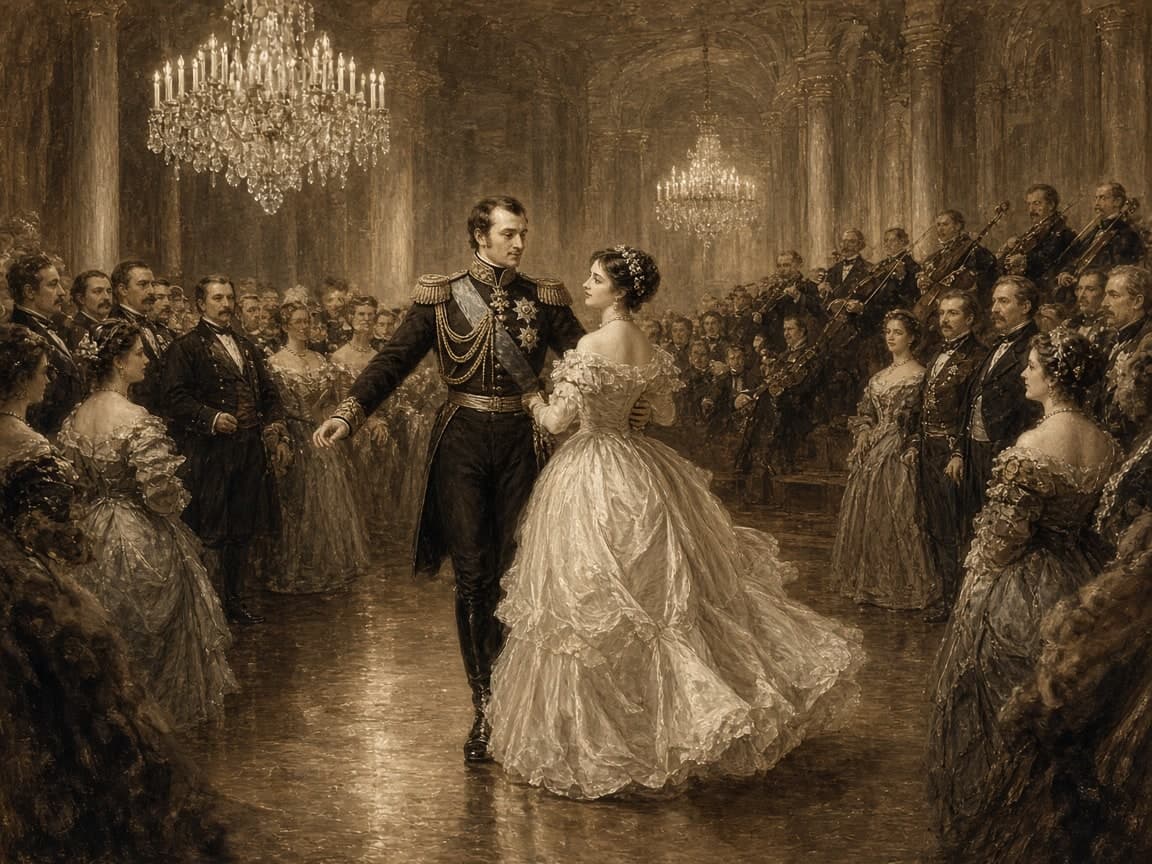
His Majesty danced the first figure of the mazurka with Miss Okonechnikova, whose beauty and wit impressed him. Approaching her father, a first-guild merchant, the sovereign said: "N…
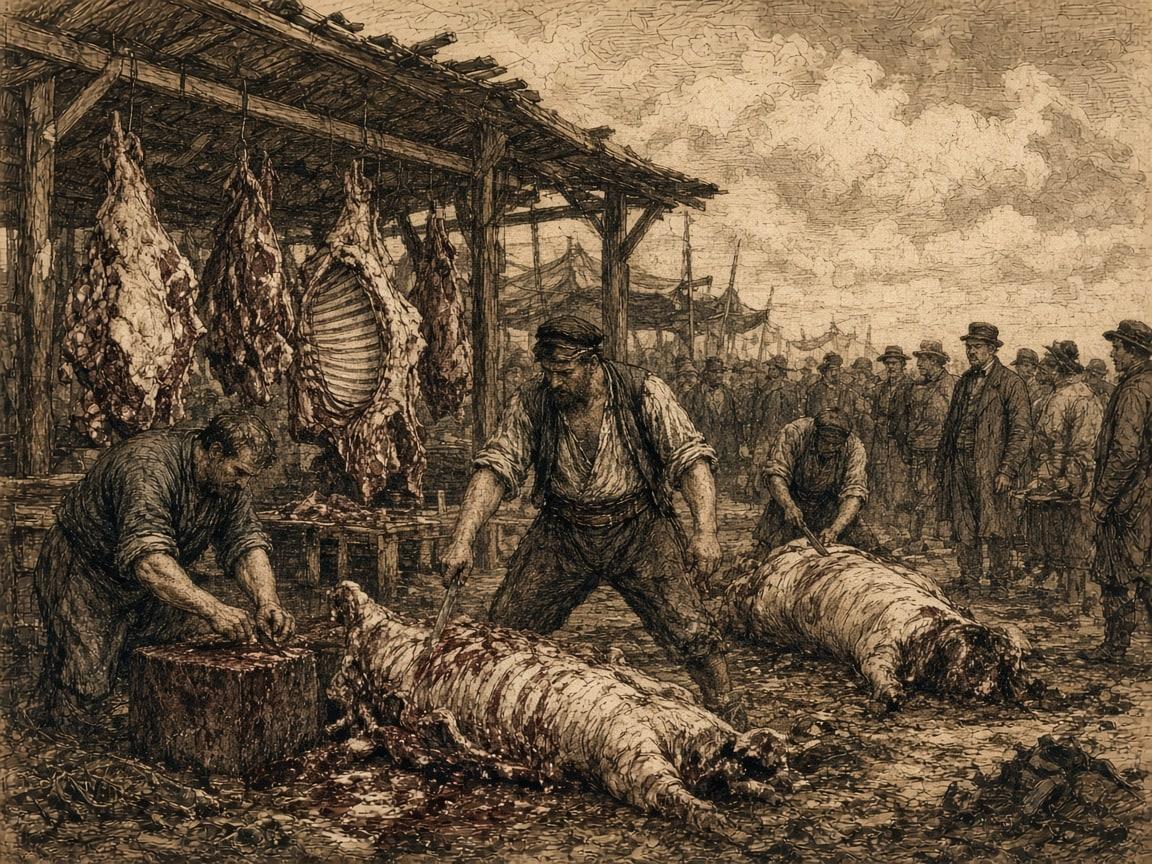
Strange but true: Kharkiv butchers habitually slaughtered and cut up cattle right at their market stalls, tossing the offal… under the counter. Small wonder then…
undated · Pavlove Pole
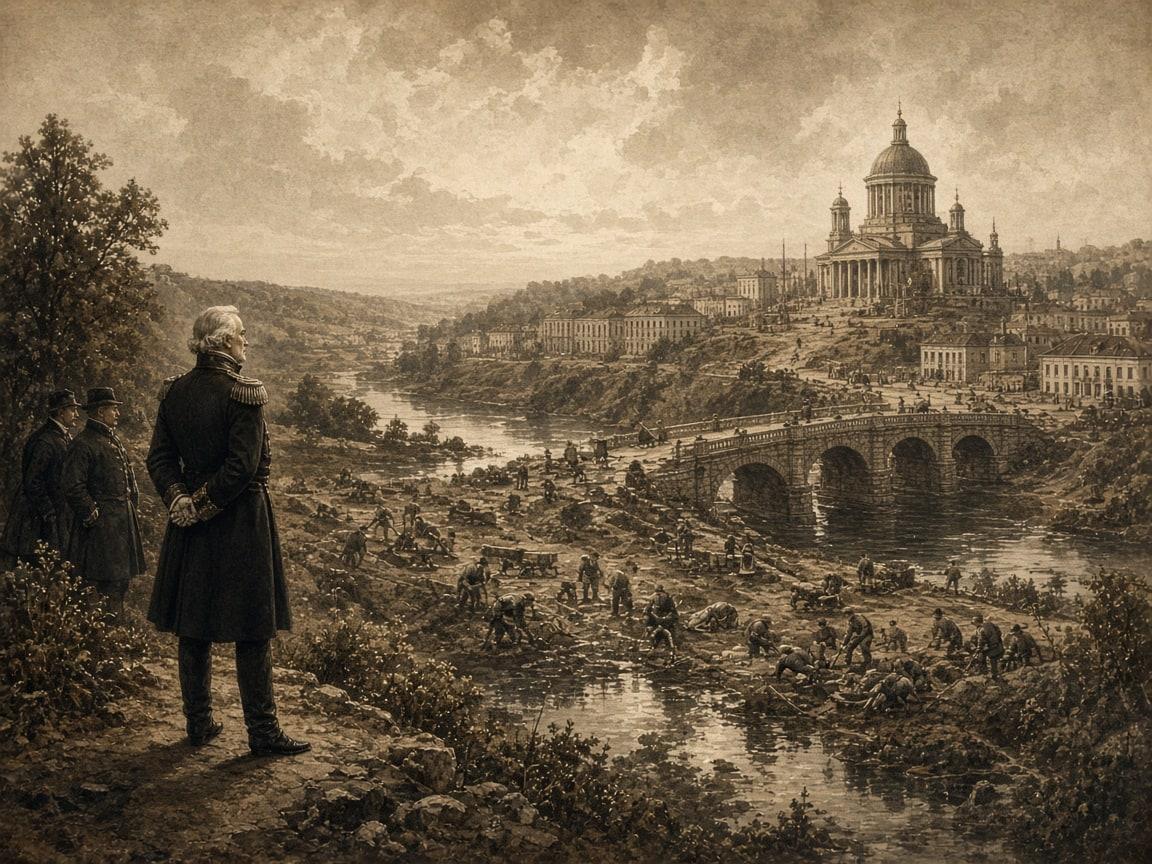
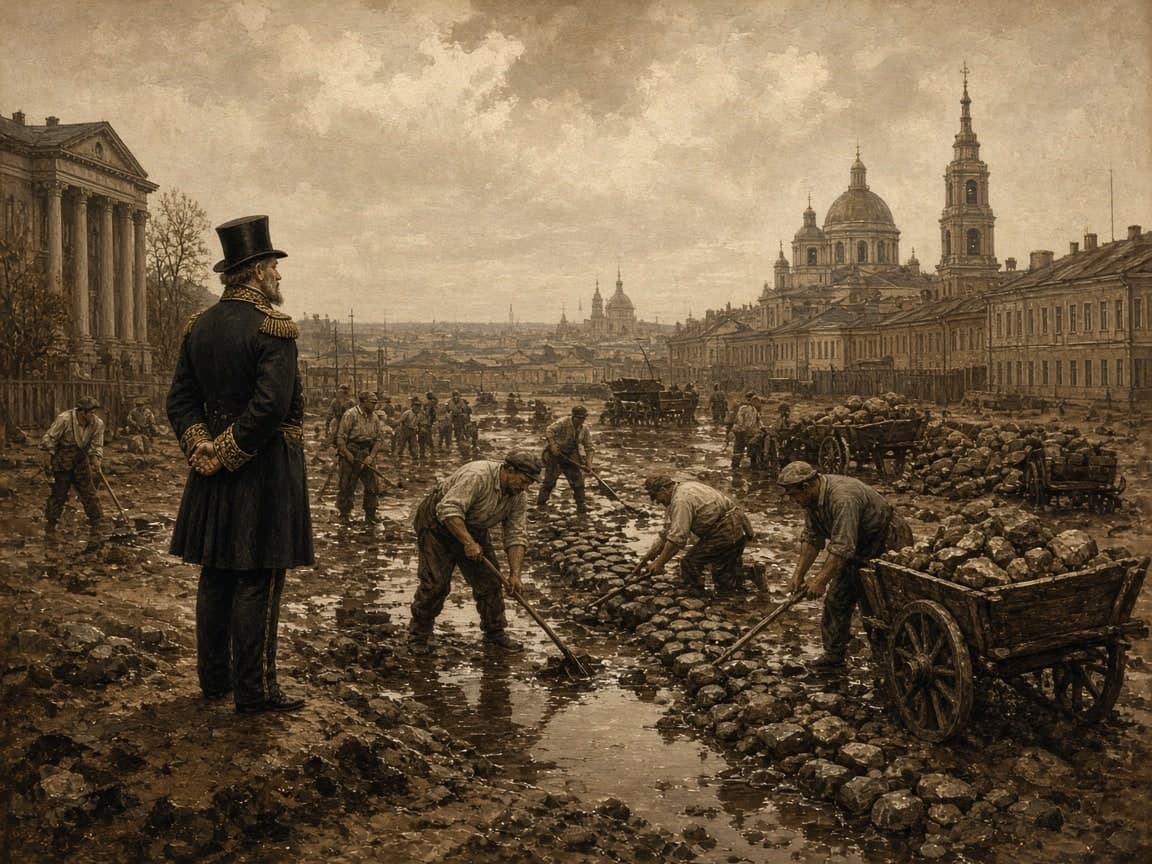
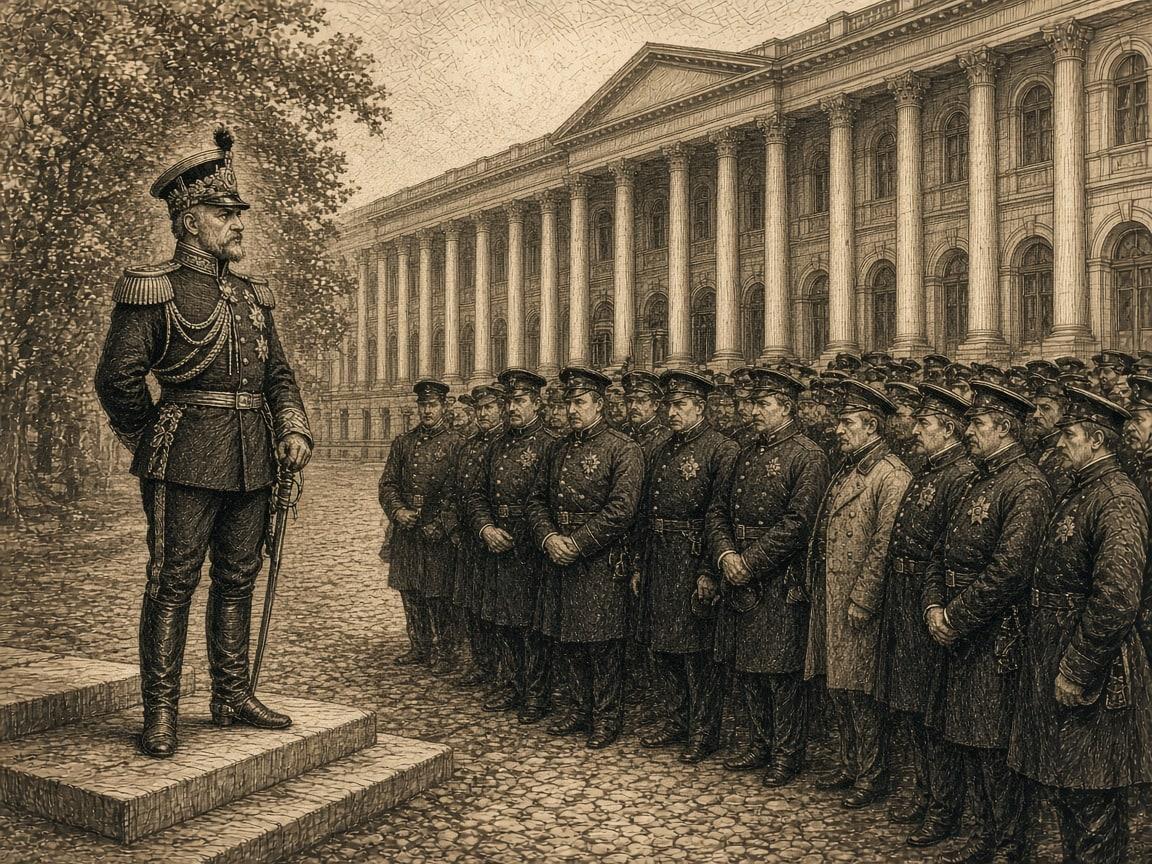
"Pull Kharkiv out of the mud for me," Nicholas I told S. A. Kokoshkin when appointing him governor-general. The emperor, fond of our city, was tired of seeing it sunk in impassable mire. Having received…
Sober and practical, S. Kokoshkin began cleaning up the city… starting with the police and bureaucracy. Then long troubling questions surfaced: where, for example, did a secretary get…
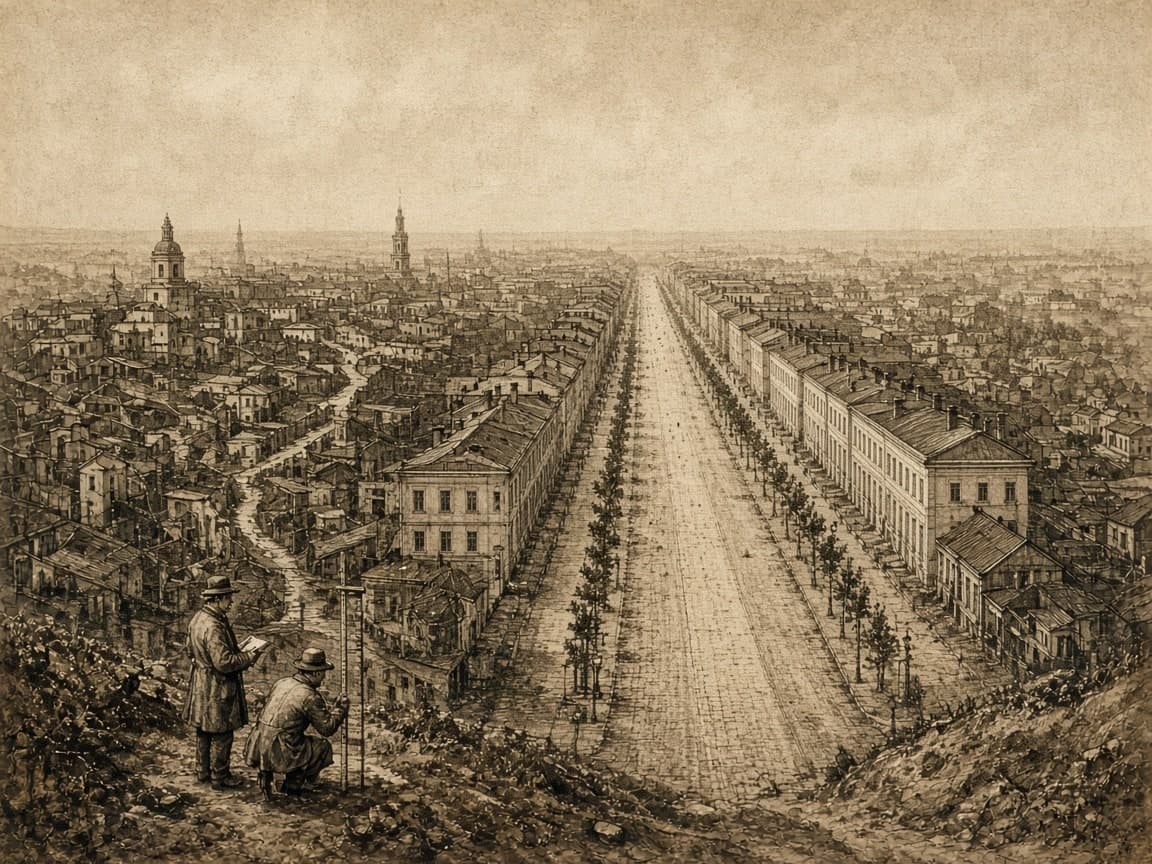
Kokoshkin's eye could not abide crooked lines, especially in the city layout. Nothing stopped him. He turned to the main streets, above all…
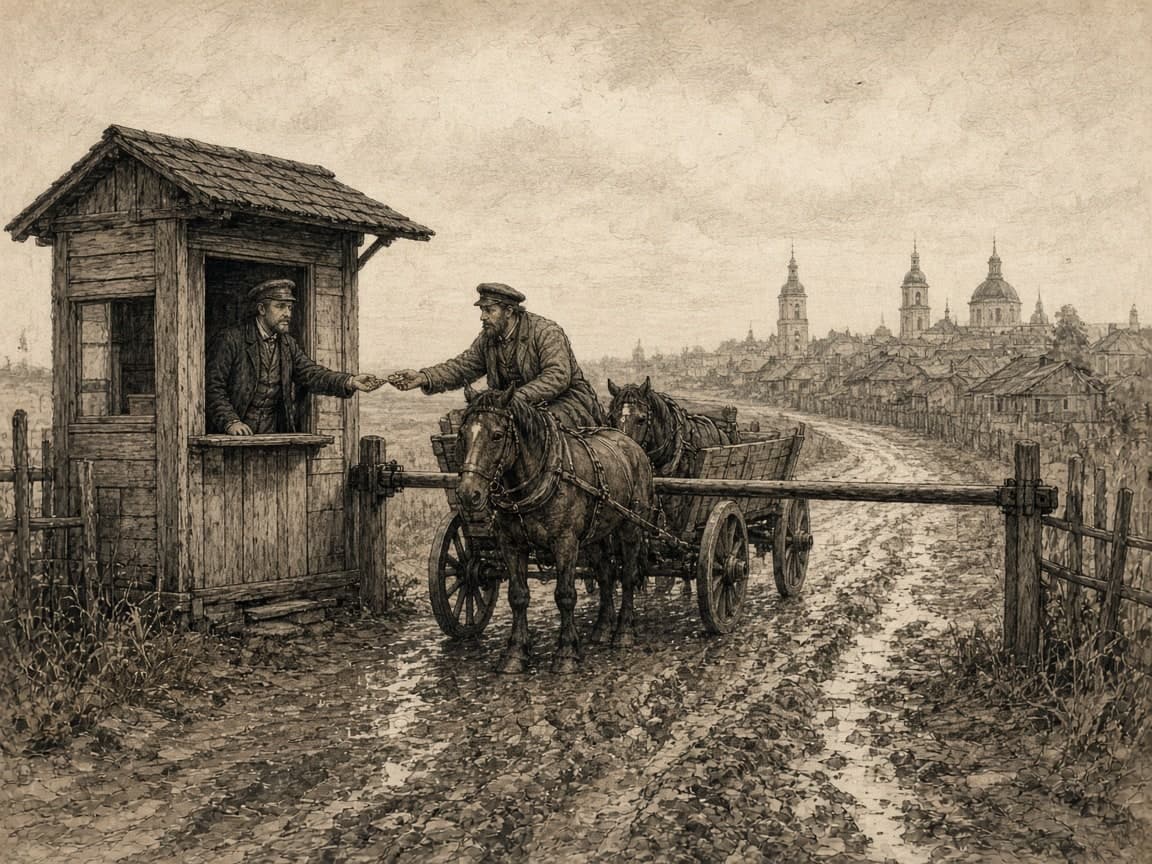
Carrying out the emperor's order to pull Kharkiv from the mud, Kokoshkin set about repairing sidewalks and paving streets. He decided to cobble them every summer without pause—not only central ones but…
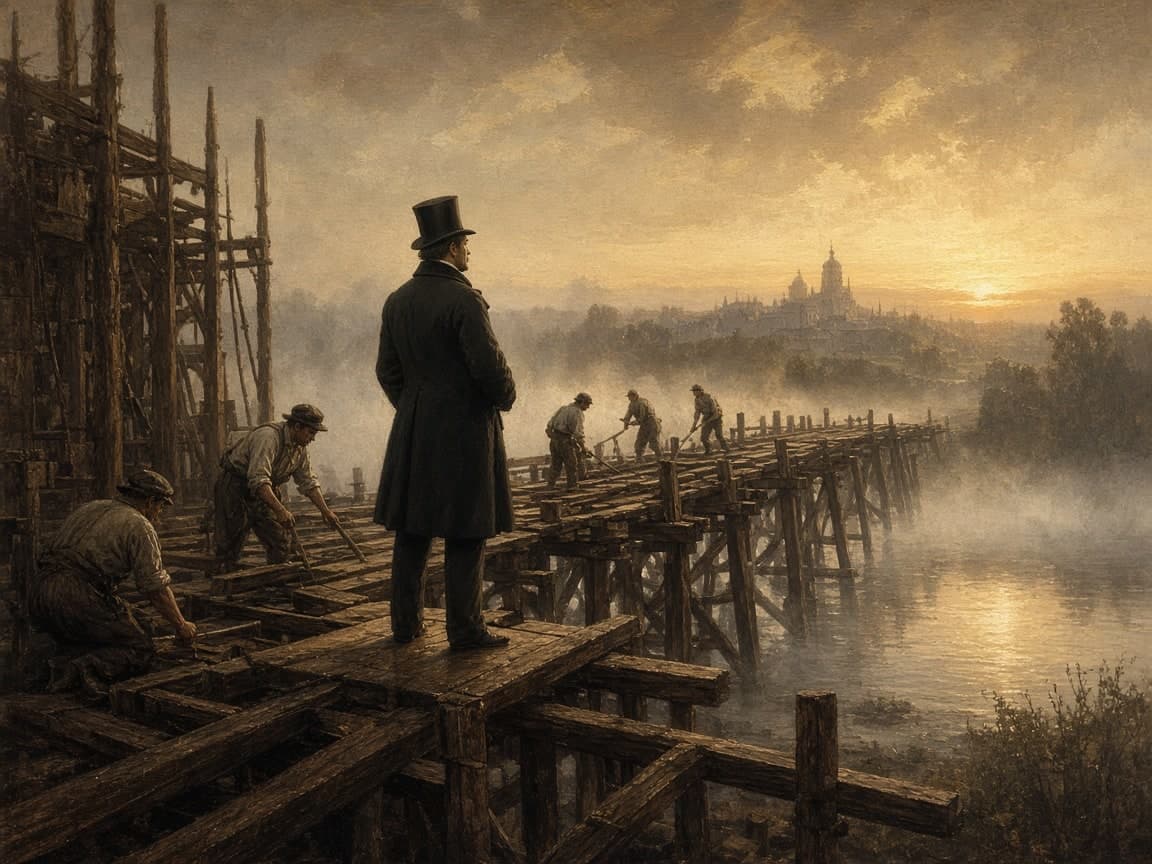
From memoirs: "Early each morning one could see Sergey Alexandrovich at the works, especially when bridges were built, accompanied by their ever-present superintendent, Captain Paly…
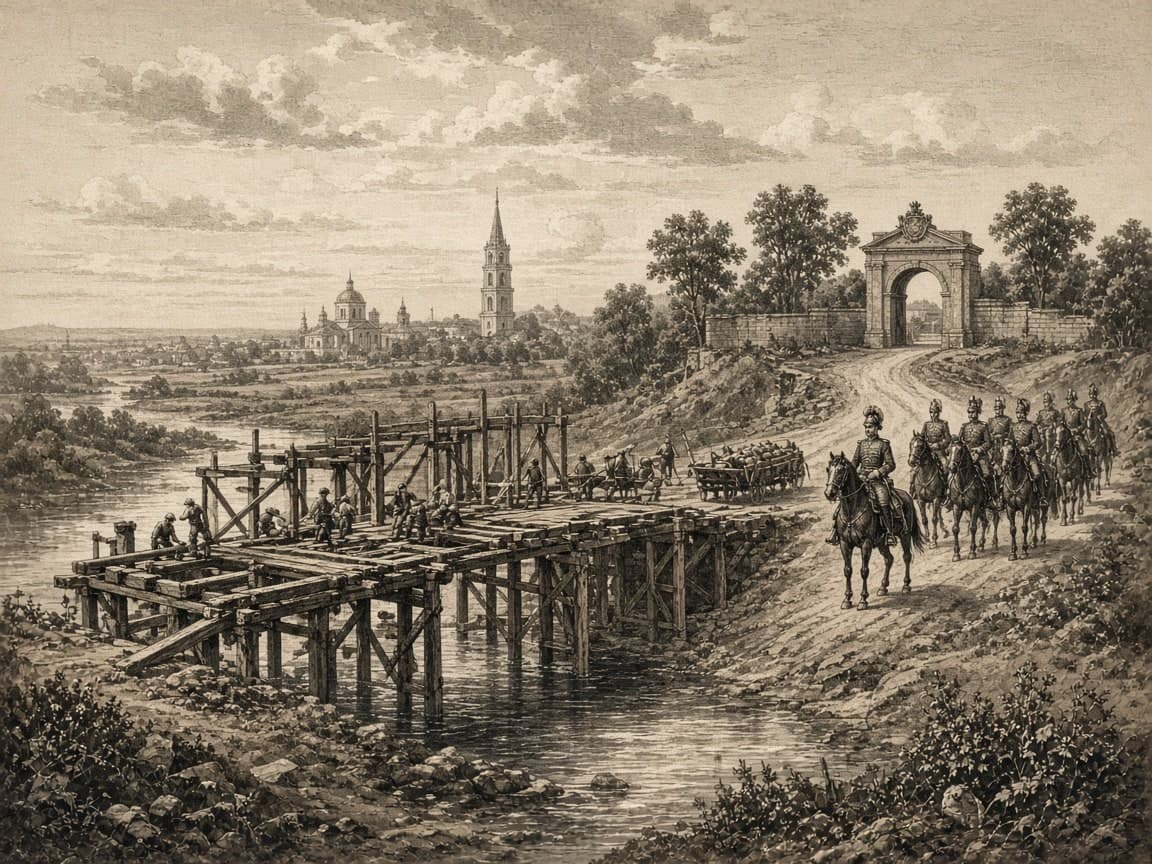
The general long planned a new bridge over the Kharkiv River—especially since the emperor entered the city at that spot. Knowing the governor's exacting ways, local merchants were loath to take the contract…
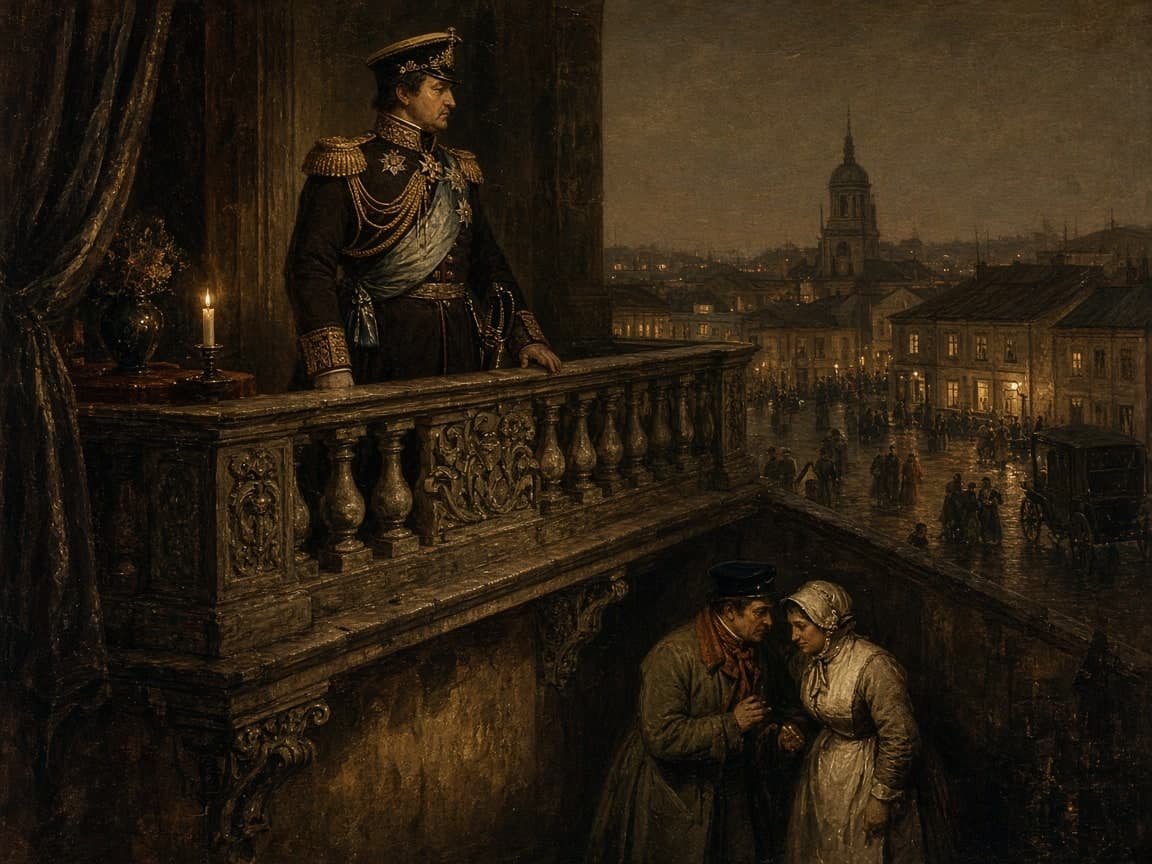
Following his all-powerful sovereign's example, the general personally watched over his subjects' morals. He had a lackey named Martin; his wife the general's lady had a maid, Euphemia. These…
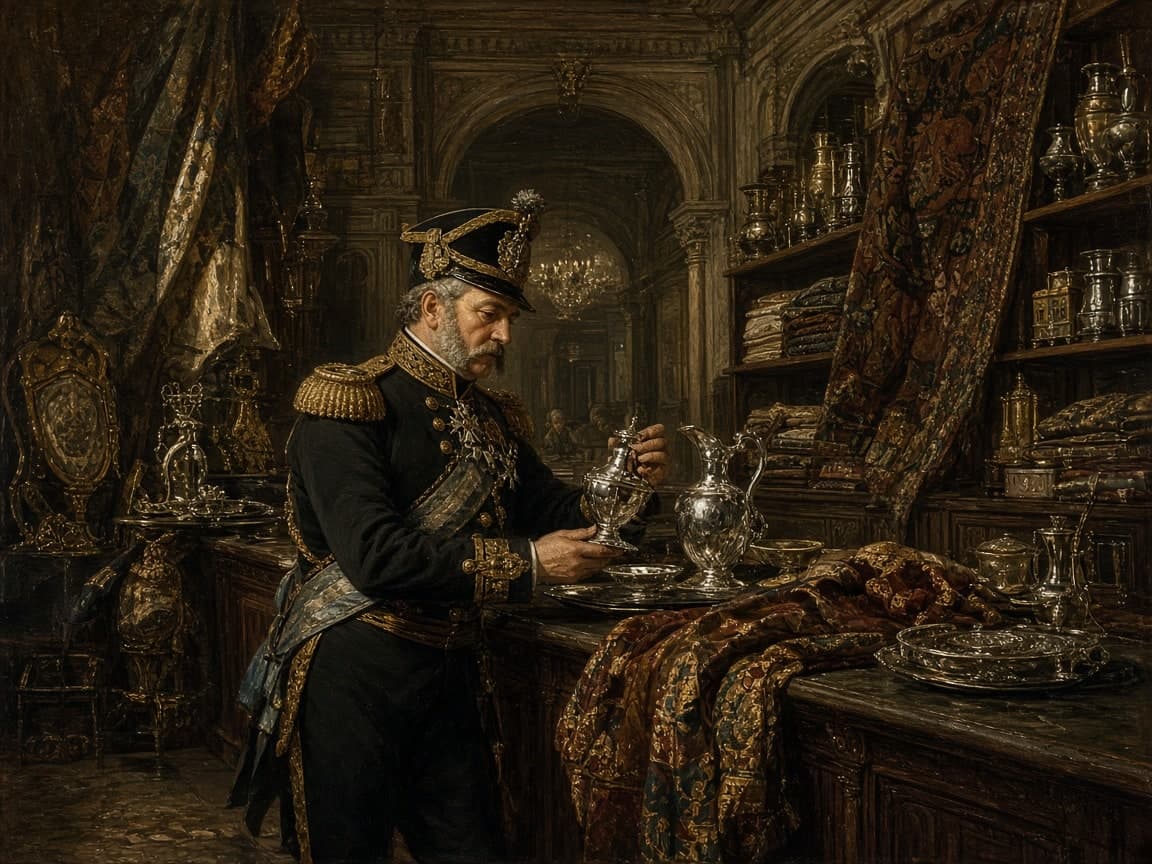
Merchant Bolotov's shop sold luxury goods. Kokoshkin dropped in one day. He slowly sifted through items, examining and rearranging each. He lifted one of…
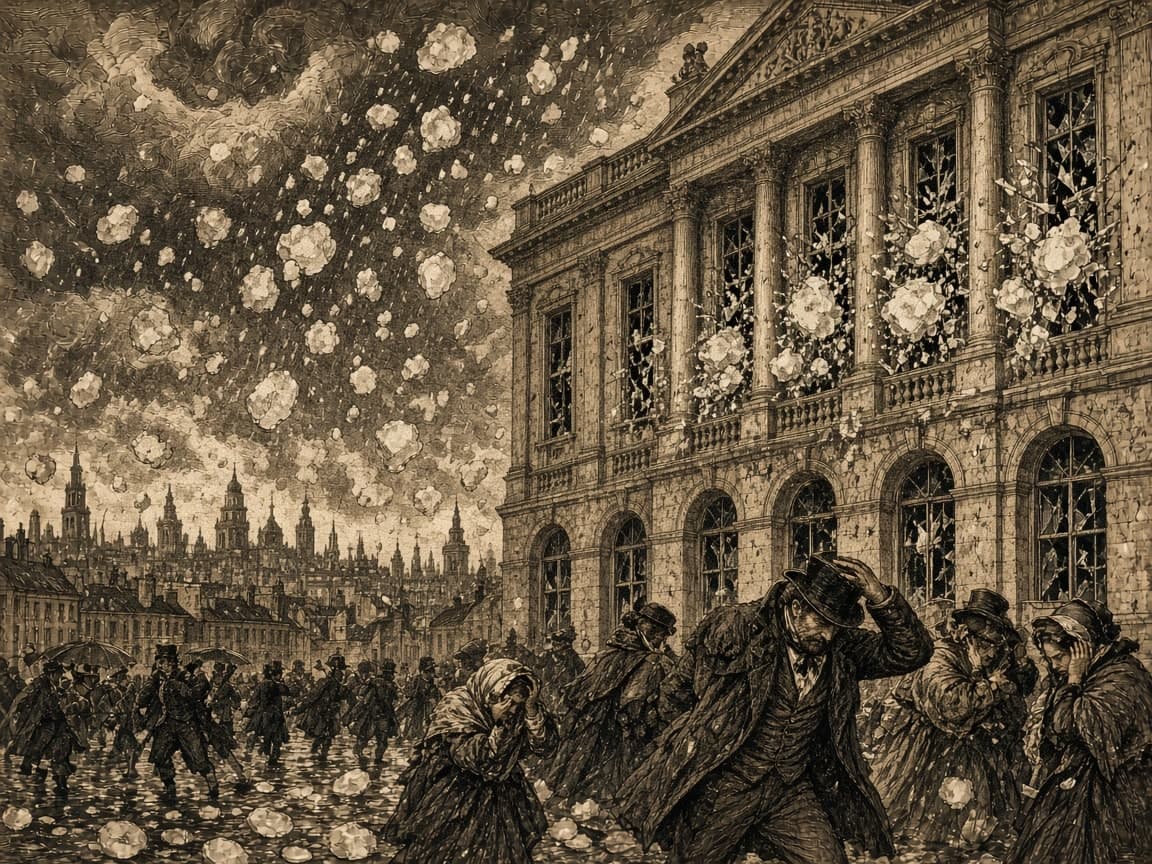
In 1852 Kharkiv was hit by hailstones as large as hen's eggs. Glass shattered at the Institute for Noble Maidens, the gymnasium, government offices, and most city buildings…
At last the merchants' and rich traders' patience broke under the city's master's harsh, coercive ways. They conspired and drafted a petition to the throne. On behalf of all citizens…
In 1856 Kokoshkin was transferred from Kharkiv to the capital as a senator. Passing a building under construction in St. Petersburg, he entered out of curiosity and his passion for building works…
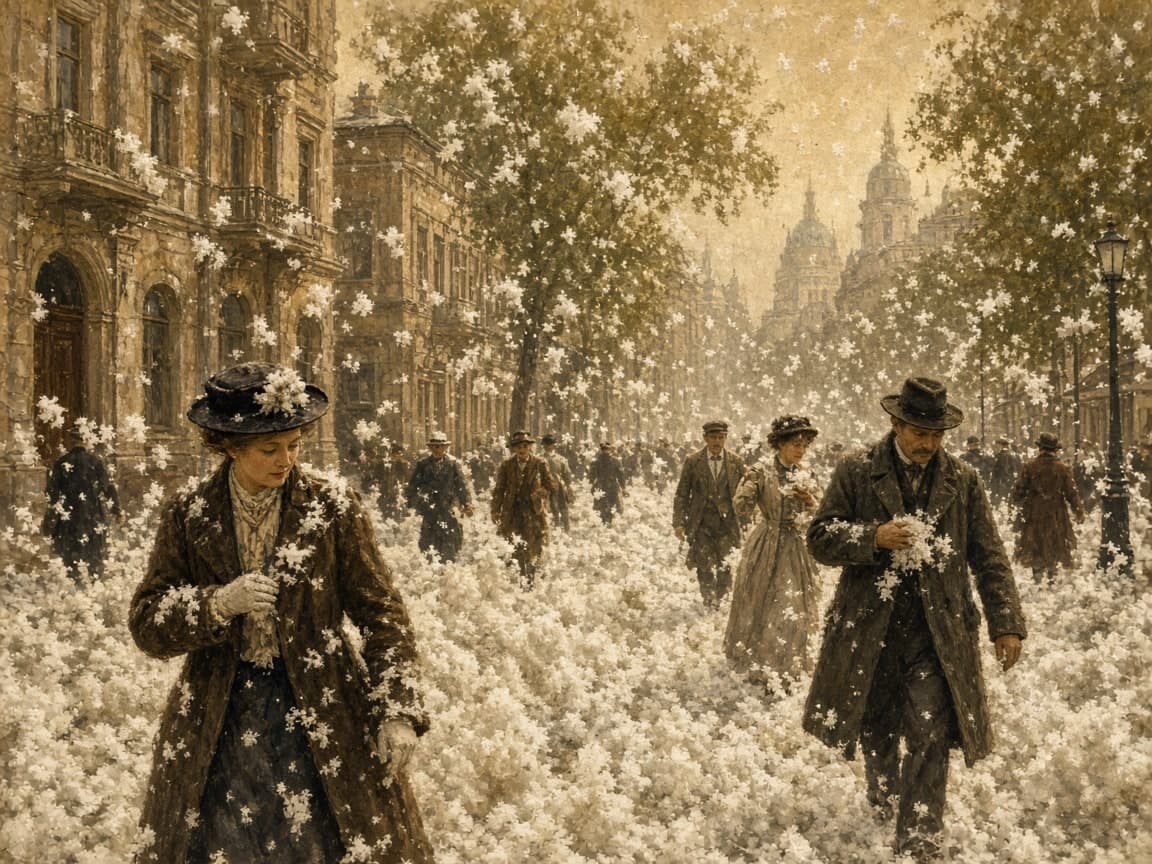
Each spring Kharkiv is covered in white poplar fluff that triggers allergies and delights children who set it alight. The tree is hardly native to our city. In…
"Amid vast steppes, in many places still virgin, untouched by the plow and silvered with feather grass, in a purely agricultural province without industry and thinly settled, when…
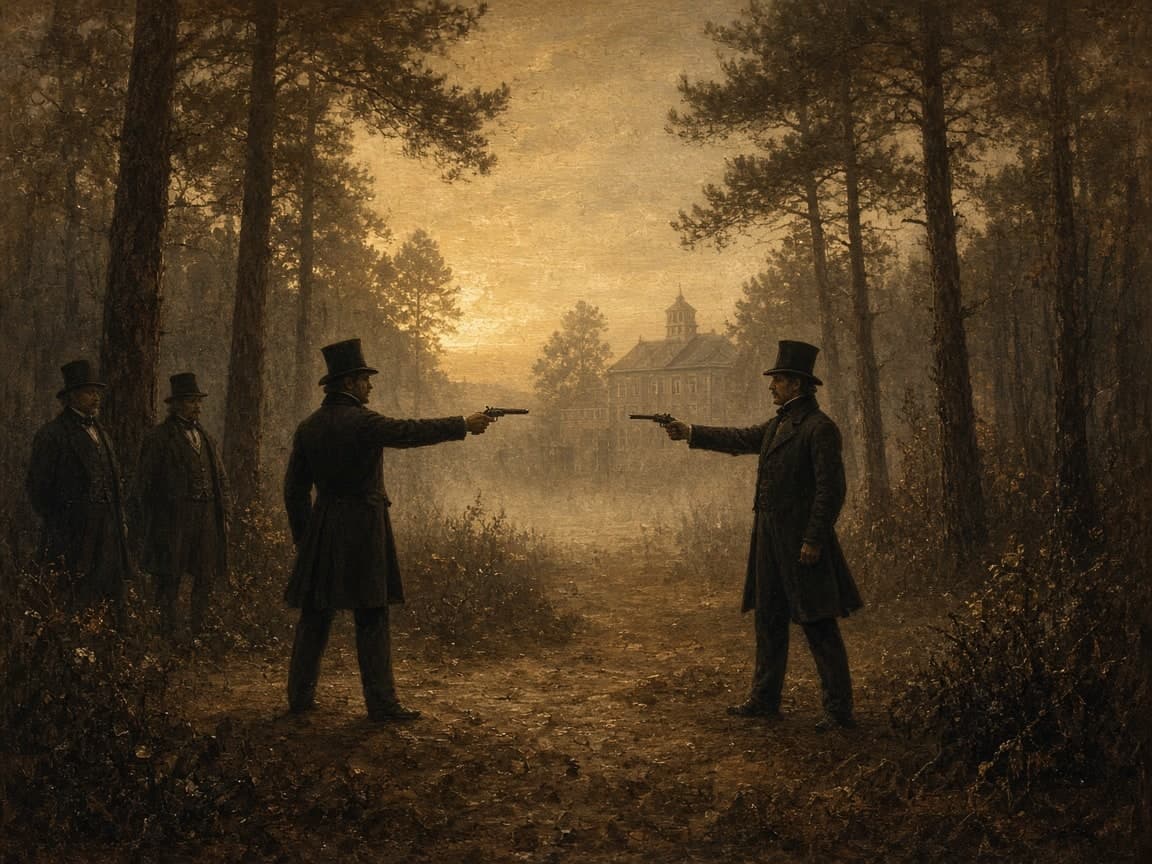
A duel was fought in the Osnovyansky woods between a school supervisor and a geography teacher. The cause was their employer's wife, head of a boarding house on Zmiyevskaya Street (now Prospekt G…
Actor and leading organizer of Kharkiv theater in the mid-nineteenth century, L. Mlotkovsky was so devoted to his craft that a contemporary wrote: "Hardly had he appeared in Peter…
Kharkiv audiences who came to see the famous St. Petersburg actor V. Samoilov were astonished. In one scene his character was to dialogue with another role, in…
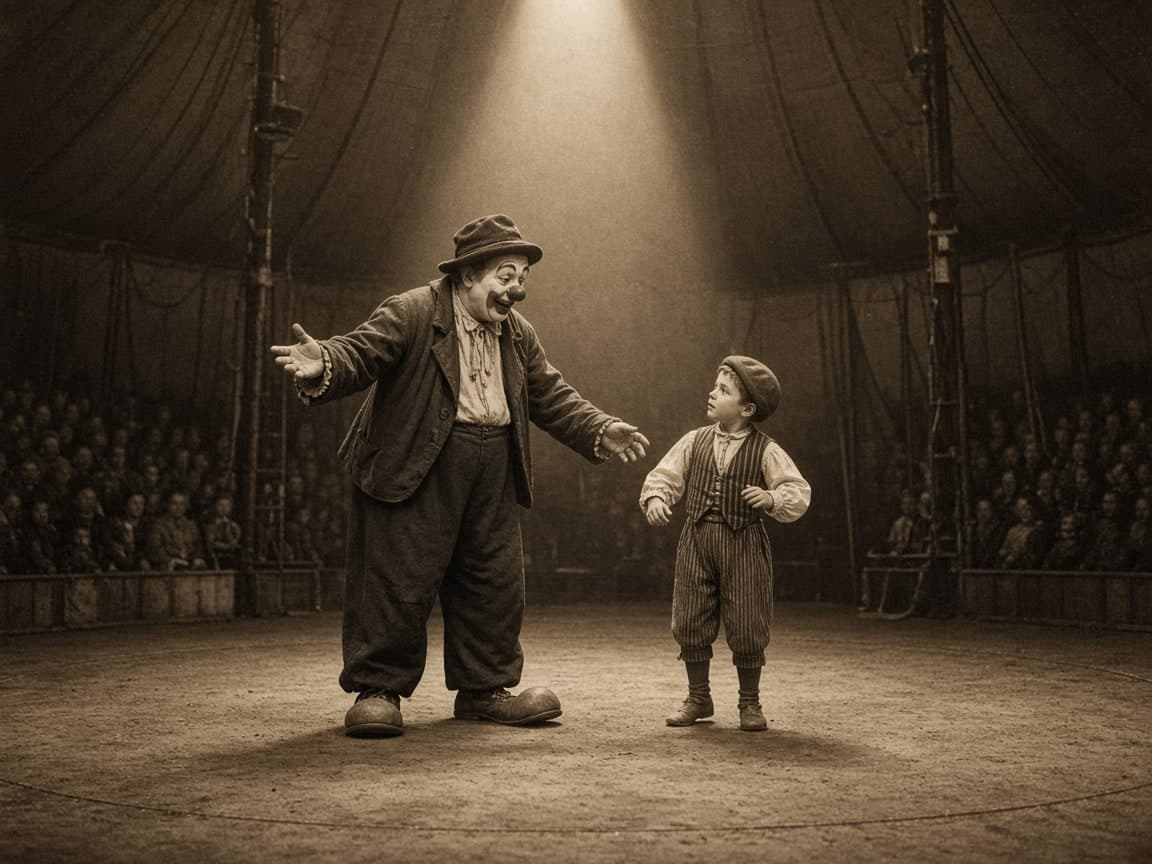
From time to time a circus came to Kharkiv—a motley traveling troupe of clowns, acrobats, and riders. It put up a temporary booth on Mykhailivska Square. To draw more spectat…
Limov, a merchant risen from clerk, first traded brocade, then fashion goods and wool, shipping large consignments to Moscow and St. Petersburg. In Moscow his buyer was a famous cloth manufacturer…
Odessa once had porto franco—import without duty. Among the goods were Dutch cloth, costly teas, bronze wares, lace…
Kharkiv had a dashing coachman, Akim Bazhenov. Unlike his fellows he was neat, well dressed, and owned his troikas. The horses were always groomed, harness hung with silvered plaques…
Merchant S. K. Kostyurin traded in wine. In his basement • there was a whole chemical laboratory. Wonders were worked there: plain wine turned into port and sherry, white — into Lafite and Chablis, red —…
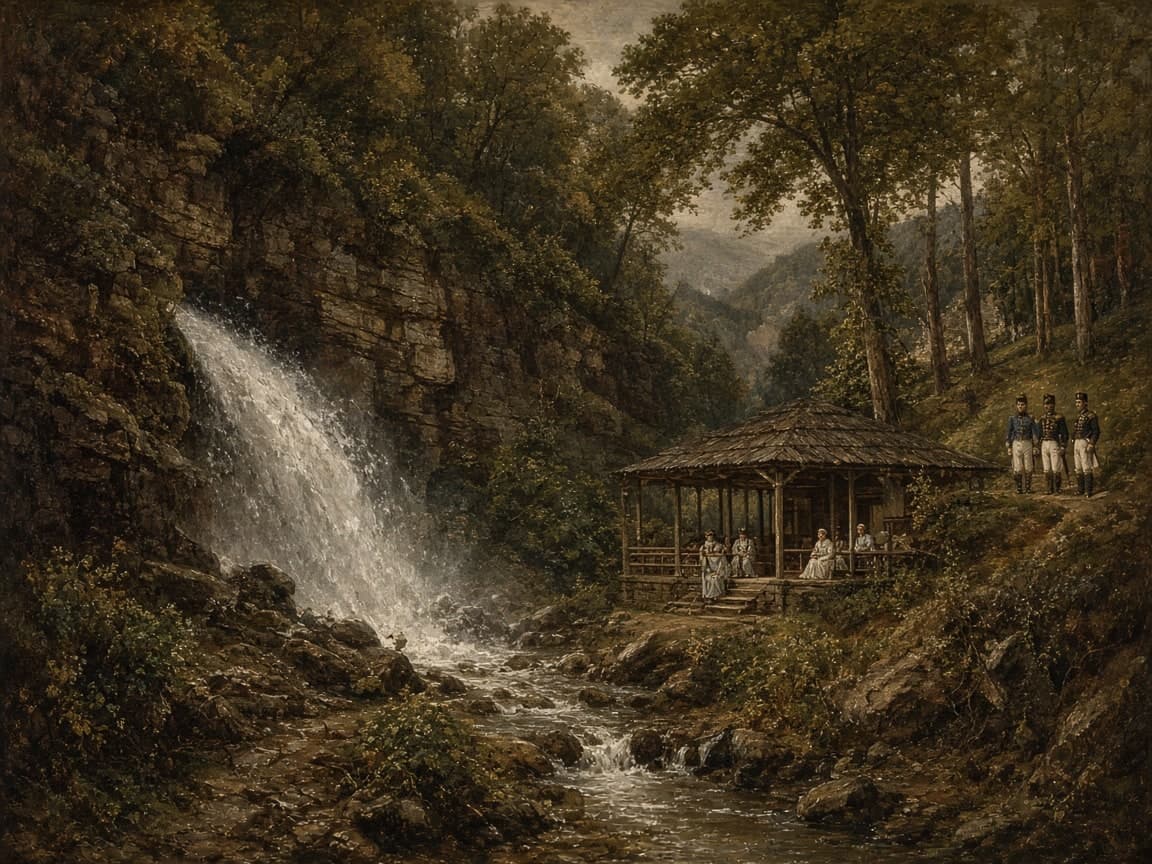
In a hollow overgrown with forest, a powerful icy spring gushed from a sheer cliff face. The water was deemed healing, and with Nicholas I's permission (Kochetok lay within military settlement limits) a sanatorium was built there…
At the resort in Kochetok near Chuhuiv rested the wealthy landowner Sineshchekov. He belonged to an old family whose founder Peter the Great had known personally. On holiday his son Vladimir, who was serving…
This governor's influence on local life showed itself less in Kharkiv's public improvements than in Kharkiv manners. According to the historian D. Bagaley, under Count A. Stroganov our city…
Of Kharkiv Governor Nikolai Dolgorukov (of an ancient princely line) a contemporary left these memories: "A grandee in the full sense and a sybarite, yet a kind man who wished harm to no one…
In the mid-1850s the artist V. Mechnikov appeared in Kharkiv. He stopped here en route from St. Petersburg to his wealthy parents' estate in Kherson province…
undated · Industrial district
The fine mansion on Darwin Street (formerly Sado-Kulikovskaya), now home to the Architects' House, once belonged to the wealthy merchant Ryzhov. He was a horse breeder and founder of a rail-and-ware…
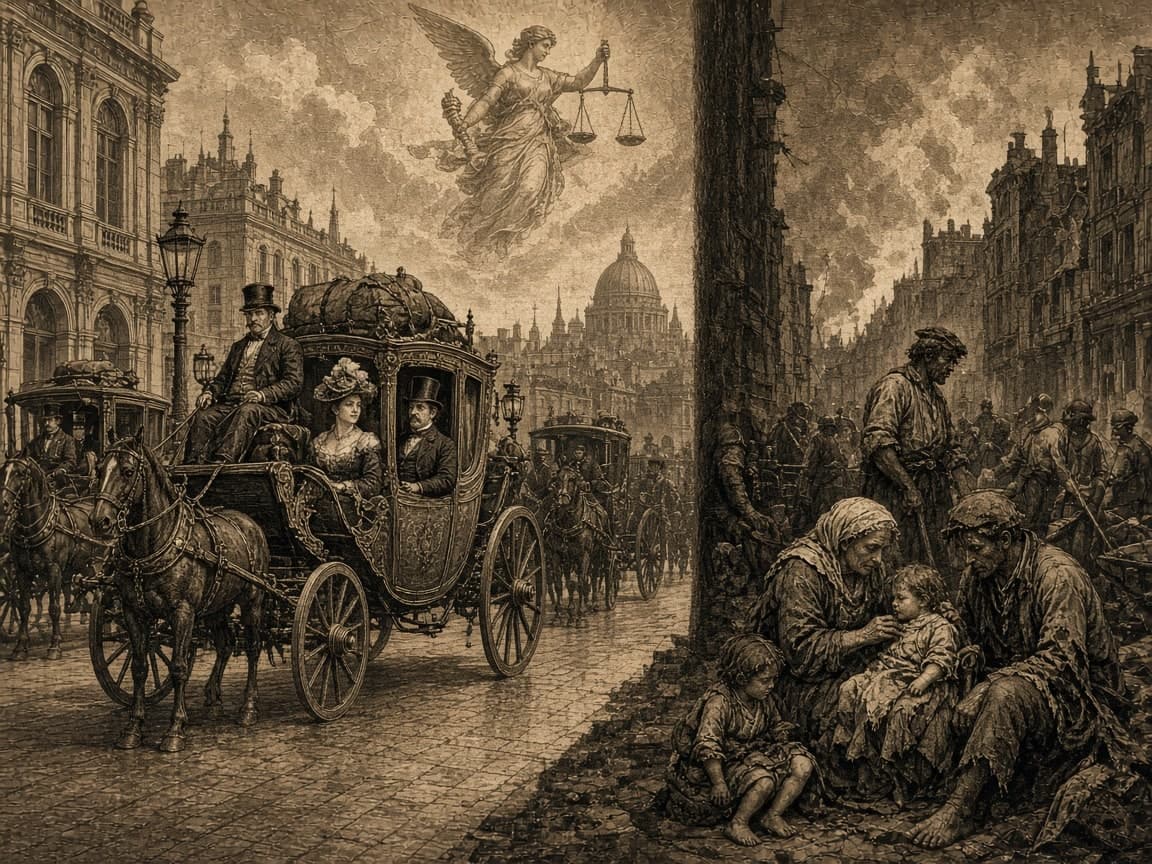
The townspeople were split into two parts, sharply unlike each other. The first comprised people blessed with noble birth, class privileges, or wealth. They were the minority, al…
"Besides suburban taverns, Kharkiv residents' favorite pastime was the Kuryazh Monastery eight versts from town and the women's Khoroshev Monastery fifteen versts away. From the very be…
"This gentleman is quite another sort: mild, courteous, pious, and one who tracks down peasants at investigations—without raising his voice or removing his gloves" (I. Turgenev). "A man of independent means, he indulges…
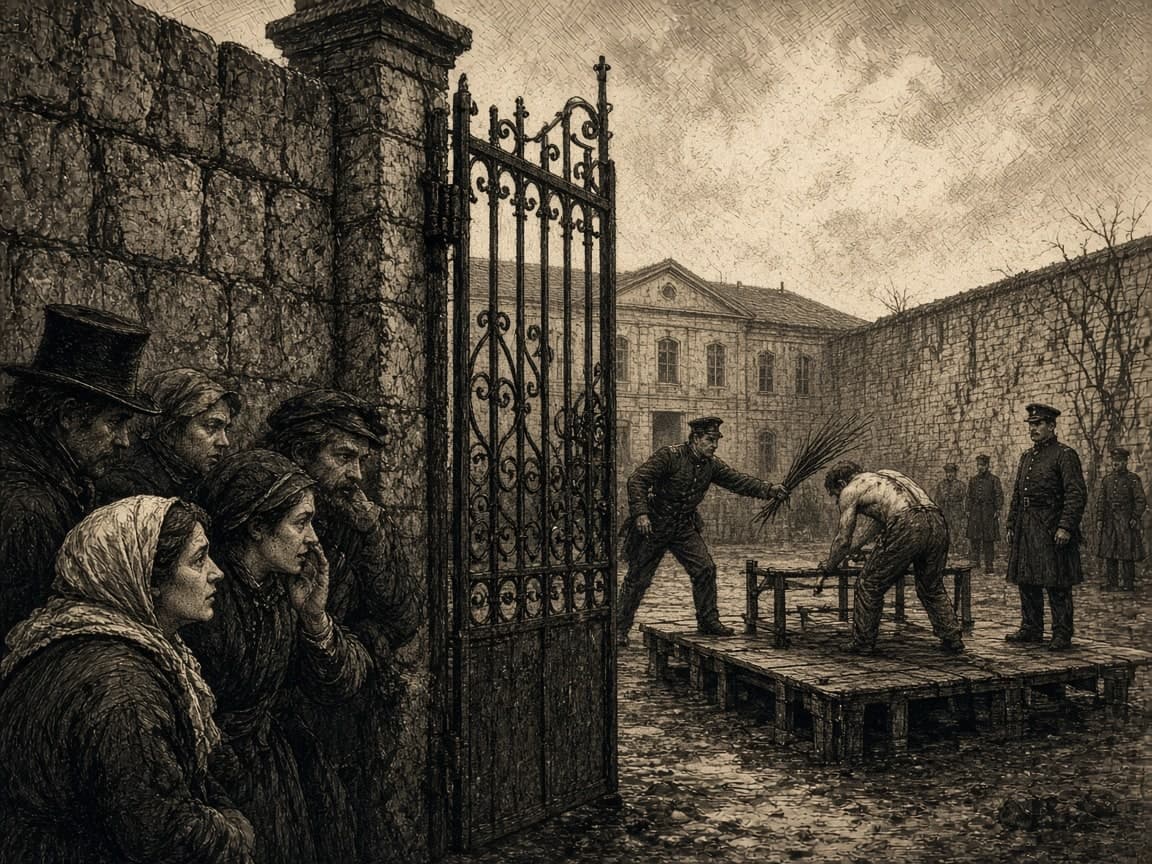
From the police yard came groans and the swish of birch rods. — Who's that? — townspeople wondered. — The district officer is treating his maid Dashka. — With rods? The sixteen-year-old maid of the district supervisor…
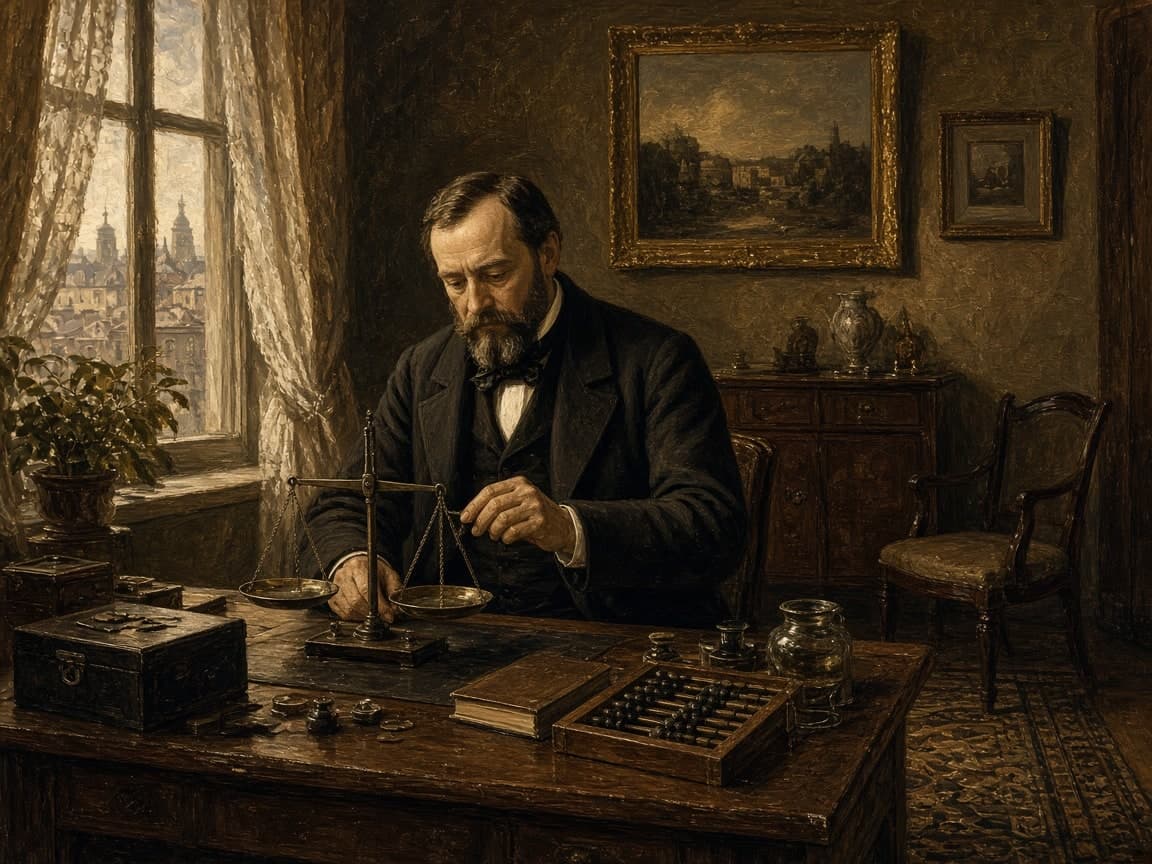
As late as the mid-nineteenth century Kharkiv had no banks where one could keep or borrow money. Individual merchants handled that, lending on credit. One…
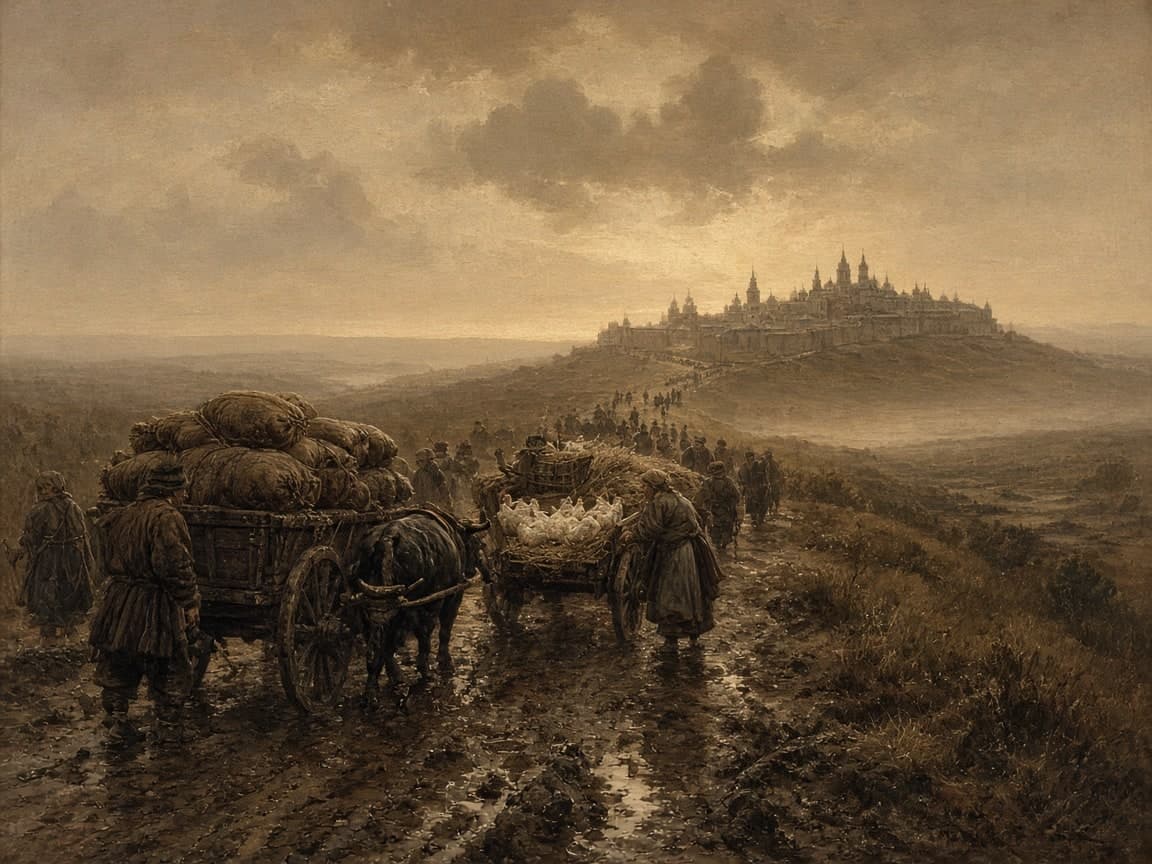
Early on Saturdays and Sundays residents of the outskirts and suburbs converged on Kharkiv from all sides—to the market, to sell oats, flour, poultry, vegetables, and other farm produce. A verst from town…
Recruiters seek out pretty girls and invite them to perform in café-chantants and other entertainment venues. They promise high pay, fashionable clothes, cosmetics, fine food…
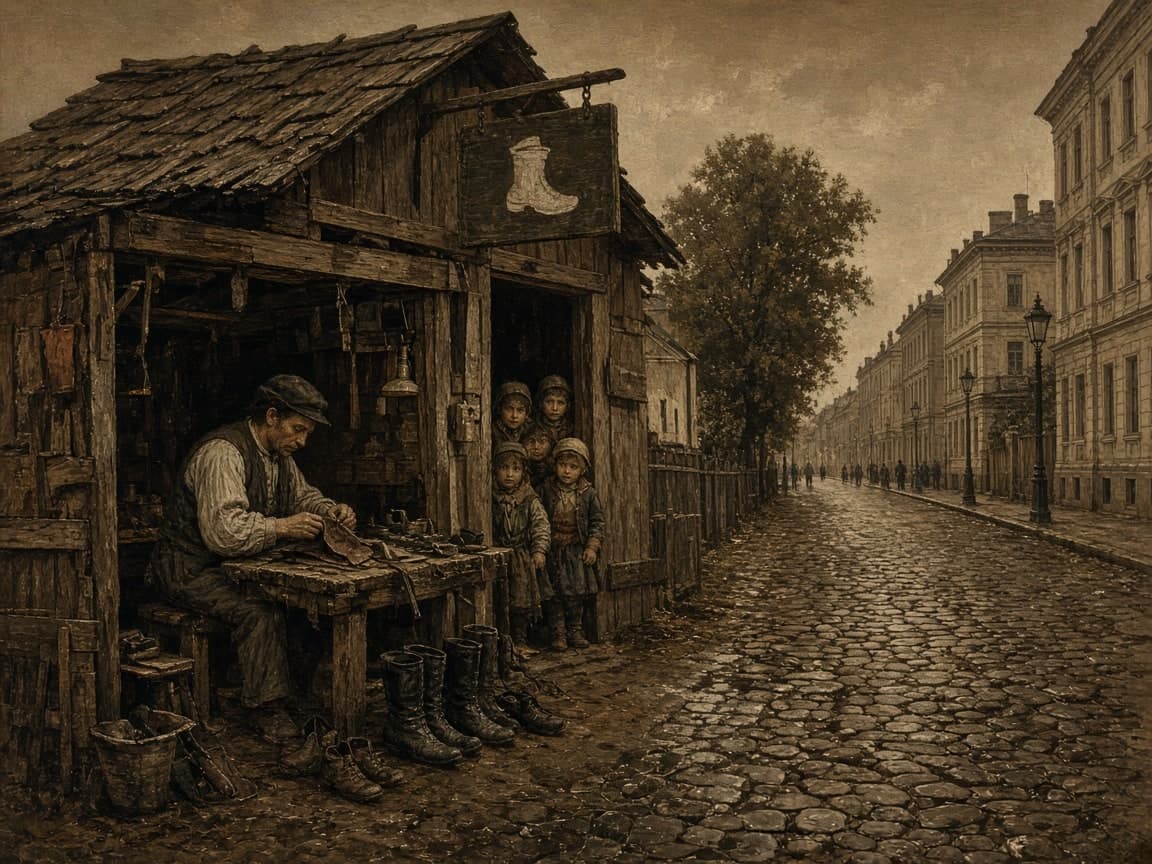
On Sumska Street stood a wooden hut with three windows; on the gate hung a sign: "Cobbler sews boots. Puzankov." He was a sober, hardworking craftsman whose hands…
Old Believer merchant Gvozdev served as guardian to the merchant Kozhanchikov children. He owed them thirty thousand rubles; they asked him to return at least ten thousand, promising to forgive the rest…
The respected city head Kostyurin was famed for his hospitality. Anyone who entered his office or home could hardly leave sober. Kostyurin especially loved celebrating his birthday…
From ten in the evening police under a district supervisor made the nightly rounds. They walked the streets until dawn and hauled to the station everyone they found "inebriated." Yet…
District supervisor Dudyshkin was a widower, fifty years old, with three children. Life alone wearied him and he decided to marry again. Below Kholodna Hora near Karpovsky Garden in his own…
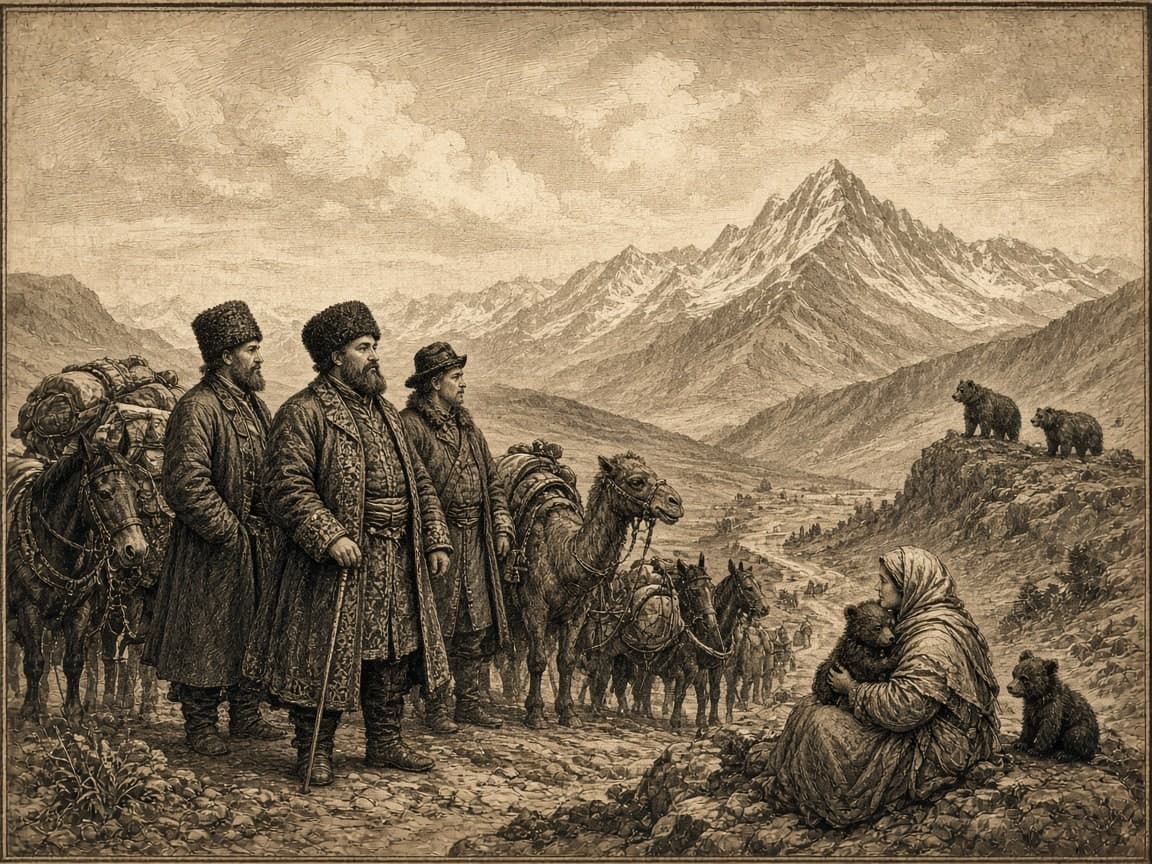
Kharkiv had rich merchants nicknamed "bear fosterers." The name came about thus. Somewhere in the Caucasus (supposedly Nakhichevan) lay a cellar guarded above by a huge bear. And…
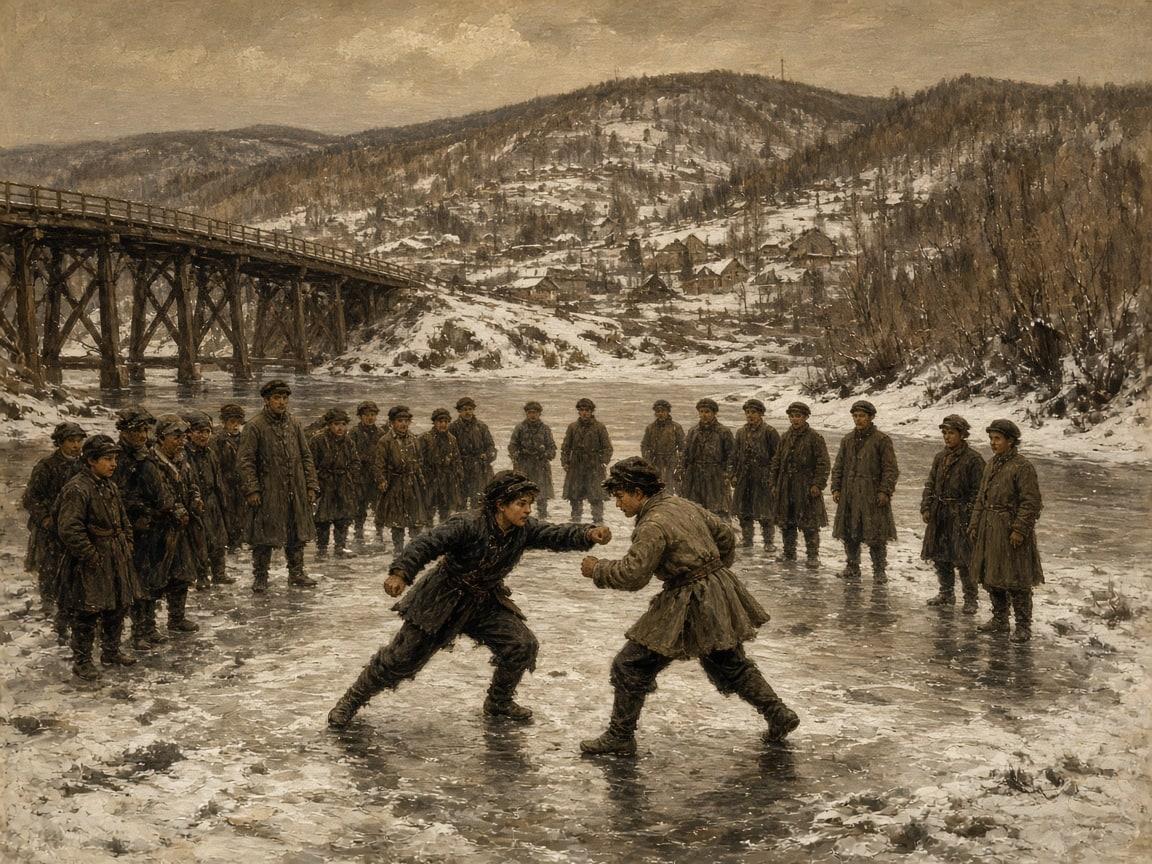
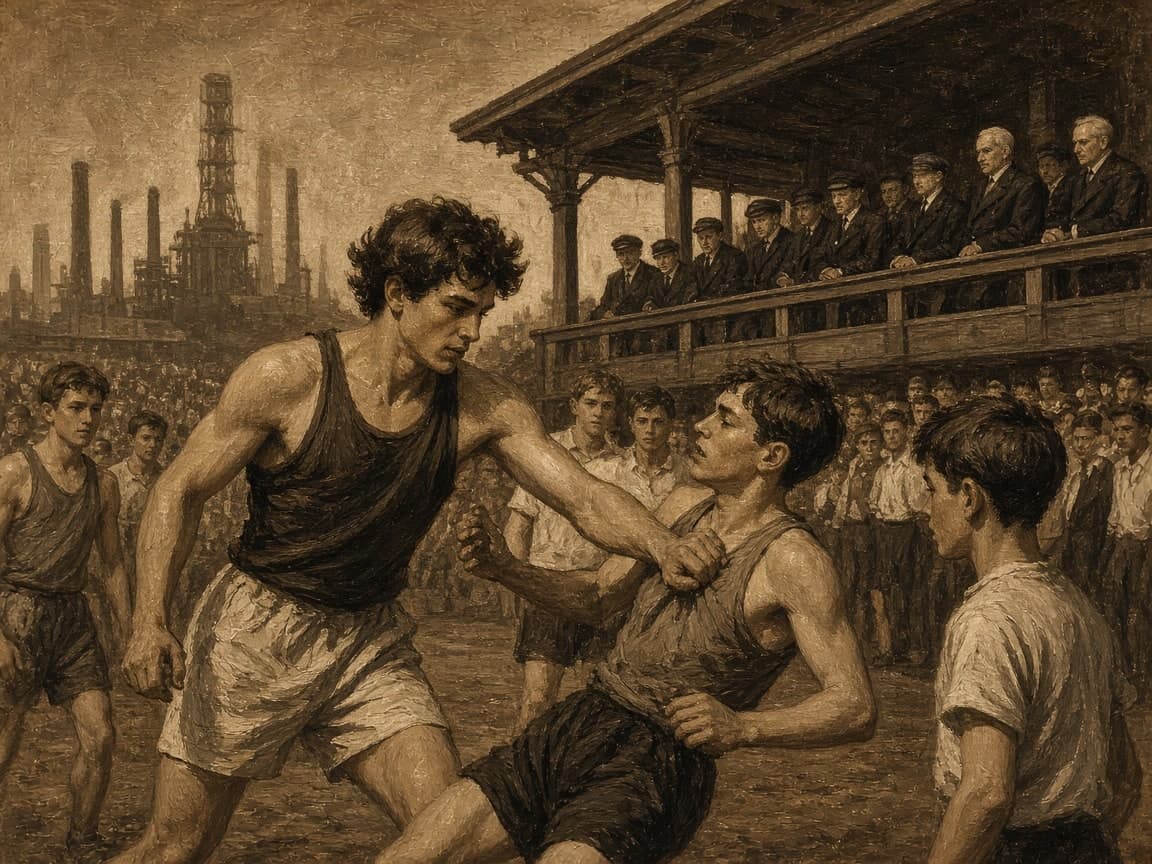
With little else for amusement, fistfights were a common pleasure for Kharkiv townsfolk. Beyond Mariinsky Bridge on the Netech ice, boys gathered in clusters and, as if warming themselves in…
P. I. Sereda held a master's degree in history and philosophy. He owned five hundred serfs yet lived in four rooms, one occupied by a servant. His doors were always open to students…
Once a very wealthy landowner—also marshal of the nobility—Bakhmetiev at the start of Great Lent sent the rector of Kharkiv University five hundred rubles with a request to find three poor students…
City historian D. I. Bagaley wrote of him: "Youth (he came to Kharkiv at thirty-one), wealth, and independent status let Durnovo be useful to people. And he was useful when…
In the town of Bakhmut (now Artemivsk) in Donetsk region lived a couple with four children—all sons. Their tutor was Kharkiv student Pavel Zavadsky. The mother, E. S. Garshina, fell in love with the student…
1868. At an ordinary session of the Valky district court a criminal case was heard. It turned out witnesses had not been summoned. — We'll manage! — the presiding judge declared flatly…
19th century · Industrial district
From the service record of Court Counselor, nobleman A. E. Kovalev: — official of the Kharkiv Chamber of Privileges; — provincial secretary; — excise official of the Kharkiv Treasury Chamber; — official of the Dep…
On 22 May 1869 a crowd of townspeople stirred: first a whistle, then clouds of smoke, and from them—as a reporter of the day put it—emerged an unprecedented monster. Its…
Ochakiv peasants watched fearfully as a large balloon flew straight toward them. It approached quickly, lost height, and came down in the woods. Onlookers rode up and saw a man trying to drag the balloon into…
I traveled several times to Bulgaria for the famous satire and humor festival in Gabrovo. Organizers arranged excursions, including to Pleven, steeped in the glory of Russian arms. Fam…
Today one often meets scholars or artists who have turned to commerce (mostly out of necessity). Yet a similar case from a century and a half ago exists. At the university…
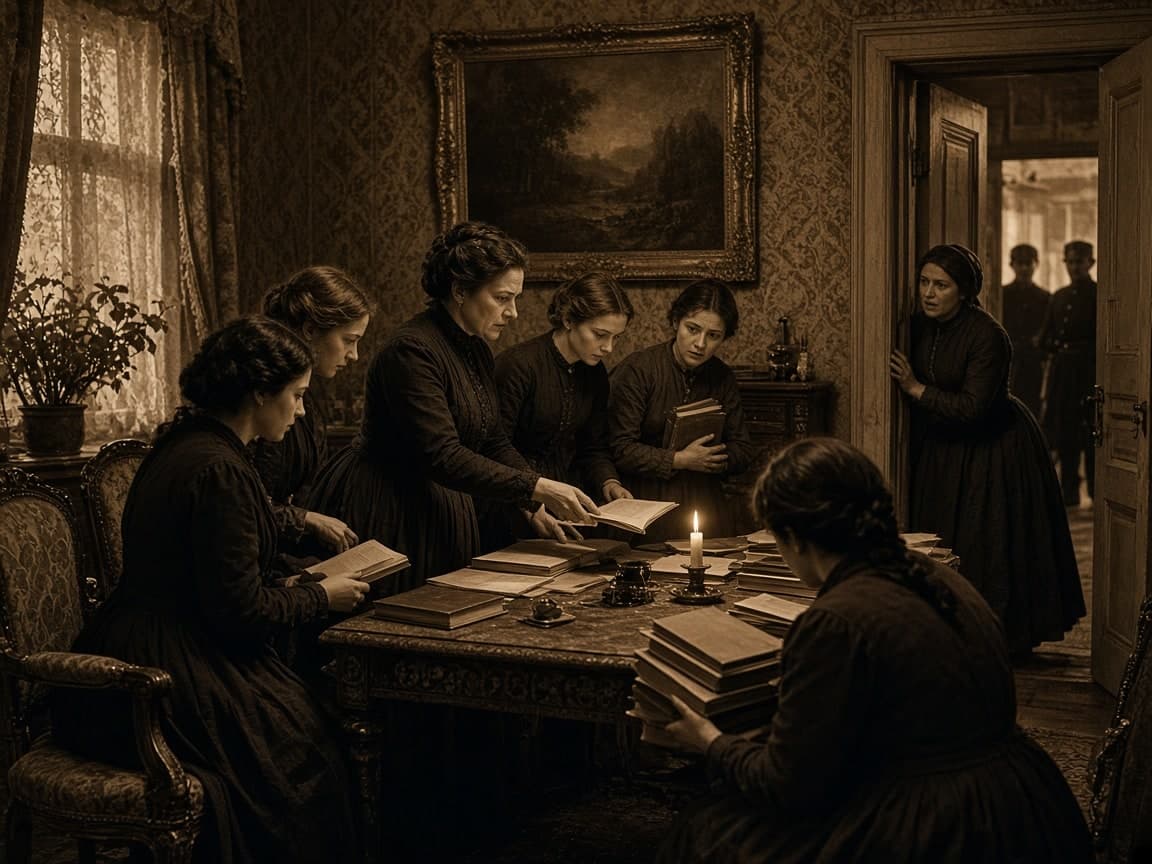
From time to time well-wishers warned Kh. D. Alchevskaya that a search was coming, and classes paused. By order from the capital, Sunday schools in the country had been banned…
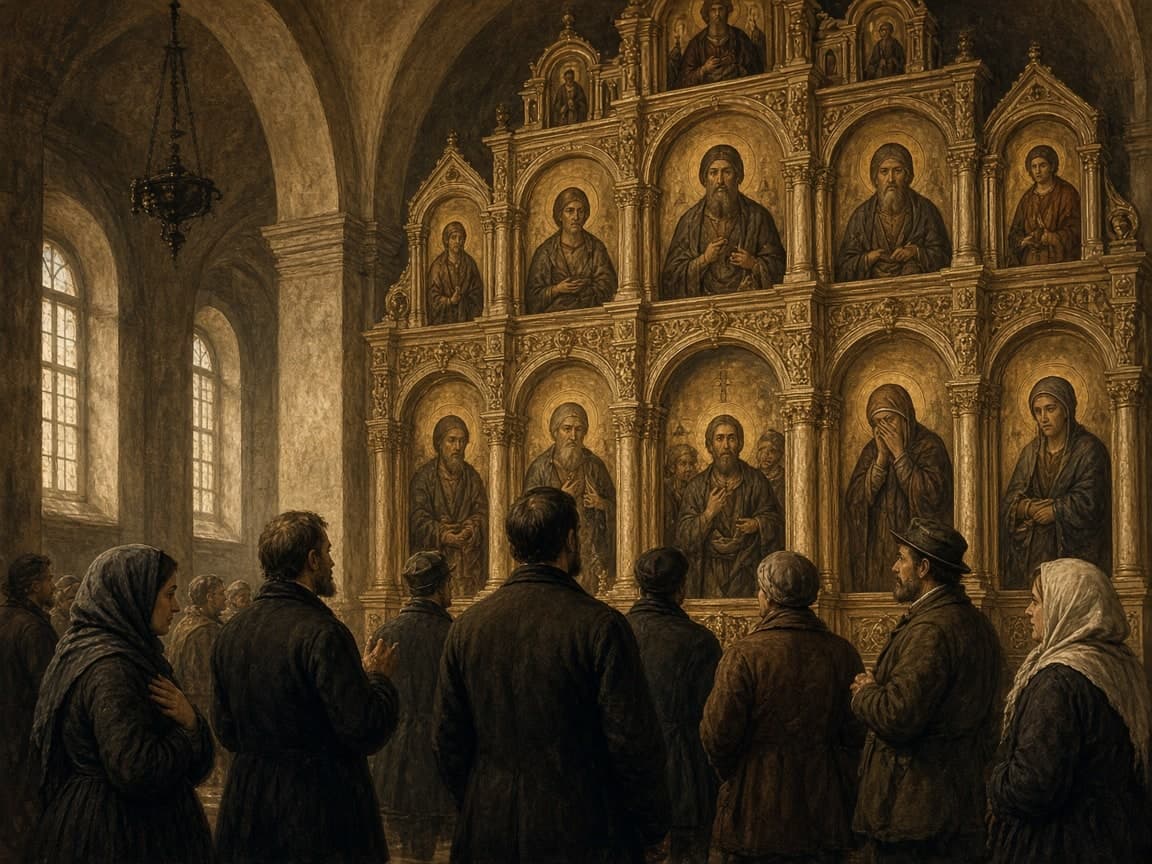
Entering church, parishioners crossed themselves before new icons, yet often their hand froze halfway. In the saints' faces they recognized locals, Chuhuiv residents, often noted for less than saintly…
In a shop on Pavlov Square a company sat mocking engineer Redyugin. He constantly approached wealthy merchants with schemes—to start a factory or some enterprise.…
On his way to a fistfight at Ivanovka meadow, Zagiba met acquaintance Ulya, who pleaded: — Pavel Ilyich, don't go to the fists today! Reassuring her, he went on. At that…
I was always struck by the massive building at the start of Pushkinska, home to the Mechnikov Institute: breaking the street's straight line (small wonder—the Germans settled it!), it juts out almost…
19th century · Oleksiivka
Kharkiv Governor Prince Dmitry Kropotkin was returning home at night after a ball at the Institute for Noble Maidens. Near his house on Hubernatorska, behind an old giant poplar, a man lay in wait…
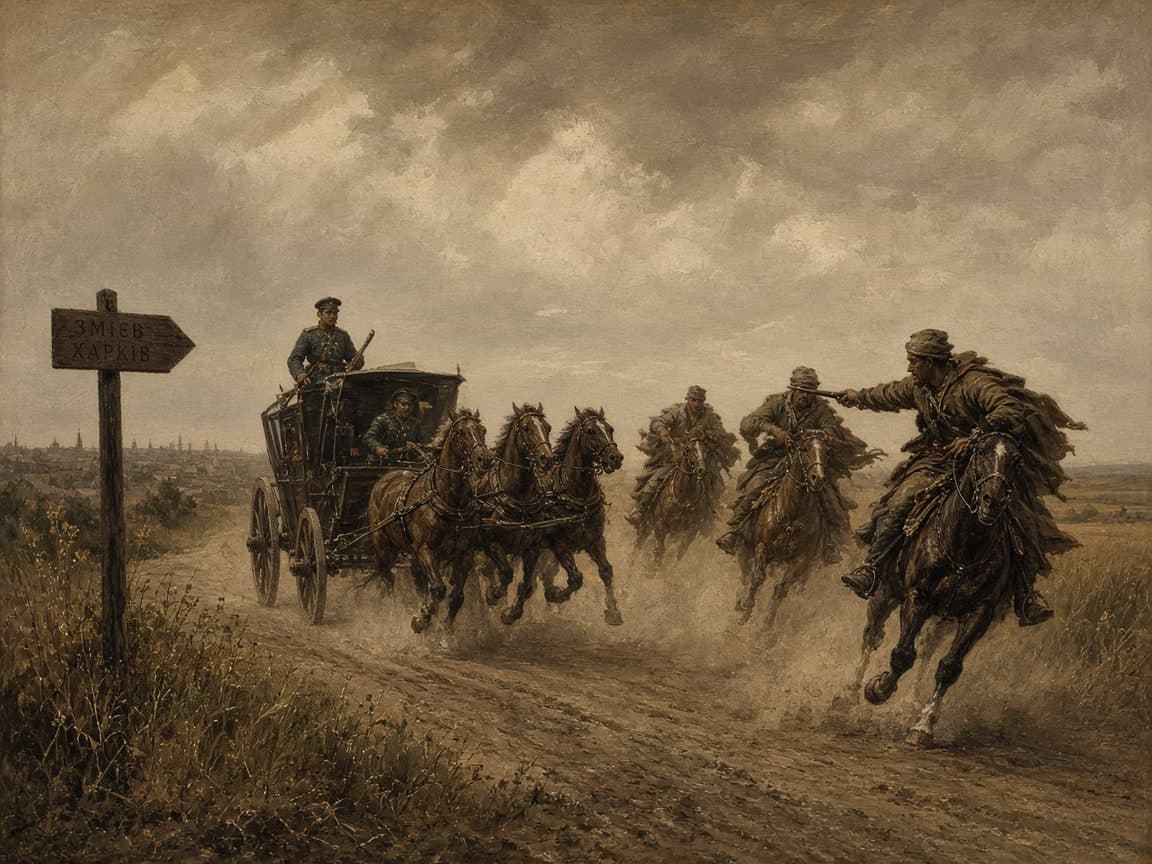
Along Zmiiv Road at the city exit a troika raced under gendarme escort. A britzka overtook it; two armed men leaped out. One ordered the driver to stop. He…
In youth M. Loris-Melikov befriended the young poet N. Nekrasov and for a time shared a room in St. Petersburg. After military training the count was sent to the Caucasus…
Who does not know A. Lushkin's famous epigram: At the Academy of Sciences sits Prince Dunduk. They say Dunduk should not have such honor—why does he sit there? Because... he eats. The epigram's hero Prince M…
"On the morning of 10 February (1883—Author) I looked at the clock: it was eight, and I left home. I had not taken ten steps when I came face to face with Merkulov (a former member of a terrorist organization…
"In Kharkiv, between two trains, I had time to ride into town. Passing the theater I saw Eugene Onegin announced for that evening. I longed to stay, especially as Kharkiv generally appealed to me…
It happened on the morning of 17 October 1888 near Borki. On a curve a rail came loose from the wheels of a fast train. The locomotive skewed and dug into the ground; cars overturned…
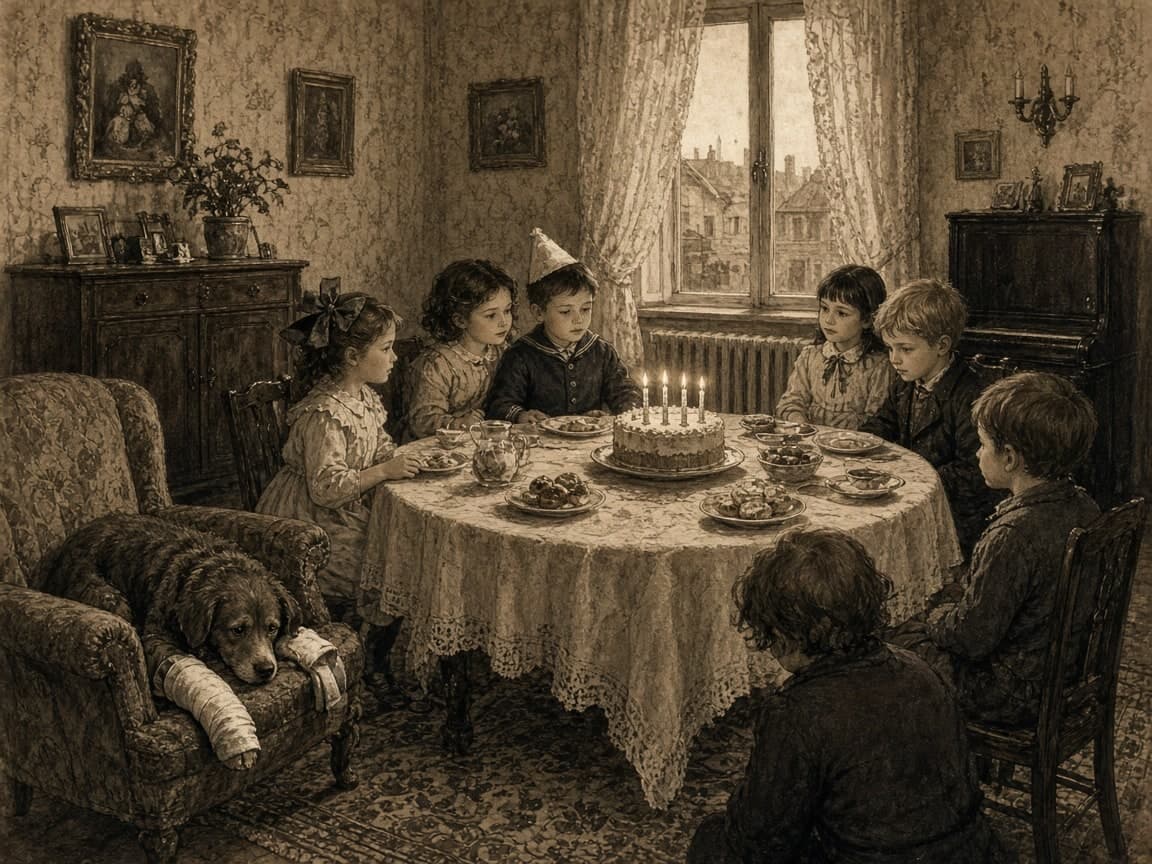
In childhood a peer—a courtyard friend—once invited me to his birthday. While in the living room /22
Once the writer received a letter: "It will soon be two years since I gave up government service, less from conviction than from knowing how shaky convictions are. One cannot move, let alone…
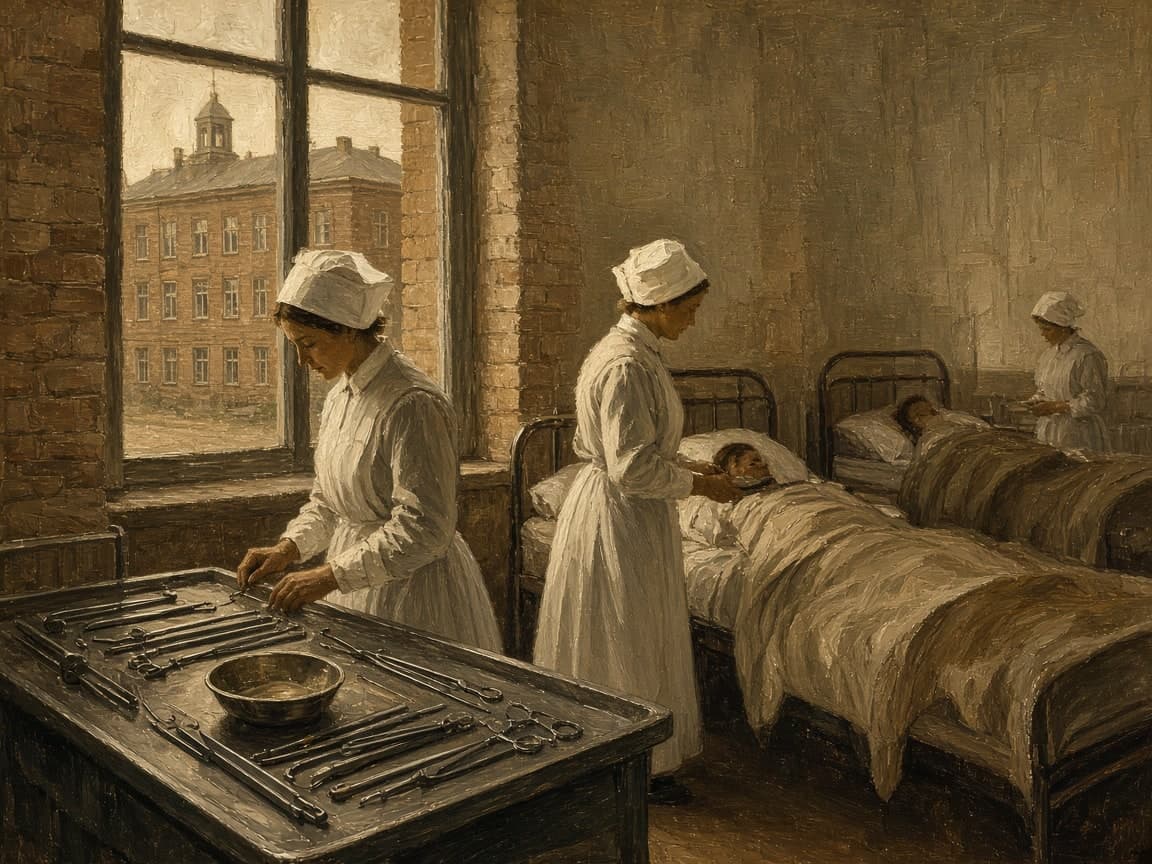
In April 1889 a new patient arrived at Alexandrovskaya Hospital on Blagoveshchenskaya Street (now K. Marx Street)—an eighteen-year-old girl from Volhynia. The building had formerly housed the Institute for…
A seventh-year pupil of the Second Kharkiv Gymnasium sat in class in torment. A meeting had just forbidden gymnasium students, on pain of expulsion, to attend theaters…
The audience gathered in Kharkiv Drama Theater on 4 November 1881 watched Ostrovsky and Gedeonov's Vasilisa Melentieva. The hall was full—the lead, a bold, clever young woman…
Such a day existed in the prison—daily. From morning until eleven at night the cells stood open; inmates could talk freely and meet relatives. Among the prisoners was…
"In the university garden, on the left of the main alley leading to Klochkovska Street, on the children's playground a private entrepreneur set up a ca…
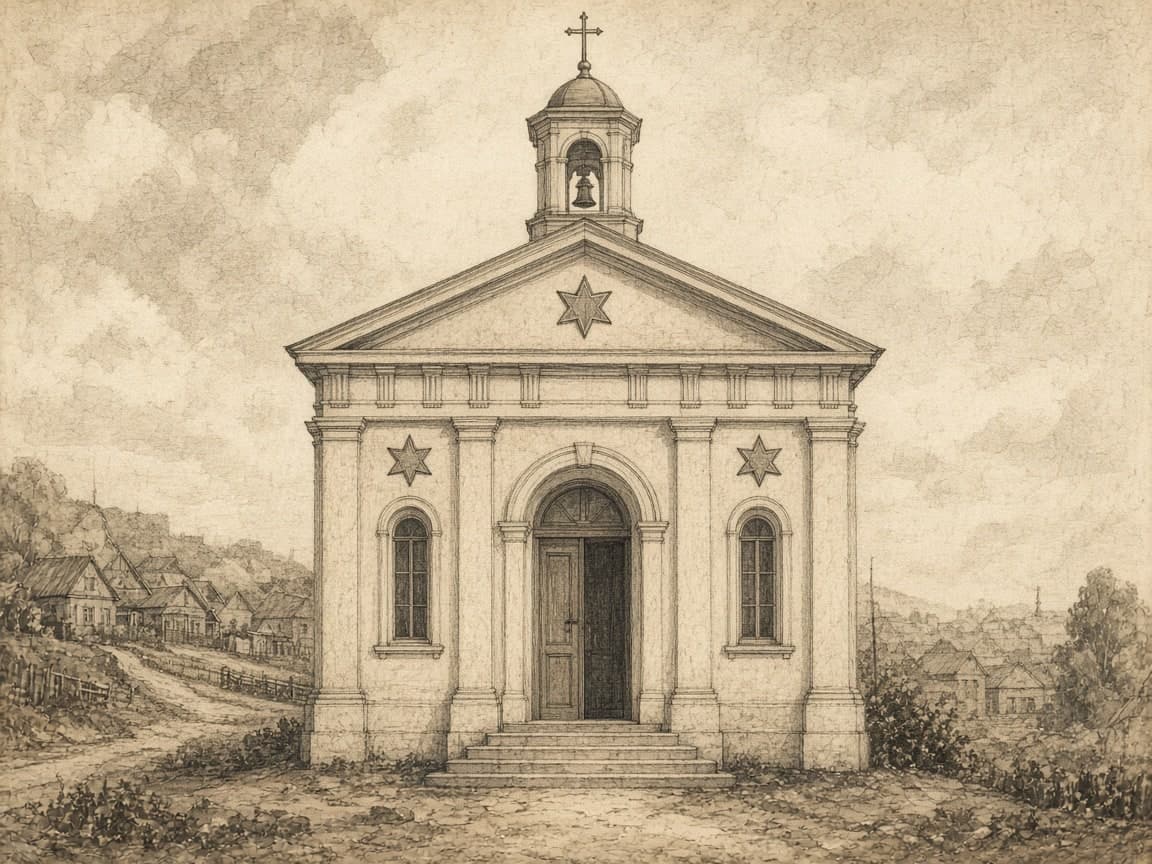
A unique building in Zaikovka—a Christian church adorned with six-pointed stars. Paint-factory owner Grigory Osipovich Goldberg built it at his own expense, whence the church…
18th century · Kholodna Hora
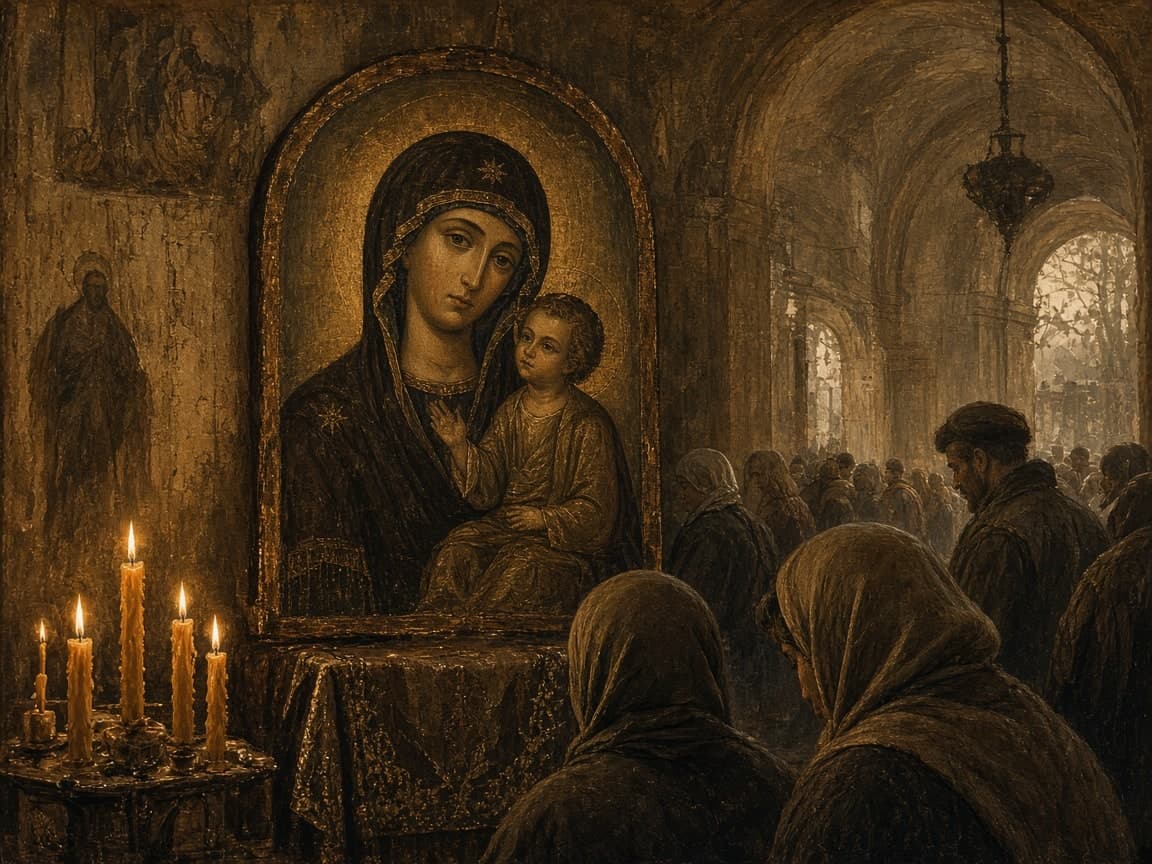
The chief shrine of our region was the icon of the Ozeryany Mother of God. In "miracle-working" it supposedly yielded only to the empire's chief icon—the Kazan Mother of God. Its origin…
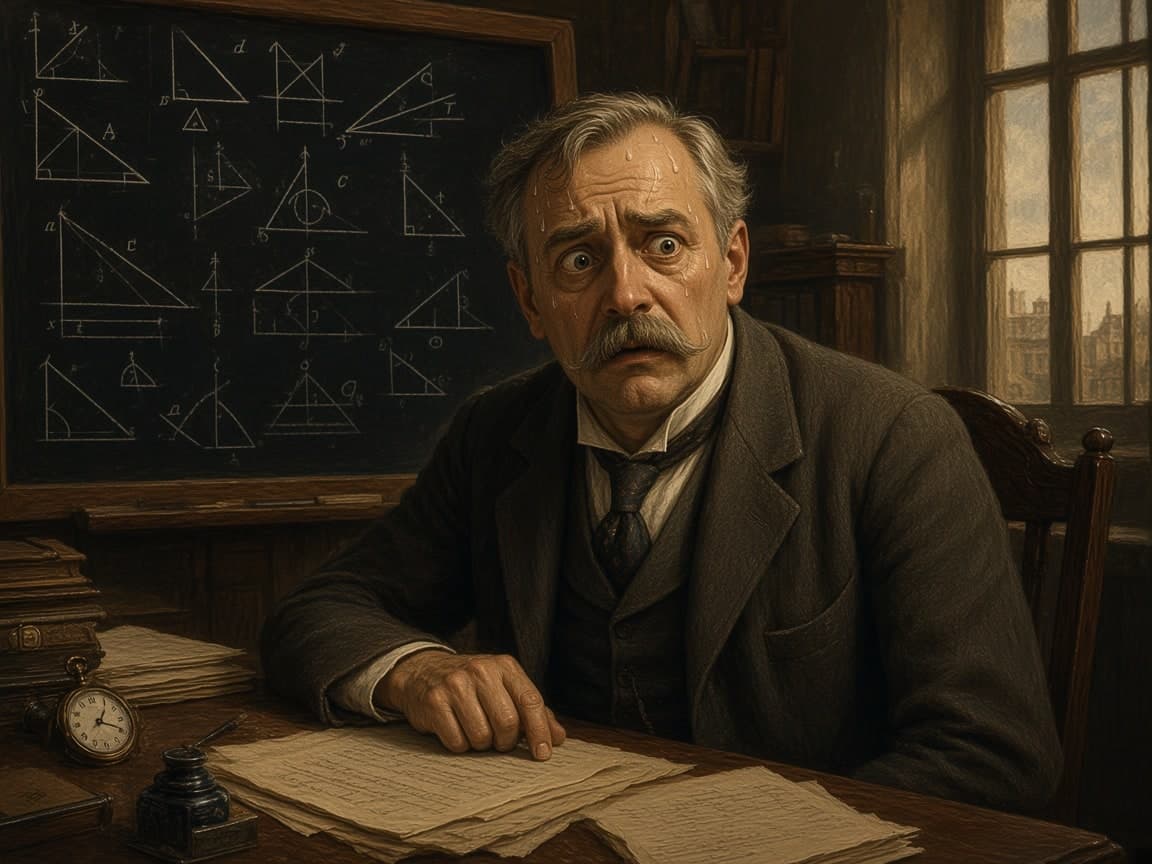
Another examinee entered the hall, no longer young. Pale, he tugged his gray mustache, wiped sweat from his brow, muttered—but could answer no question. To…
The old house at today's Constitution Square and Moscow Prospect corner is known for the "tasty" shop Eastern Sweets. A bit down the prospect is the Ukrainian… shop.…
The Russian North was long a place of exile. Slobozhansky ethnographer P. Yefimenko was sent there for politics. In Lomonosov's homeland, Kholmogory, he met a young teacher, a native of…
Yuly Bunin lived in Moscow, studied, and led revolutionary work among students. The authorities disliked it and exiled him to Kharkiv. There, in banishment, Bunin transferred to the local university and continued…
"An actress of external means that perfectly reproduce the essence and details of boudoir-and-boulevard life... Roles lack depth, creative spark, living truth"—wrote a reviewer in the press…
In 1894 died one of our city's wealthiest citizens, first-guild merchant V. I. Pashchenko-Tryapkin. From the village of Peresechnoye in Kharkiv province, he entered service with a Moscow merchant as a boy…
A railway platform. A train approaches. The locomotive, growing ever larger, moves straight at the audience. Black smoke pours from its huge stack. Viewers leap up in fright and rush for the exit…
early 20th century · Pavlove Pole
Chaliapin sang "Nochenka." His eyes were closed; listeners stood enchanted. Suddenly a footman entered and asked the singer something. Annoyed, he broke off, cursed the footman, and shook his fist. "Ah,…
An unusual reception took place on 15 March 1893 at the home of Kharkiv Music School director Ilya Slatin, who invited fellow teachers. The lunch honored the most distinguished guest—…
early 20th century · Kharkiv
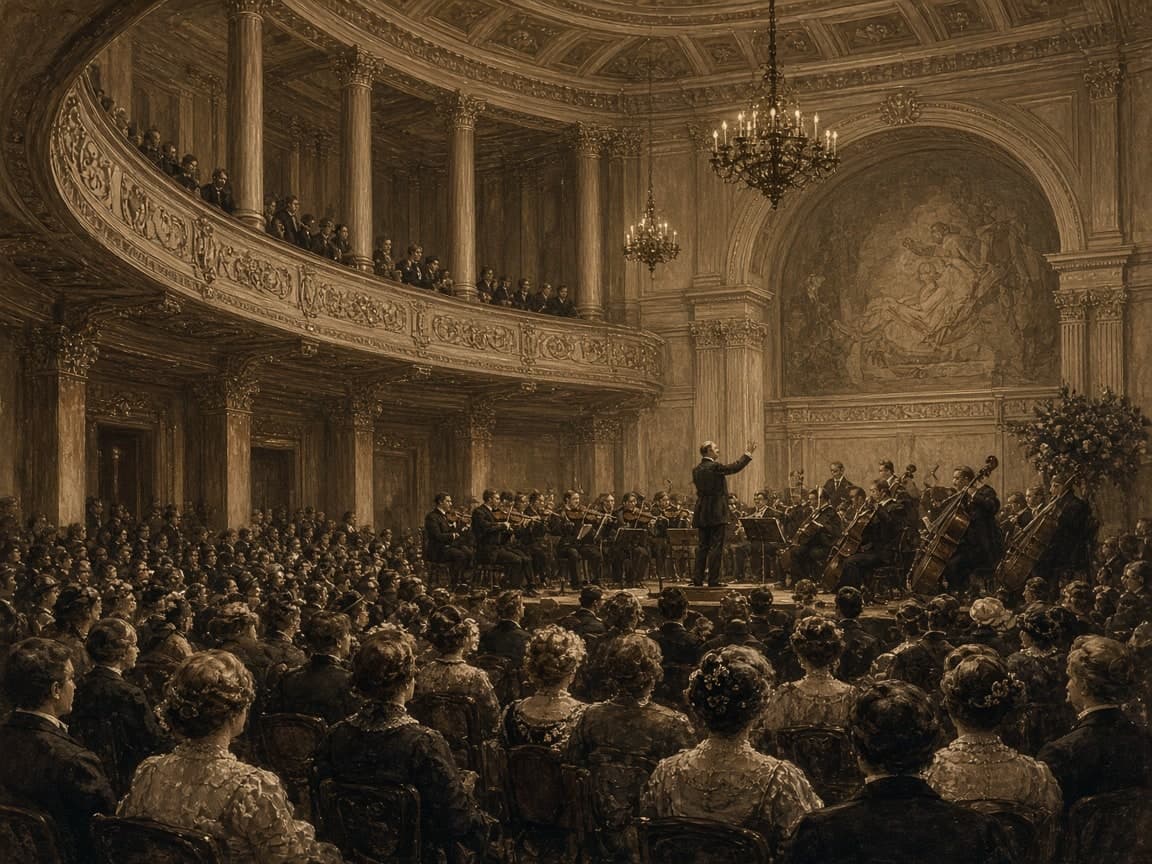
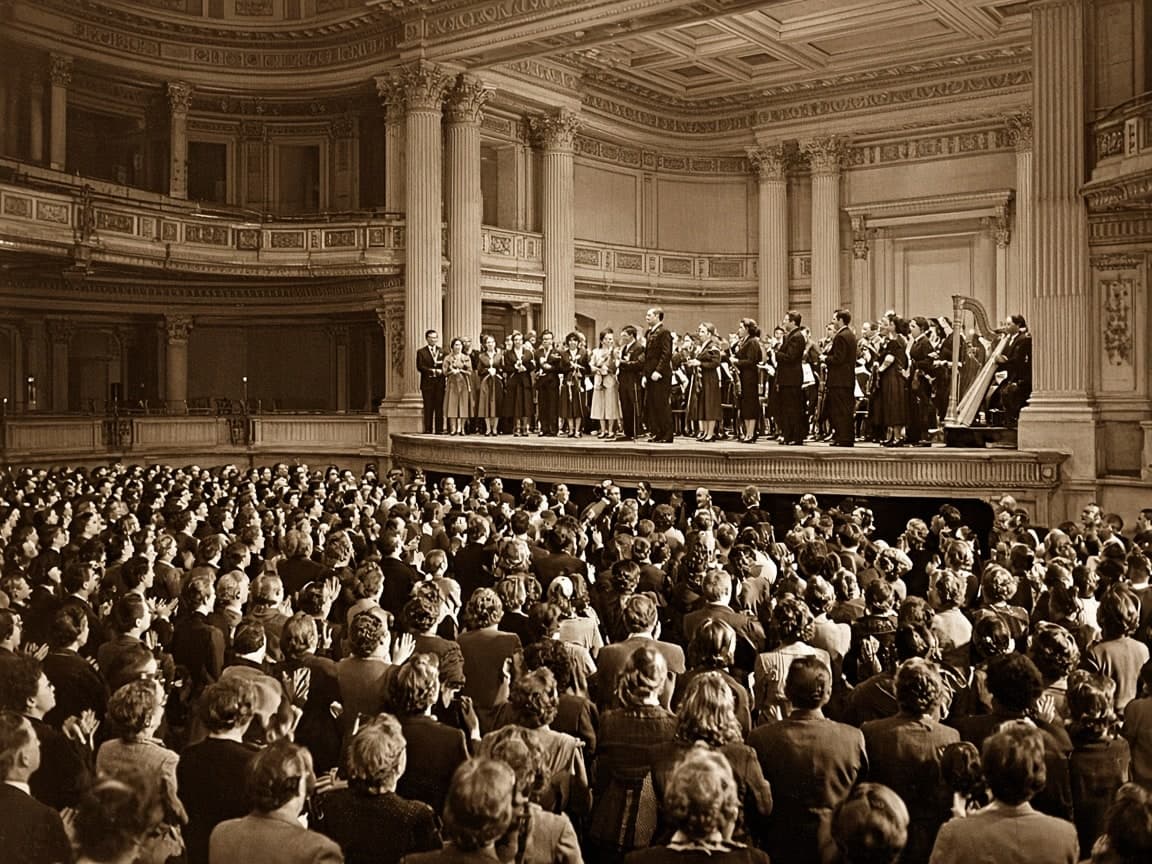
Do any Kharkiv residents today remember crowds breaking down doors for concerts? Not pop—symphonic. Yet at the century's start it happened, for instance when S. Rachmanin… visited.…
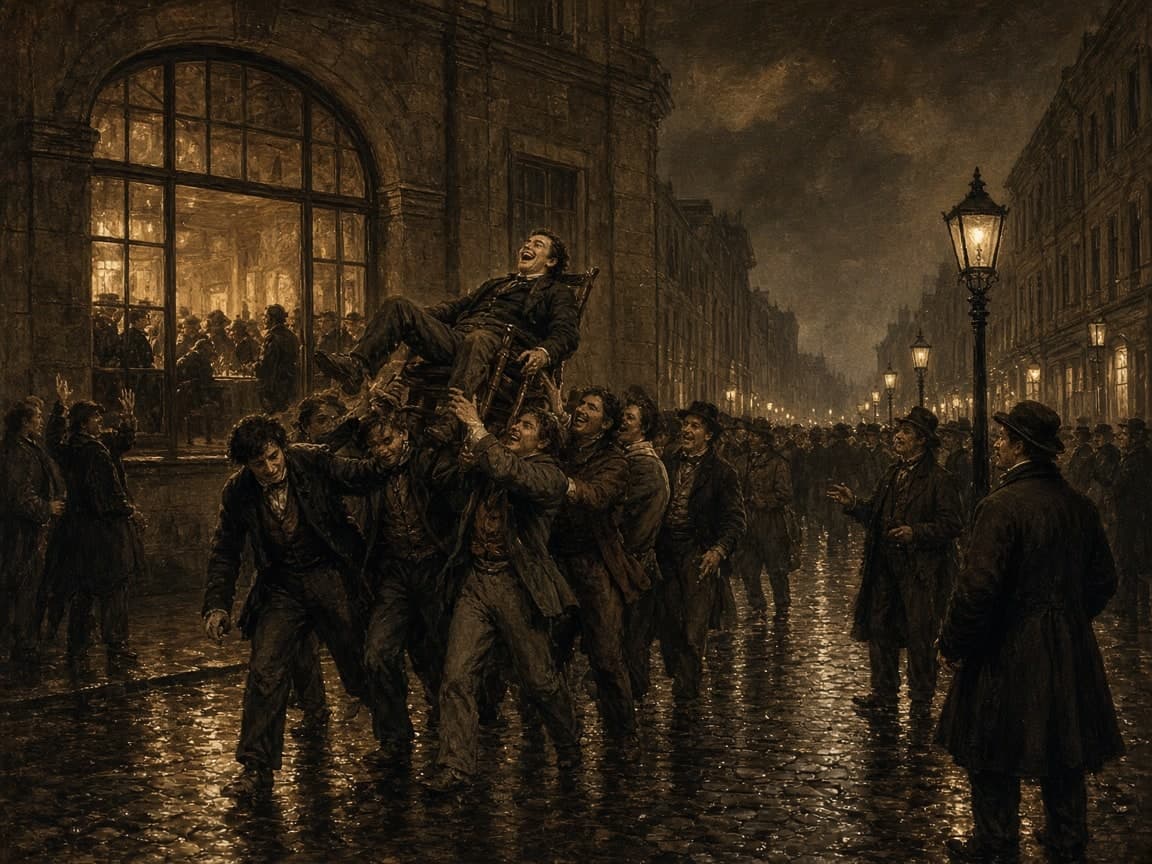
Late in the evening a group of students burst into the medical club on Yekaterinoslavska Street, where a banquet was underway. They grabbed the guest of honor, pulled him from the table, carried him outside and…
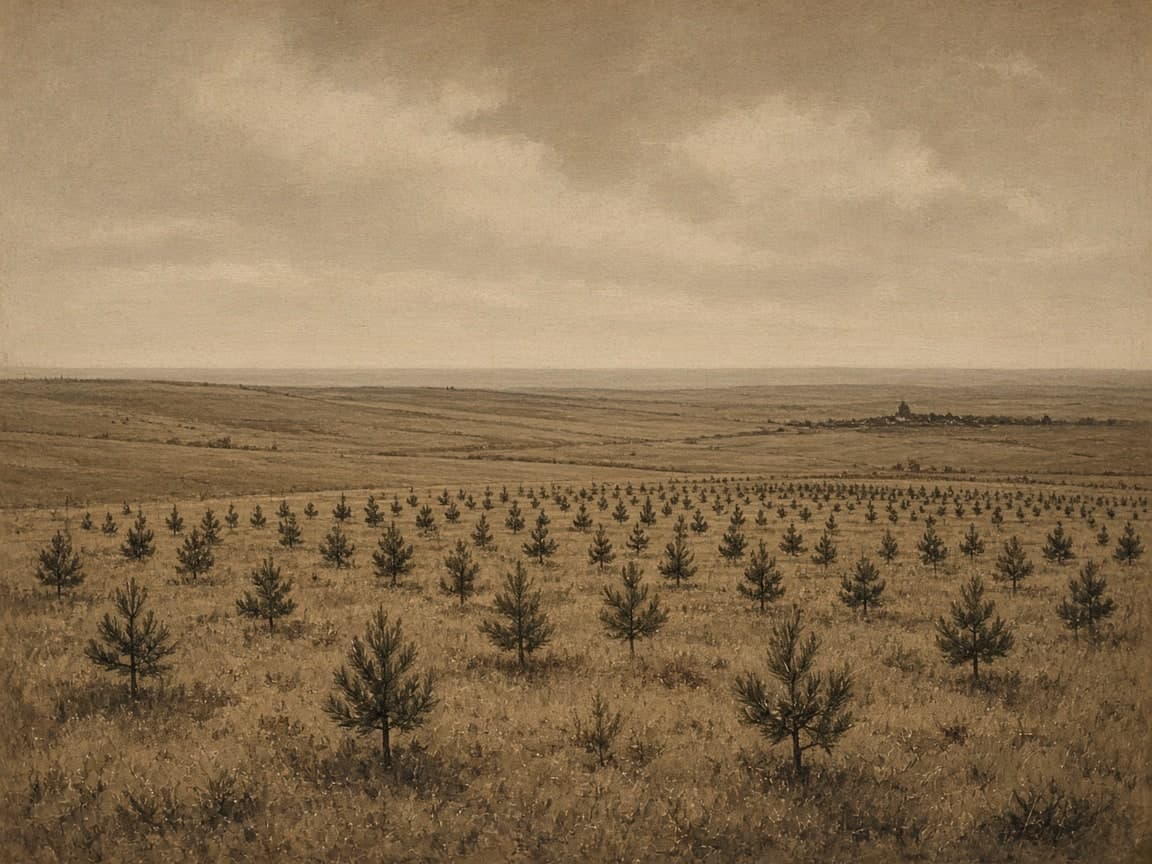
I do not know whether the mighty pine forest near Derhachi has survived to our day. Local agricultural school students planted it at the very end of the nineteenth century. Among them was Kostya Trenev, who later became…
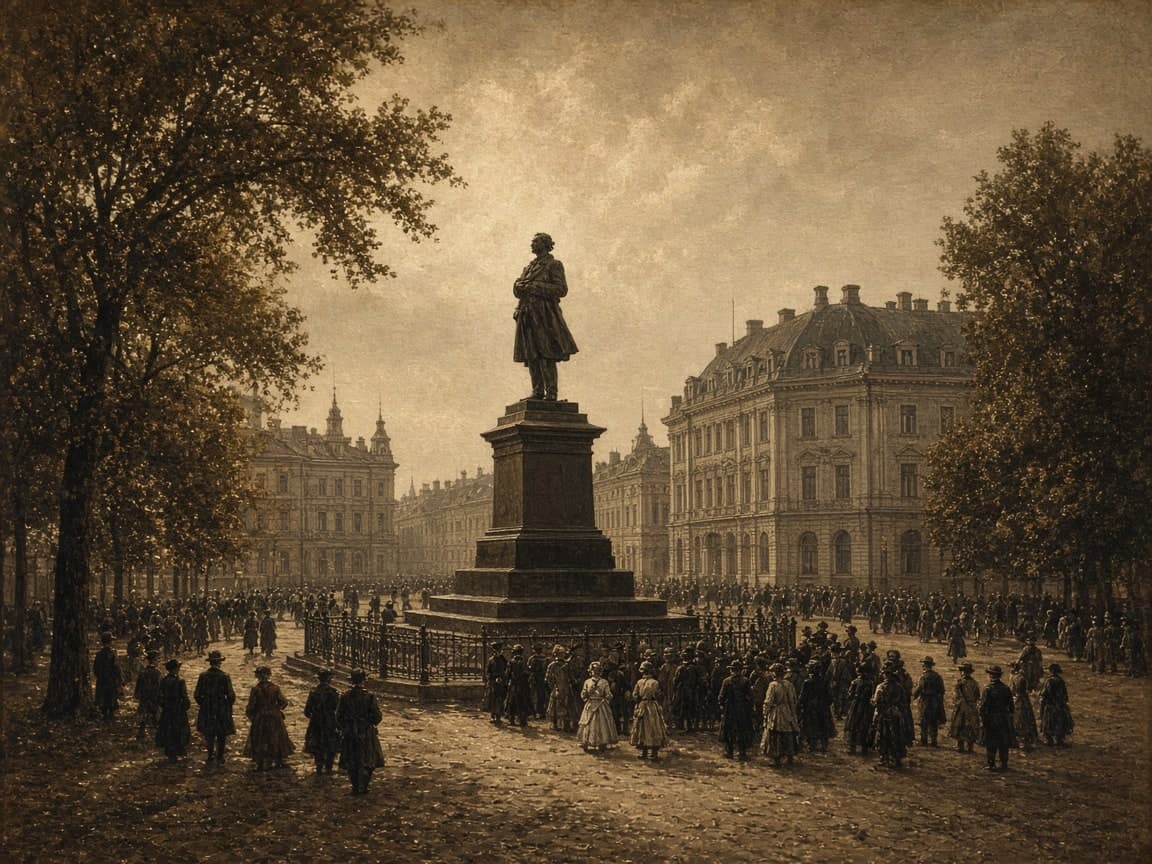
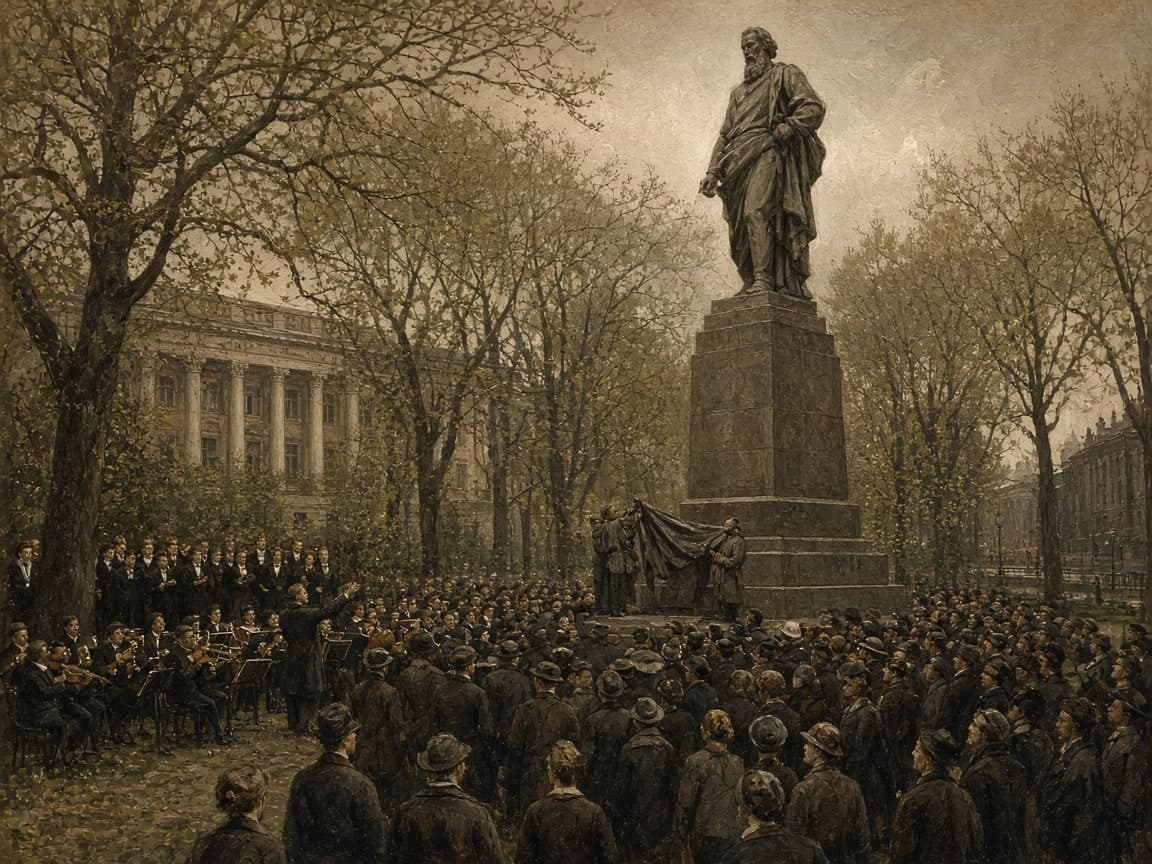
Despite the government's strict ban on erecting monuments to T. Shevchenko, one appeared in Kharkiv in 1899—in the very center of the city! The authorities could do nothing, since it stood on…
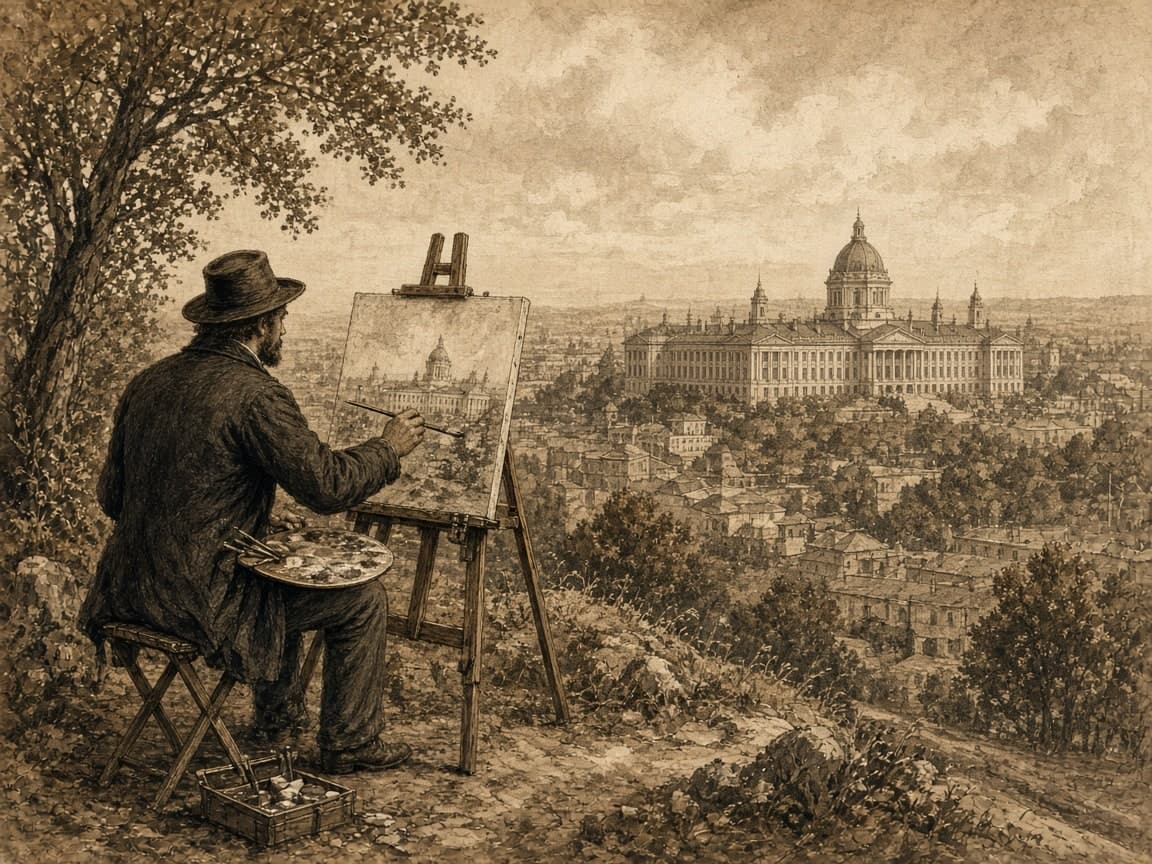
When you look from University Hill at the panorama of the Zalopan part of the city, what catches the eye first is the Annunciation Cathedral. It draws you with its scale and inventive architecture…
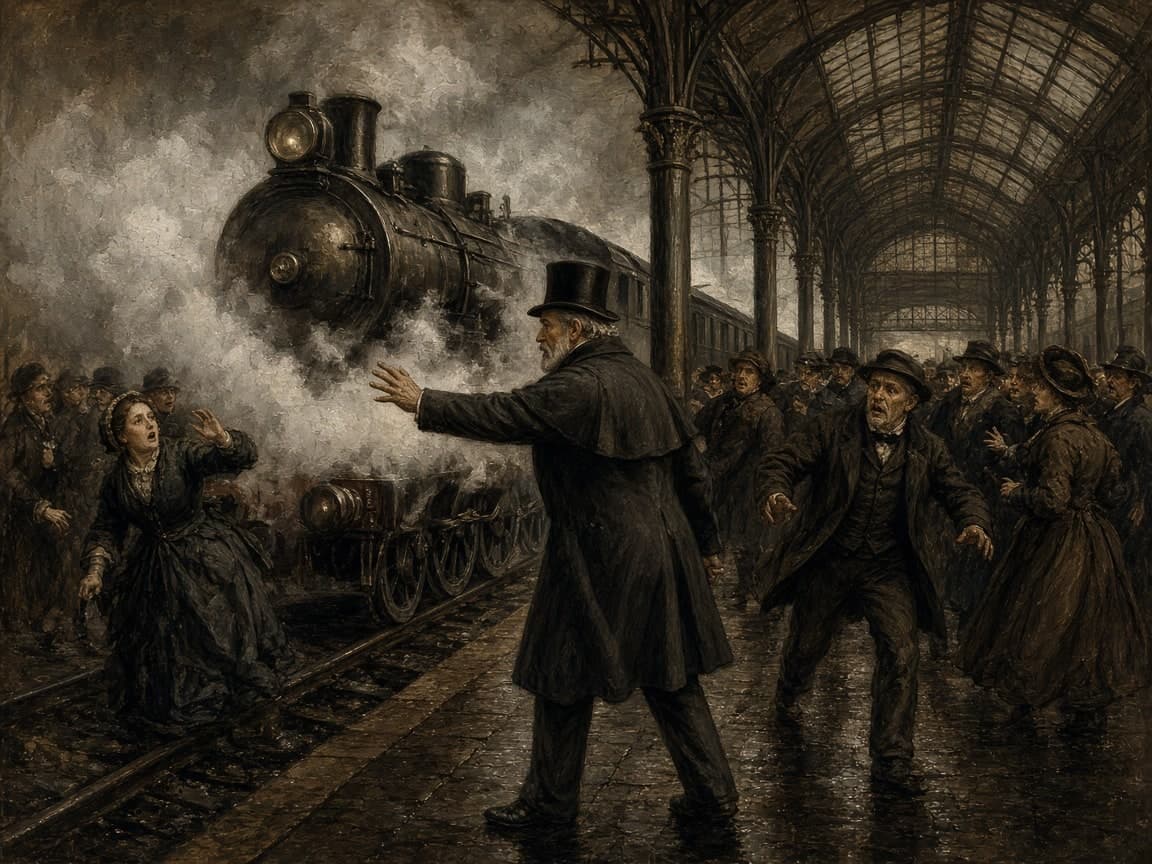
On the platform of Warsaw Station in St. Petersburg stood a solid gentleman of advanced years. When the train approached, he threw himself under the wheels. The incident, which became known throughout Russia, occurred…
1902. Kharkiv's Tivoli Garden (part of the site is now occupied by the new opera house). When in the evening Governor Prince I. Obolensky left the hall after a performance, he was shot at from a br…
early 20th century · Kholodna Hora
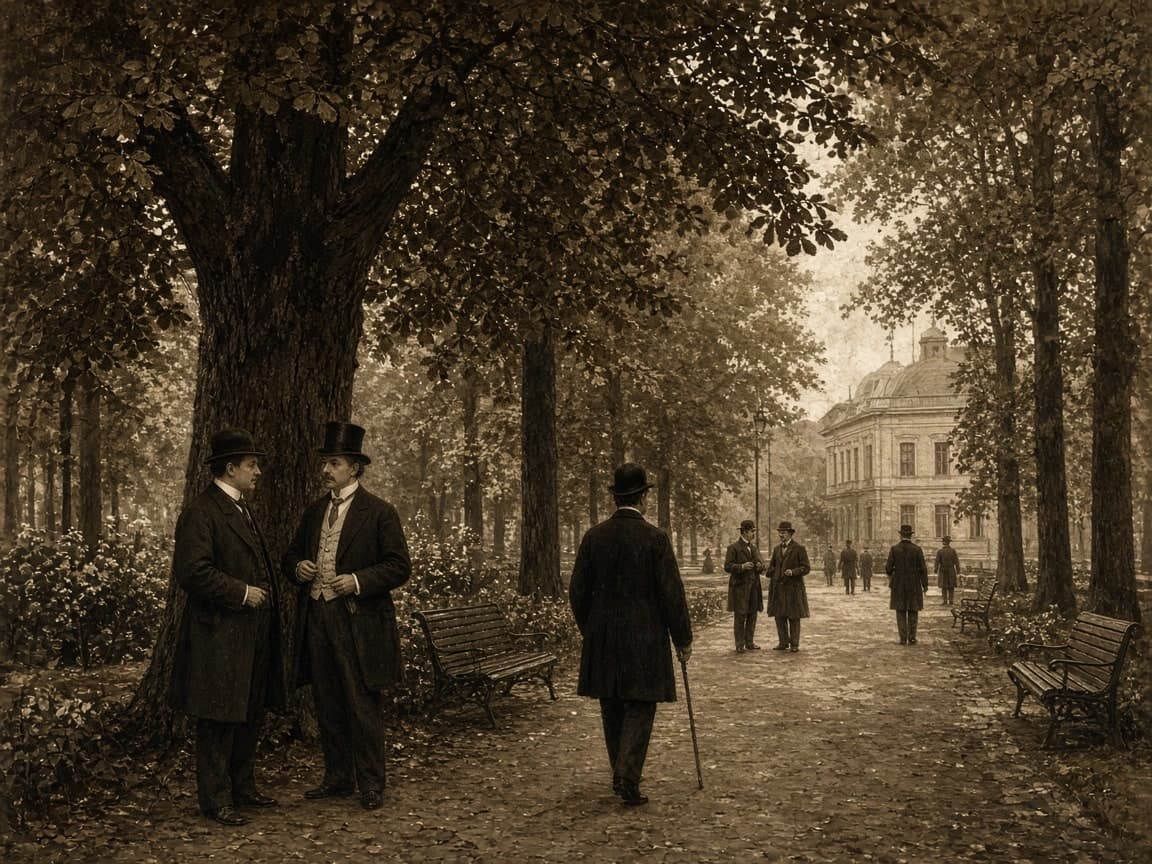
Spring 1904. University Garden. Among the strolling public—a group of gentlemen. To look at them, one could never guess that these respectably conversing men were leaders of Russian revolutionary terrorists…
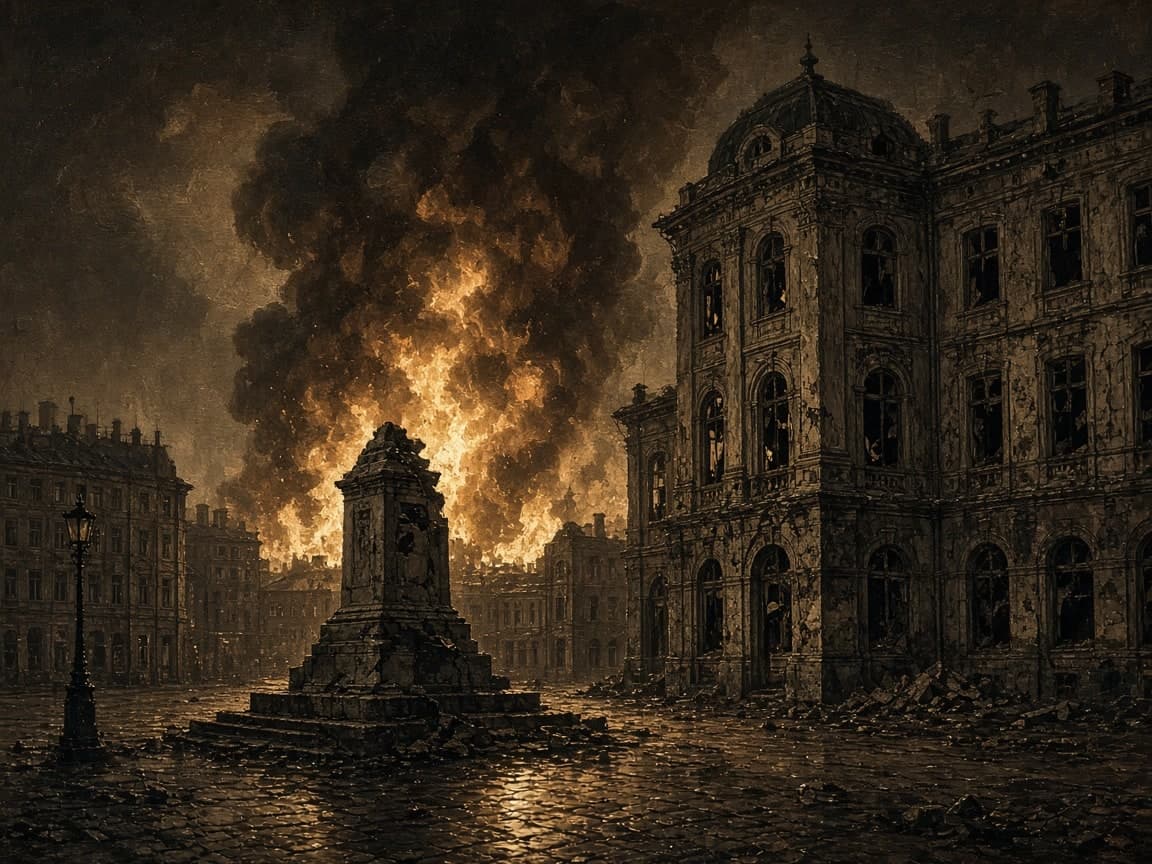
On the night of October 31 a powerful explosion rang out in the very center of Kharkiv, heard in distant parts of the city. The blast wave shattered many windowpanes and left a fairly deep…
Zhandarska was the old name of the square now named for the Red Militiaman, where the historic fire station with its watchtower stands on Poltavsky Shlyakh Street. Once, toward the end of the nineteenth cent…
Gluck's violin Melody moved the audience at the Small Theater on Kharkiv Embankment to tears. The guest from St. Petersburg, Vera Komissarzhevskaya, played Nora—the heroine of the eponymous dra…
Among the tenants of the multistory apartment house at Sumska 6 at the century's start stood out an impetuous young man who seemed not to live but to be intoxicated by life. He dressed with refined taste and had a solid…
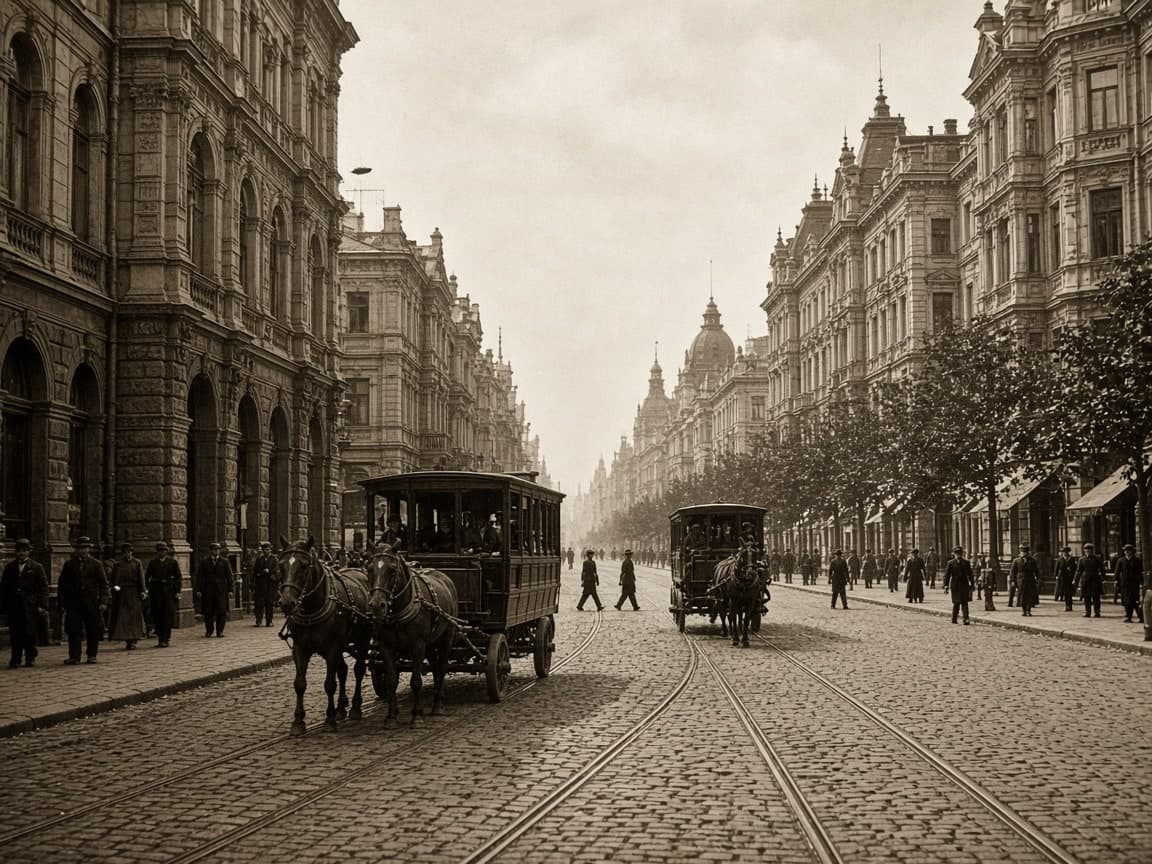
The early twentieth century. Rails were laid along Pushkinska, Sumska, and other main arteries. On some lines trams clanged; on others crept cars drawn by horse power in the literal…
"General Peshkov's selfless activity and the willpower and tact he showed greatly helped preserve order and calm in Kharkiv province"—thus the Russian interior minister…
The Kharkiv Medical Society had a country house with farm outbuildings outside the city. In October 1907 oats vanished from the barn—they fed the horses that carried the doctors. At the dacha…
At seven in the morning in May 1908 a shot rang out in a private room of one of Kharkiv's private hospitals. Wh-
The compiler of this collection nostalgically recalls his youth when the family's favorite (and quite affordable) treat was the Delis—a chocolate wafer cake. Such cakes were made in various sizes…
"Having written four stories in two years, I decided I had done enough for native literature and meant to rest properly—but 1905 rolled in and, picking me up, spun me like a chip. I st…
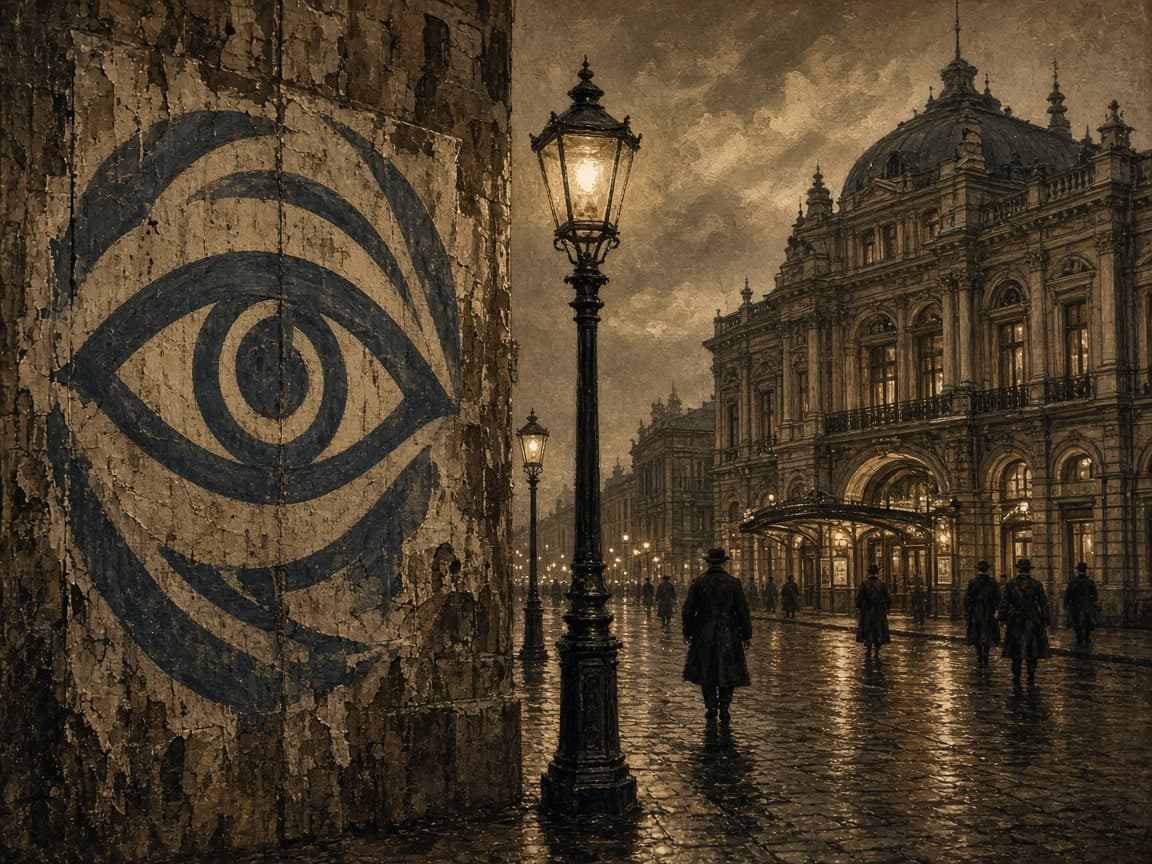
These words beside a symbolic eye appeared on theater notices, posters, and in the old Kharkiv papers Yuzhny krai and Utro. That was the name of a theater operating here in 1909–1911…
In 1913 in the courtyard of the Commercial Club on Rymarska Street (now the regional philharmonic) one could watch a curious spectacle. A group of people followed the actions of a man with a detached air…
January 1913. Kharkiv Public Library (now named for V. G. Korolenko). An poetry evening. Guests from Moscow perform—the poets Vasily Kamensky, David Burliuk, our fellow townsman, and twenty-year-old Vladimir…
What connection could there be between the mutiny on the battleship Potemkin in Odessa in 1905 and our city? A direct one! Our fellow townsman Afanasy Matyushenko led the revolt. He spent his childhood in Derhachi. When…
Kharkiv is unimaginable without the Law Academy (former Commercial School), the motor transport college (former Land Bank), the puppet theater (former Volga-Kama Bank), the institute named for M…
undated · Saltivka
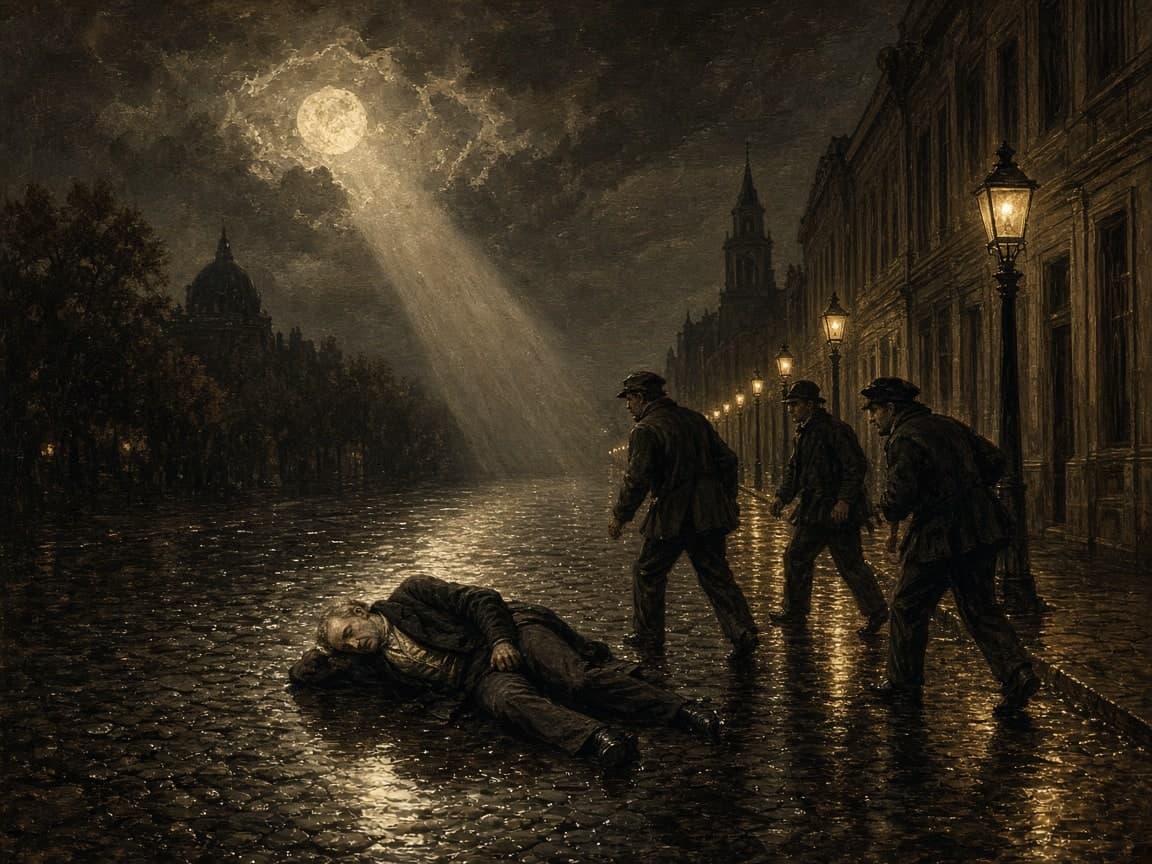
One night on the street robbers set upon a respectably dressed gentleman. After beating him soundly they began to strip him—but the moon peeked from behind a cloud and one robber cried: — Wait, brothers!…
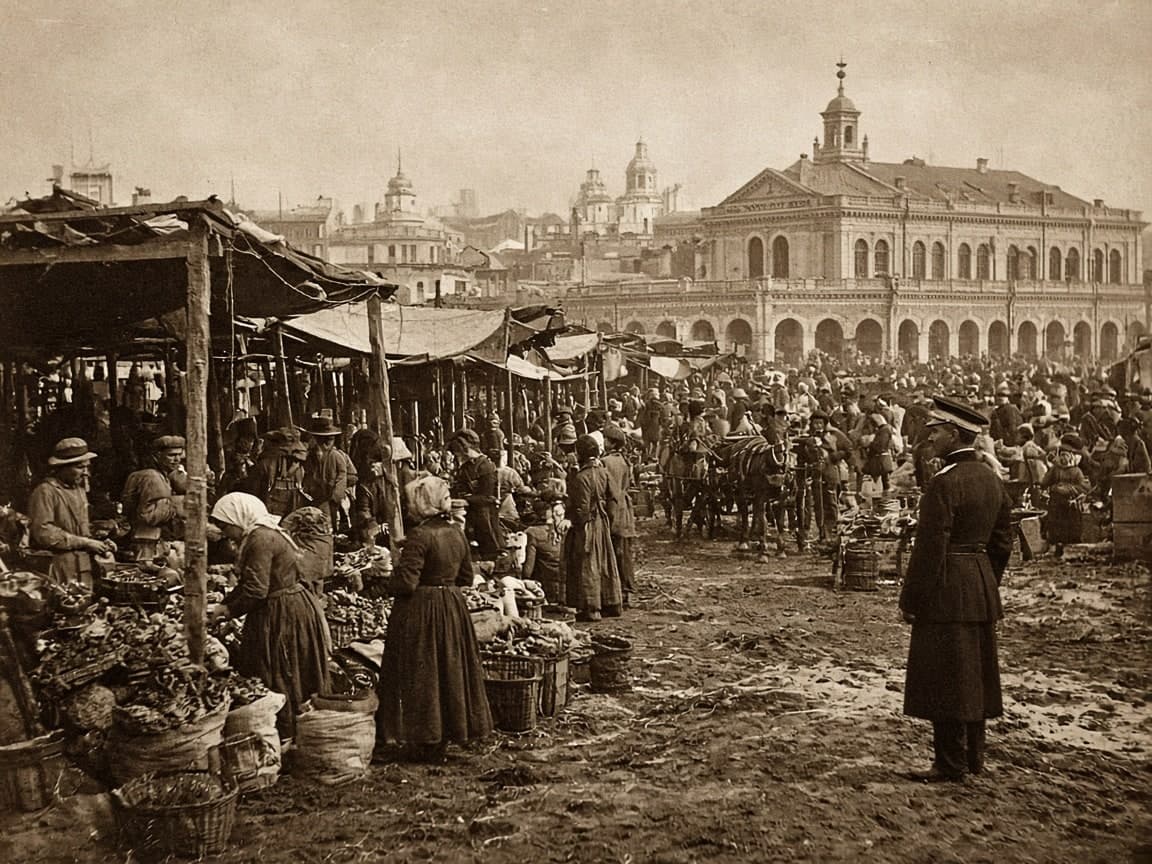
The unkempt Blagoveshchensky Market long vexed city head A. K. Pogorelko, and he planned to set it in order. In Germany the mayor found a solution to the prob…
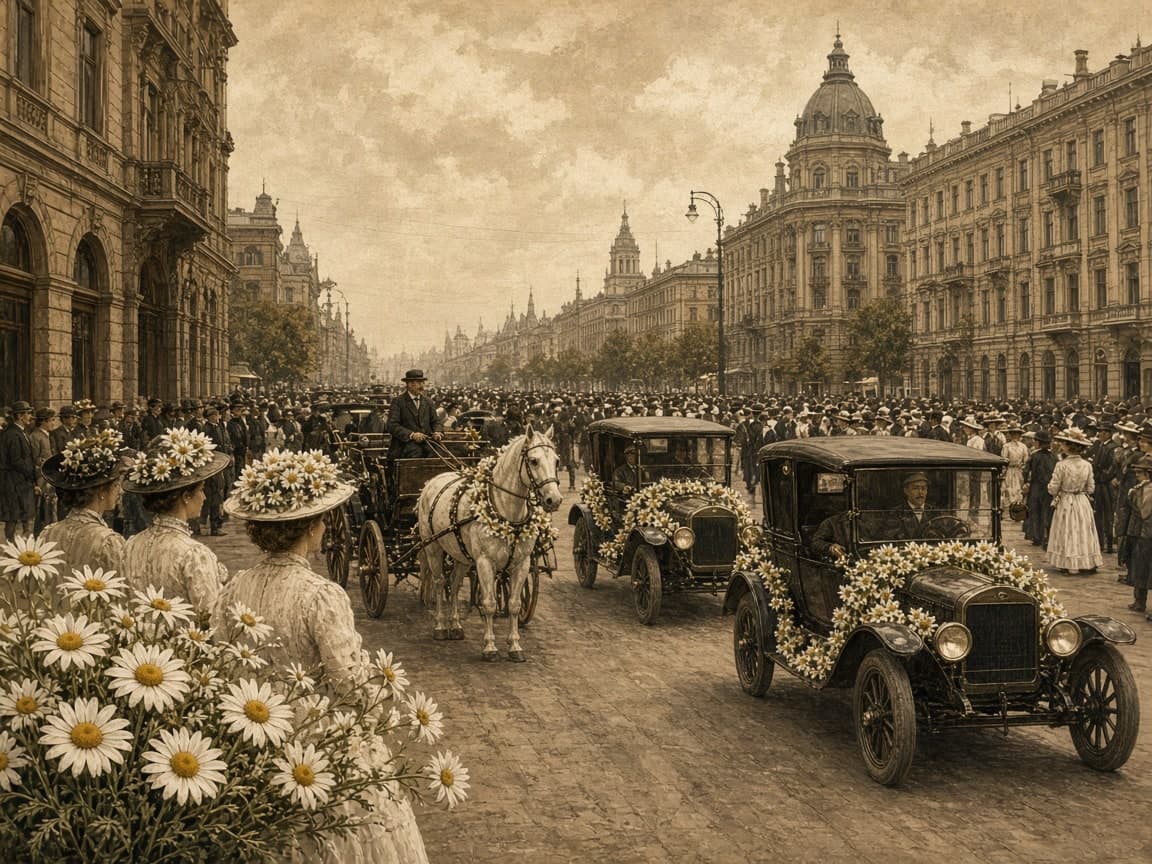
Once a year carriages and automobiles decorated with daisies rolled through Kharkiv's streets. The flower sold everywhere: Mykolaivska and Pavlovska squares, Sumska, Moskovska, Katerynoslavska…
Kharkiv residents had to cover an army corps' retreat. The fight on the Ekau River on 12 August was especially heavy. For twenty-four hours under steady fire the regiment slowly fell back from position to position…
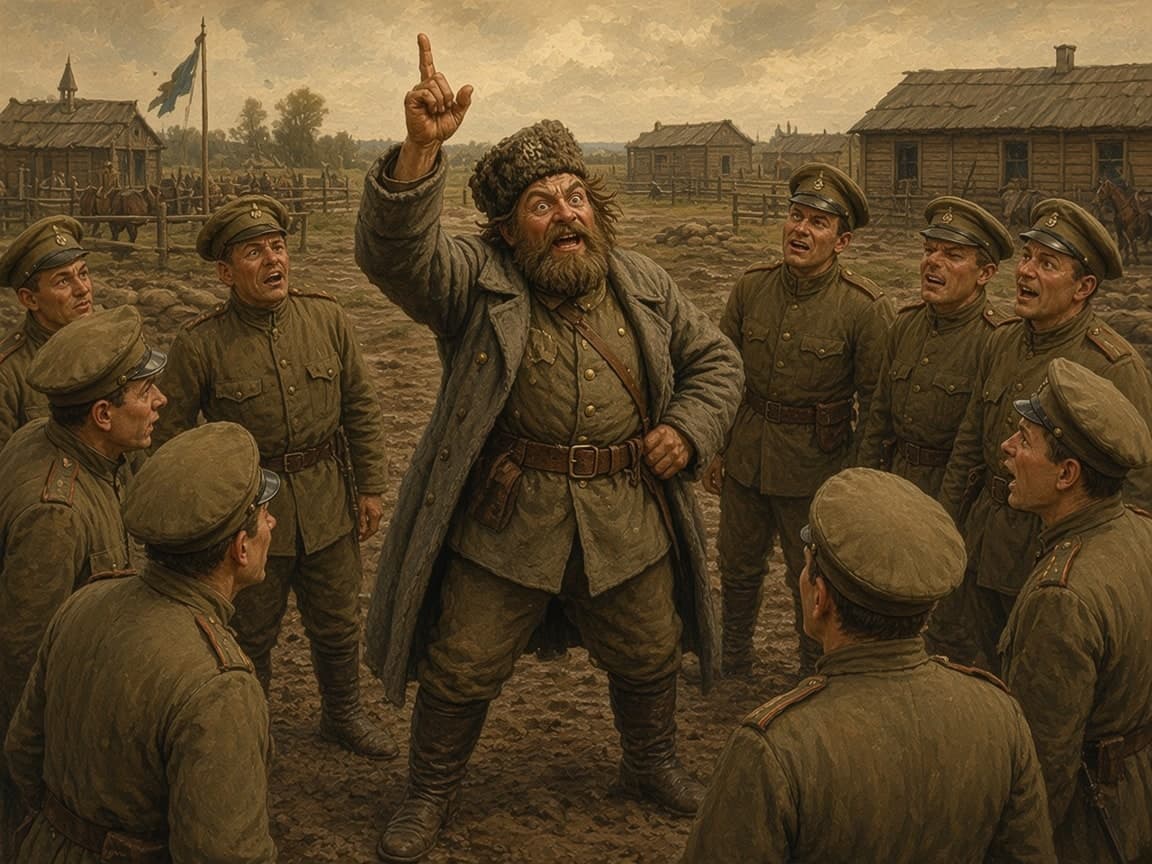
A platoon leader in the training detachment at Izium was a noncommissioned officer nicknamed Four and a Half. They called him that because the index finger on his right hand was half short. He often joked…
Soviet Kharkiv · Industrial district
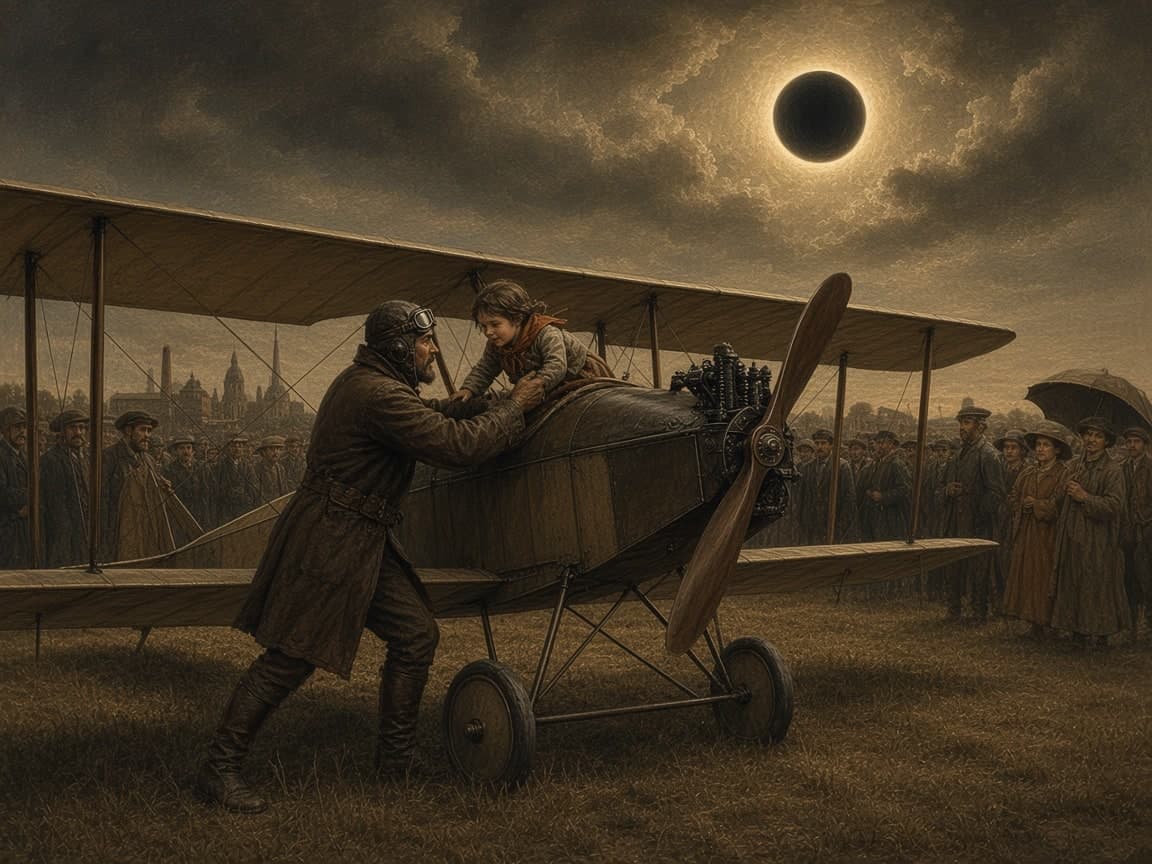
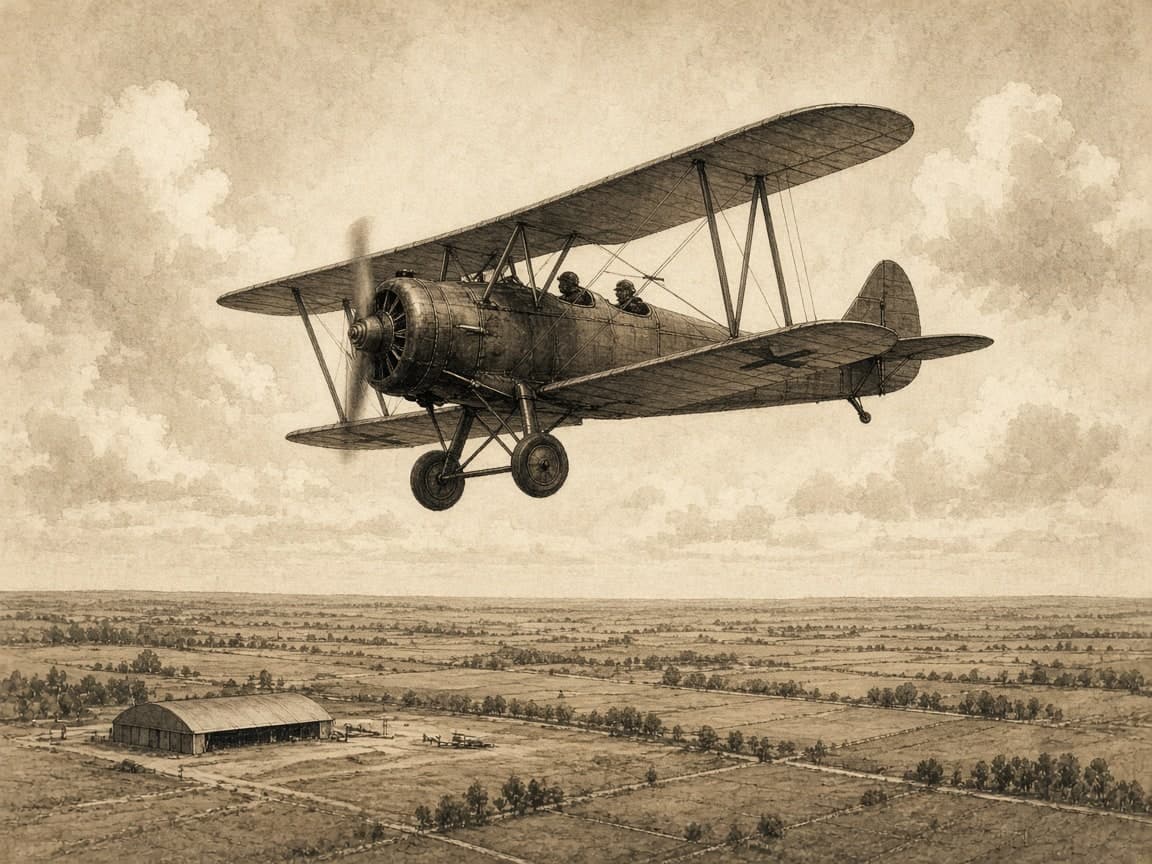
A crowd watched the pilot seat a girl in the cockpit, then climb in himself. One needed full faith in the machine to lift one's daughter into the air—especially as the airplane was of his own design…
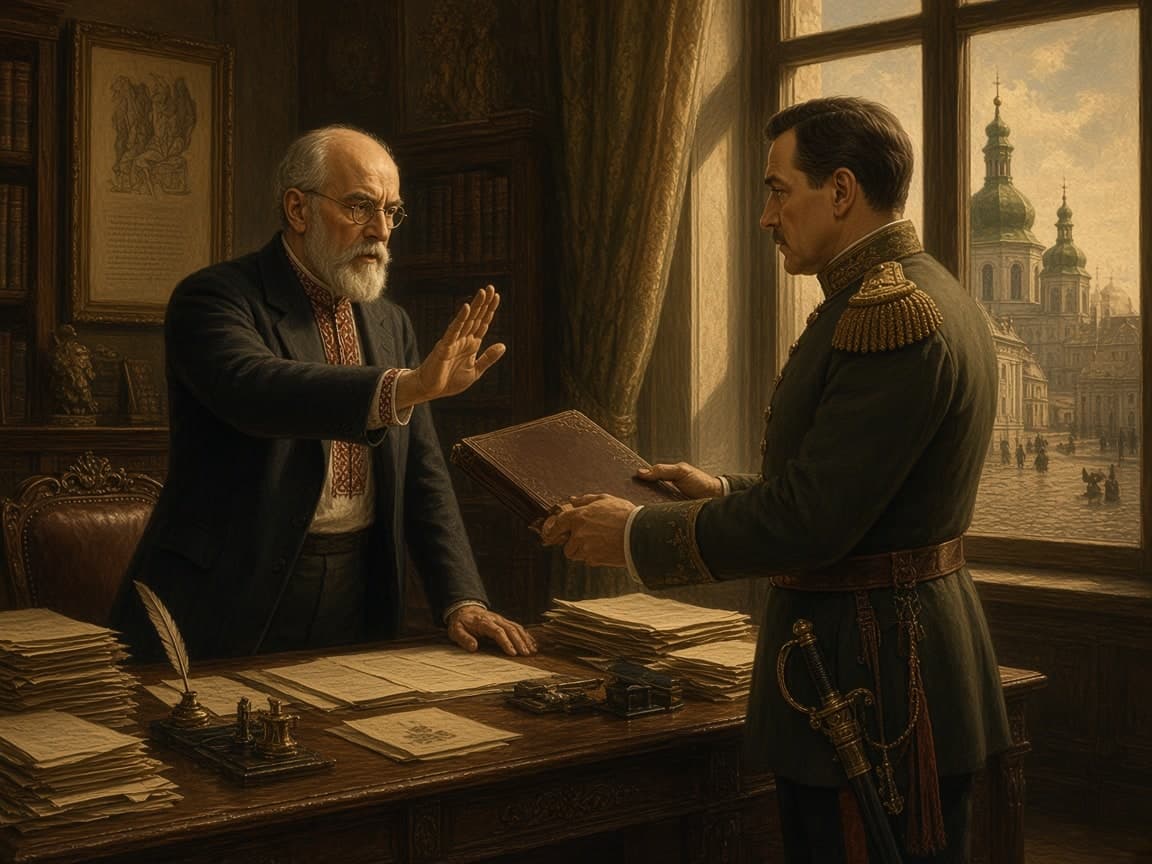
In 1918 Hetman P. Skoropadsky offered D. I. Bagaley the premiership, but he declined—by then disillusioned with politics. Yet Bagaley had administrative experience as Dmyt…
early 20th century · Industrial district
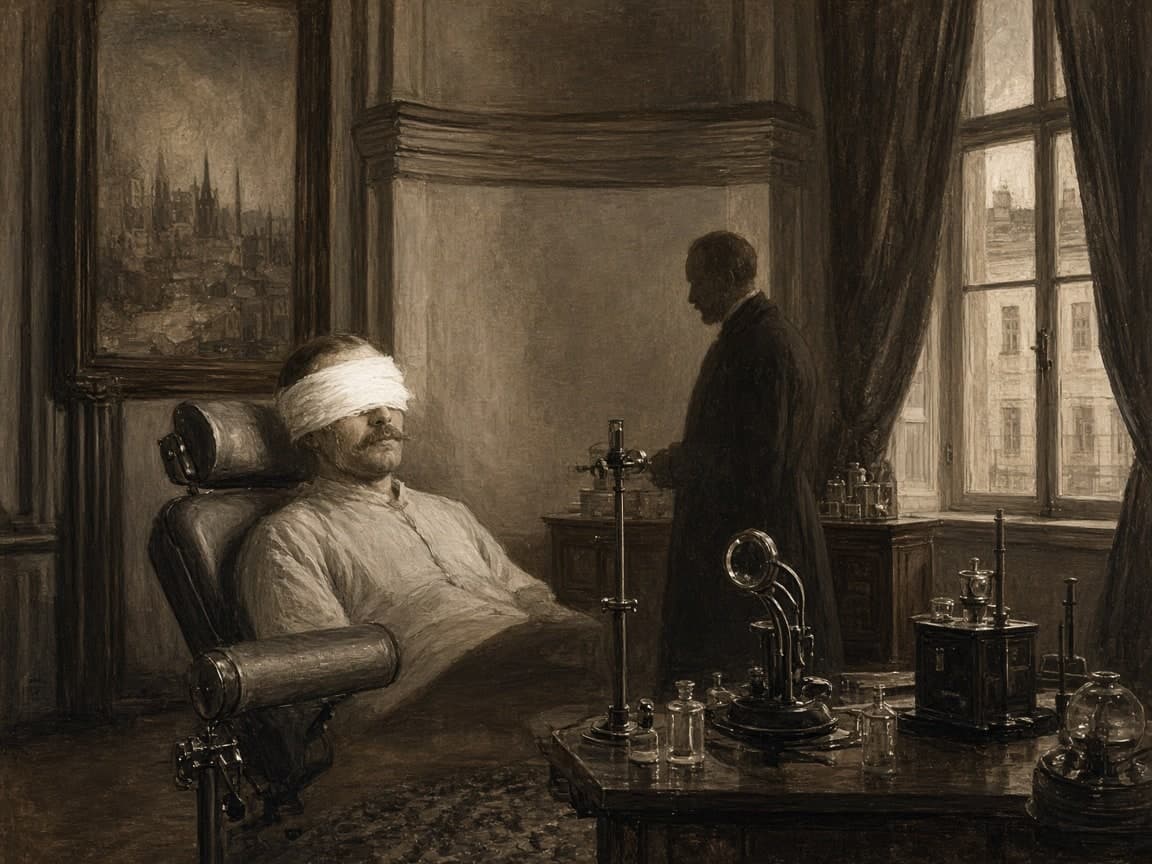
In October 1917 a patient was treated at Hirshman's Kharkiv eye clinic. She had damaged her sight preparing a terrorist act in Kyiv in 1906—the bomb exploded…
Soviet Kharkiv · Kharkiv
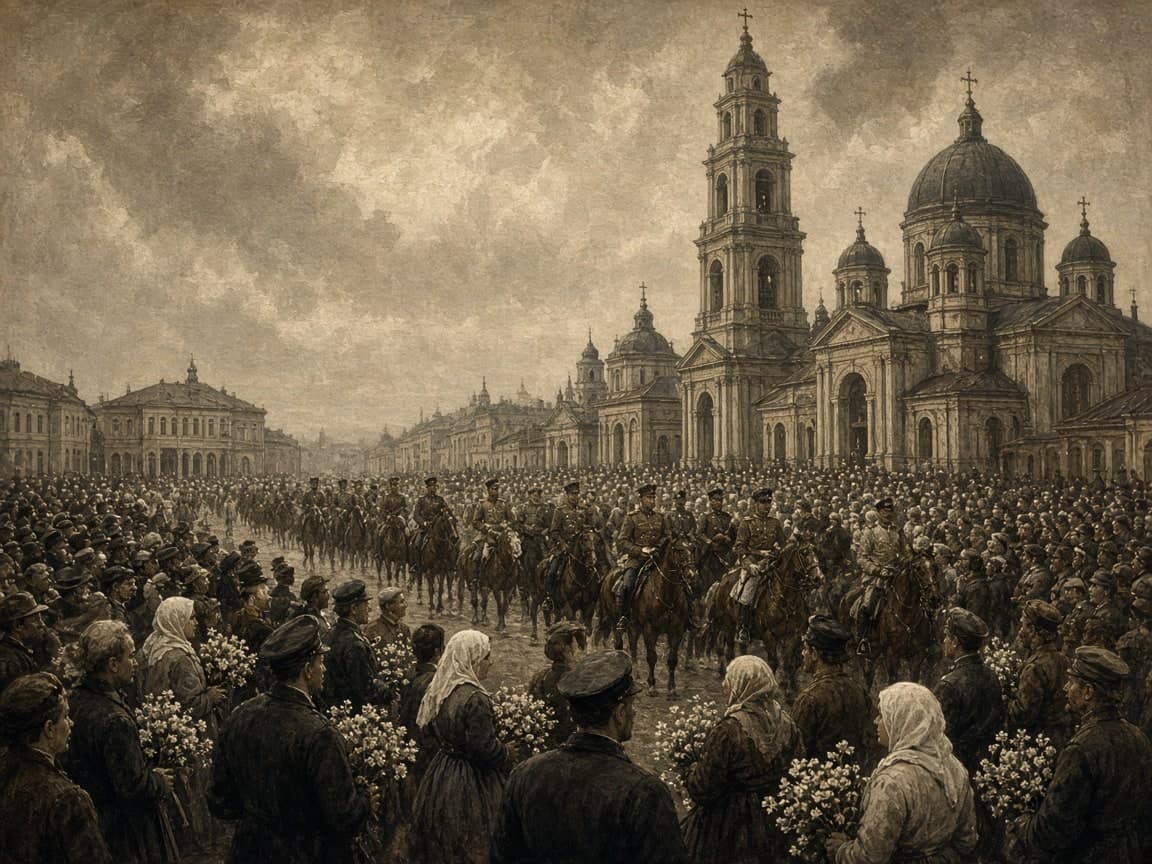
On 24 June 1919 Volunteer Army units entered Kharkiv. They were greeted with flowers and solemn bell-ringing. A service was held in the cathedral for the "miraculous deliverance of the ancient Orthodox…
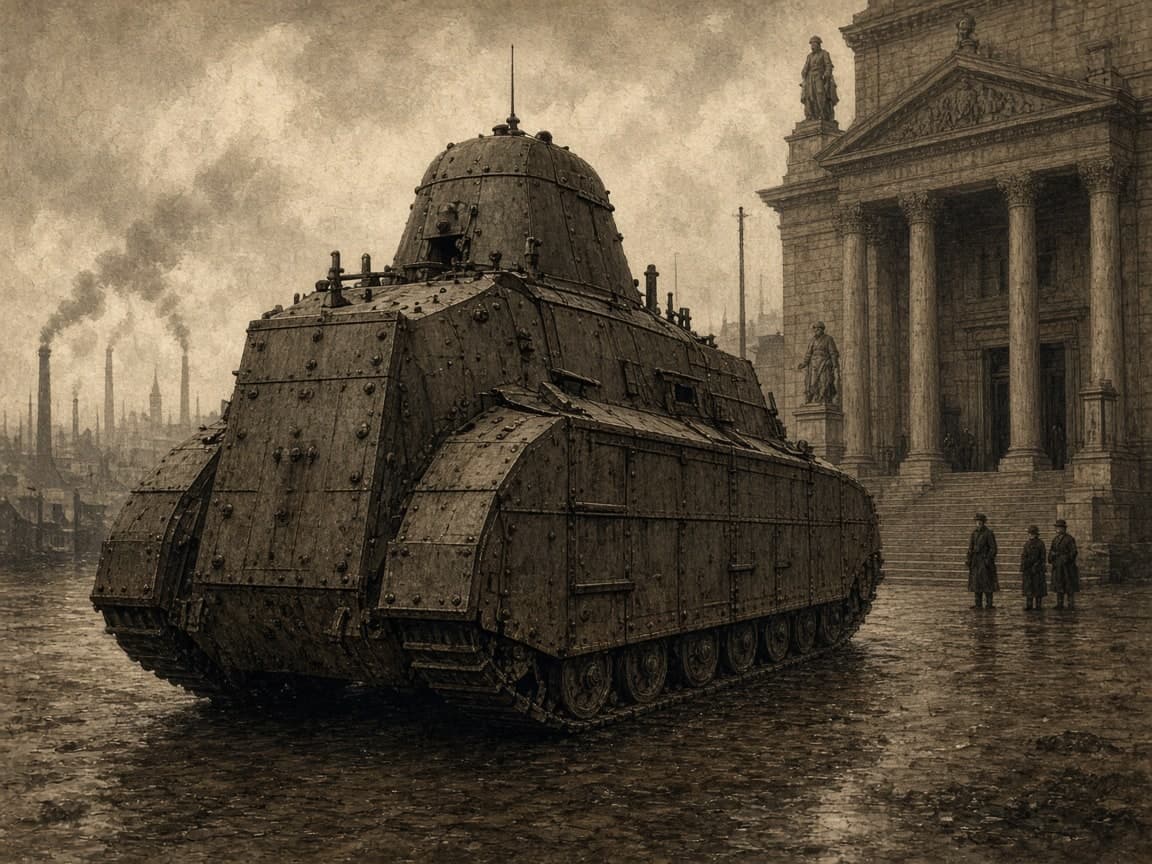
The hulk near the history museum looks strange, like a huge riveted iron box. It is one of the first tanks mastered by world military industry. Its homeland…
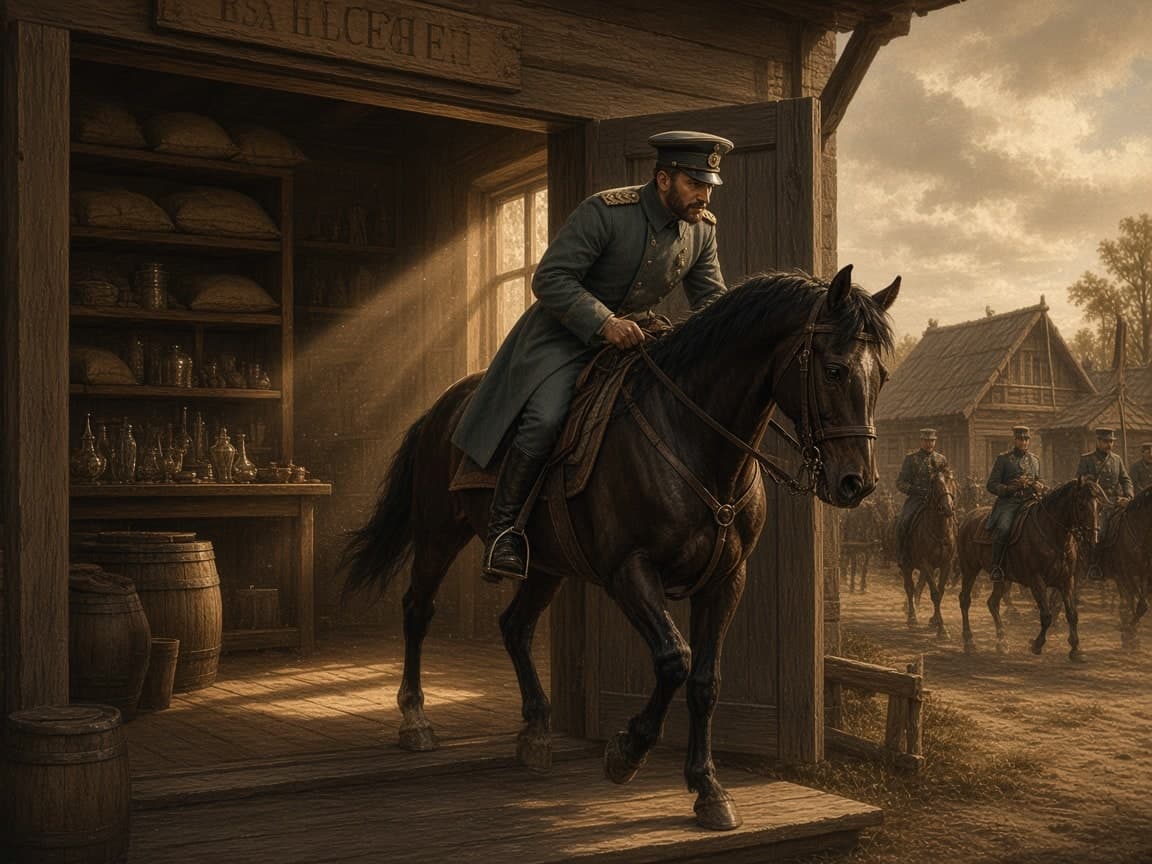
1919. Kharkiv region was held by General Denikin's Volunteer Army. Colonel Isenberg passed through Velykyi Burluk village. He decided to look into local landowner Zadonsky's estate. It lay in ruins…
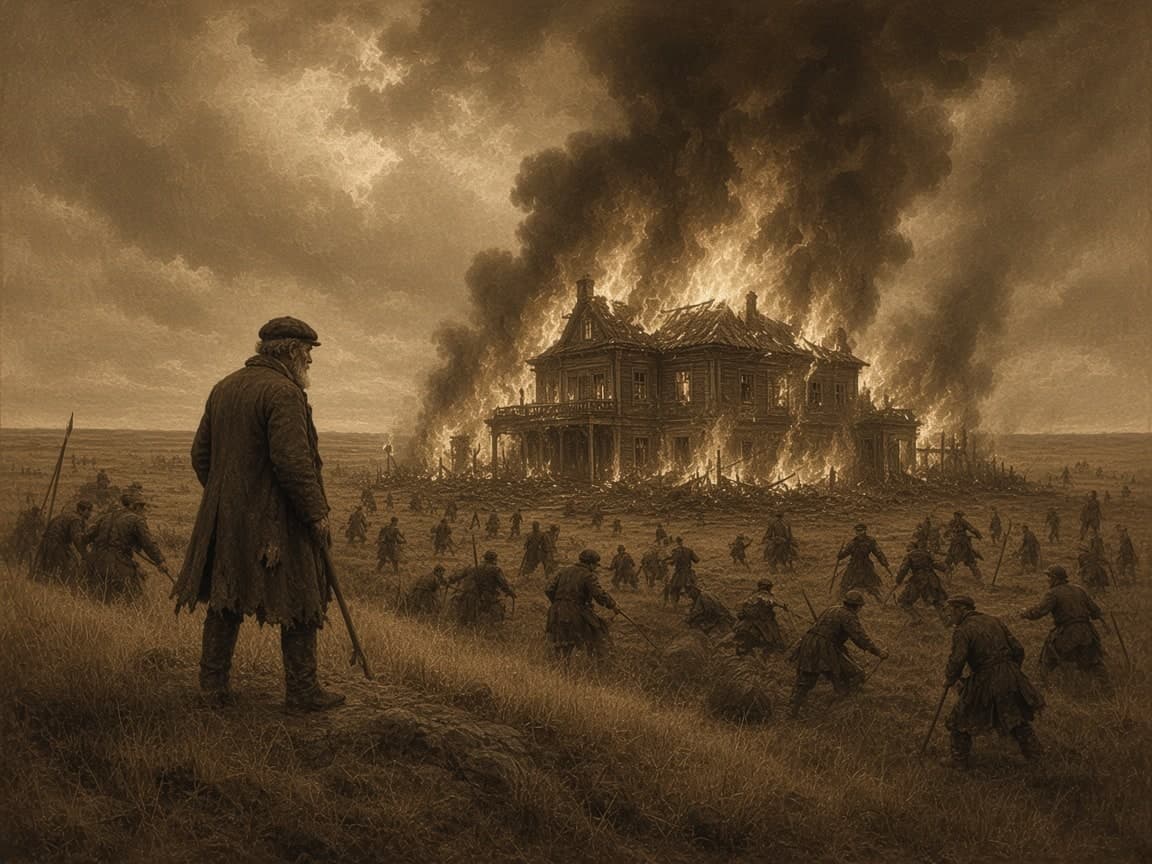
After the revolution, peasants from neighboring villages descended on the Zatyshok farmstead in Kharkiv region, looted the manor house, and then burned it. The owner did not witness the vandalism, since before…
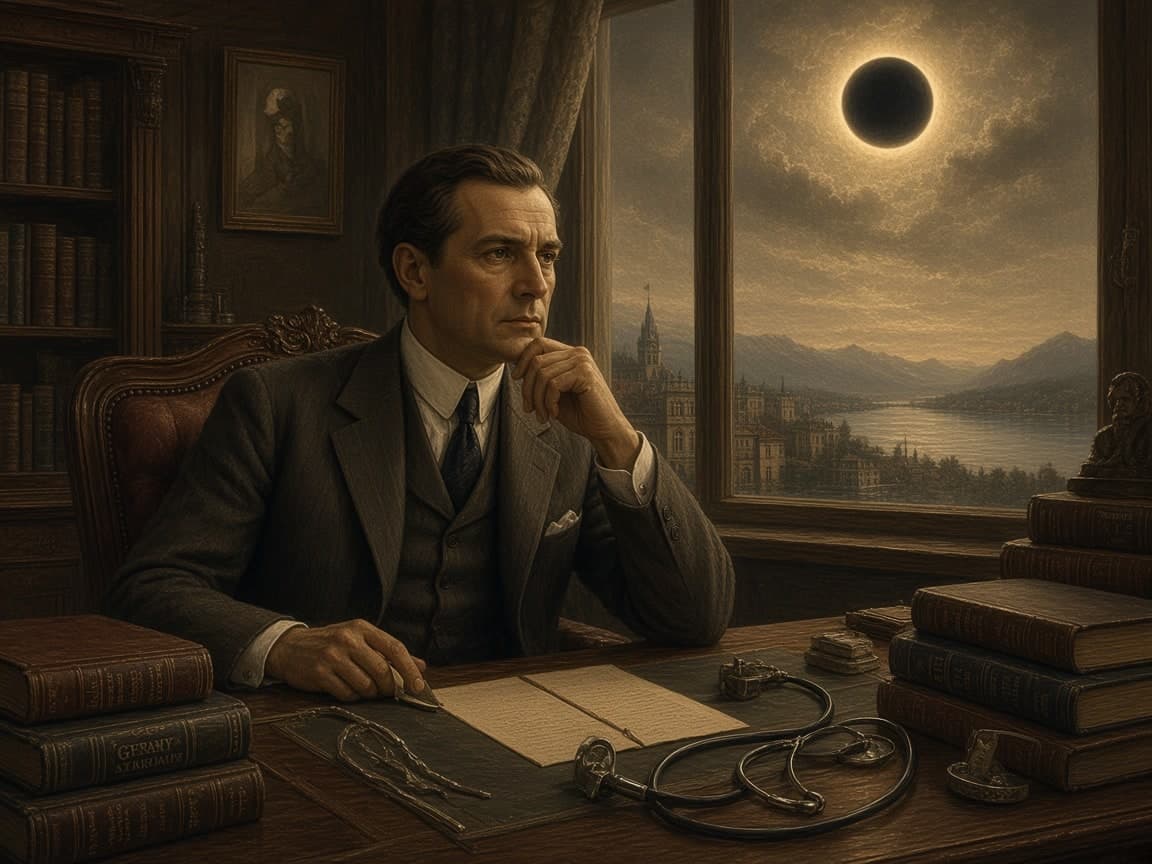
This man studied medicine in Geneva and Zurich, where he encountered psychoanalysis; he spent the last two years of his studies in France. He completed his medical education in 1897 with a doctoral diss…
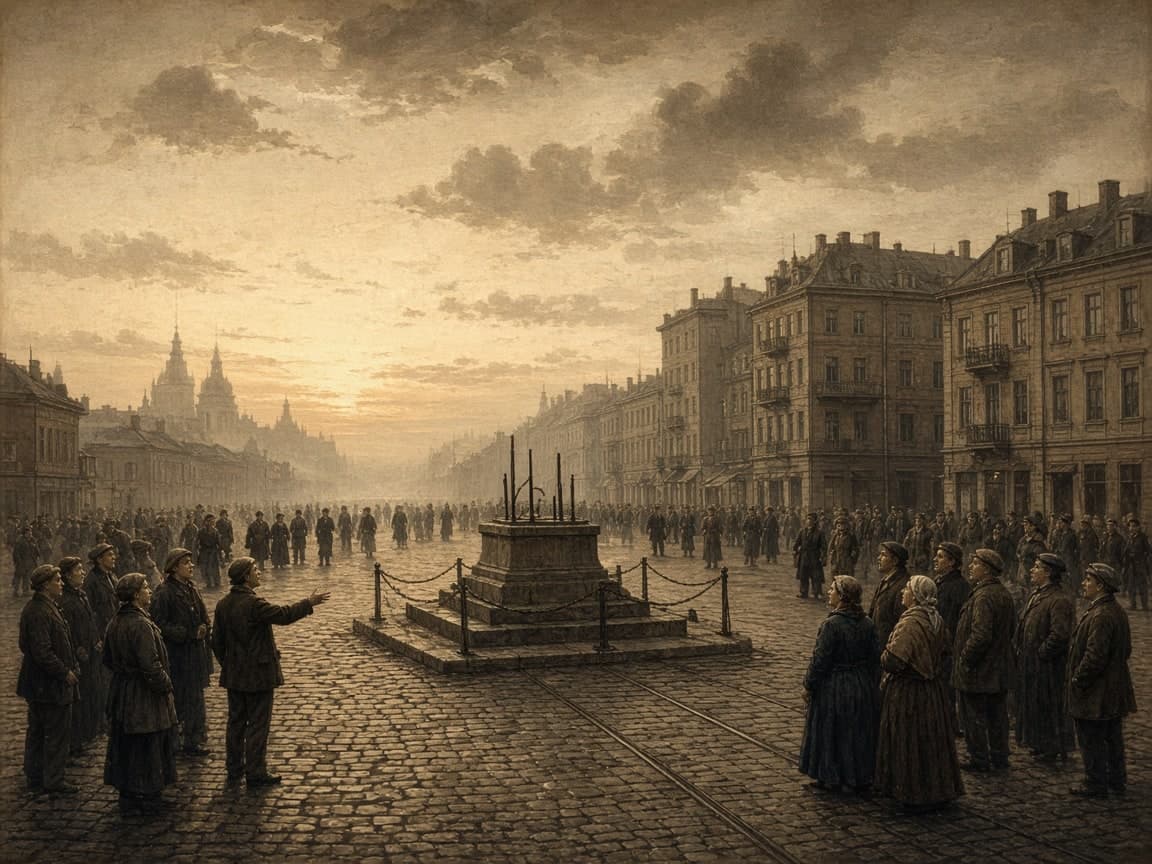
One morning, passing the small square where Hirshman, Chernyshevsky, and Artema streets meet, Kharkiv residents were surprised: the monument that had stood in the middle was gone. The official version said it had been accidentally… at night.
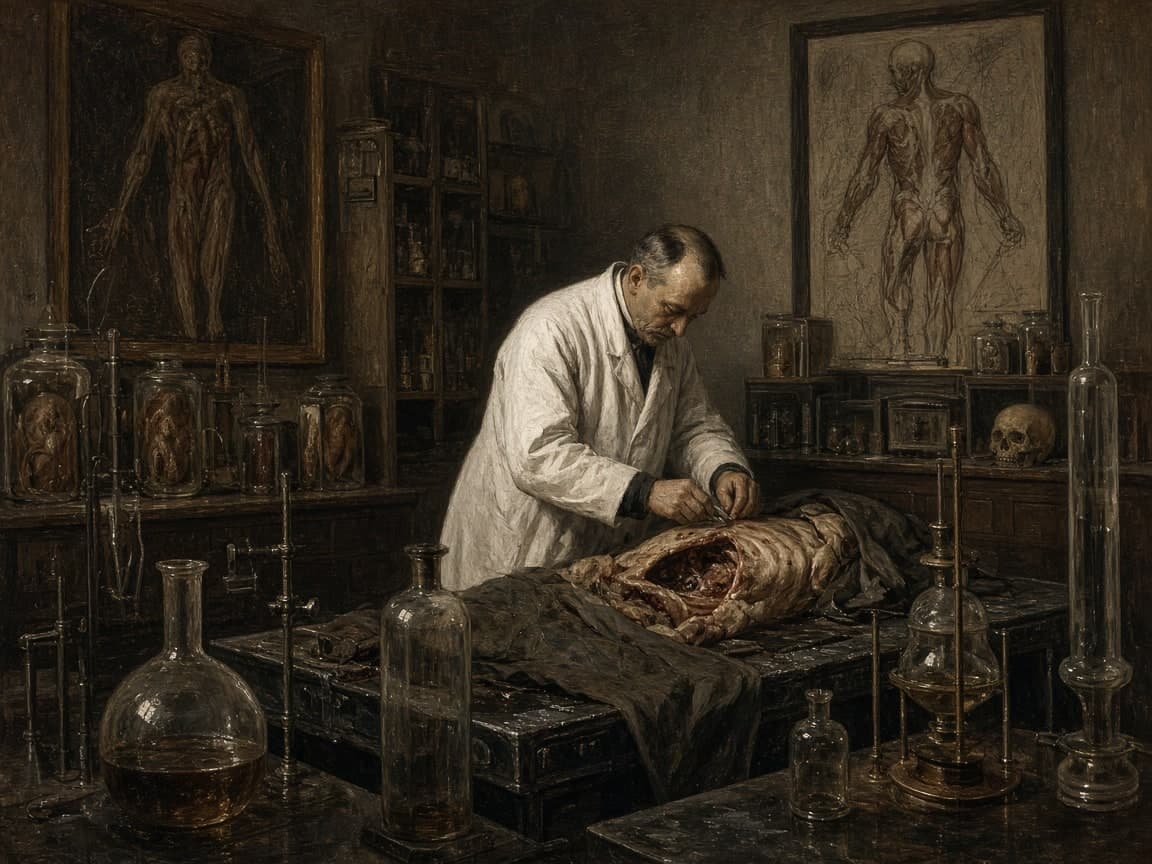
On January 22, 1924, Vladimir Lenin died. Just two days later the Council of People’s Commissars decided to embalm the body. Specialists carried out the operation, yet Kharkiv professor-anatomist V.P. Vorobyov expressed…
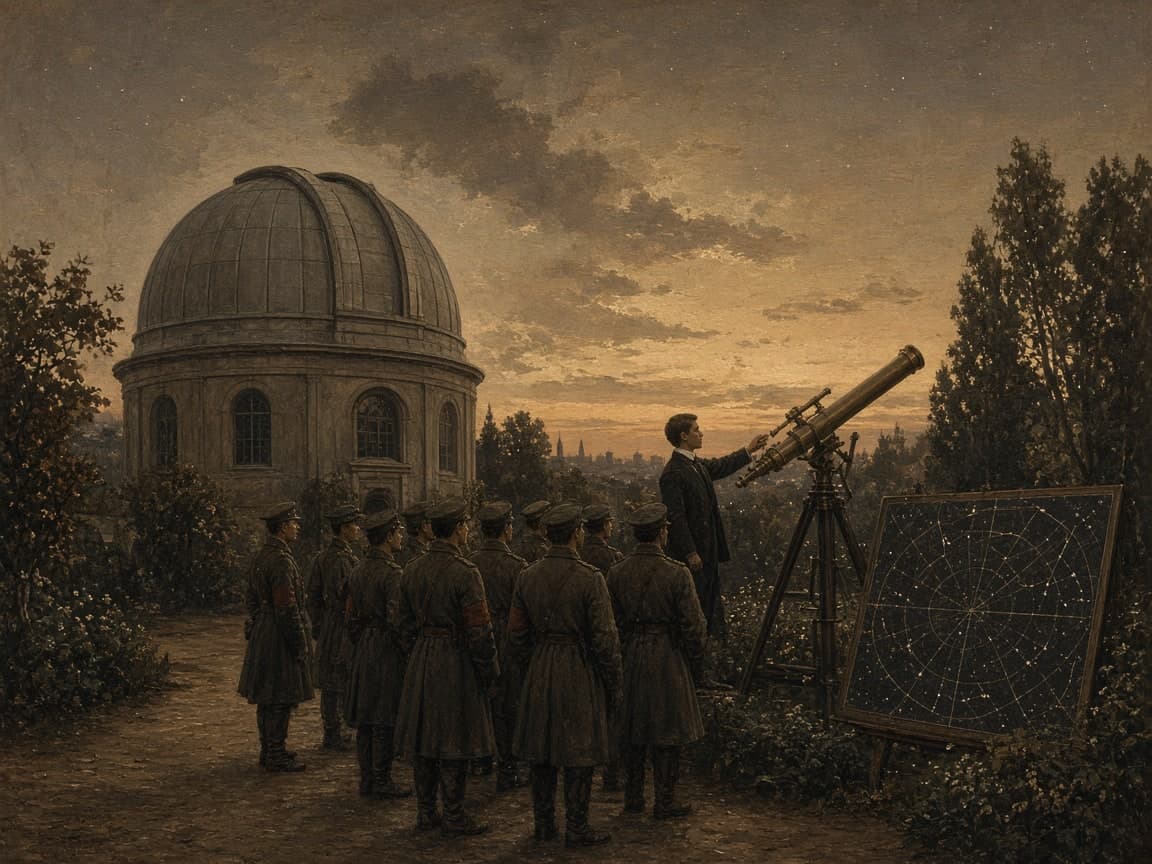
1920. A detachment of Red Army men stopped by the observatory in University Garden. They were met by the director—a young man. The commander asked to hear about astronomy and see the instruments. — Not here…
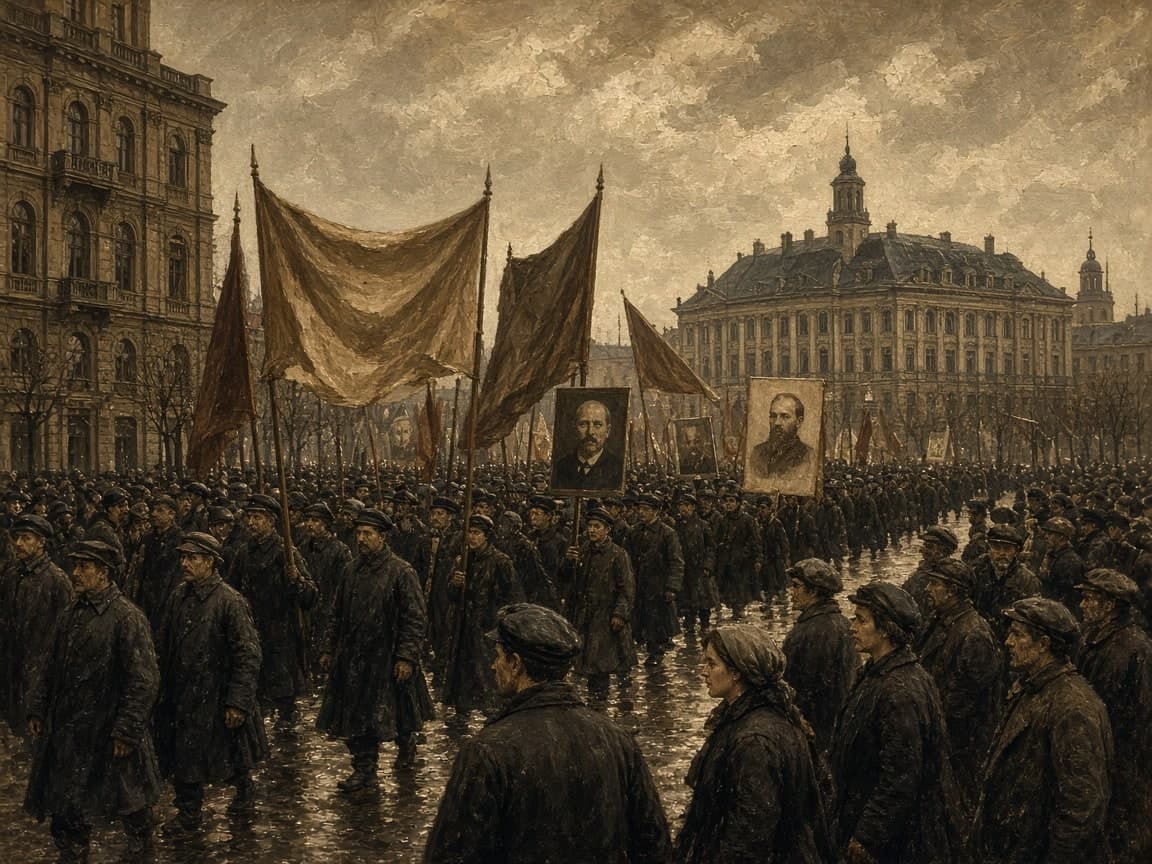
November 7, 1924. The traditional city demonstration marking another anniversary of October. From all sides columns of marchers with portraits and banners converged on Tevelev Square (now Const…
In the First World War A. Sharghei served at the front, then joined the White Army. He did not stay long and after Soviet power was established turned to peaceful work. Yet he constantly lived under the threat that White Guard…
“On the Square” was and remains the most famous poem of the Civil War years—this poetic masterpiece embodied the essence of those events. Its author was the then very young Pavlo Tych…
A girl came to the admissions committee of Kharkiv University (after the revolution it was called the Kharkiv Institute of Public Education)—among other applicants submitting documents. — Your surname?…
“Sadovsky returned to Ukraine from emigration. He was allowed to perform in Kharkiv only once. The Franko Theater—that is, H. Yura’s company—was staging The Inspector General. There was no publicity: an ordinary poster on…
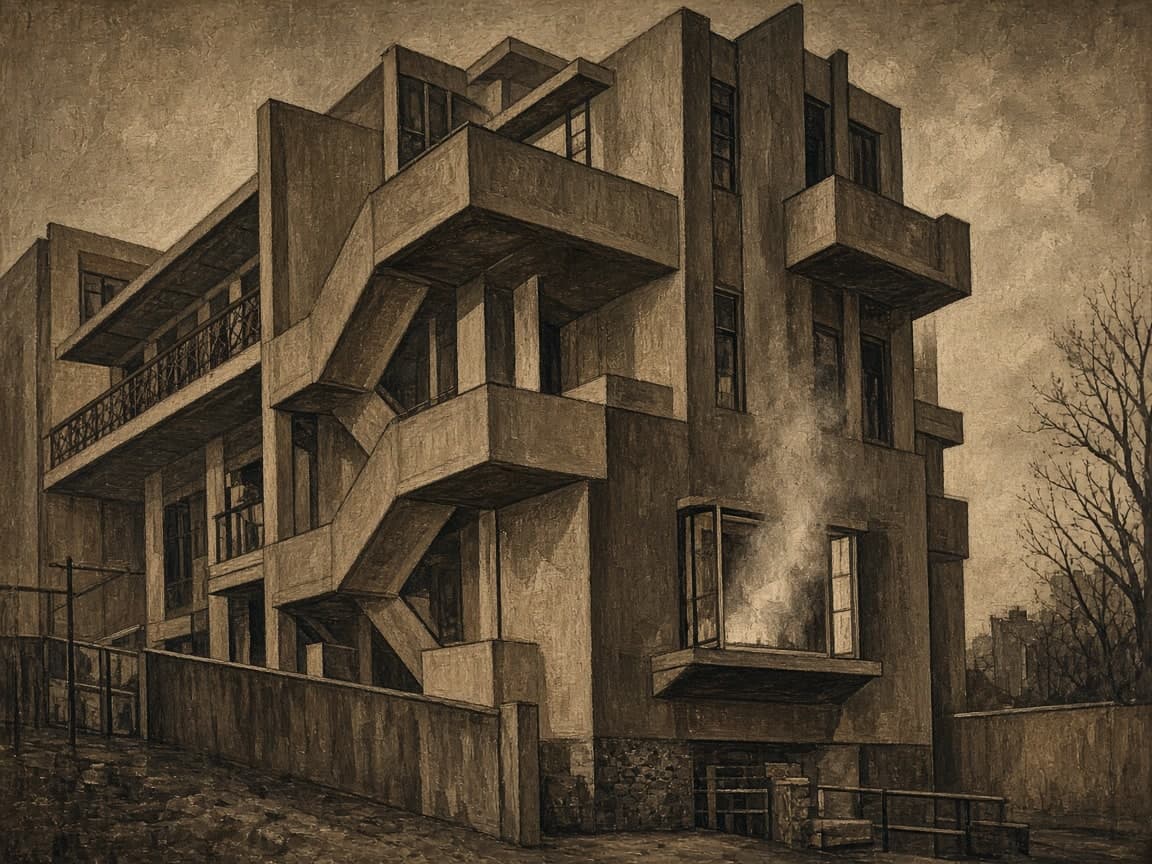
A structure of metal shapes and strips forming a double spiral that twists swiftly upward around the inclined axis of the building. The angle of the axis matches the tilt of the earth’s axis, the spir…
One April day in 1920 the poet woke up and a poem was born right there in bed. An hour later he was already reading it to his hosts (on Rybna Street—now Kooperatyvna): In an autumnal way it screeches…
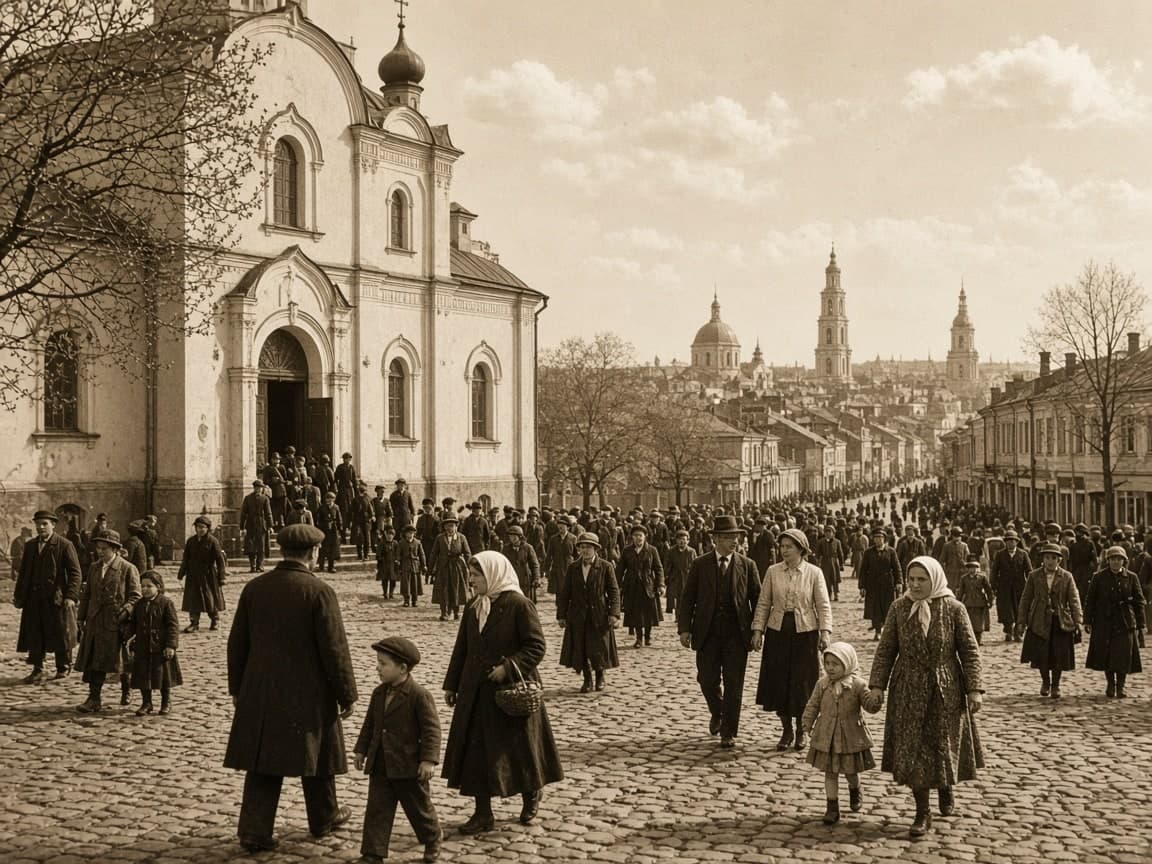
It was early spring 1920, warm sunny weather. Townspeople celebrated Easter and unhurriedly returned from churches—there were about a dozen in the city center alone. In Theater Square…
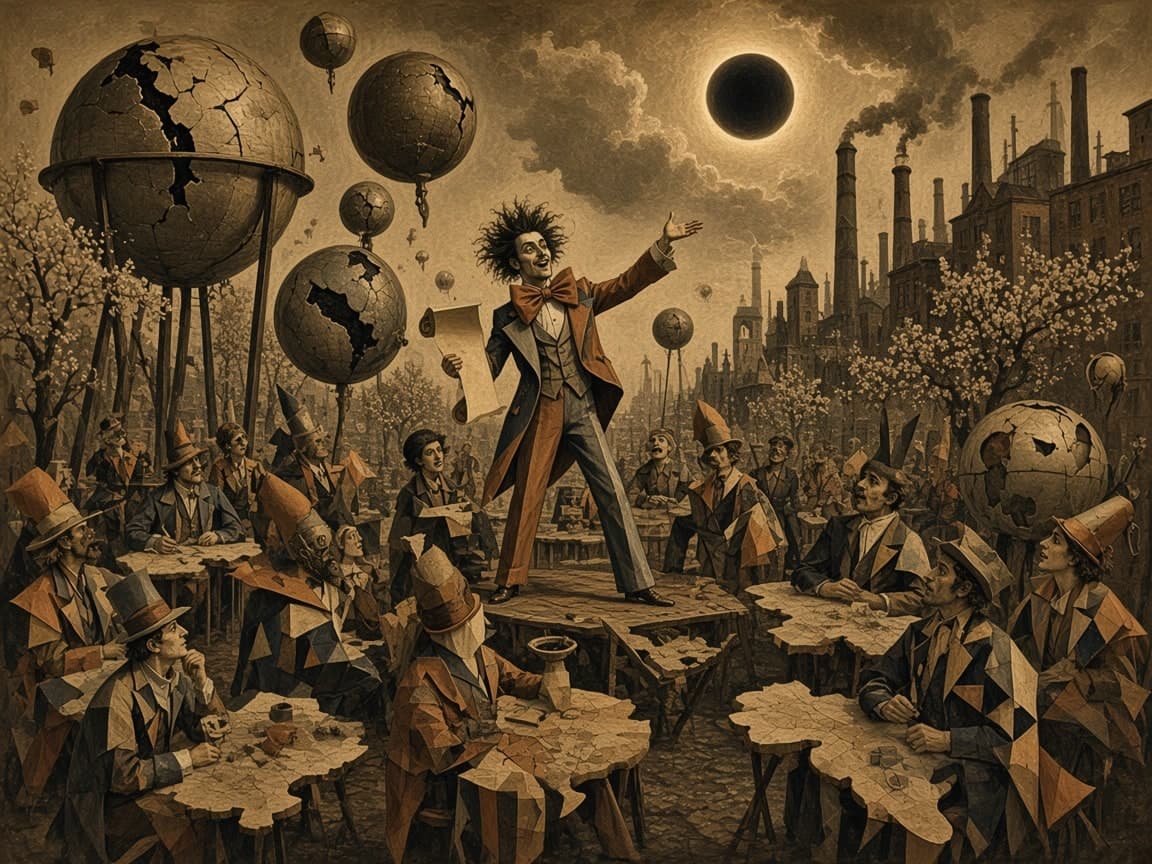
In May 1920 Kharkiv elected a Chairman of the Globe. The famous futurist poet Velimir Khlebnikov became him, swept by the waves of civil war into the capital of Ukraine. At first he was appoint…
It happened during one of Sergei Yesenin’s visits to Kharkiv. Glancing into his pocket watch one day, he found his “onion” missing. Of course the guest was not pleased—and did not notice how he st…
“I remember Kharkiv in mid-December 1921 vividly. Vladimir Vladimirovich and I wandered through the winter city on the ice, talking as we walked about many things: streets, poets. I recall, at Univers…
V. Mayakovsky was active in what was then the capital of Ukraine, working as a screenwriter with the All-Ukrainian Photo-Cinema Administration (VUFKU), and therefore felt quite comfortable materially in our city.…
"We opened the House of the Blue One—our writers' club, but the room set aside for billiards turned out too small for a proper table—we had to find a cabinet-sized one. Such tables, as if on purpose, were n…
The young but ambitious Kharkiv poet Mykhailo Holodny dreamed of meeting V. Mayakovsky, but nothing worked out. He was unlucky enough not to meet him even during one of Mayakovsky's visits…
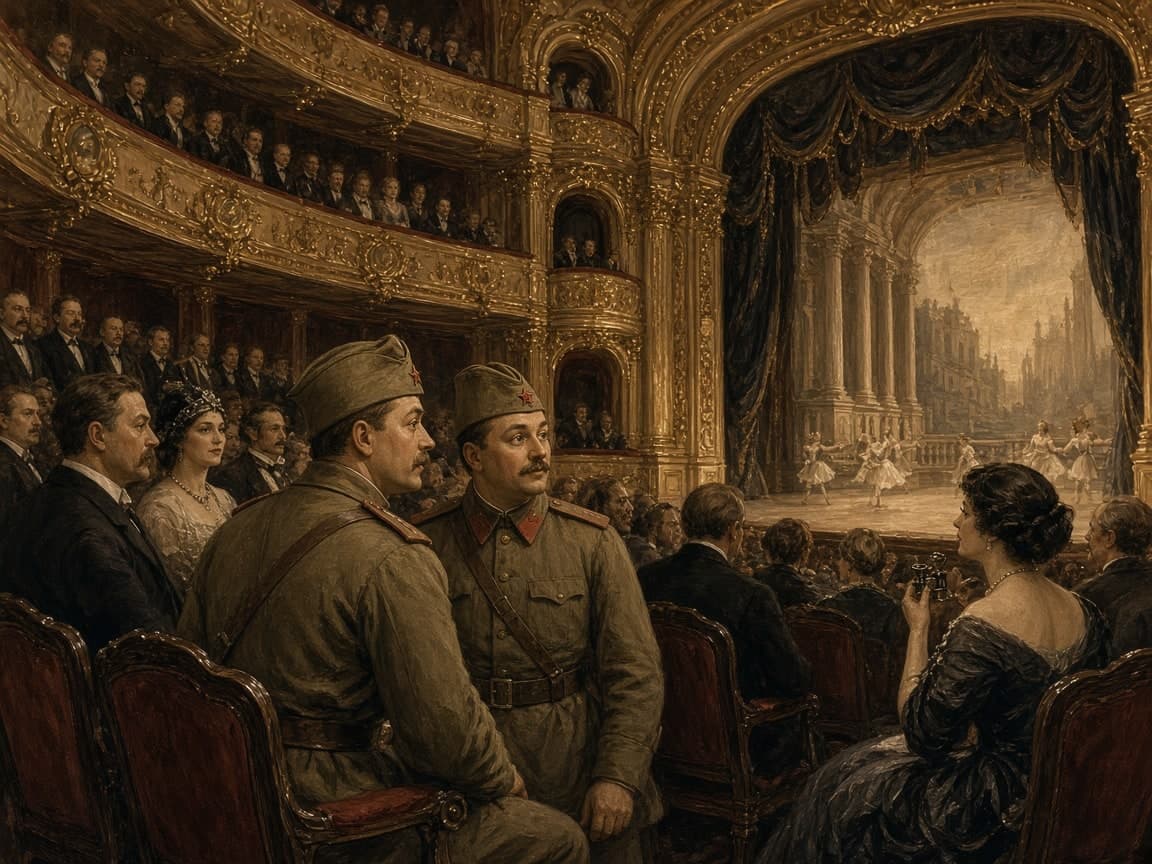
Two Red Army soldiers, aiming to raise their cultural level, received an order from their commander to go to the opera, and afterward naively describe their impressions: "And the orchestra is frying. Next—…
Soviet Kharkiv · Pavlove Pole
Alexei Pavlovich lived and worked in the North. Friends had often invited him to Kharkiv, and he finally decided, on Gorky's advice, to accept the invitation. Our city appeared before the writer gray and…
As I understand it, one variety of so-called discount is the following. If a client concludes a service contract with a particular firm (for example, a contract to use a system of e…
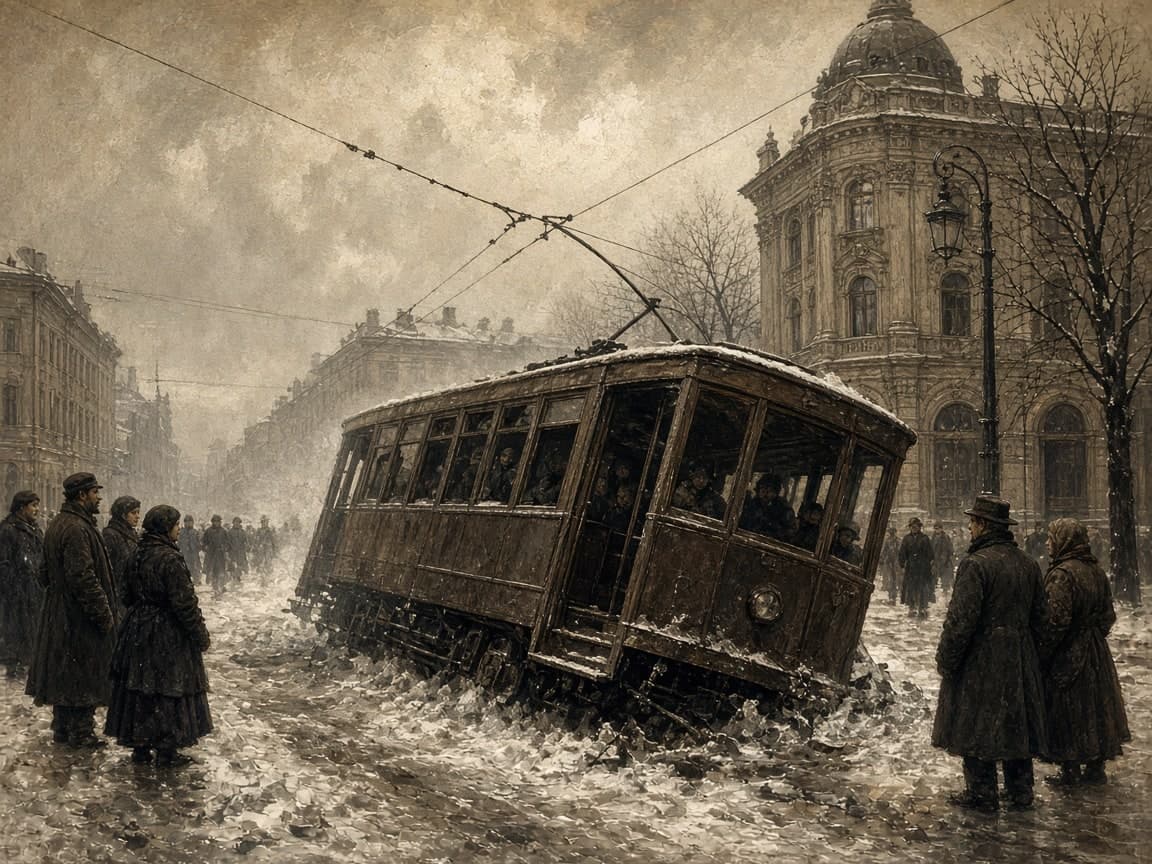
City residents witnessed a terrible scene: a tram raced down Pushkinska at full speed without stopping, and overturned at the turn toward the Korolenko library. People died, including the conduc…
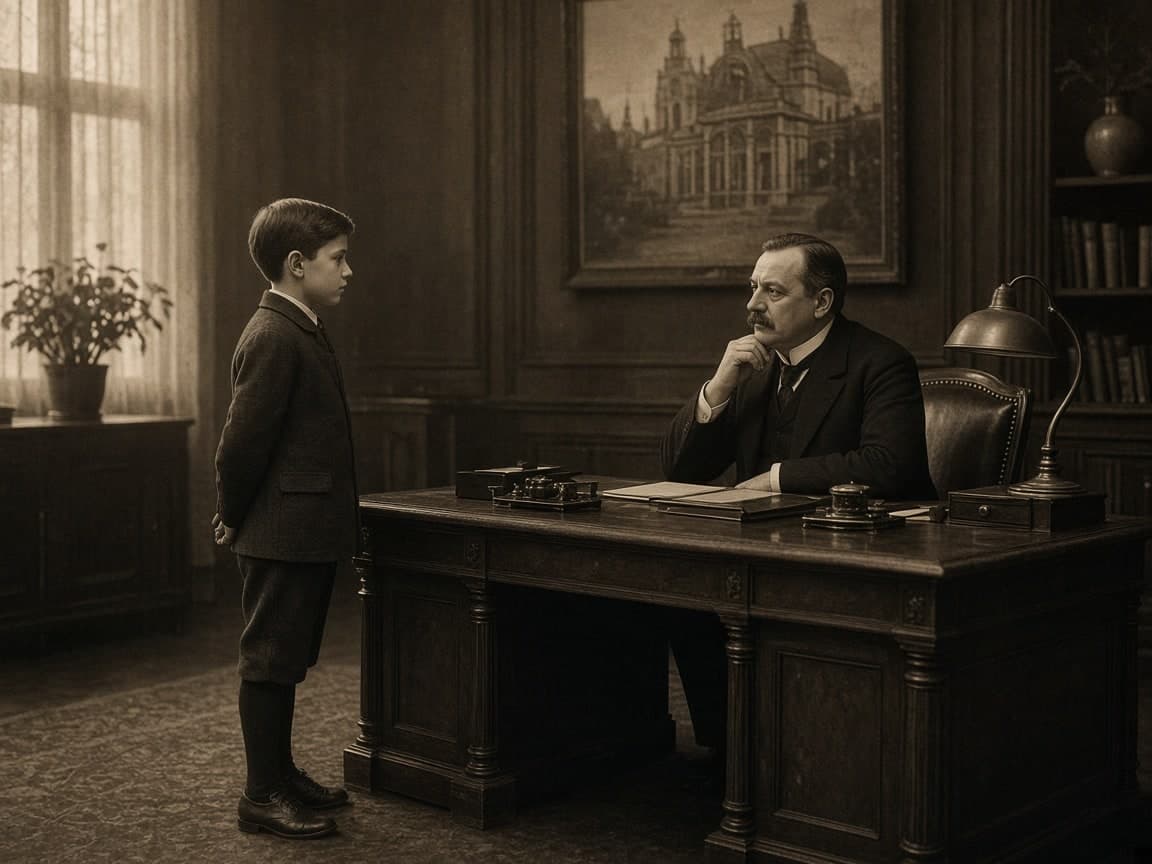
A boy appeared before the director of the Kharkiv Music College, Ilya Ilyich Slatin.
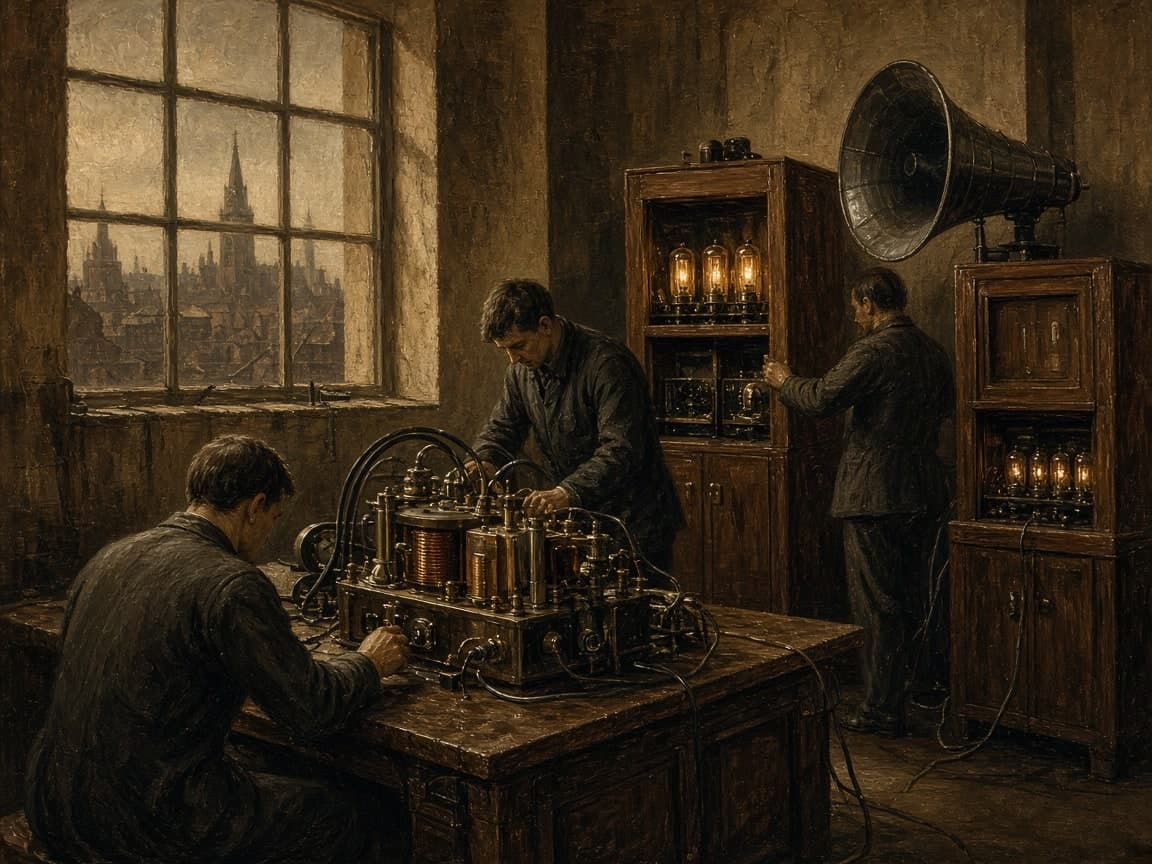
During one of his trips to Moscow, Chairman of the Ukrainian Council of People's Commissars V. Chubar met specially with V. I. Lenin to report on the development of radio engineering in Kharkiv. The leader was very interested in this issue…
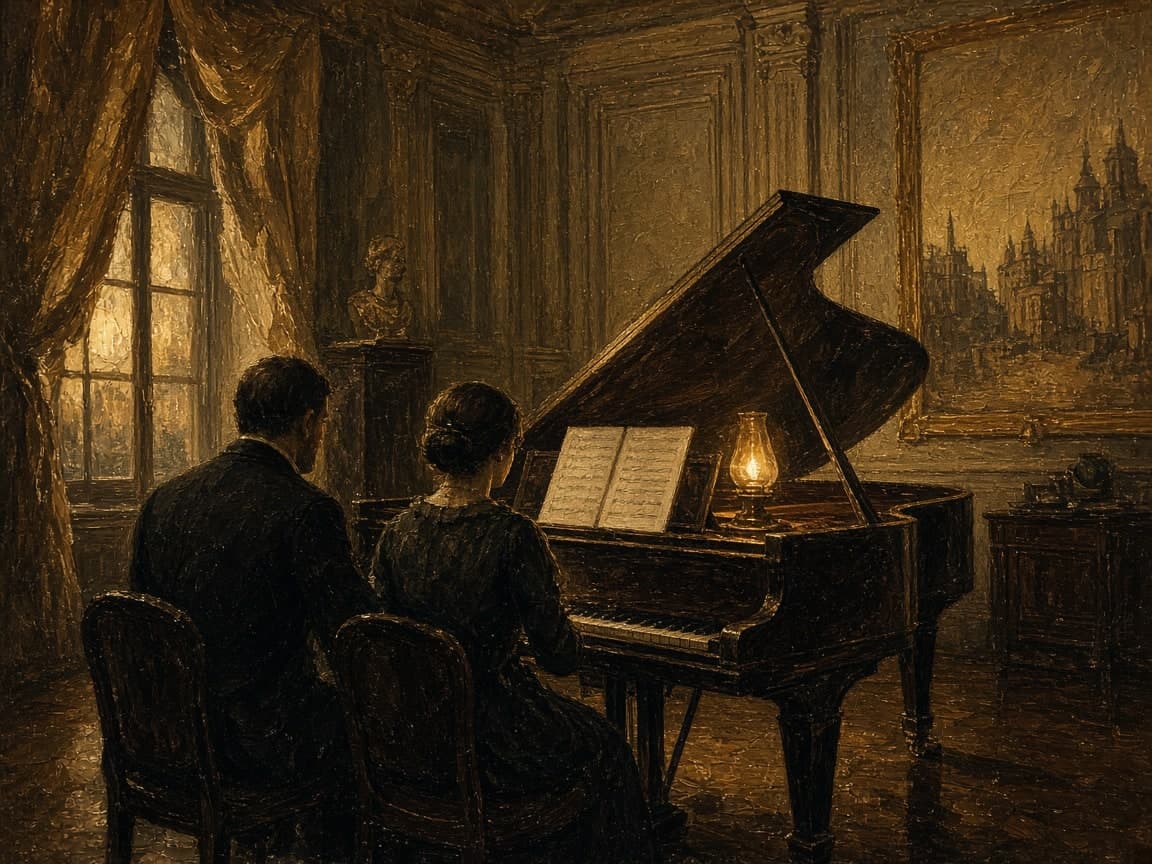
The genius founder of the theory of relativity himself bowed before this man, saying that he had done in music what he, Einstein, had done in physics. They met at an experimental research…
The favorite composer of the famous pianist Vladimir Horowitz was Sergei Rachmaninoff, close to him in the romantic nature of his work. The nineteen-year-old performer dedicated to him his first Kharkiv c…
The hall was full; the famous humorist writer was greeted with a storm of applause. The audience, used to reciters performing his works, anticipated: if they read so amusingly, what would the author himself reveal…
An energetic young man entered the office of Commander V. K. Blücher, who was then quartered in Kharkiv. He asked to be given a military unit along with combat equipment at his disposal. The command…
Practical chemistry classes were underway at Kharkiv University (then called the Institute of Public Education). Explaining a certain chemical reaction to the students, the professor mixed ingredients in a flask…
CHERRY SMILES · undated · Centre
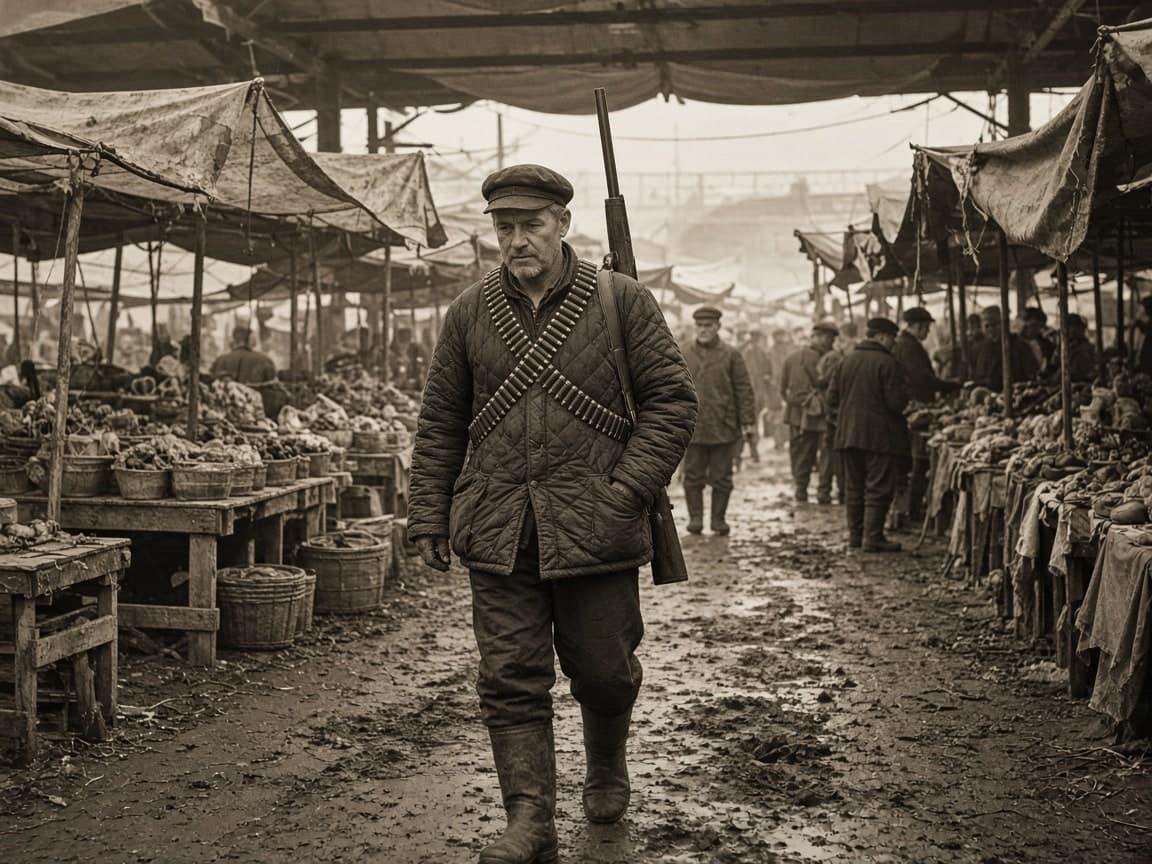
A stocky man in a quilted jacket and full hunting gear walked through Blagbaz: cartridge belt, shotgun over his shoulders. His high rubber boots were smeared with marsh mud. Finding the rows where p…
At the start of collectivization a group of Kharkiv writers came to perform in a village. A local man approached Ostap Vyshnia: "Got a light!" he demanded flatly. Pavlo Mykhailovych gave him matches and p…
Once Ostap Vyshnia came to rest in Dvurechne in the Kharkiv region with his friends: writers Oles Dosvitny, Hryhorii Epik, Mykola Kulish, and actor Amvrosii Buchma. At dawn they set out…
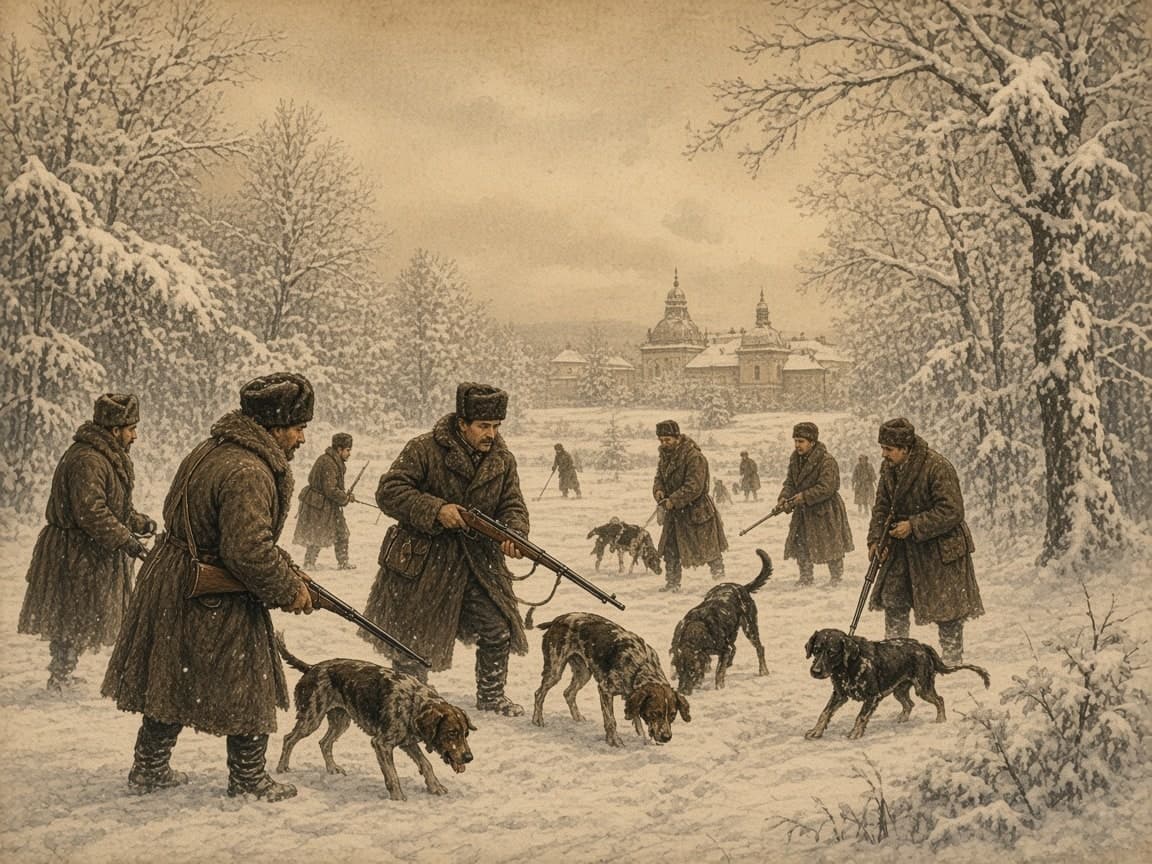
On a fine winter day a party of hunting enthusiasts moved along fresh powder snow: Vyshnia, Buchma, Yohansen, Slesarenko, Smolych. Smolych had a brand-new shotgun and was eager to celebrate the purchase with game. P…
Once Pavlo Mykhailovych saw off a group of actor friends at the station—they were leaving Kharkiv for Sumy on tour. They said goodbye in the carriage. They talked so much they did not notice the train moving off. Then the conduct…
Ostap Vyshnia found preparing for the hunt no less satisfying than the hunt itself. Preparations were thorough and long in advance. The entire Writers' Union always knew about it beforehand. Often his partner…
After some banquet late in the evening a company of humorist writers was returning: Ostap Vyshnia, his brother Vasyl Chechviansky, and Yurii Vukhnal. Everyone was in a merry, lively mood. They passed a house…
In the early 1930s, through official propaganda, the word "Ukrainian" came to be used only together with "bourgeois nationalism." The phrase "Ukrainian…" became commonplace…
In early December 1933 Ostap Vyshnia received a telegram from a gamekeeper he knew. The man invited him to his district for a hunt, promising especially good game. Pavlo Mykhailovych was tempted by the offer and st…
In December 1933 the GPU arrested Ostap Vyshnia. The investigator charged him with membership in the UVO—the Ukrainian Military Organization (which did not actually exist). Specifically he accused him of preparing…
Once in the camp Ostap Vyshnia chatted with one of the newcomers—a former village council chairman. "What are you in for?" he asked. "For Ostap Vyshnia." "What do you mean, for Ostap Vyshnia?" the writ…
In late summer 1943 Stalin met with the head of the Ukrainian government, Korniichuk. After discussing the restoration of the republic's industry and agriculture, the leader unexpectedly turned…
In October 1943 Ostap Vyshnia was summoned to the camp commandant. He ordered him to pack his things and, as required, take a bath first. The writer understood he was being sent somewhere. Then, under escort…
The early 1950s. Ostap Vyshnia came on assignment from Kyiv to Kharkiv as a correspondent for the newspaper "Radanska Ukraina"—as it was then officially called—to cover the regional exhibition of achievements…
When he came to Kharkiv after the war, Ostap Vyshnia stayed at his younger sister Maria's apartment. Once she saw her brother leafing through a thick book and laughing. "What are you reading?" she asked…
In the early 1920s, during NEP, a liberal ideological enlightenment arose when almost everything was permitted except open counter-revolution. The works and ideas of Nietzsche, Фрейда, and theories of free…
This trial took place in 1926 in one of the wards of the Ukrainian Medical and Mechanical Institute (now the N. Sytenko Institute of Spine and Joint Pathology). Here a blind and paralyzed man as a result of inj…
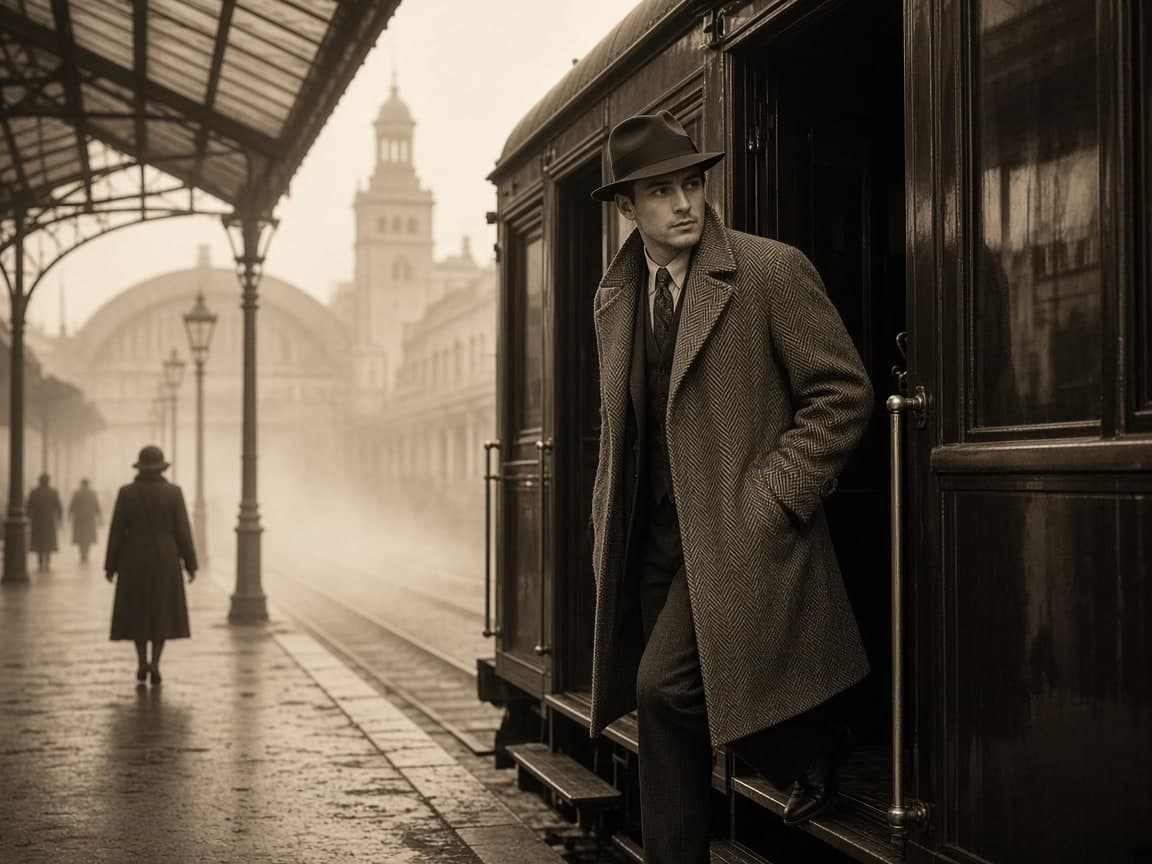
From the train car that arrived in Kharkiv stepped a young man, slender, high-foreheaded, in a felt hat and open gray herringbone coat, with an à la apache shirt visible beneath. This was a former secret…
"Vyshnia still lived then at the end of Sumska, in a large art nouveau house on the fifth floor. His apartment consisted of one huge room, but there was little furniture; quite a crowd burst in—twenty souls…
In March 1926 a telegram arrived at the building on Artem Street from Poltava region: "Kharkiv Narcompros We urgently ask you to relay to Kuryazh that we may soon additionally fund the sowing estimate General meeting…
In 1925 an unusual book appeared from the Kharkiv publisher "Kosmos." On its cover a rearing Pegasus was shown, and from it fell a bespectacled writer with a quill behind his ear. The title was a re…
"It was a cozy two-story mansion with a high, spacious 're-de-chaussee.' On the first floor a passage from the vestibule left led to the blue drawing room and on—to the library, reading room, director's office and his ap…
Late at night (1930) the poet was brought to Saburova Dacha—as people called the Kharkiv psychiatric hospital (after the former estate owner's surname). He was agitated, swearing, threatening. Orderlies subdued him…
A group of writers came to a literary evening at the H. Skovoroda Pedagogical Institute. They went on stage. They had their own order of appearances, but the hall thundered: "Sosiura! Sosiura!.." Vladimir Mykola…
The popular Ukrainian humorist writer Oleksandr Kovinka lived in Poltava but often in the 1920s visited the then capital of the republic on literary business. And once he is walking along one of Kharkiv's…
The opera house was full—many music lovers came to hear the guest artist, a famous tenor. He appeared on stage in one of his signature roles—Lensky in Eugene Onegin. And then the audience was in for a sur…
"The lad set down his pen and looked at the man who wanted to greet him. Then this happened. For a moment the lad froze, his gaze locked on the figure of the newcomer. He stared without looking away, and it seemed…
Once at a concert Марк Бернес began to talk about himself: "I was born in Nizhyn, I grew up in Kharkiv..." Then a man rose from the hall and said loudly: "Don't lie, you were born in Odesa!" After the concert he broke through…
In the capital Kharkiv there was plenty to do—where to go in the evening or on a day off to laugh and relax. The city had many concert venues, variety and miniature theaters, café-chantants and cabarets…
"A noisy city—the center of the Ukrainian republic. After the provinces it seems as if you've gone abroad," wrote a certain traveler in cassock to his wife Kateryna Oleksandrivna while at the Kharkiv station…
"I was born and grew up in Ukraine, in the city of Kharkiv, on Volodymyrska Street, house 45, apartment 6. When my parents went visiting or to the theater and I had to stay alone, I turned on the lights in all the r…
Autumn 1929. The summer garden "Tivoli." The popular couplet singer from Odesa Vladimir Koralli was performing. Not for the first time his attention was drawn to a girl who regularly attended his concerts and took a seat…
In the still-famous Soviet silent film "Fragment of an Empire" there is a shot: a peasant who has entered a big city for the first time stares in shock at a huge concrete building. This episode was filmed…
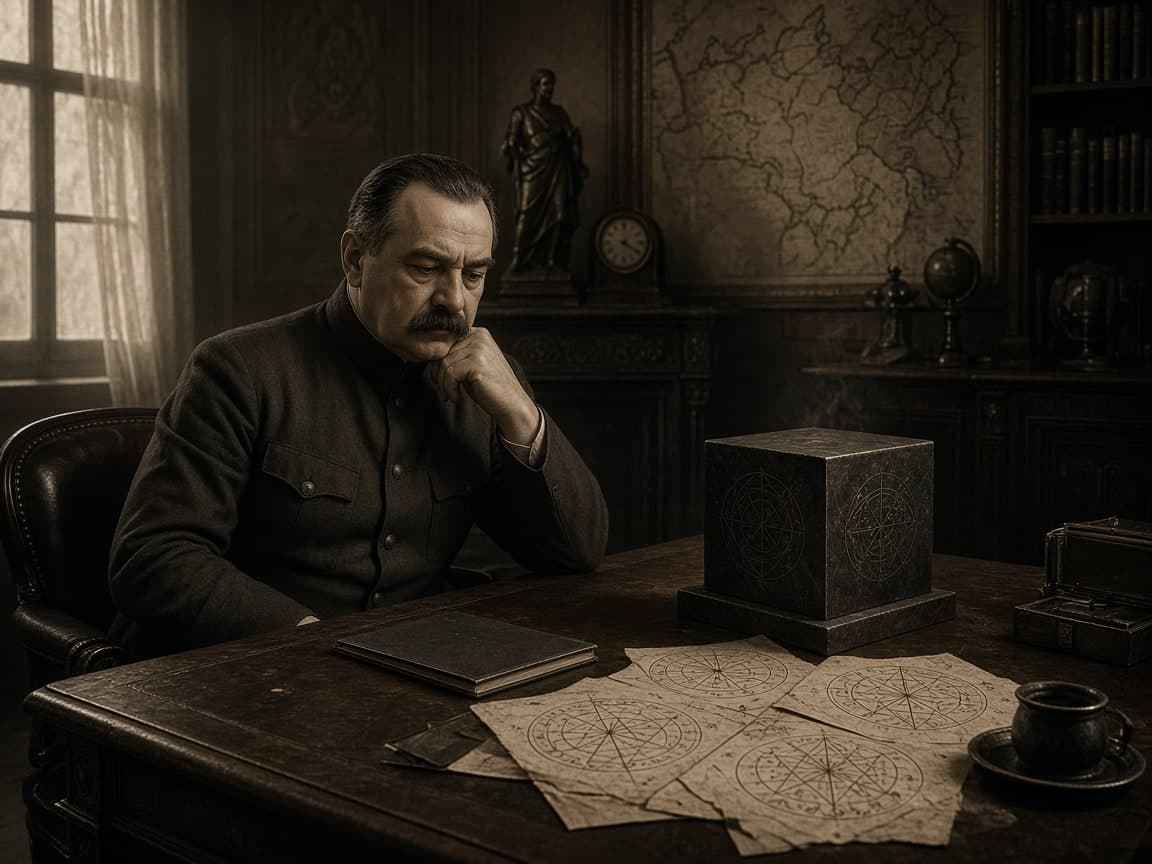
For all the pragmatism of his refined mind, Stalin was at the same time quite superstitious and wary of all sorts of fortune-tellers and enchanted places, especially if it could somehow concern…
I remember that long after the war the tram stop near the large grocery store on Pushkinska was still called "Kaplunovska." I did not understand why, and then learned that the building once stood where Kapluno…
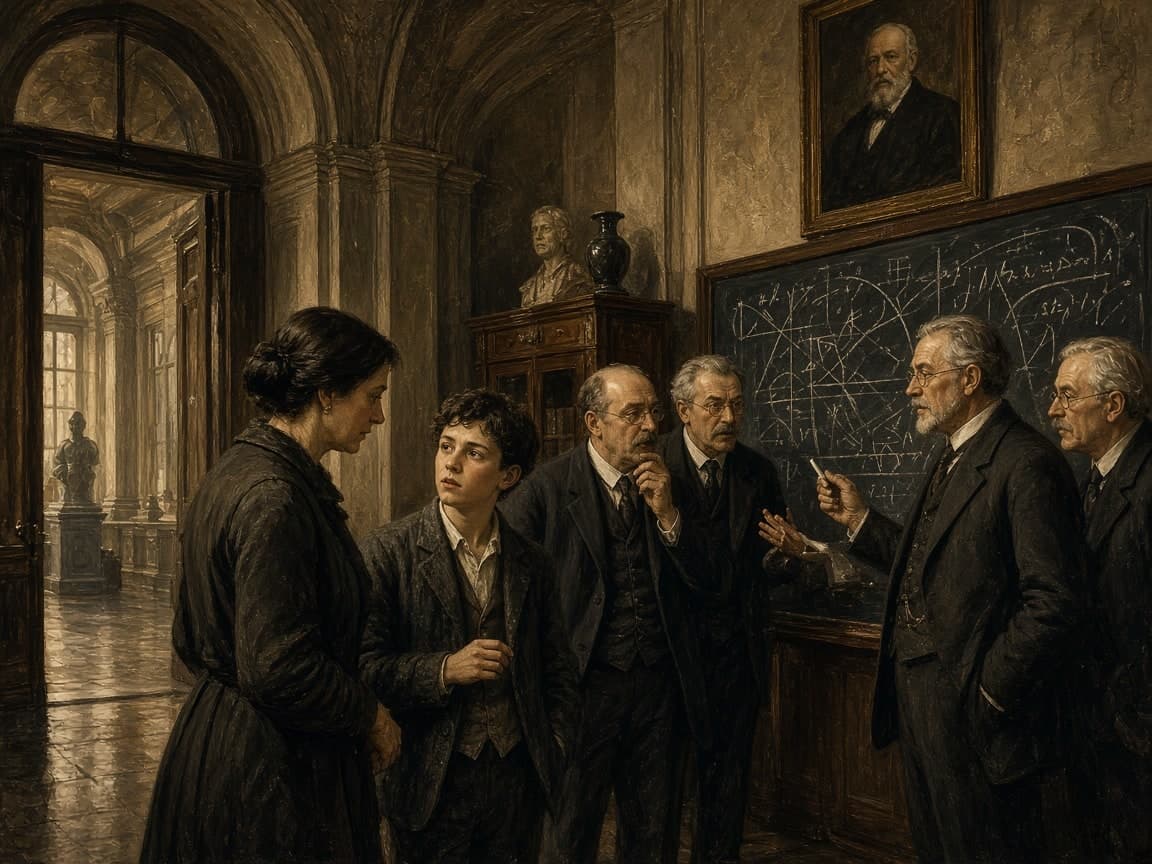
Once in the early 1930s a schoolteacher came to the Kharkiv Institute of Mathematics with a teenager. "Sorry to bother you, but it seems to me this pupil has extraordinary abilities.…
Soviet Kharkiv · Piatykhatky
Residents of Tchaikovsky, Lermontov, and Yuma streets were surprised—their neighborhood was somehow cordoned off by the NKVD. The cordon lasted several hours, then was lifted. About what happened…
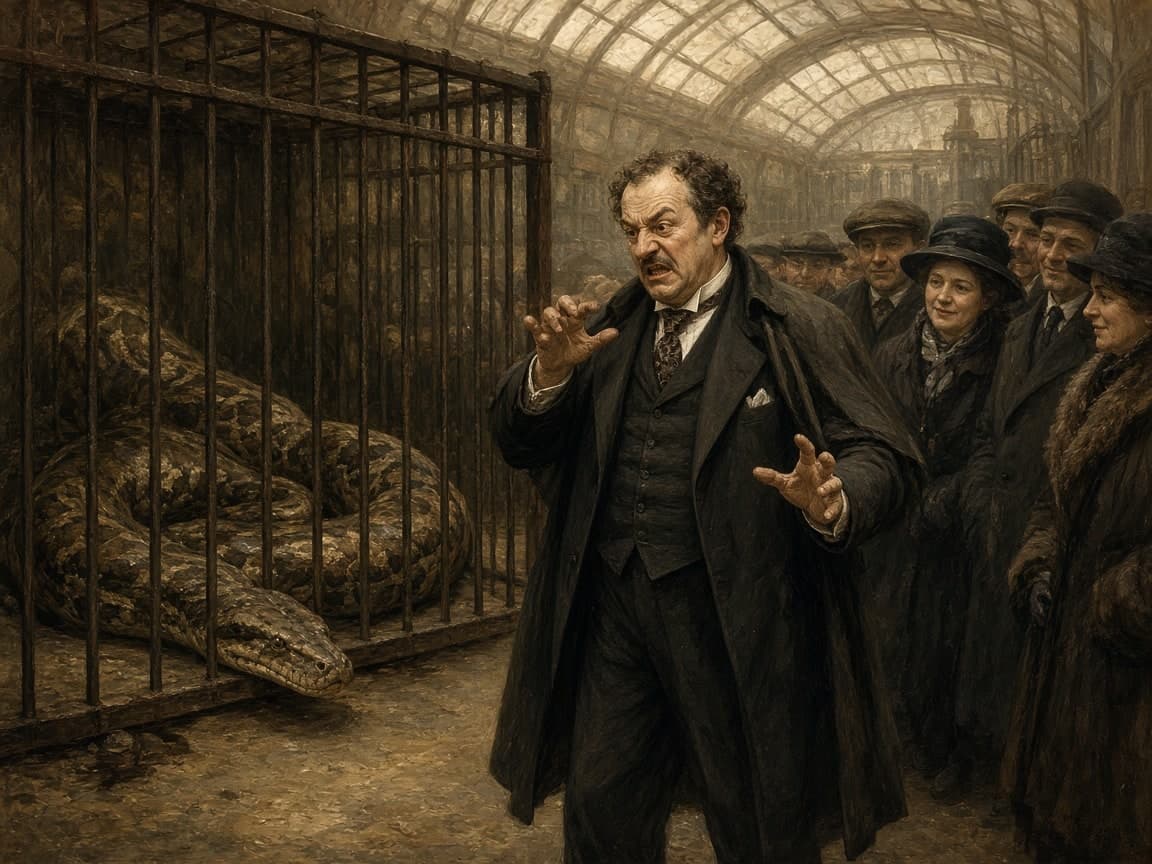
Visitors to the Kharkiv circus watched the ring in admiration. Obeying the trainer, lions rode horses, walked the tightrope, jumped through burning hoops. The lion tamer laid them down…
In 1934 the very first group of outstanding Soviet athletes was awarded the title of Honored Master of Sport. Among the Kharkiv residents on the list was the legendary footballer Mykola Krotov. This supported…
1933. The railway workers' club on Kotlov Street (formerly Bolshaya Panasovska). This building of original architecture had just been erected, and the management tried hard to draw the public there. That evening…
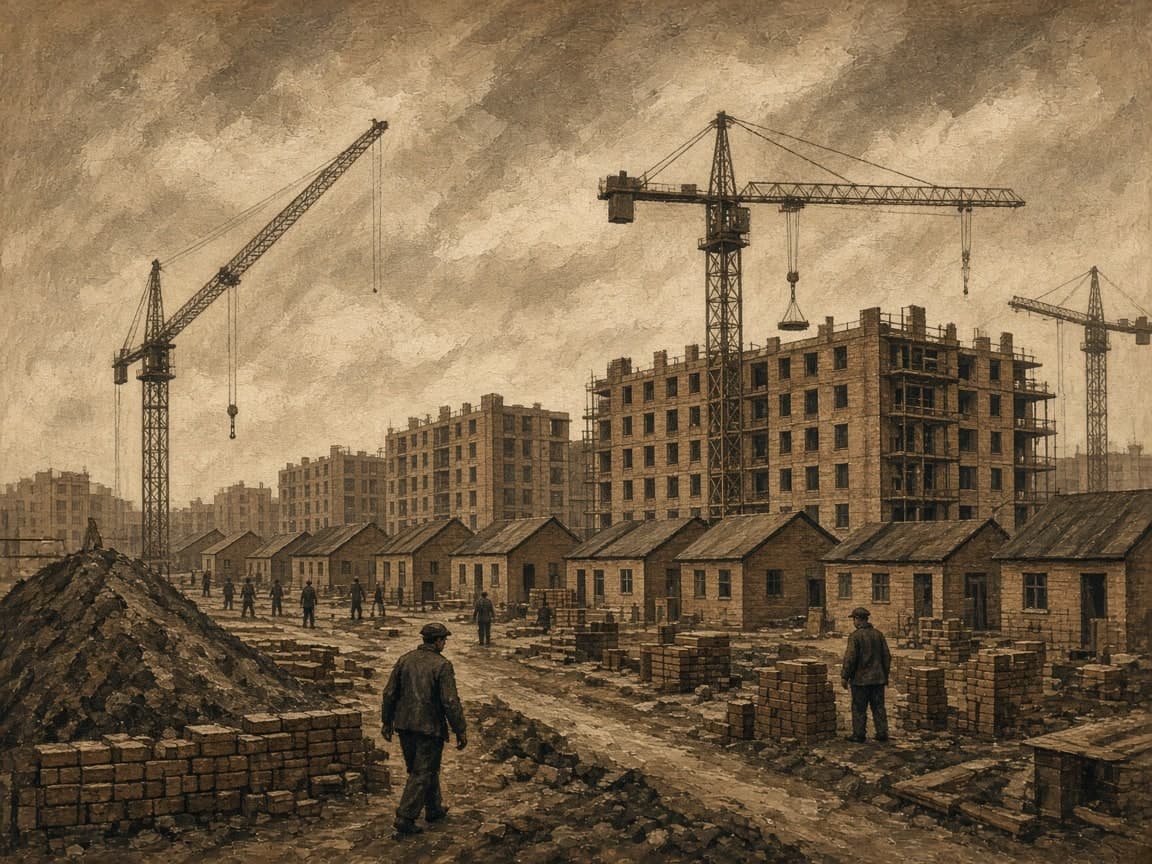
In the late 1920s and 1930s Kharkiv saw massive industrial and housing construction. Workers and employees moved from shacks and communal flats into comfortable buildings. They decided to acquire their own…
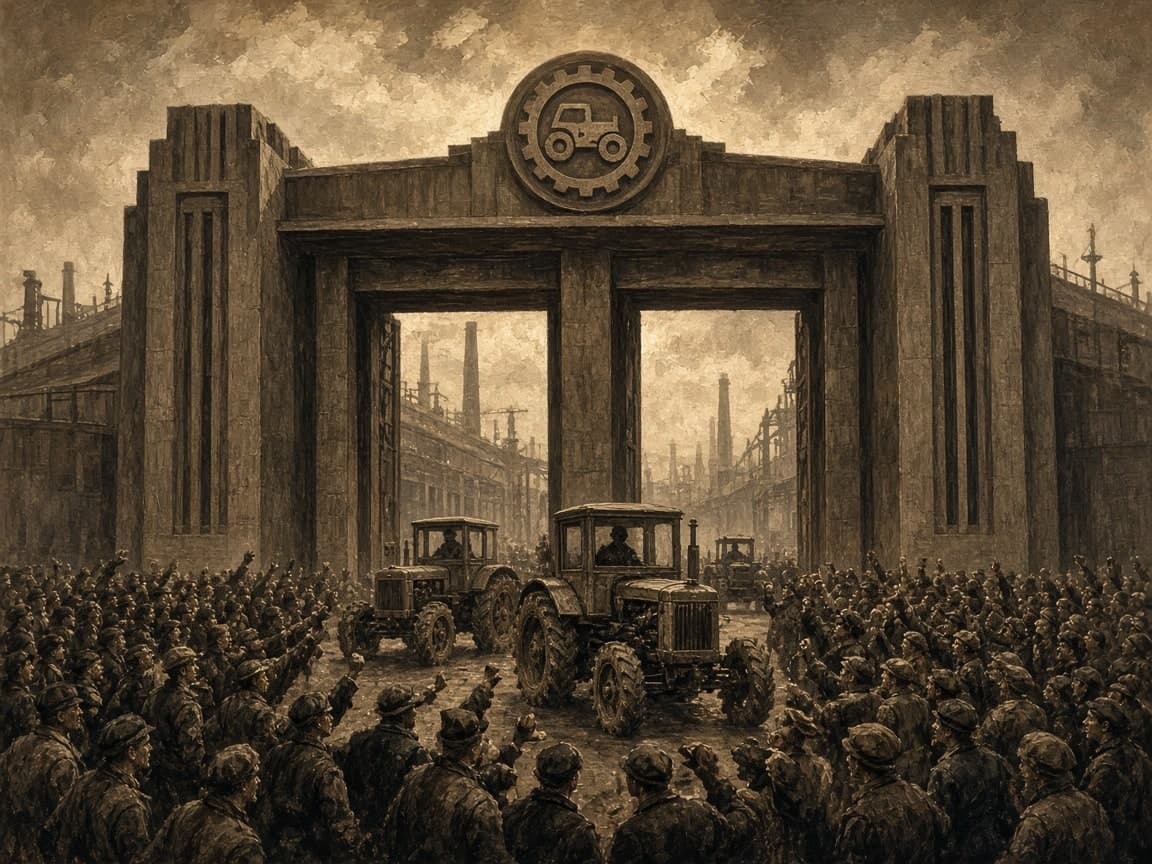
In October 1931 the giant of socialist industry—the Kharkiv Tractor Plant—was commissioned. It was the country's greatest event. A solemn meeting and awards for the builders took pl…
On the morning of May 13, 1933, Mykola Khvylovy gathered his closest writer friends in his apartment in the Slovo building. He treated them to tea, joked, played guitar, recited. Then he went into his study. A sh…
In the second half of the 1920s Kharkiv had two powerful semi-cooperative or semi-concession trade organizations: "Larek" and "Tserabkoop" (Central Workers' Cooperative). They fiercely…
Writers and artists managed to live only a few years in the spacious apartments of the Slovo building—in the early 1930s, accused of membership in fictitious terrorist organizations, they were forced to…
All wives of writers arrested in 1933 were immediately dismissed from work; they received notices that within three days they and their children must leave their apartments and leave Ukraine without pa…
Having landed in prison again, Mykola began to think how to escape. He inspected his cell and came up with a plan! At the first light he climbed into the chimney and, bracing with hands, feet, and back against the walls, st…
June 9, 1934. The central Ukrainian party newspaper "Proletarian" published a report: "Comrade Постишев walks along the rows of those seeing him off. And there are many of them—along the entire platform in dense ranks st…
On March 24, 1935, a crowd gathered in University Garden from the Sumska side. Speeches were made, the orchestra played the "Internationale," and a combined choir with the Dumka chapel performed "Zapovit." The People's Commissar of Enlighten…
In the early 1930s a group of U.S. physicists led by the future "father" of the American hydrogen bomb, E. Teller, conducted an important experiment: they determined the nuclear magnetic resonance time of dielectrics at low temper…
"Shortly before the Great Patriotic War the American writer Erskine Caldwell visited Kharkiv. Four Kharkiv writers came to the station to meet the foreign guest. Among them only Yurii Ko…
He fell in love with that girl still at school. When after graduation she left for Moscow, the young man followed her. To gain a foothold in the capital he entered law school there. He wrote poetry for himself. Wh…
In the middle of the night writer V. Mysyk heard a knock. He opened the door. On the landing stood three men in NKVD uniforms—an officer and two soldiers. "Where is your neighbor?" the commander asked. "Which one?" "The one who lives above you." "I have no idea…
In Soviet times party meetings, congresses, and similar official events had to be opened and closed with a collective performance of the party anthem "The Internationale." And not only the party anthem—in 191…
A young woman doctor glanced at the next patient—a bald man over sixty, limping badly on one leg. After a cursory look she wrote the standard phrase: "May travel…
In March 1940 two tanks left the gates of the Kharkiv Locomotive Works. But instead of heading for the training ground they set course for Moscow. For more than a day in bitter frost and blizzard through snow-covered…
During a test flight the pilot decided to shorten the program and flew one leg fewer. When he landed, the commander reprimanded him for it. The pilot was greatly surprised: after all his machine…
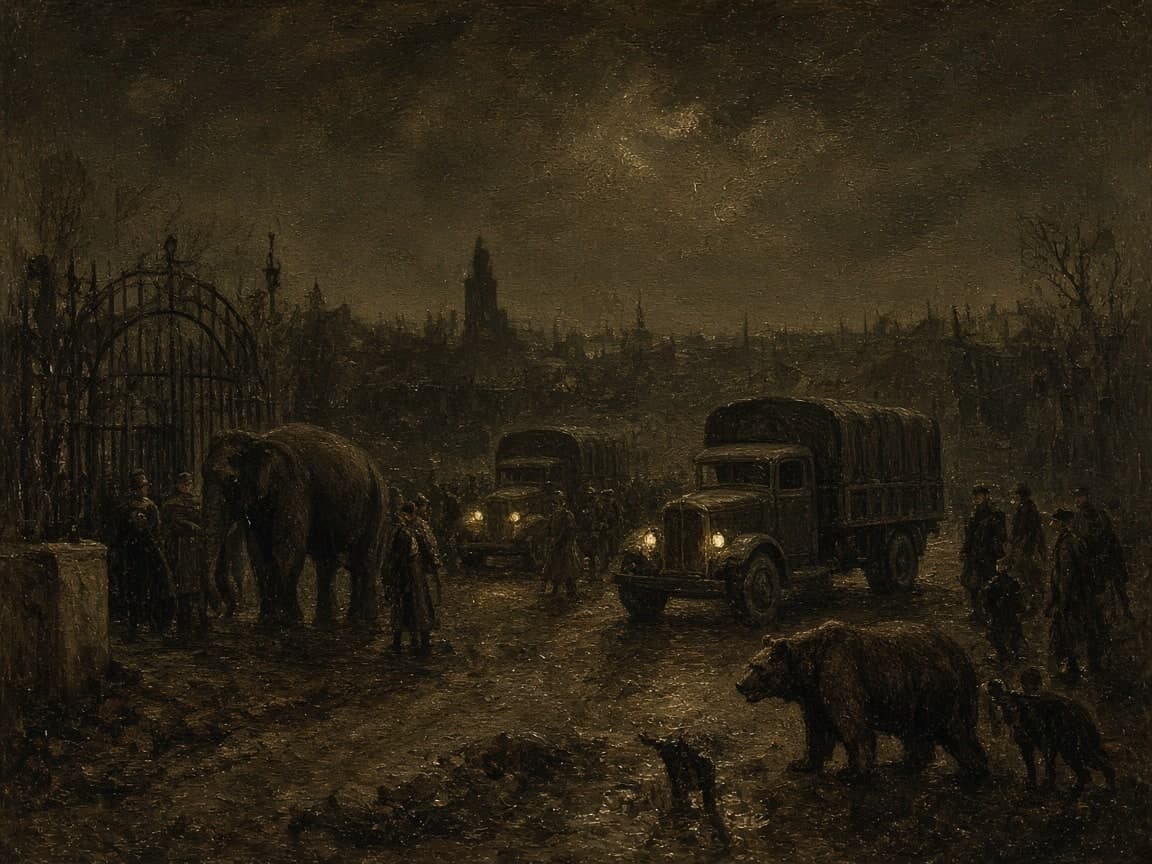
October 1941. At night, under cover of darkness, several trucks with dimmed headlights entered the Kharkiv zoo. A group of soldiers got out. In a secluded spot, closer to the bot…
When he came with his company on tour to Kharkiv, People's Artist of the USSR S. Mikhoels liked to visit the zoo. Of all the predators there he singled out an old lion named Solomon. The artist was drawn…
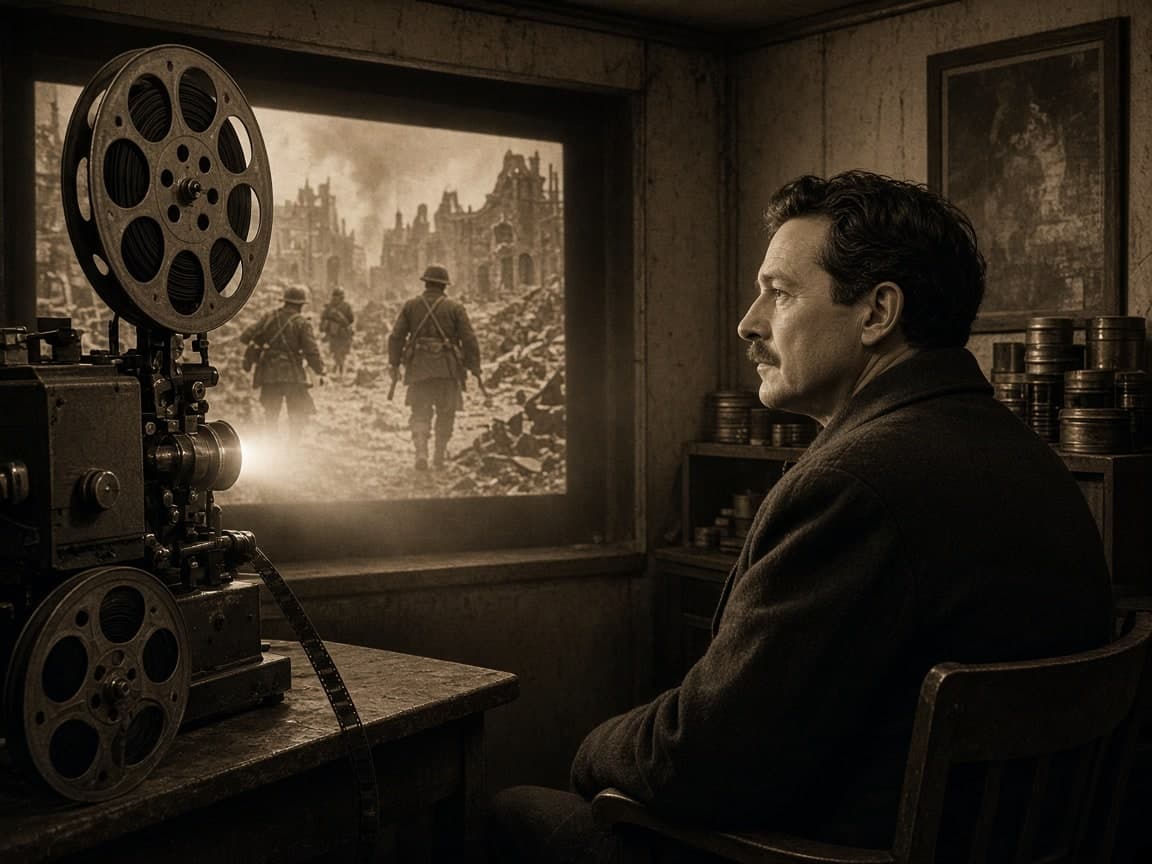
In Leonid Lukov's unforgettable wartime film "Two Fighters" there is an episode in which a German radio operator, in besieged Leningrad, directs his artillery and aircraft onto city targets. In this role…
Given the importance of the Ukrainian Institute of Physics and Technology, the occupiers sent there a special Sonder commando that included scientists. To his surprise, a German major met there his former…
modern times · Centre
Having placed their headquarters in the building of the former Kharkiv Military District staff on Rudnev Square, the Hitlerites began looking for quarters for the commander of the 68th Infantry Division, General Georg von Braun. They settled on…
Soviet Kharkiv · Outskirts
In 1943 over Kharkiv his plane was met by fascist vultures. Three of them fell victim to our ace. The first Junkers crashed over Rohan, the second over Merefa, the third over Danylivka. Our sky w…
"Head of Control Group 'P4' Berlin 14, Sept. 1943 Prinz Louis Strasse t.16-43-61 Secret! To the Reich Minister through the head of the Main Political Directorate To the reception office Regarding the transfer…
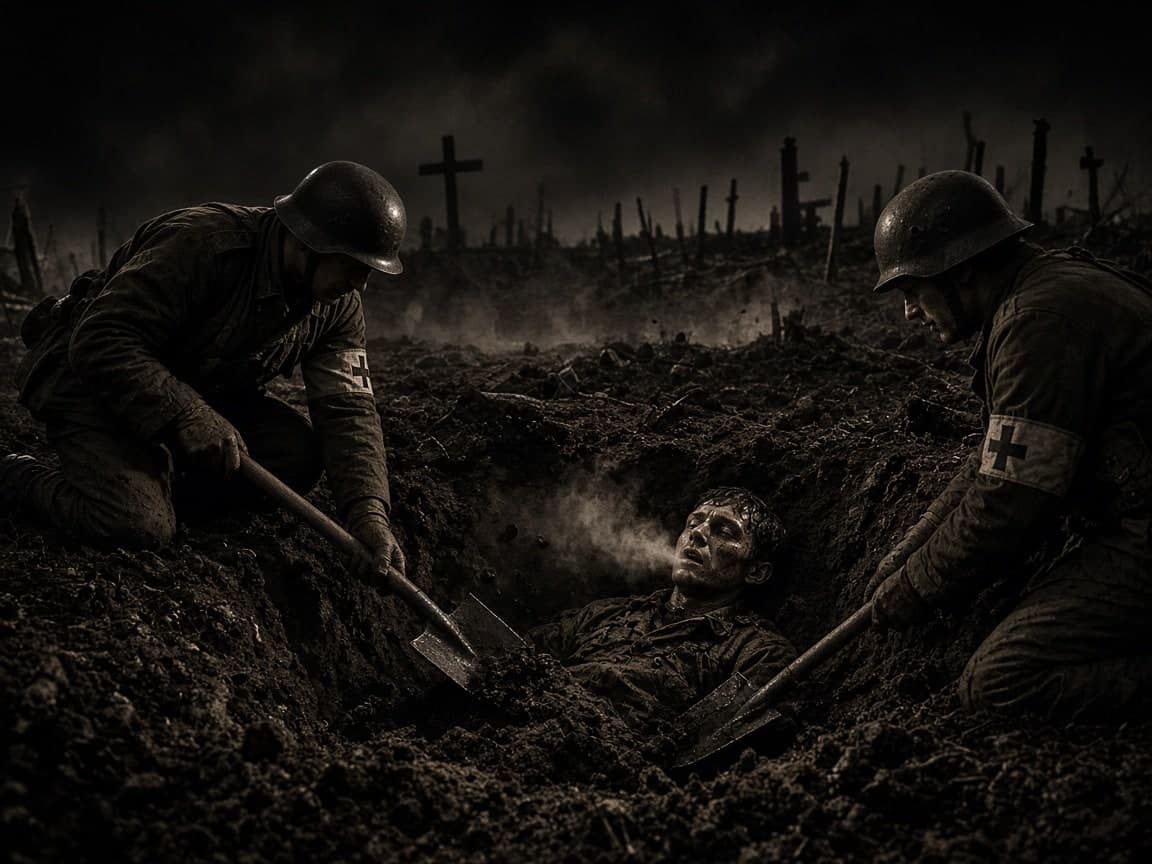
Orderlies carrying the wounded noticed that a fresh grave... was breathing. They dug it up and found that their commander G. Malinko was alive. Before that the battery commander with a small group of soldiers had held out for ten days…
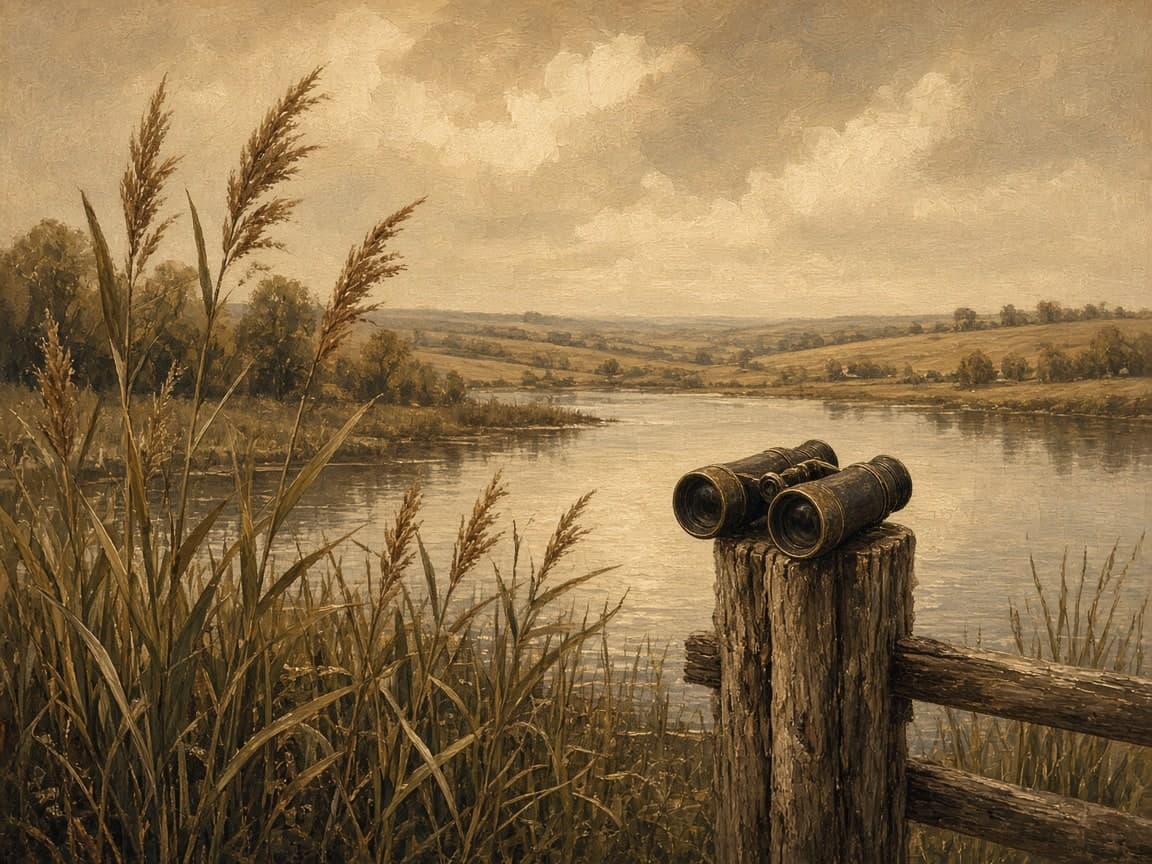
“I am now by the lake near Kharkiv, where we once used to swim. But I am not admiring the picturesque view; I look through binoculars, searching for the cursed enemy who bathed here for almost two years. He considered himself the master…”
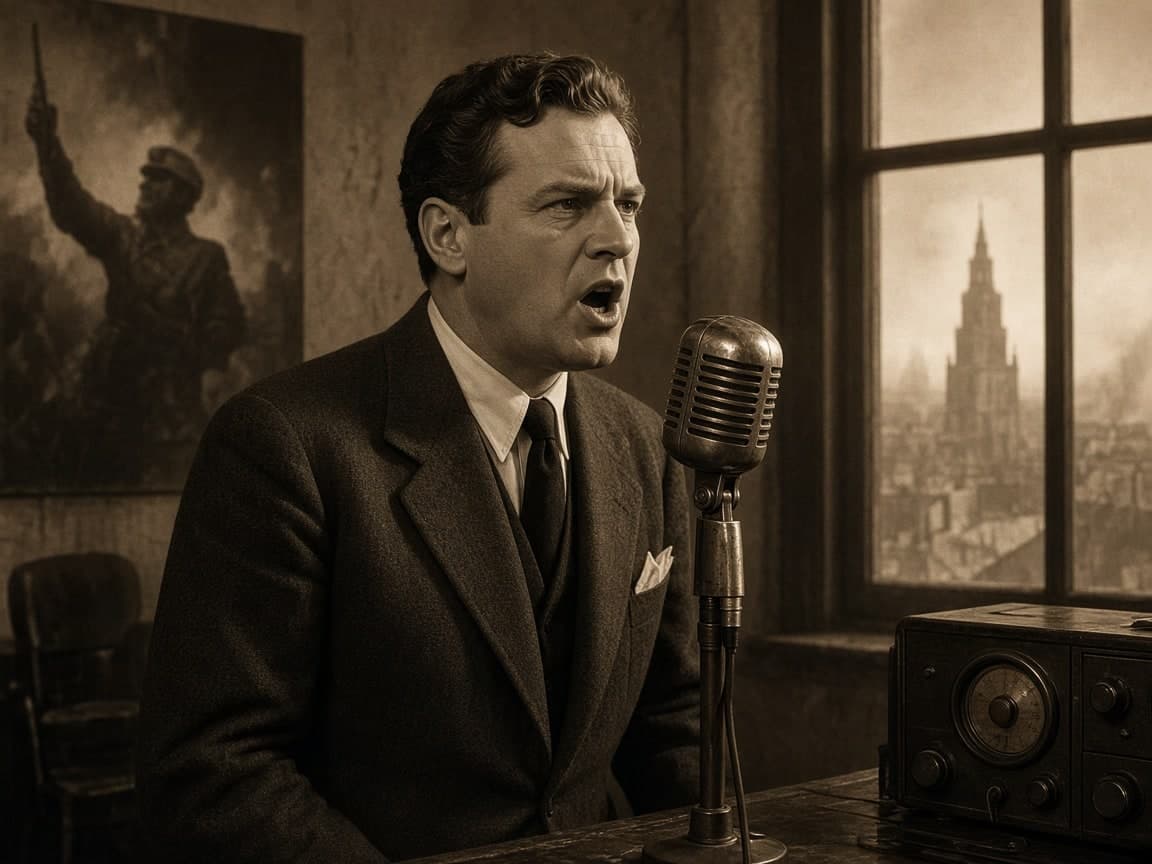
That imposing voice was familiar to several generations of Soviet people. They listened to it especially closely during the Great Patriotic War, when Information Bureau reports on Kharkiv… were read over All-Union Radio.
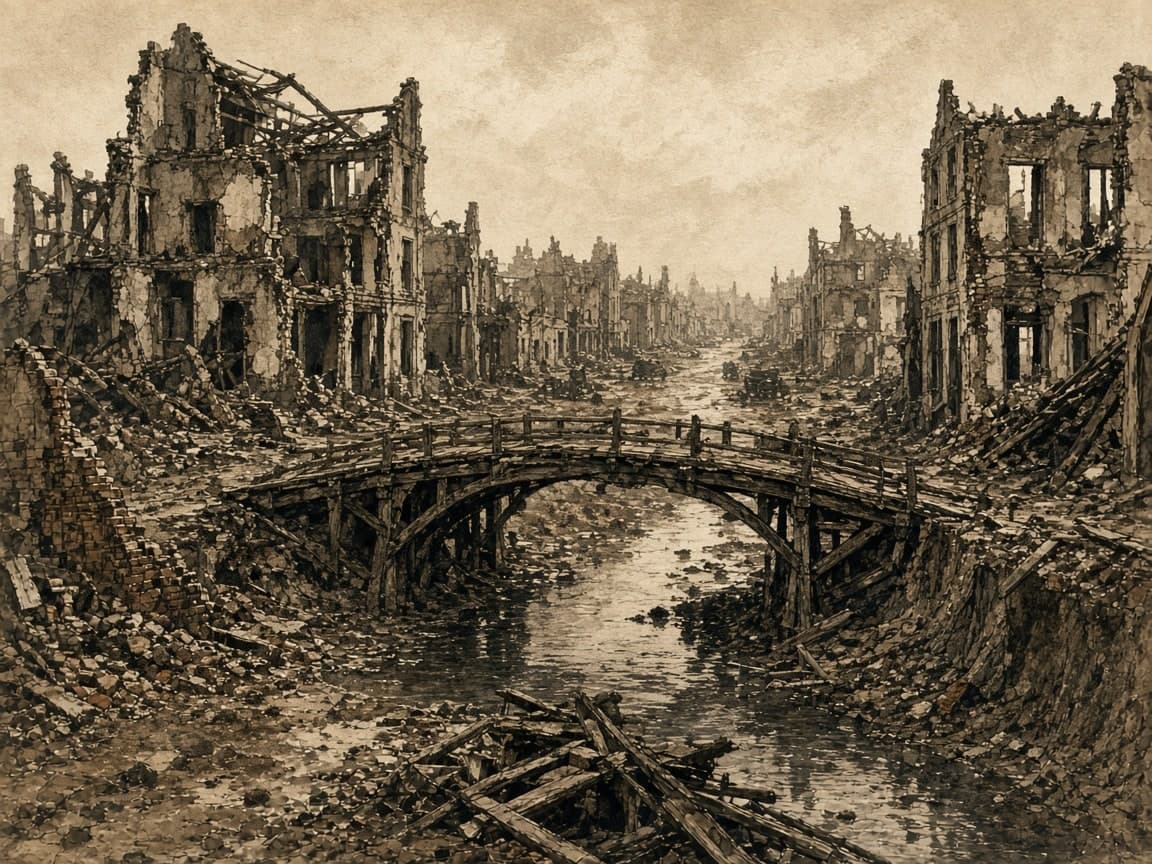
Soon after the liberation, the city was visited by the famous writer Alexei Tolstoy. In his diary he wrote: “I cross the Lopan River on a wooden bridge, built where the blown-up one stood, and climb up a high, wide…”
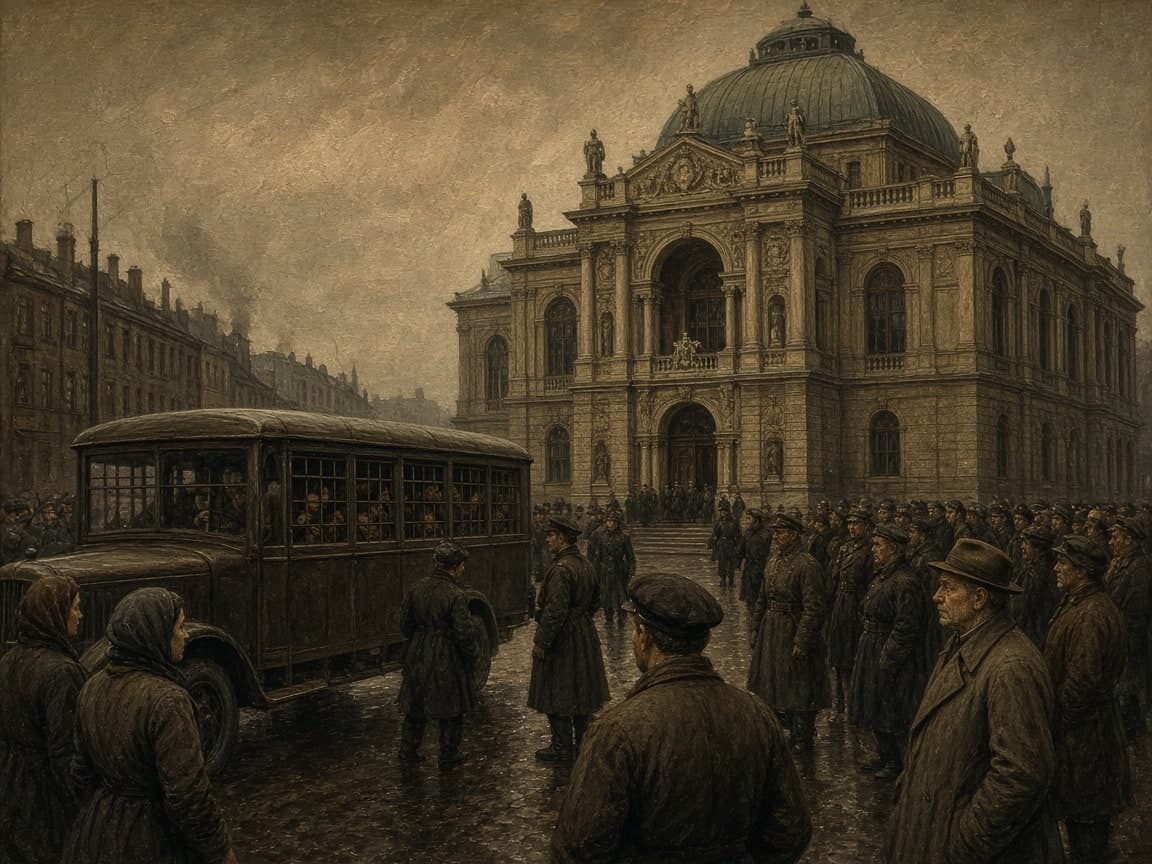
A military bus with bars on the windows pulled up to the old opera house on Rymarska Street. The crowd parted to let it through to the service entrance. The guards opened the rear doors and, one after another…”
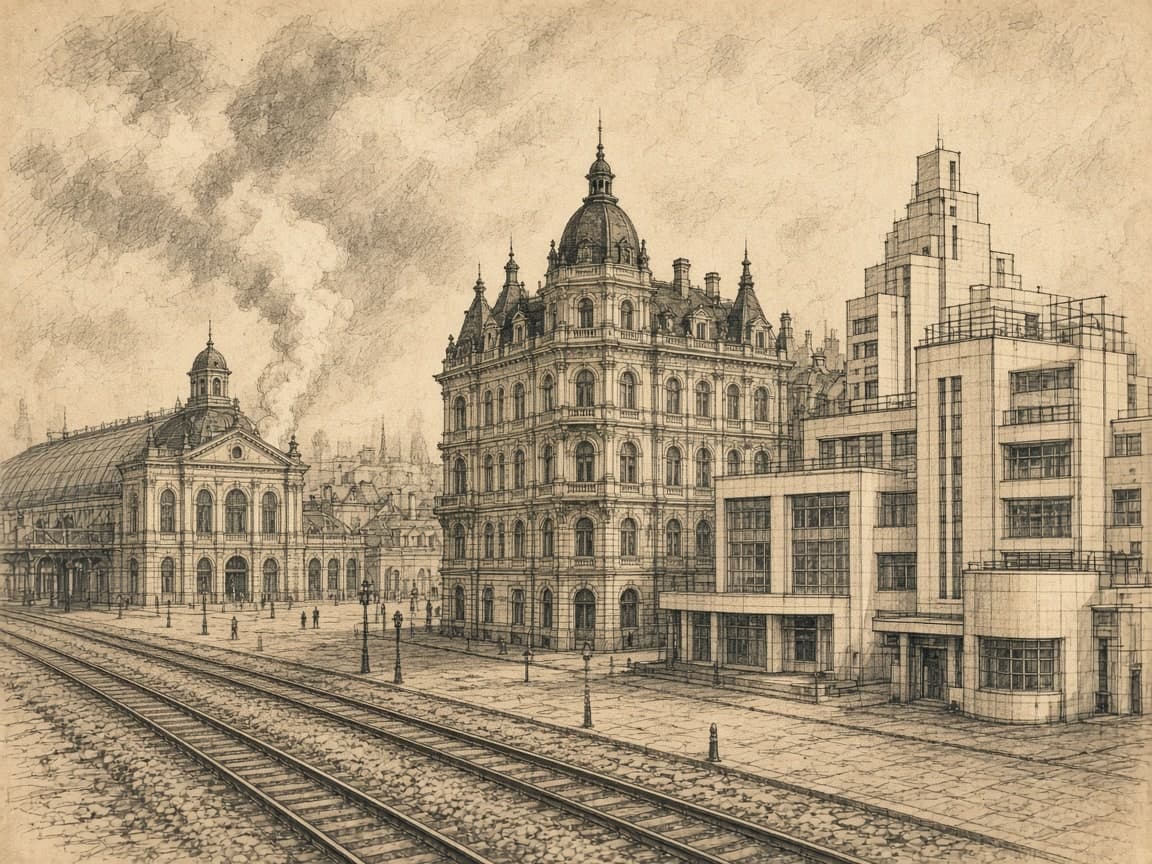
Kharkiv residents and visitors who have not lost their artistic taste cannot help being struck by the architectural mishmash of buildings around Independence Square. It is as if they were built in different eras…”
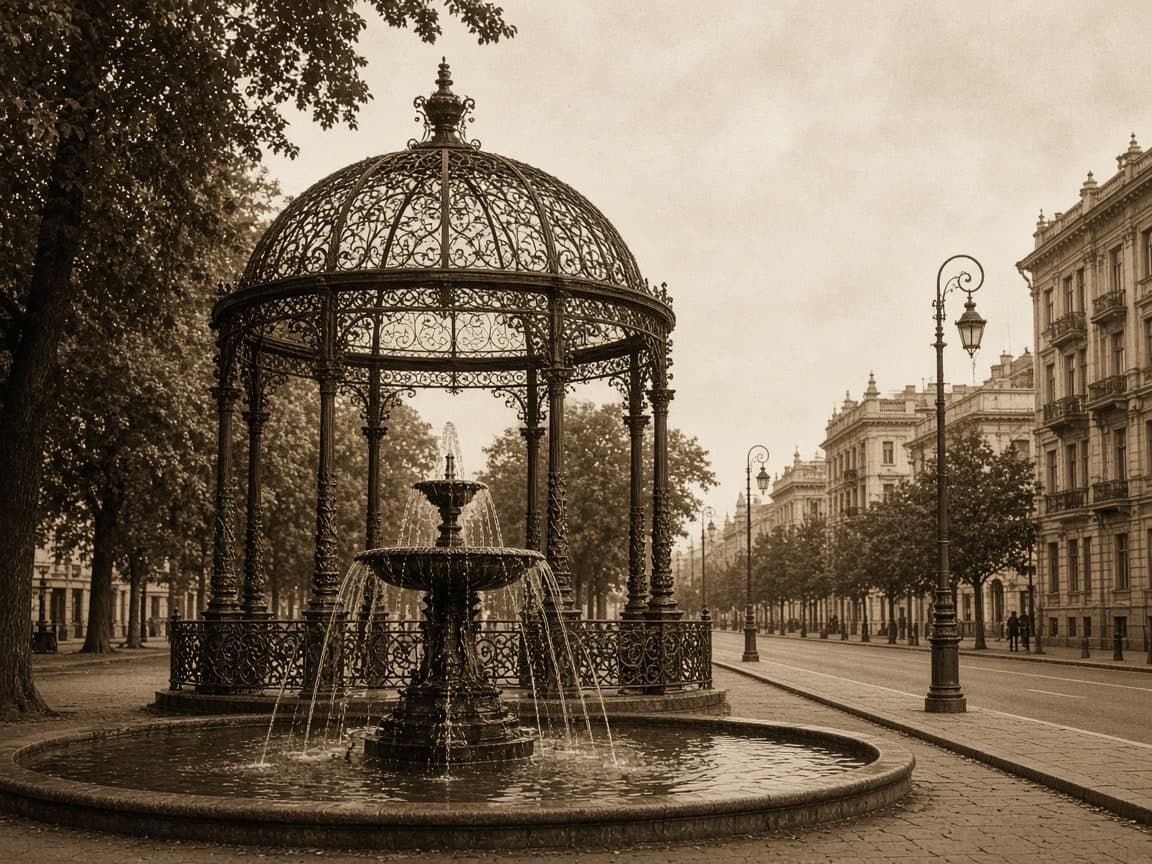
On Sumska Street, opposite the new opera house, stands a lacy gazebo with a fountain called the Mirror Stream. A structure unusual for Kharkiv’s architectural style — and indeed it was borrow…”
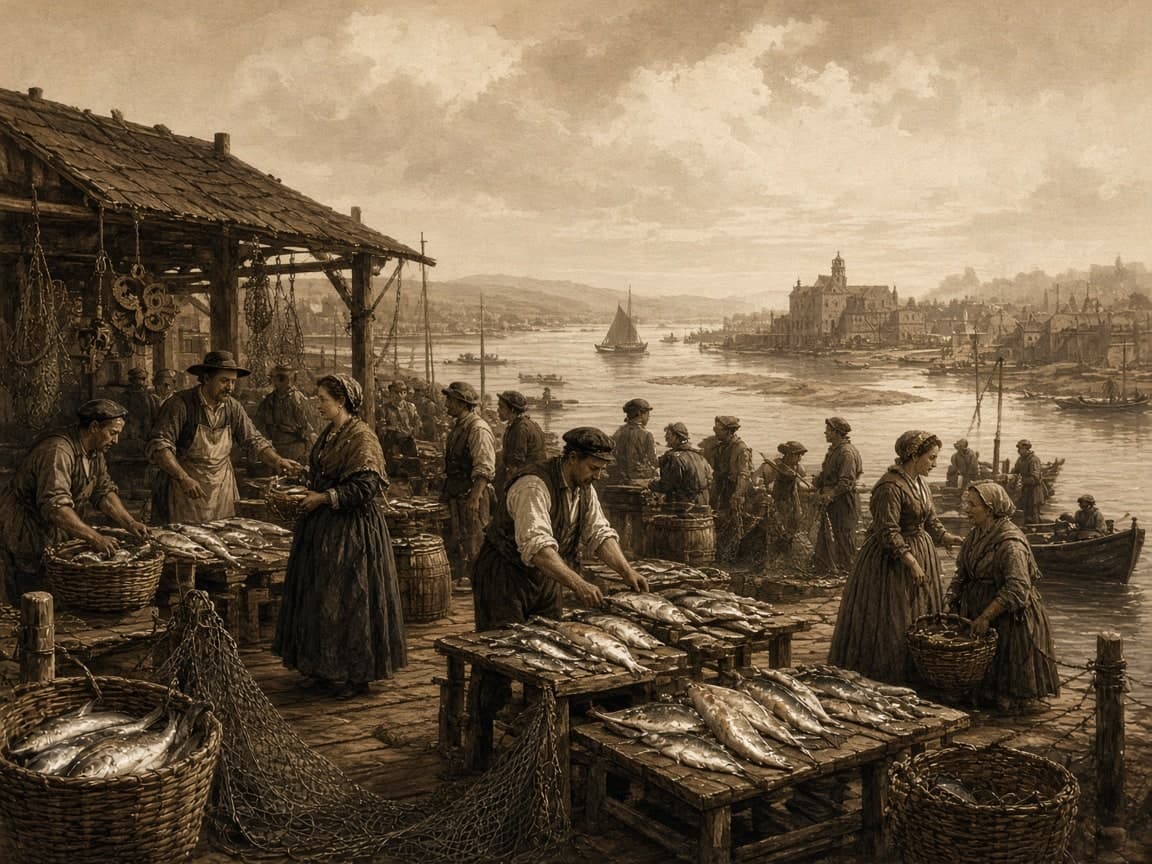
Near the confluence of three rivers — Kharkiv, Lopan, and Netech — lay the main fish market, offering not only local catch but also imported goods. Hence the central Podil Street, like the local squa…”
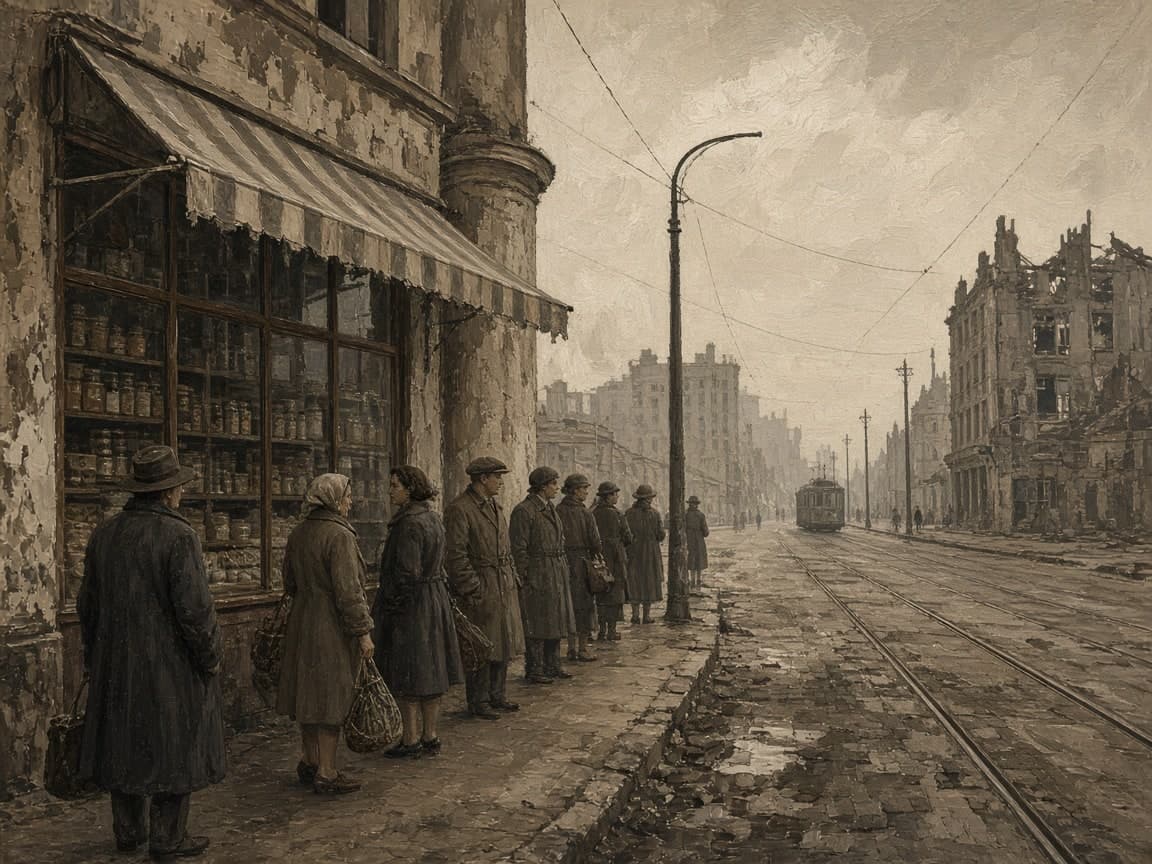
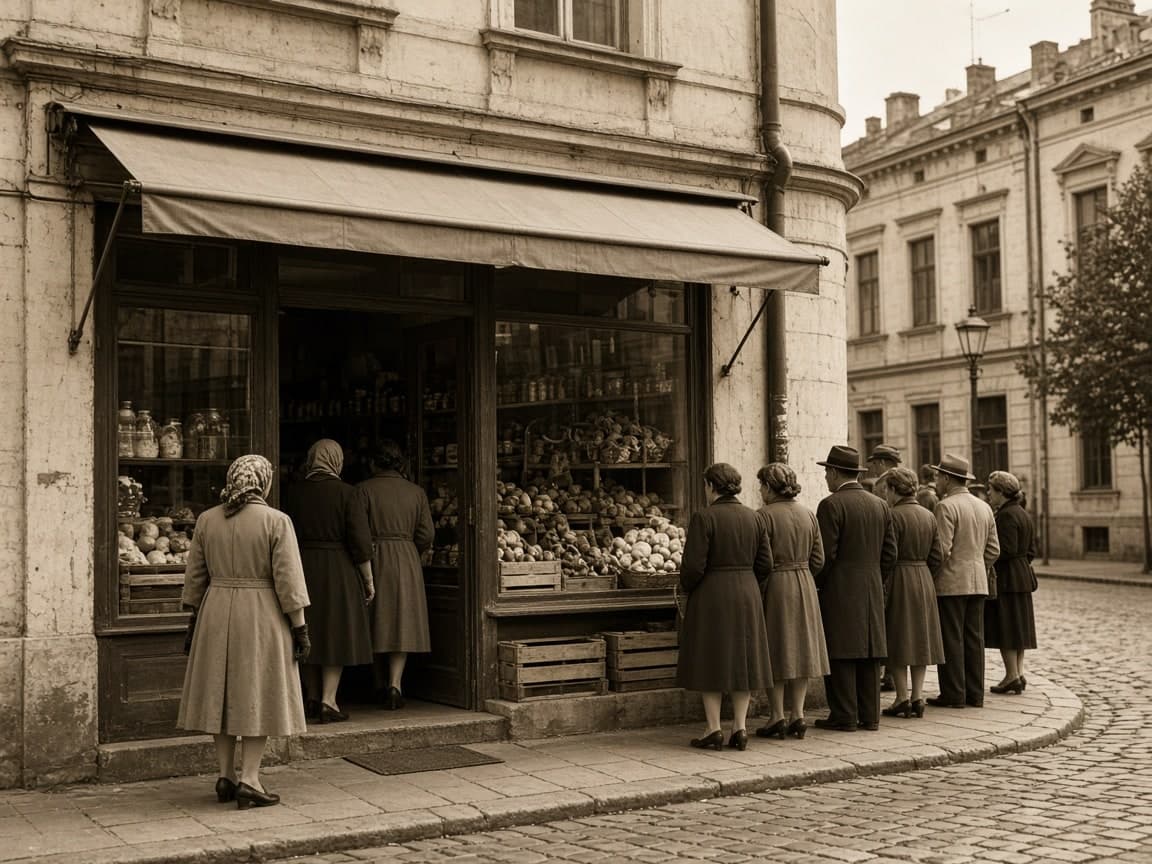
After the war, on the corner of Kuznechna and Podilsky Lane, where a private café stands today, there was a grocery known to locals as “Two Steps Down.” A butcher worked there —…”
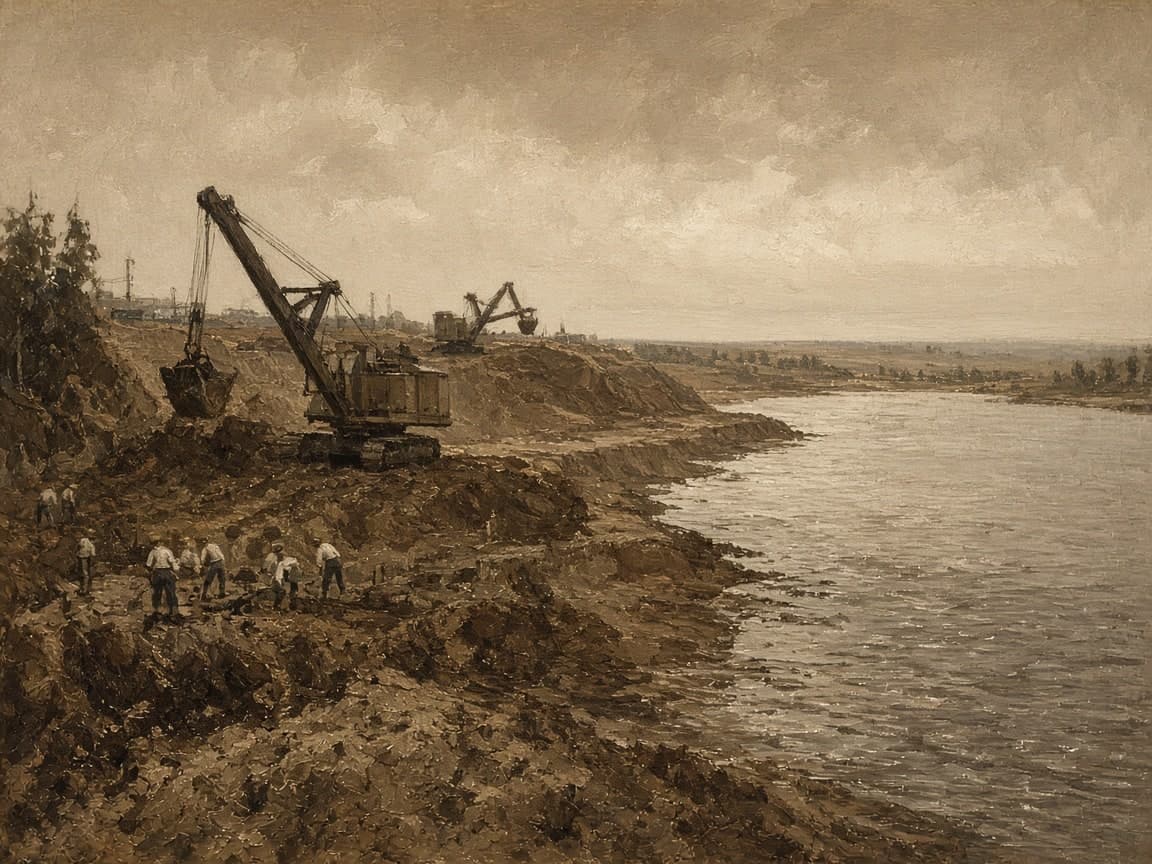
In the early 1950s, construction of an artificial lake began in the lowland of northern Kharkiv; it was named Komsomolskoe. It was called that because, formally, the regional…”
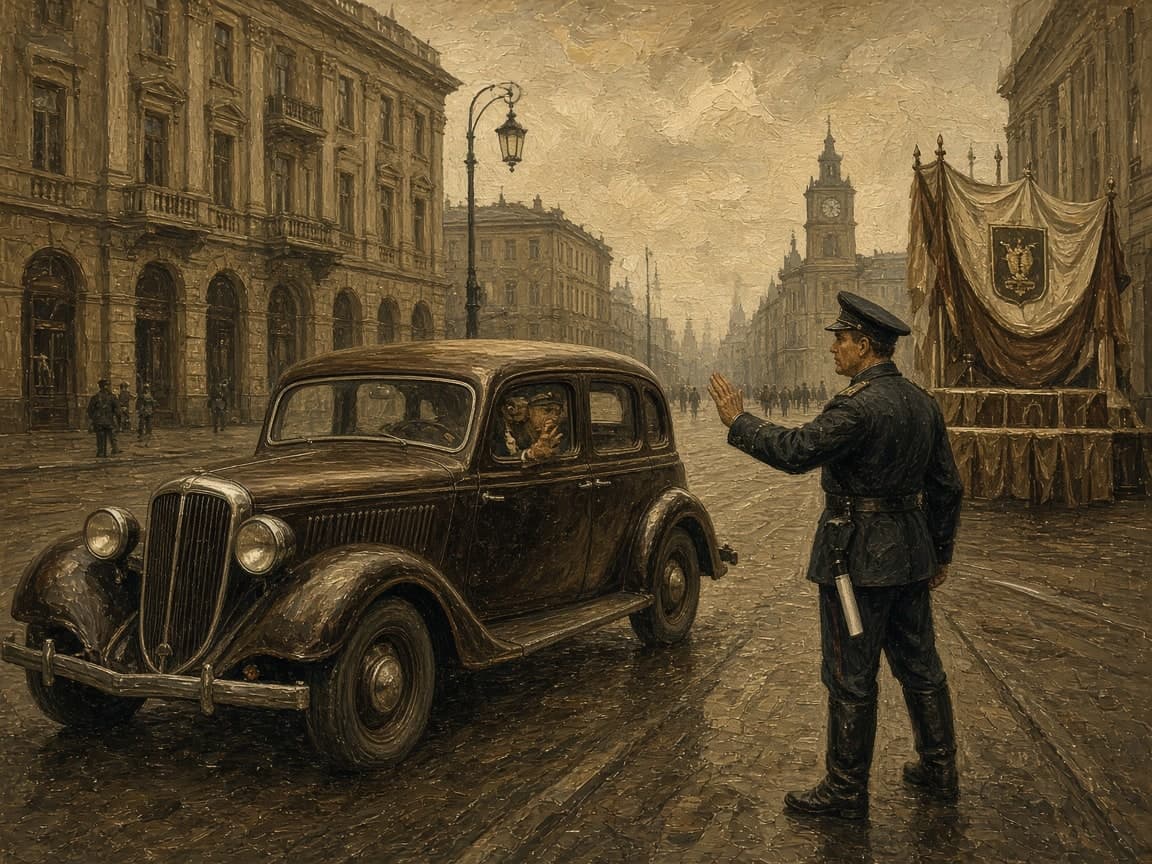
The “Emka” had clearly exceeded the speed limit and was stopped by a traffic officer. “I am hurrying to a ceremonial meeting,” the driver explained. “I do not care where you are hurrying, but you must not break traffic rules!” — D…”
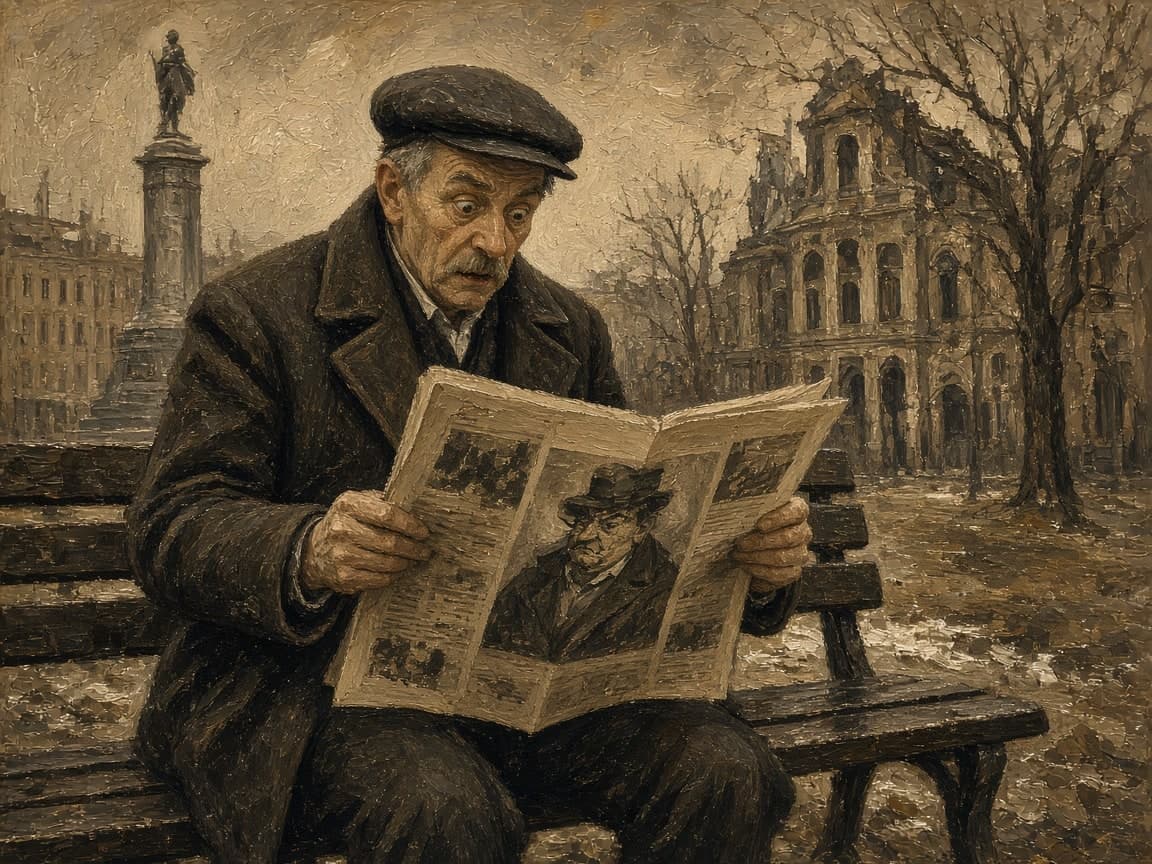
1946. One Kharkiv resident unfolded a fresh issue of Pravda, the Central Committee’s main newspaper, and found there… his own surname. Next to the names of famous writers such as Mikhail Zoshchenko and Anna A…”
In the Kharkiv circus (still in the old building), the famous clown Karandash (M. Rumyantsev) toured with his troupe. Many in it were his young apprentice trainees who were only just preparing…”
“My performances were announced at the Kharkiv Philharmonic… The hall was packed. People sat on extra chairs and stood… The Philharmonic’s management rubbed their hands — the plan was fulfilled a quarter ahead.…”
“Theatrical operators had long turned this play into a peculiar operetta divertissement whose central figure is the fixer Popandopulo with his dubious jargon of vulgar words…”
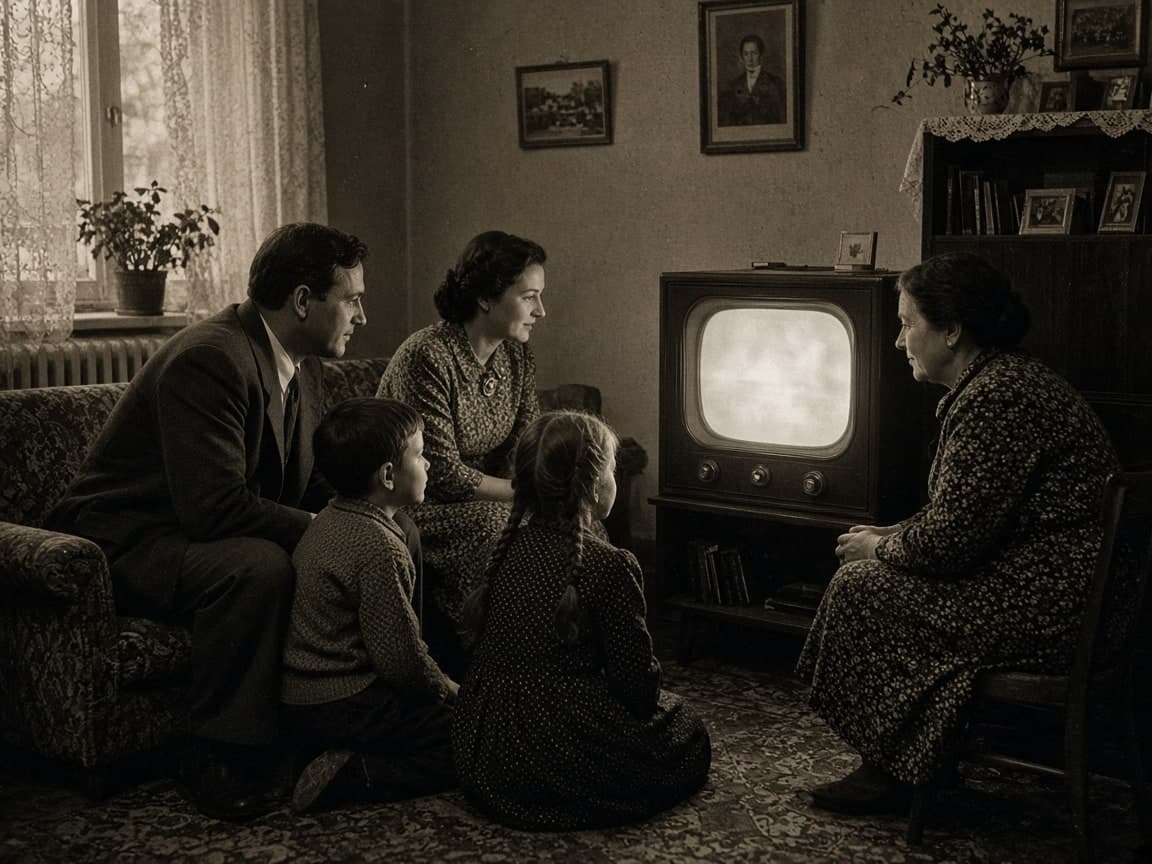
My first memories of television date to the very beginning of the 1950s, when I was still a schoolboy. The whole family gathered in the living room, and neighbors often dropped in. Everyone settled in and watched reverently…”
The leaders of the Ukrainian Physics and Technology Institute were not only prominent scientists but also highly unconventional people. One of them was Deputy Director Academician A. Walter. One…”
“All politicians lie, but it does not matter, because nobody believes them anyway” — this famous aphorism belongs to Kharkiv professor-economist E. Liberman. Yet our fellow townsman became famous for…
Whenever I visit the Poetry shop on the square of the same name, I see again the building that, in my memory, still stood on this spot — it was a church. For Germans settling in Kharkiv…”
By tradition, on Victory Day veterans gather by the Bolshoi Theatre in Moscow. When another man appeared in the square, voices from different groups called: “Captain Titarenko, come to us!” This man…”
In 1954, Edita Pieha performed in Kharkiv for the first time — together with the hugely popular Leningrad vocal-instrumental ensemble Druzhba. She was only eighteen, but the success was ph…
1956. Competitions for pre-conscription youths were held at the KhTZ stadium. Among others, a very tall eighteen-year-old apprentice pattern-maker with a lush head of hair came onto the field. Having no idea about techni…”
In 1957, the sensational feuilleton “Stilyagi” appeared in Pravda, satirizing a characteristic phenomenon of its time. Thus a new word was first recorded in print, already quite…”
One summer day in 1958, pedestrians on Sumska Street witnessed a curious sight. From Gorky Park past the regional party committee building a motorcade sped at breakneck speed:…”
In the autumn of 1957, someone knocked on the door of a famous lecturer on international affairs in the apartment on 8th Congress of Soviets Street (now Chichi-Babina Street). KGB officers entered. With a search. They turned out every drawer and shook every book from…”
I first saw Natalya Fateyeva “live” in 1960 at KhTZ, where I took part in filming the movie Battle en Route, directed by her husband, the wonderful actor and director Vladimir Basov (about the film — n…”
That was the title of G. Nikolaeva’s well-known novel of its time, awarded the State Prize. At its center was a theme typical of the thaw: conflict between a hidebound director and a progressive m…”
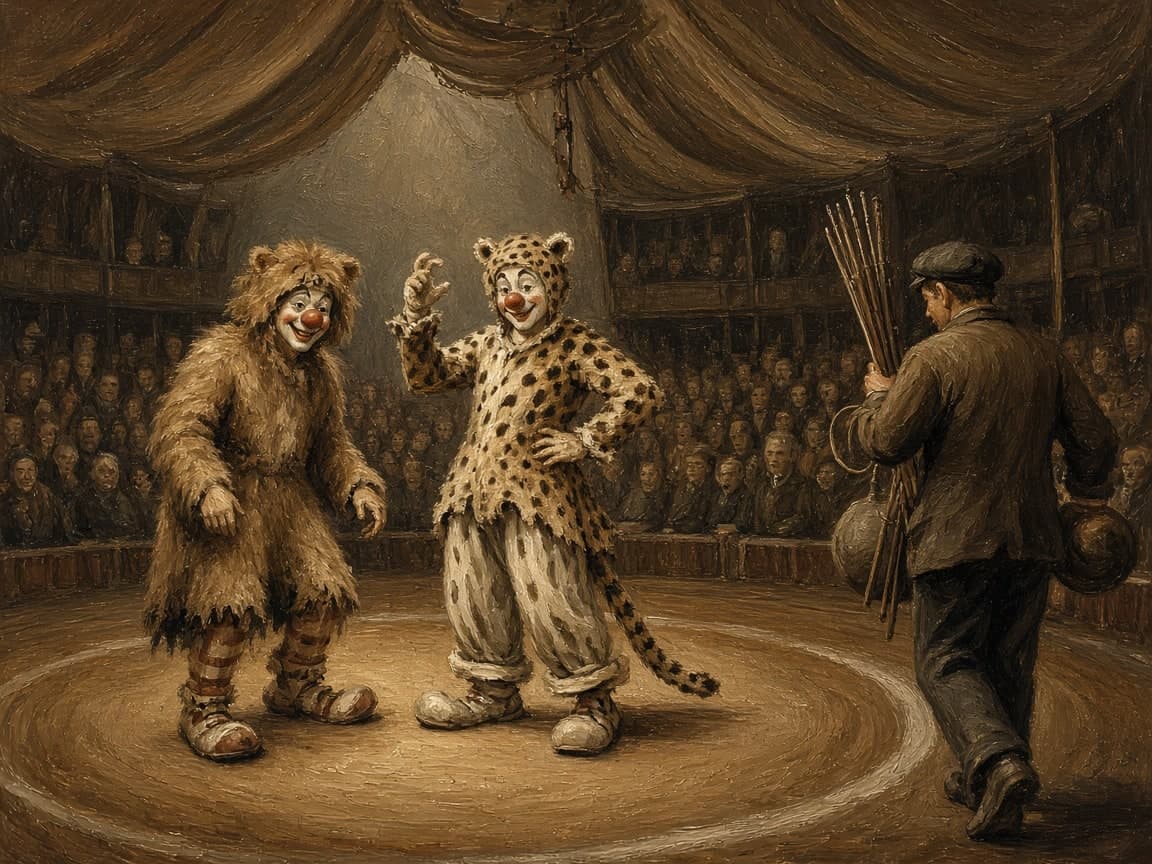
In the seventies, clowns T. and D. had an act in which they played savages and accordingly entered the ring in animal “skins.” They carried a prop tape recorder, “pressed the button,” and on…”
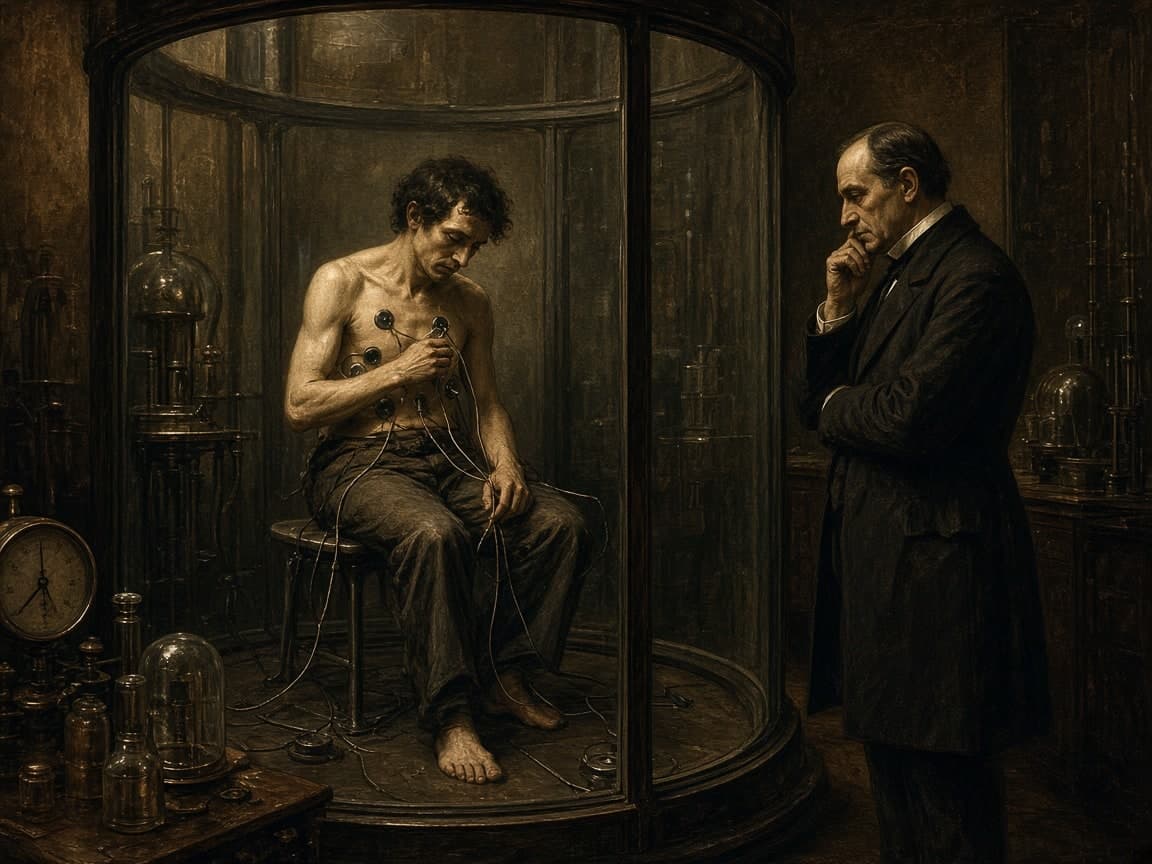
It was the last day of the experiment. The subject in the anechoic chamber, on the doctor’s command, removed the sensors from his body and wiped the attachment points with a cotton swab soaked in alcohol. He threw the swab into the urn…”
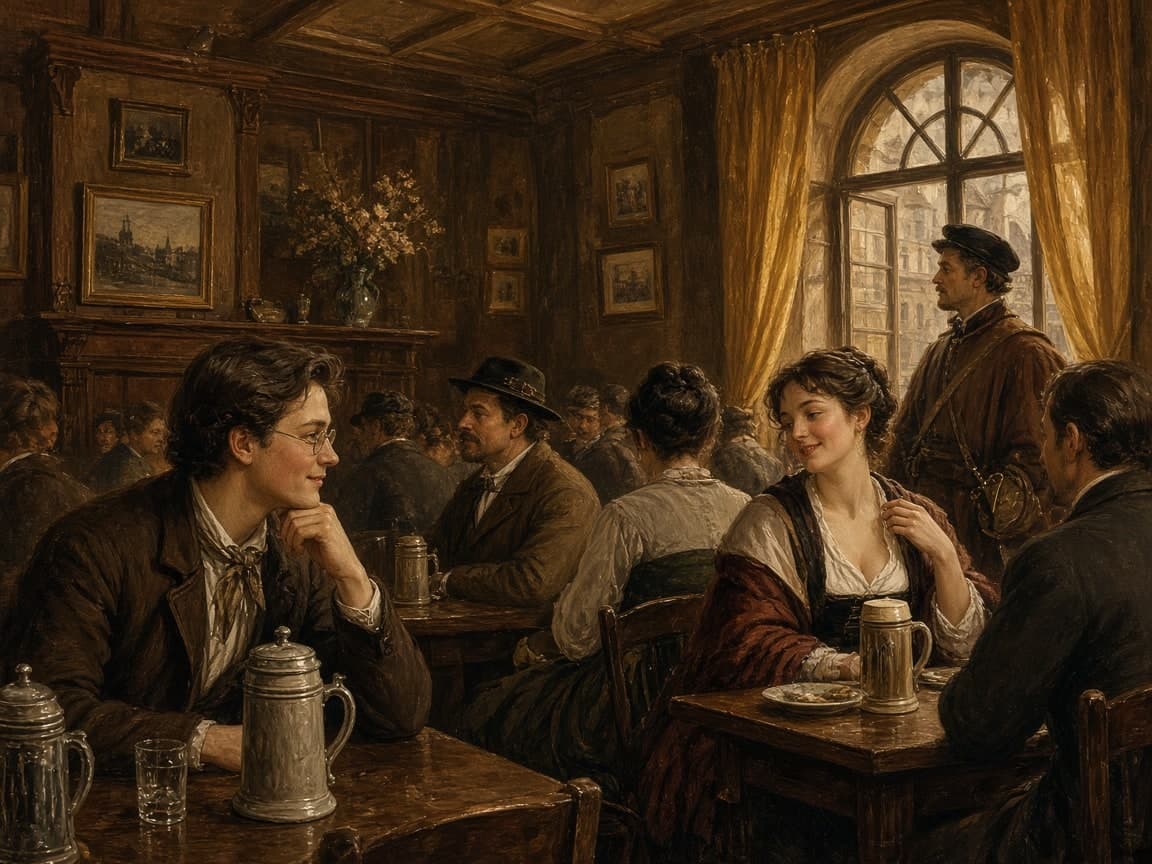
A restaurant in Munich. At one table — a young man in glasses who had drunk plenty of beer. Spotting a girl at the far end of the hall, he gets up and, swaying, heads toward her. He begins to pester…”
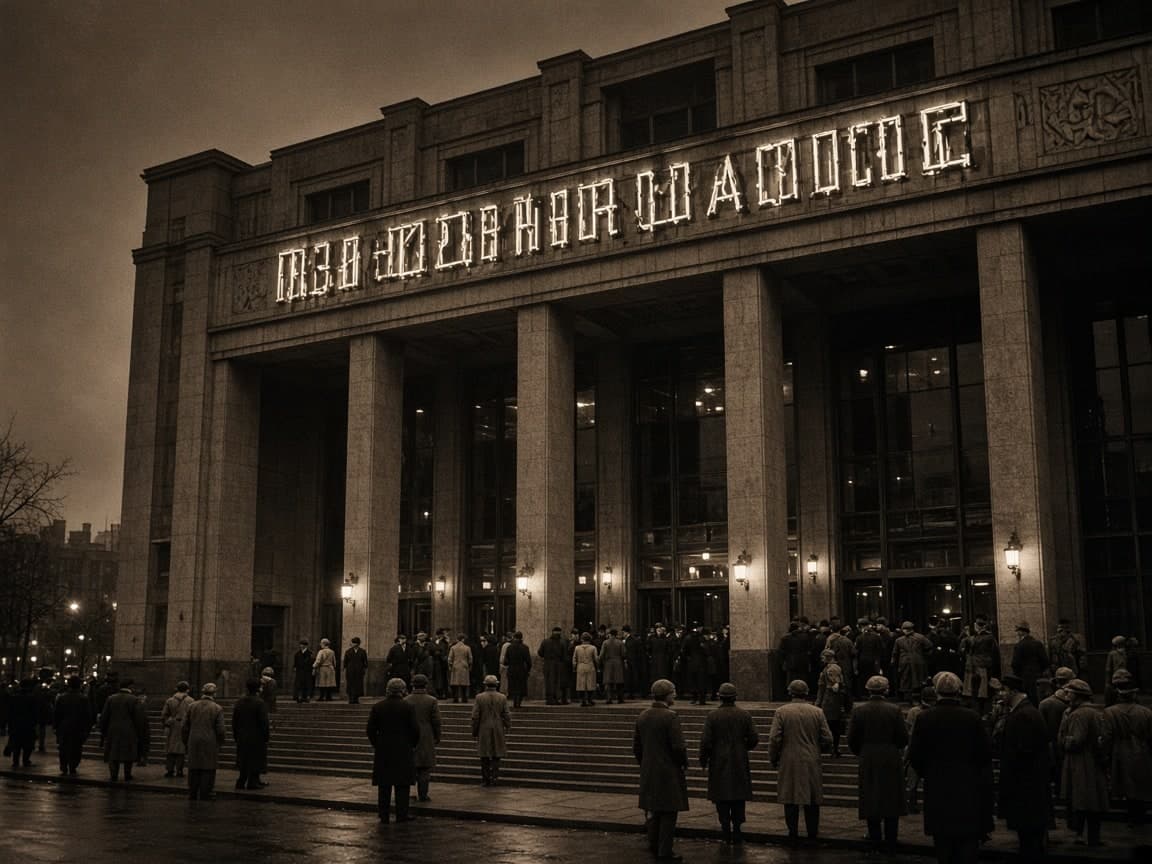
A sign at the entrance to the Taras Shevchenko Kharkiv Academic Ukrainian Drama Theatre in the mid-1960s: Today — “KOMUN1ST” Tomorrow — “POV1YA.”
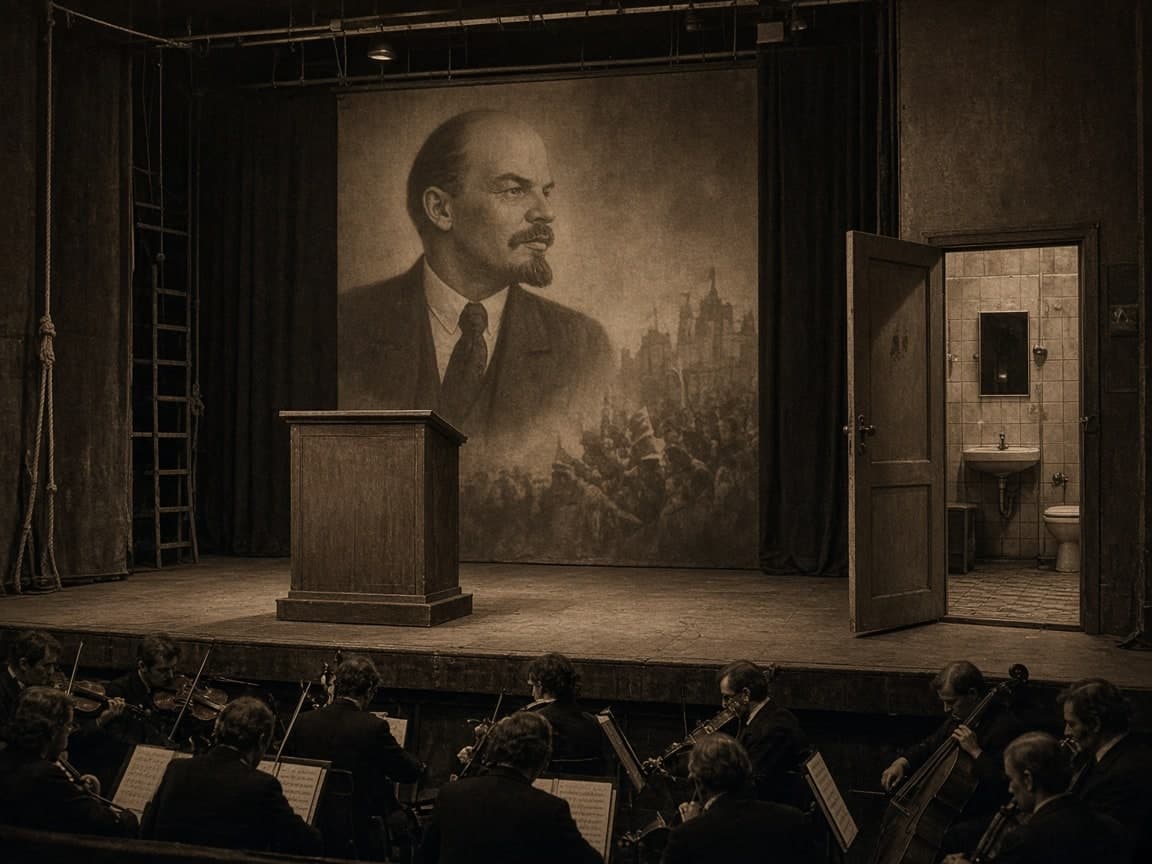
The hall fell silent — Lenin was about to appear on stage. But he did not. The orchestra played the overture again, yet Vladimir Ilyich never appeared. The assistant director and the whole company grew anxious: where had the actor gone?…”
The books of Oles Honchar, an academician recognized in his lifetime as a classic of Ukrainian literature, were published often and in huge print runs. The new novel Cathedral also got the green light — in the series “Romani 1 pov!st1…”
About the same time, on the “recommendation” of the regional committee, the Kharkiv Academic Drama Theatre named after T. Shevchenko removed from its repertoire the production of H. Kvitka-Osnovyanenko’s comedy Shelmenko the Orderly…”
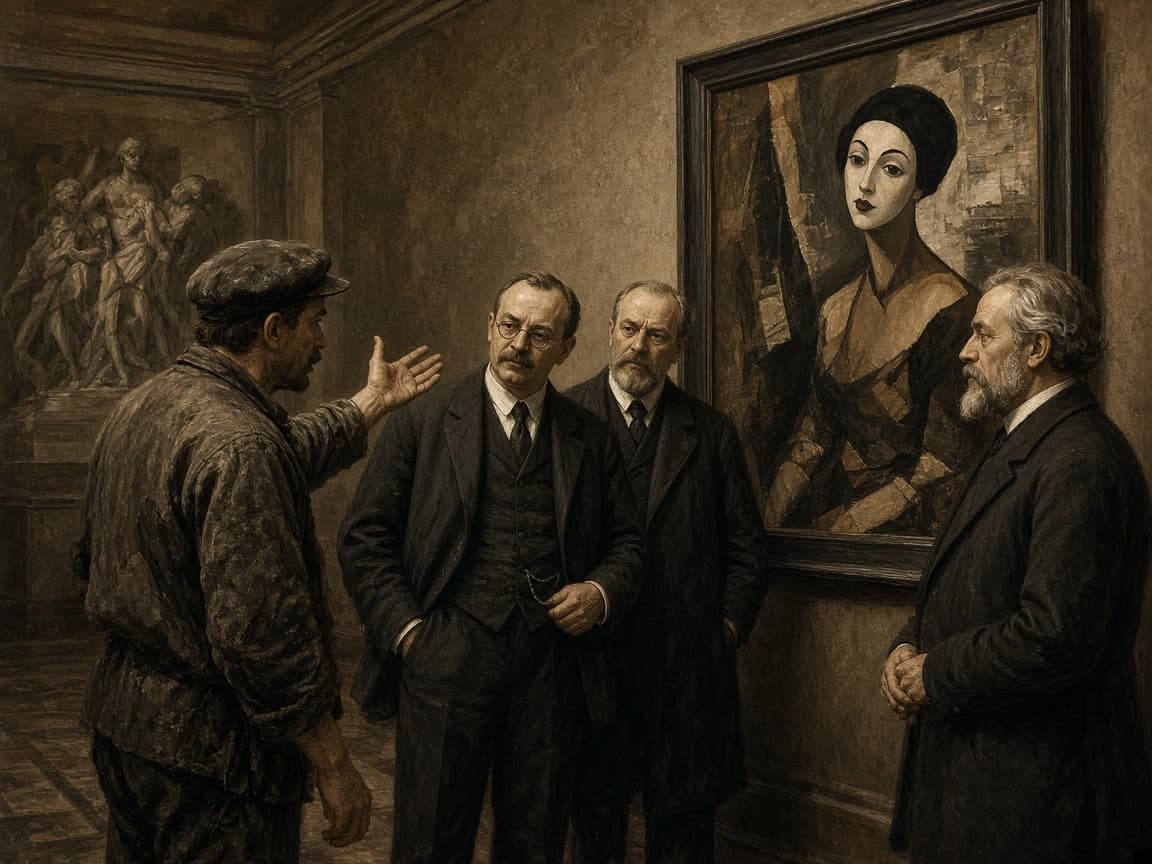
Gesturing at the paintings, a worker in a grease-stained cap declared that this was an insult to the Soviet mother, since she was shown as a fat body on heavy legs with stump-like arms.…”
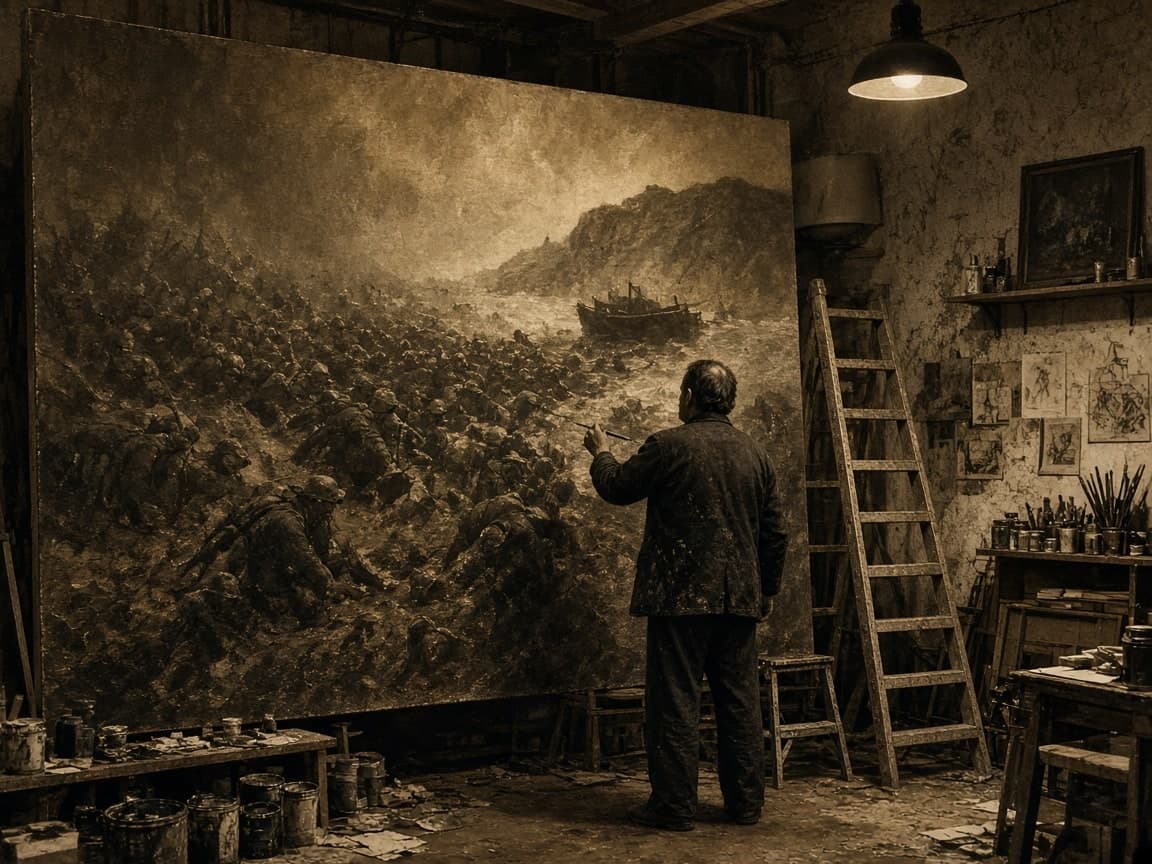
In the late 1970s, artist Sh. conceived the epochal work of his life — a monumental canvas (about 2 by 3 meters) titled “Malaya Zemlya.” He worked on it stubbornly for several years, neglecting small trifles…”
From a Chernihiv village, an unknown force drew a young man to the theater. An attempt to enter the Kyiv Theater Institute ended in failure — literacy let him down. A year later, another try — to the same place,…”
Turn of the century. A café chantant in Kharkiv, on stage — a visiting variety troupe from Odesa: a fakir works wonders, the chorus line kicks in the cancan, gypsies follow. Meanwhile backstage the lyricist…”
In the very center of Kharkiv, near the later-demolished mansion of the theater institute on Sumska, next to the Mirror Stream, a multi-meter banner hung — announcing a new production of the Russian dra…”
One local ideological leader, when approached with requests to help this or that member of the creative intelligentsia, reacted like this (first half…”
“And what is this?” the customs officer asked. “Paintings,” artist K. explained. “Where is the export permit?” “These are my own works; I painted them.” “That does not matter — they may m…”
On another visit to the Moscow office of Krokodil magazine, I looked in on the office where N. Monakhov sat. He ran the letters department and also wrote the popular column “You Couldn’t Make It Up,”…”
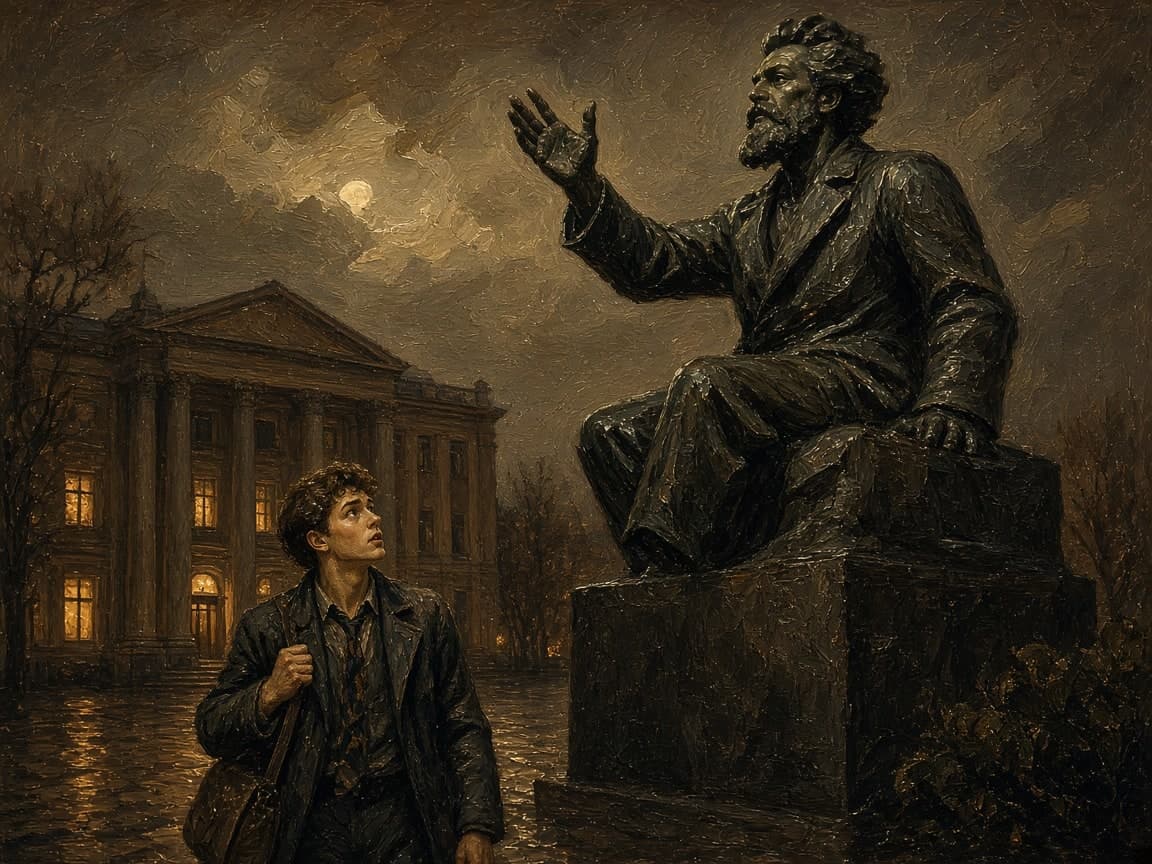
In the late 1950s, a student from the nearby theater institute walked past the monument to T. Shevchenko. Someone called to him. He saw his professor, People’s Artist of the USSR A…, by the monument.
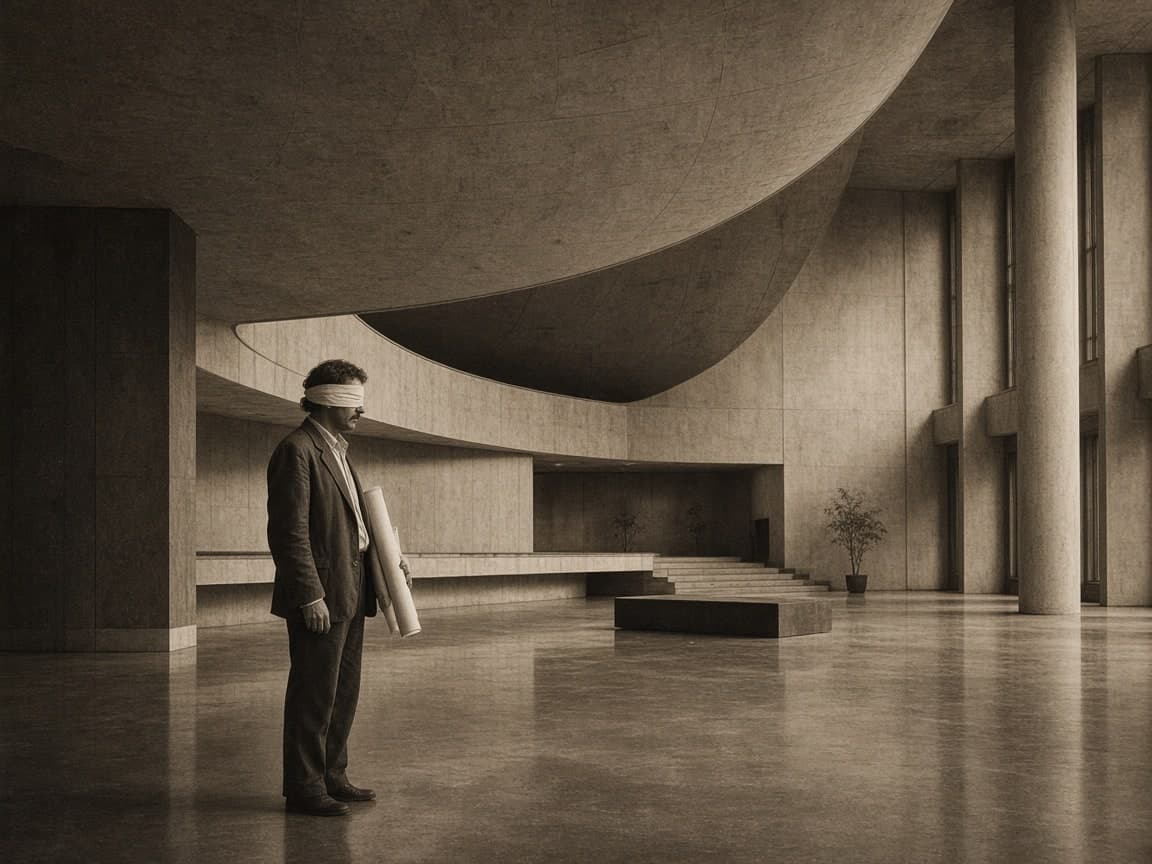
Imagine an architect with his eyes bound being led into a building he had designed. There his eyes were uncovered. He saw a spacious auditorium, a large two-tier foyer… Of course, he recogni…”
In the late 1970s, the famous trainer Walter Zapashny arrived at the Kharkiv directorate for preparing circus numbers (in the old circus building). The train came late in the evening, and since by…”
The circus hired a new chief engineer who had previously worked in a field unrelated to the arts. For a week he walked around and looked things over, then at a staff meeting declared: “What is going on here? Where t…”
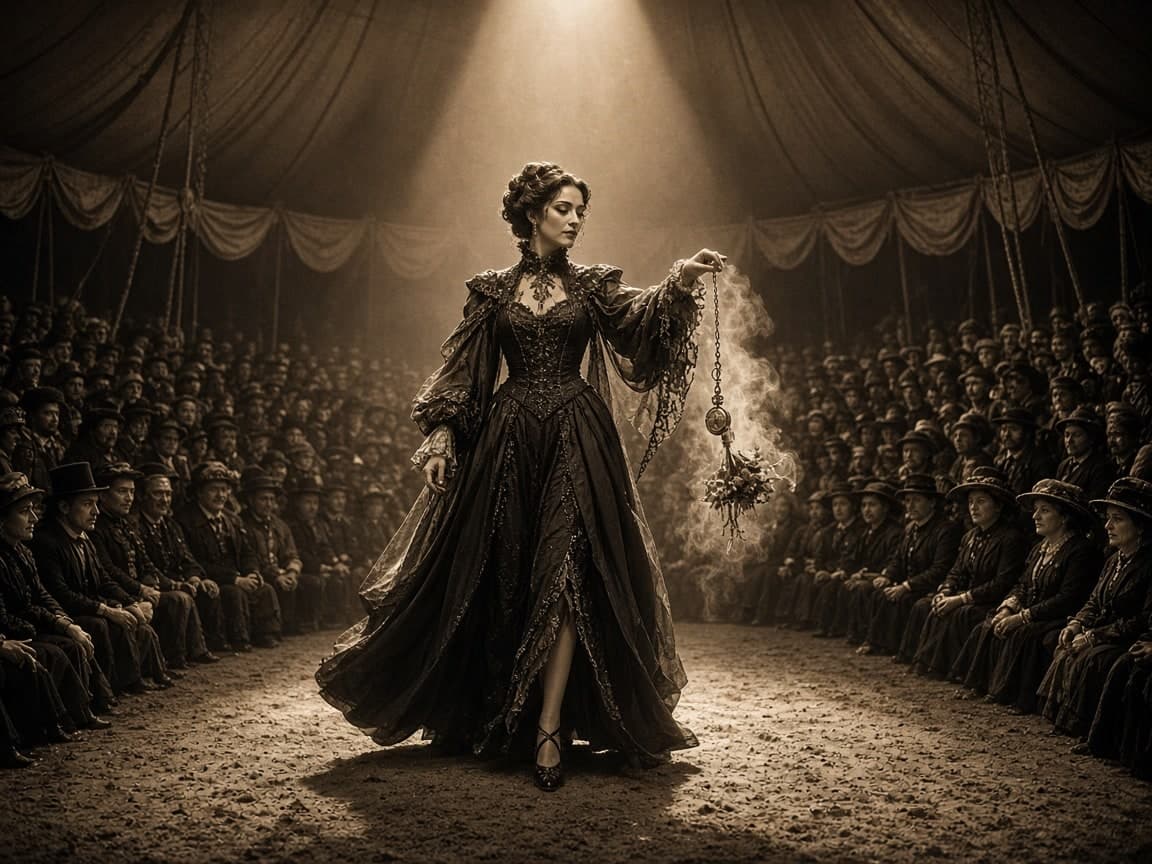
The famous trainer and illusionist L. Denisova worked there — a very striking woman. One of her acts went like this: walking along the rows past spectators, she quietly took their watches, wallets, and…”
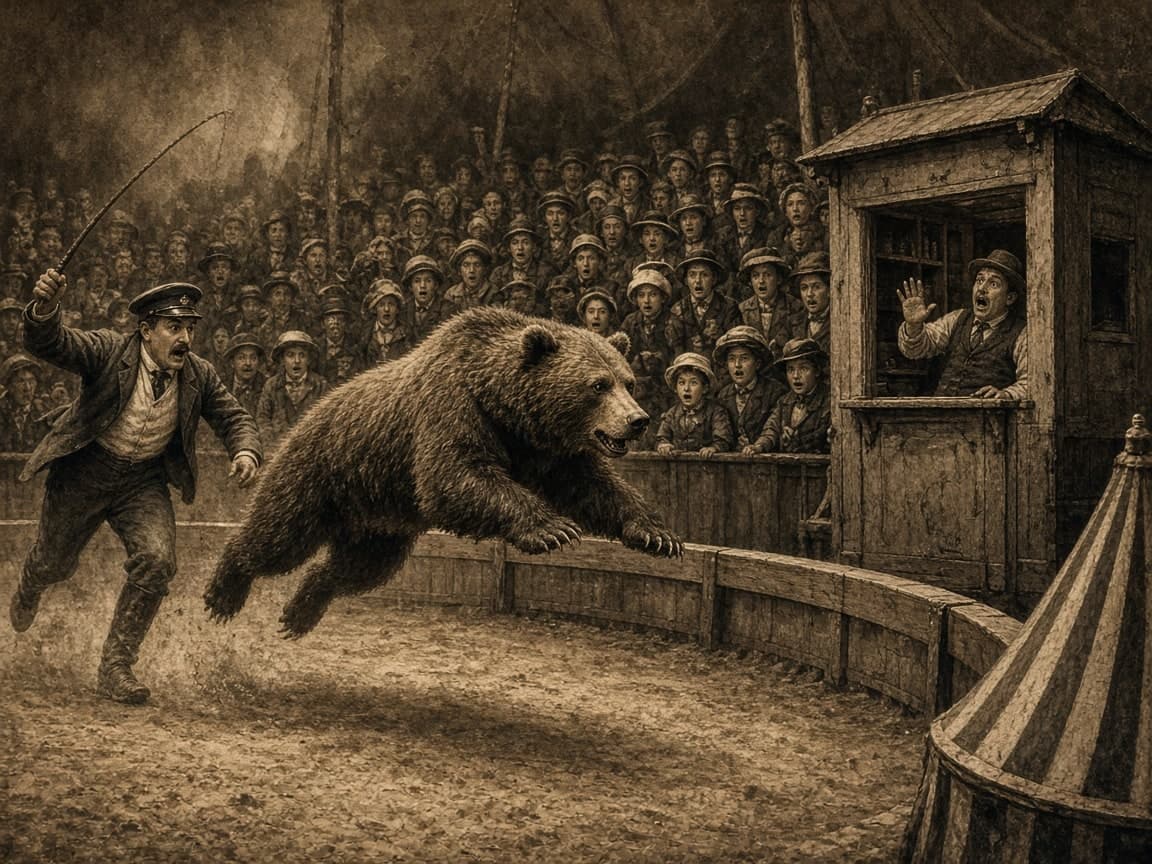
During trainer V. Simonova’s act, a brown bear unexpectedly jumped the barrier and attacked an elderly ticket-taker. The trainer and her assistants pulled the animal away, but it had already quite…”
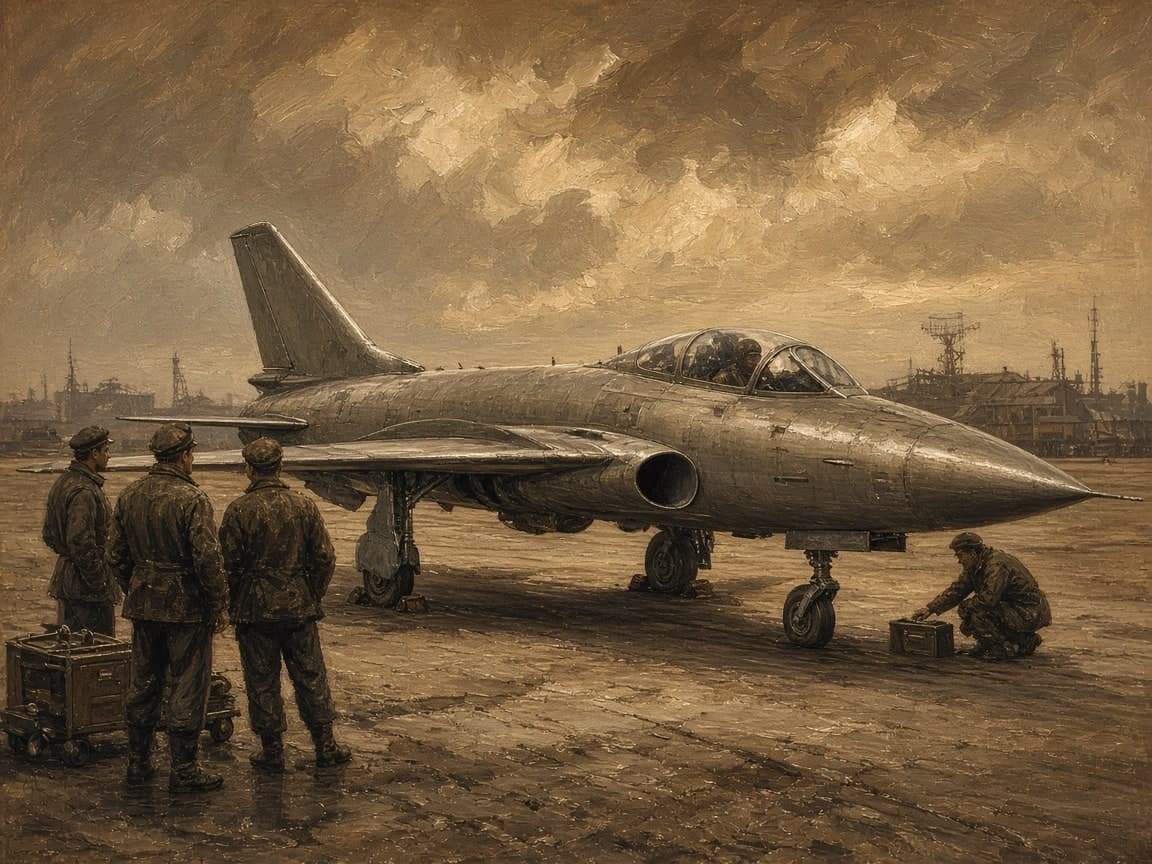
As is well known, “MiG” is the famous brand of high-speed jet fighters. The first were designed before the war and were actively used in combat; production of the last models…”
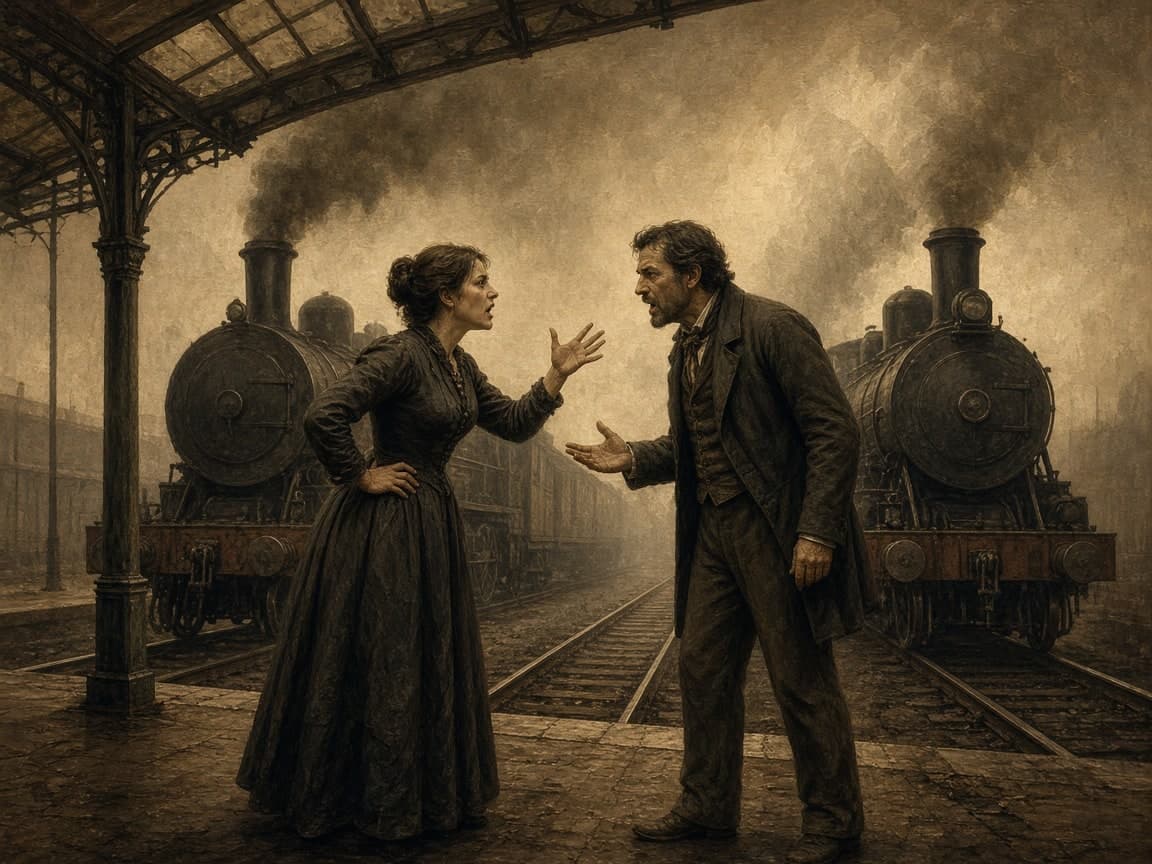
Tragedies happen in our lives — train collisions, for example: for some reason they end up on the same track and have nowhere to go. But for airplanes to collide in what seemed an…”
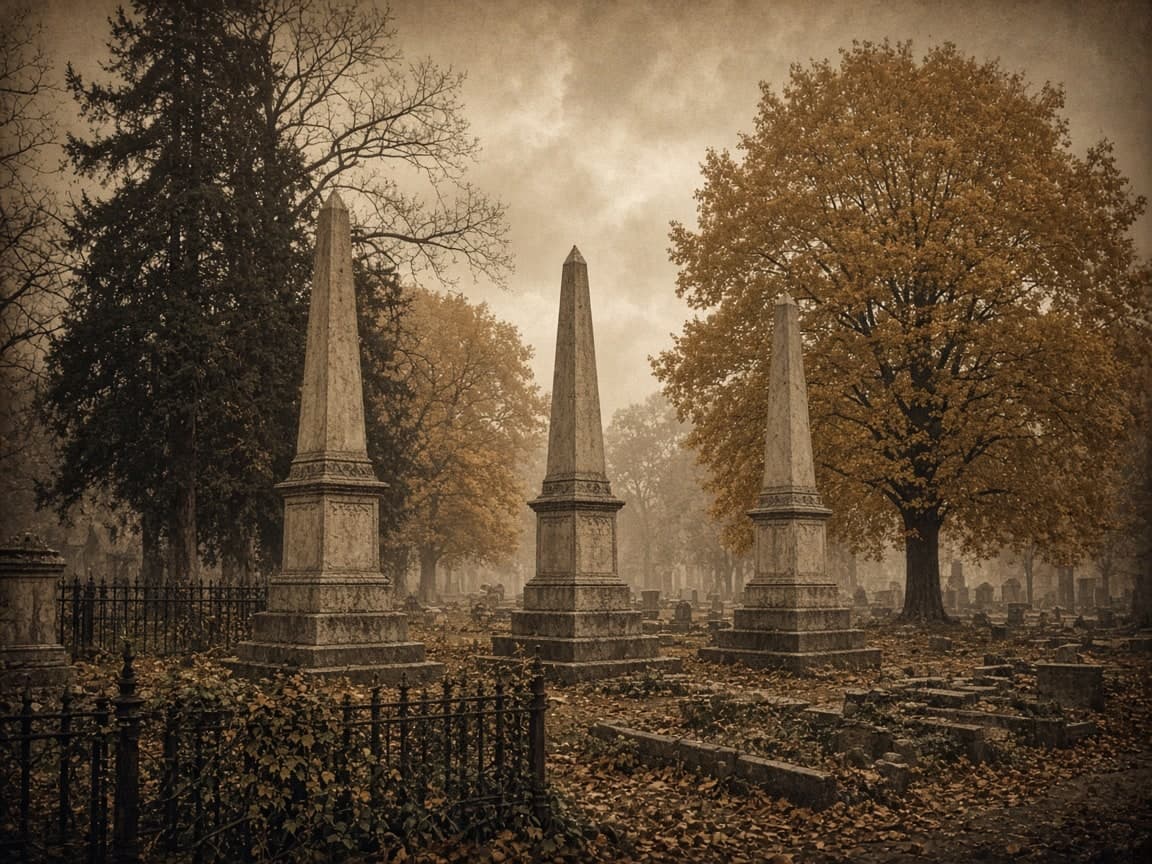
If you enter the old cemetery on Pushkinska Street opposite Molodizhny Park, you can immediately see three identical obelisks on the left. The birth dates differ, but the date of death is the same... October 24…”
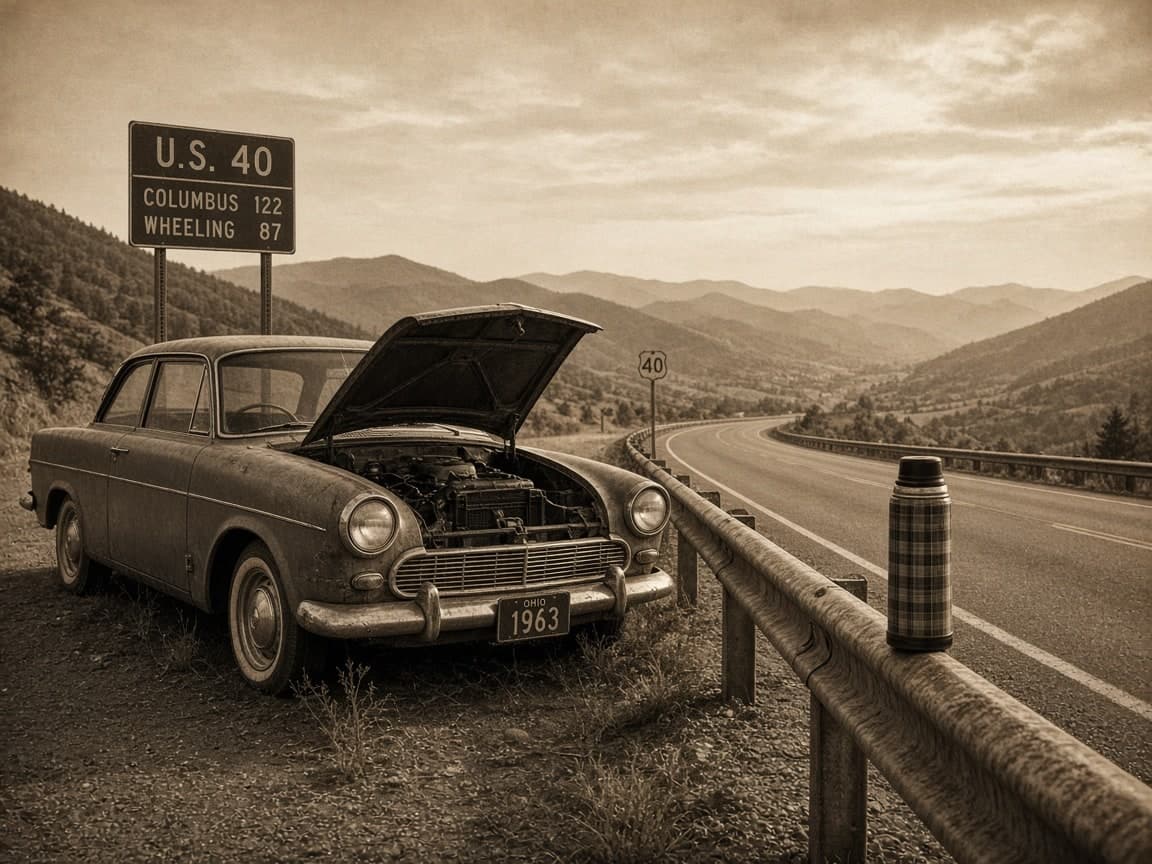
In 1963 the famous poet Yevgeny Yevtushenko was driving his Moskvich from Sukhumi home to Moscow. In Kharkiv his carburetor failed. At the bus station a Kharkiv resident recognized him and offered…”
In 1965, after an absence of nearly half a century, artist Zinaida Serebryakova came from Paris to Moscow for the opening of her personal exhibition. She came from the Lanceray–Benois family, with names…”
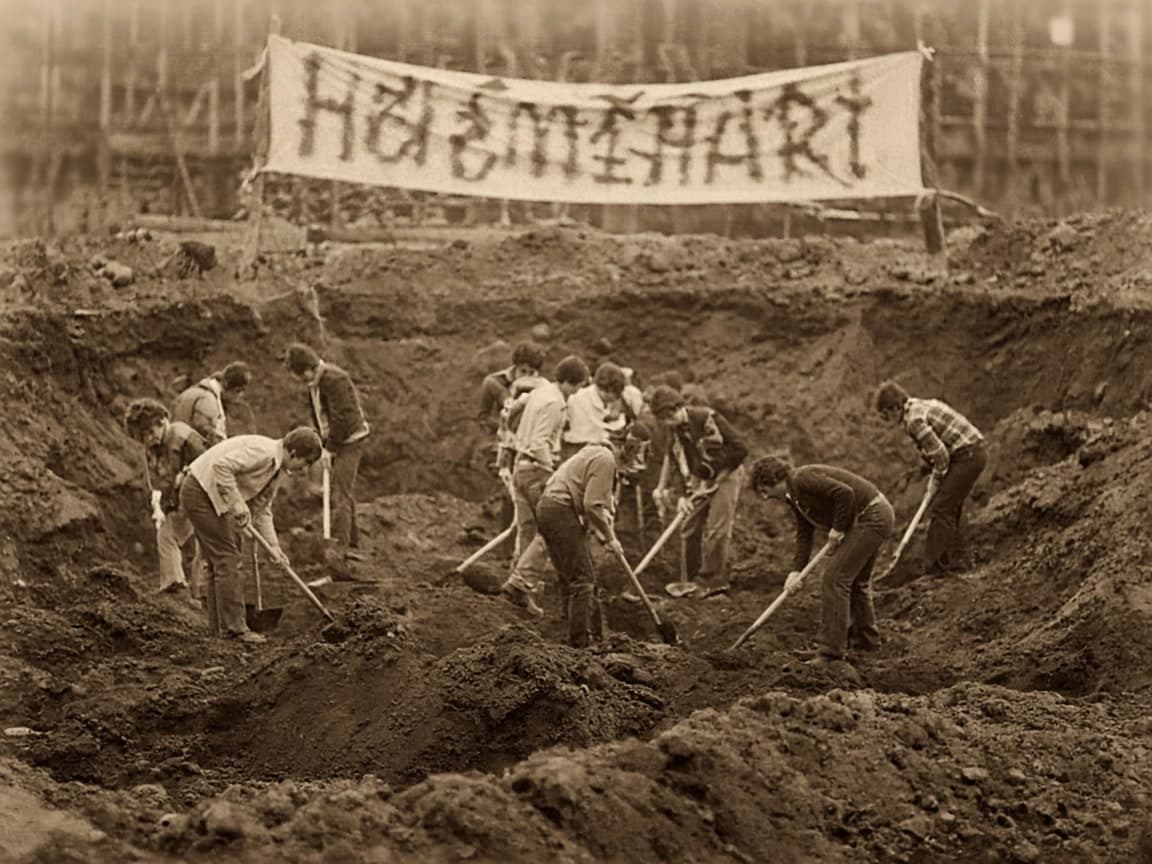
Showing up one morning at a construction site with crowbars and shovels, students found a hand-written poster: “Please leave us here! Cemetery old-timers.” The history of any city is its burials…”
“During the election campaign I spoke in Kharkiv by the Pushkin monument. The square was packed, and people’s eyes held the expectation of something important that would happen in the country, together with us. Someone whispered to me…”
early 20th century · Saltivka
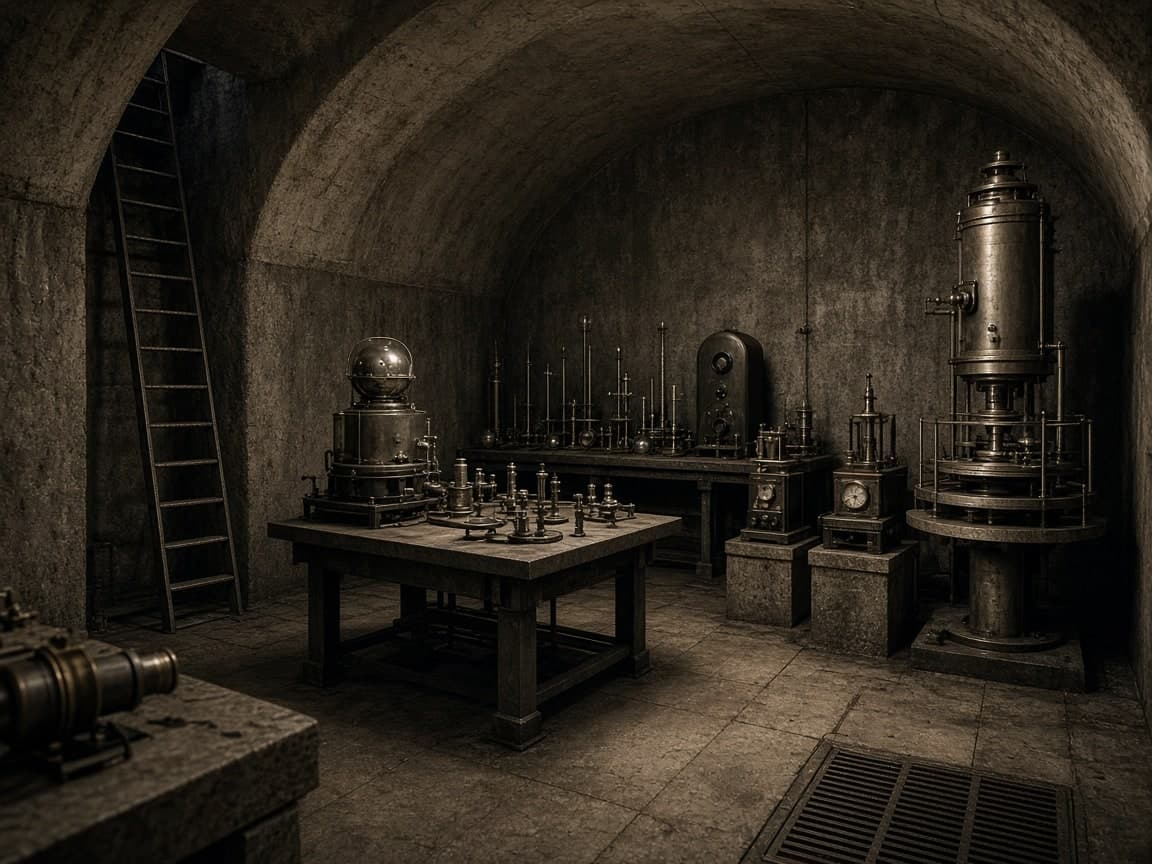
Until the 1960s the most precise time in the Soviet Union was kept in Kharkiv. Fifteen meters underground there was a special room equipped with high-precision electronic…”
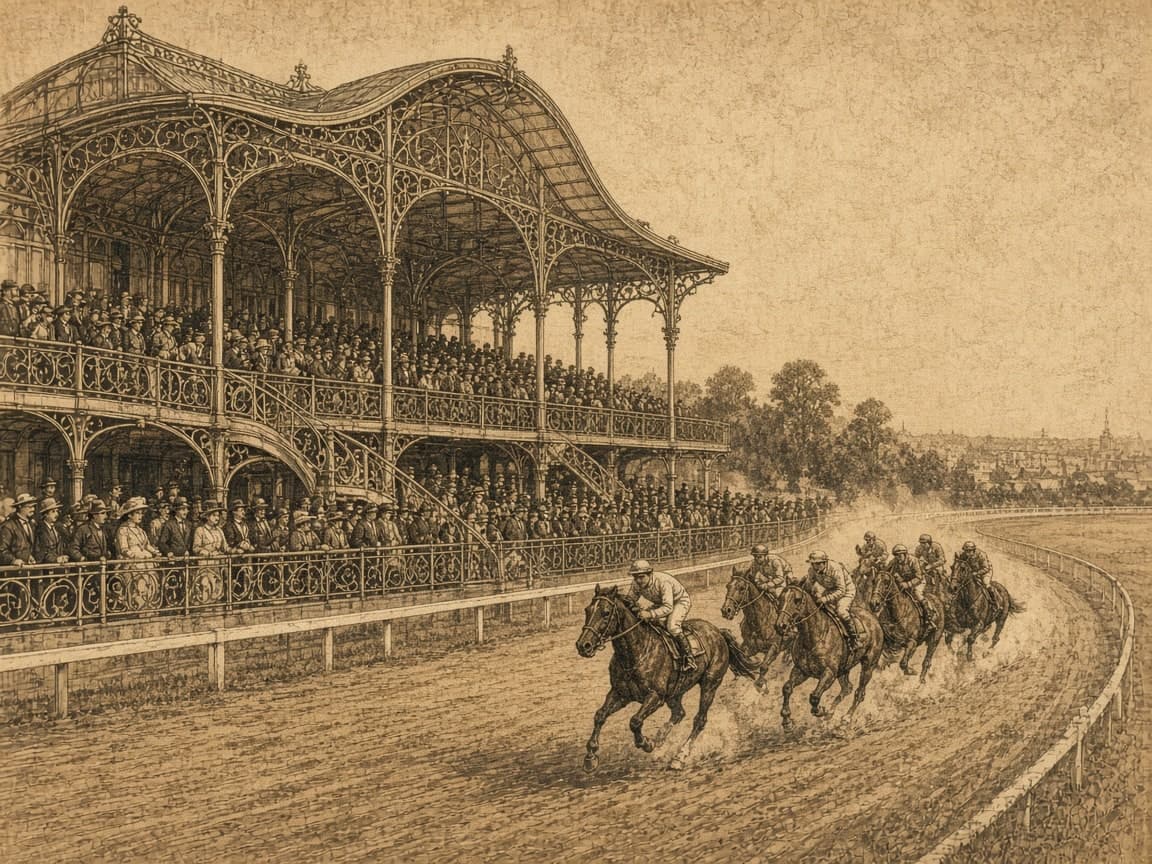
The racetrack. The stands are filled with ladies and gentlemen eagerly following which horse will finish first. Small wonder — they had placed bets! Many racing fans left their fortunes here. And vo…”
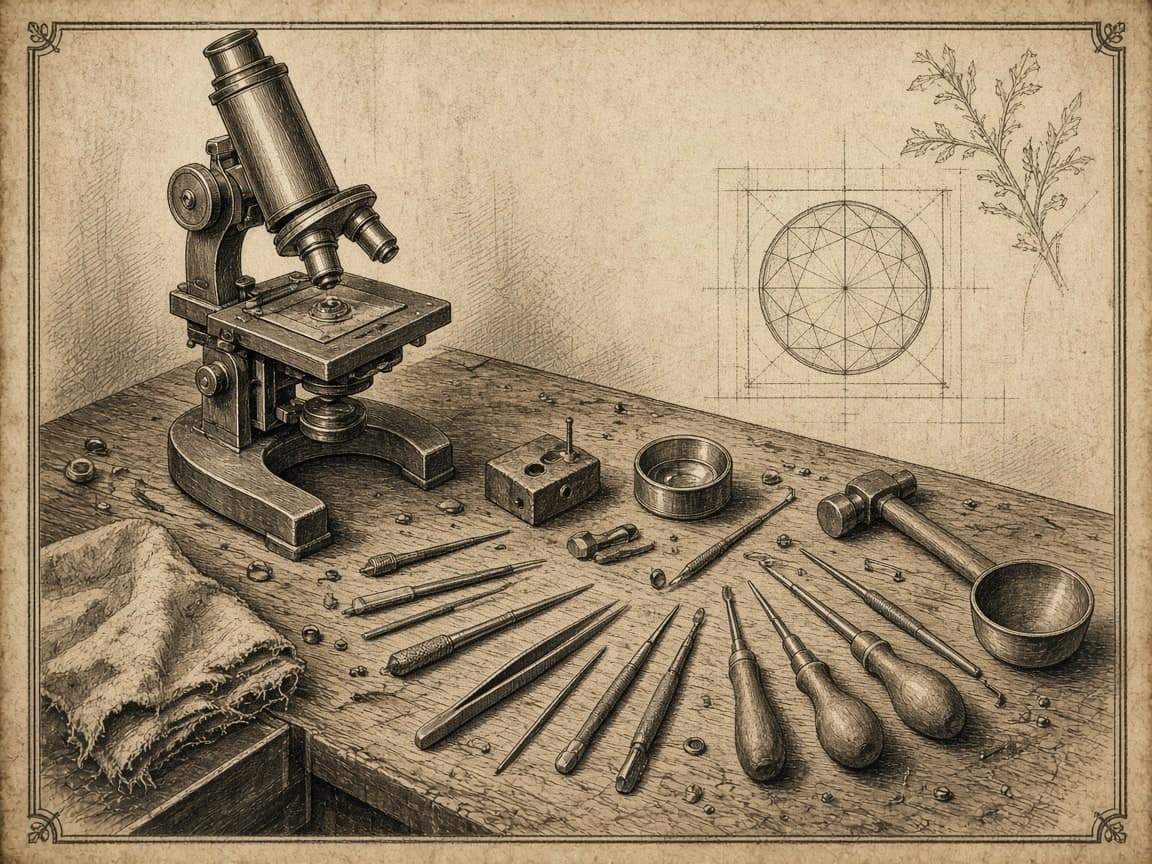
As is well known, that was the work of the Tula master Lefty — but only in N. Leskov’s story. In reality our fellow countryman Mykola Syadristy did it. And also — a lock with a tiny key that fit on a cross-section of hair, electrom…”
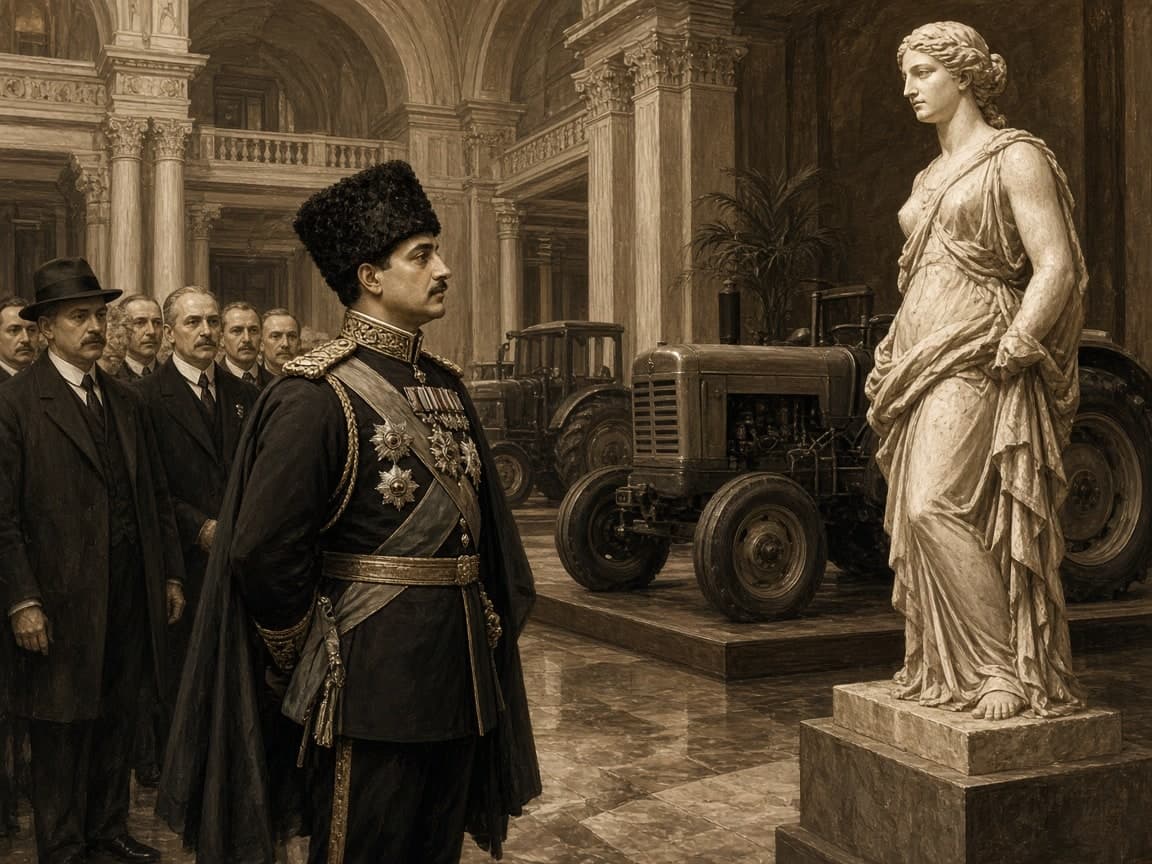
The Shah of Iran, Reza Pahlavi, toured the Exhibition of Achievements of the National Economy in Kyiv. Yet neither livestock nor tractors caught the distinguished guest’s attention. Then in one pavilion he noticed…”
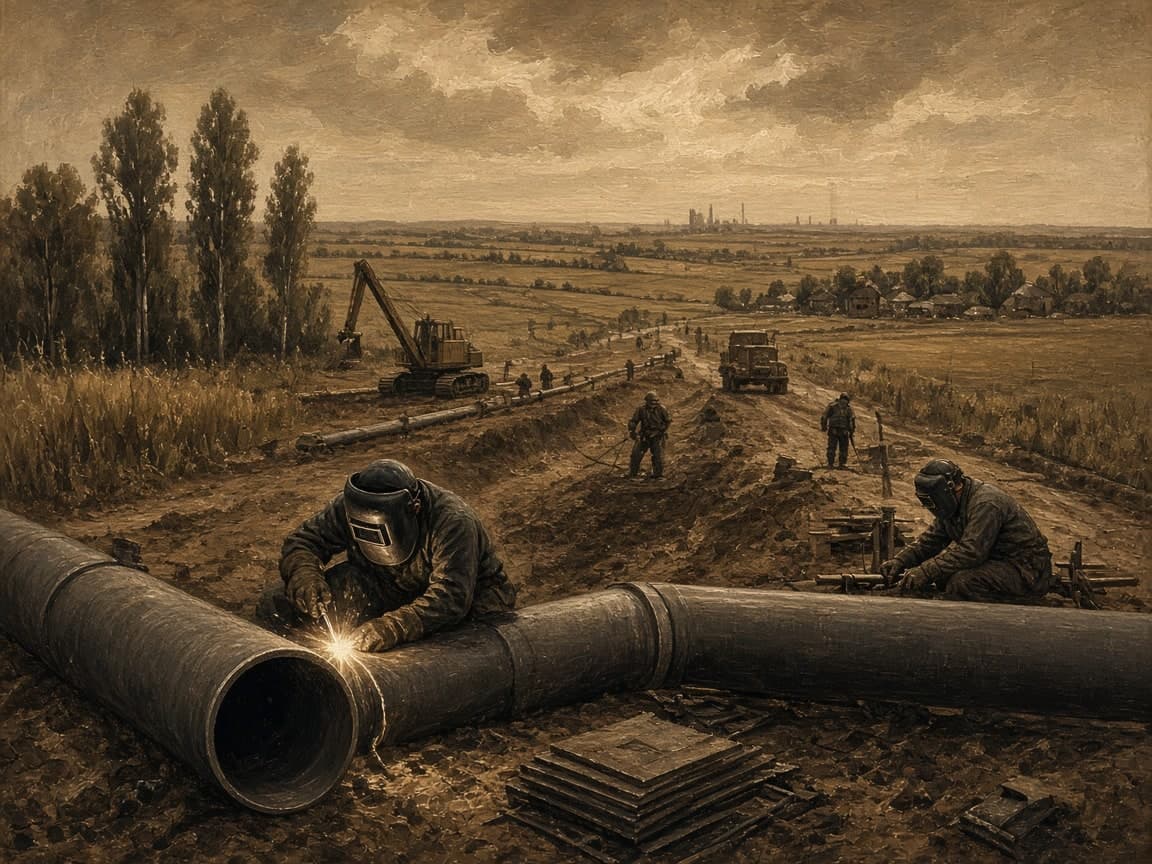
In the 1960s the strategic Urengoy–Pomary–Uzhhorod gas pipeline was laid, continuing on to Western Europe. The route also crossed our region. Often the adjoining villages…”
During one visit to Kharkiv, poet Maksym Rylsky stopped for a bite at the hotel buffet. Taking a plate of sausage, he sat down, tried a piece, grimaced, and pushed the food away…”
Poet M. Shapoval and the no less famous prose writer V. Dobrovolsky walked along Sumska one deep autumn day. Recall that this street divides two central districts — Dzerzhinsky and Kyivsky. In one of them…”
M. Shapoval and V. Kholodkov spent the summer at a writers’ retreat in Yalta. Fairly, they agreed to “rest” equally: today one buys drinks, the other snacks, tomorrow the reverse, and so…”
At one corner of Sumska a beggar stood in his usual spot. A group of writers passed by. M. Shapoval demonstratively took out and threw ten rubles into his hat (for comparison, the usual amount…”
At the VKh newspaper office a certain Sh. served as literary editor — a talented poet and kind man, but a great lover of the “green serpent.” Hence his rather shabby appearance. Once the editor summoned him…”
In 1972 the Kharkiv journal Prapor (now Berezen) published a novella by the then young Kyiv satirical writer O. Chernohuz, “Blue Appendicitis.” In fact it was the first in Ukrainian…”
As is well known, in December 1917 a congress in Kharkiv proclaimed Ukraine a Republic of Soviets. Half a century later, to honor the event, the city’s central square was renamed Soviet Square (now Constitution Square…”
The famous Kharkiv Locomotive Works was built in 1896 (curiously, the first locomotive was produced there just a year after construction began!). In 1957, in connection with the re…”
In May 1978 word swept through Kharkiv: Vladimir Vysotsky was coming. There were no posters, as far as I remember, yet news of his arrival spread instantly. Tickets sold under heavy demand, but for fans — and there were many…”
Still in his youth he became a laureate of the Herbert von Karajan International Conductors’ Competition, headed the Kharkiv Philharmonic symphony orchestra, and received the title of Honored Artist of Ukraine. The maestro…”
Academician B. I. Verkin sent off his students and colleagues with those words. It meant they were to discover something utterly unusual that had never existed before. Obviously they often succeeded, for…”
One morning staff arrived at the new opera house and discovered that the ancient massive bell weighing... one and a half tons was gone. It had been moved here in 1991 from the former building, where it…”
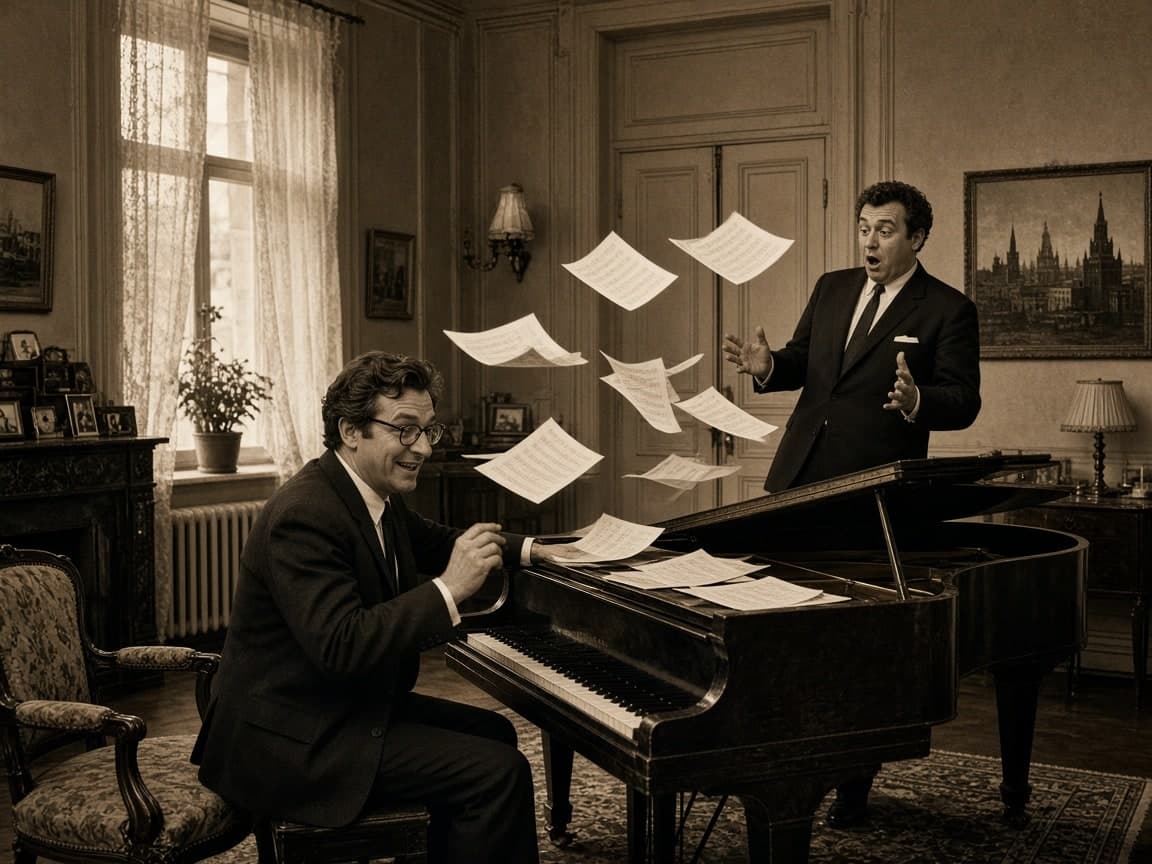
Moscow composer Nikita Vladimirovich Bogoslovsky is famous not only for his songs but also for his pranks. One of them he played on his colleague, a native of Kharkiv, songwriter Georg…”
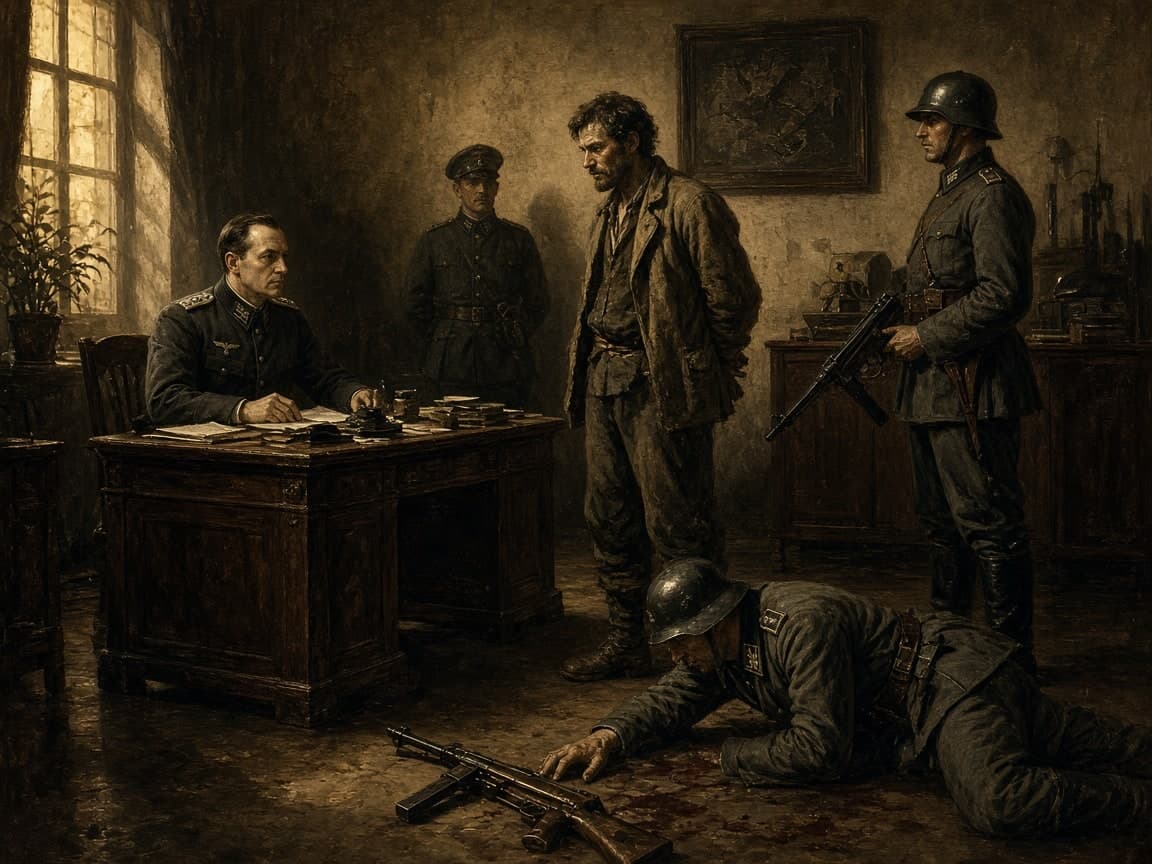
The Gestapo chief’s office. Escorts bring in a captured partisan. Then one guard staggers and falls, his Schmeisser clattering to the floor. The Gestapo man looks questioningly at the second escort. “All…”
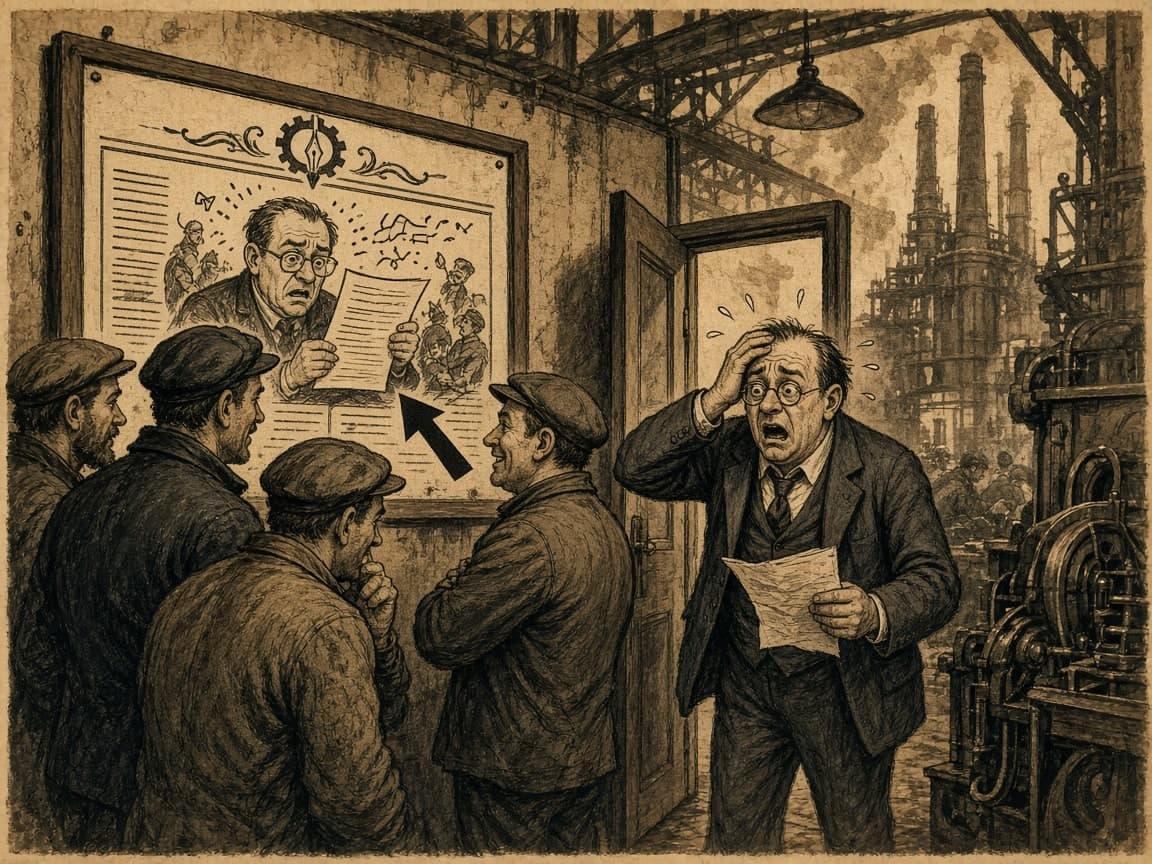
Every factory newspaper had satirical columns: “Barb,” “Shavings,” “From a Sharp Angle,” and so on. In one of them a note appeared titled: “Why doesn’t molder Boyarchuk have…”
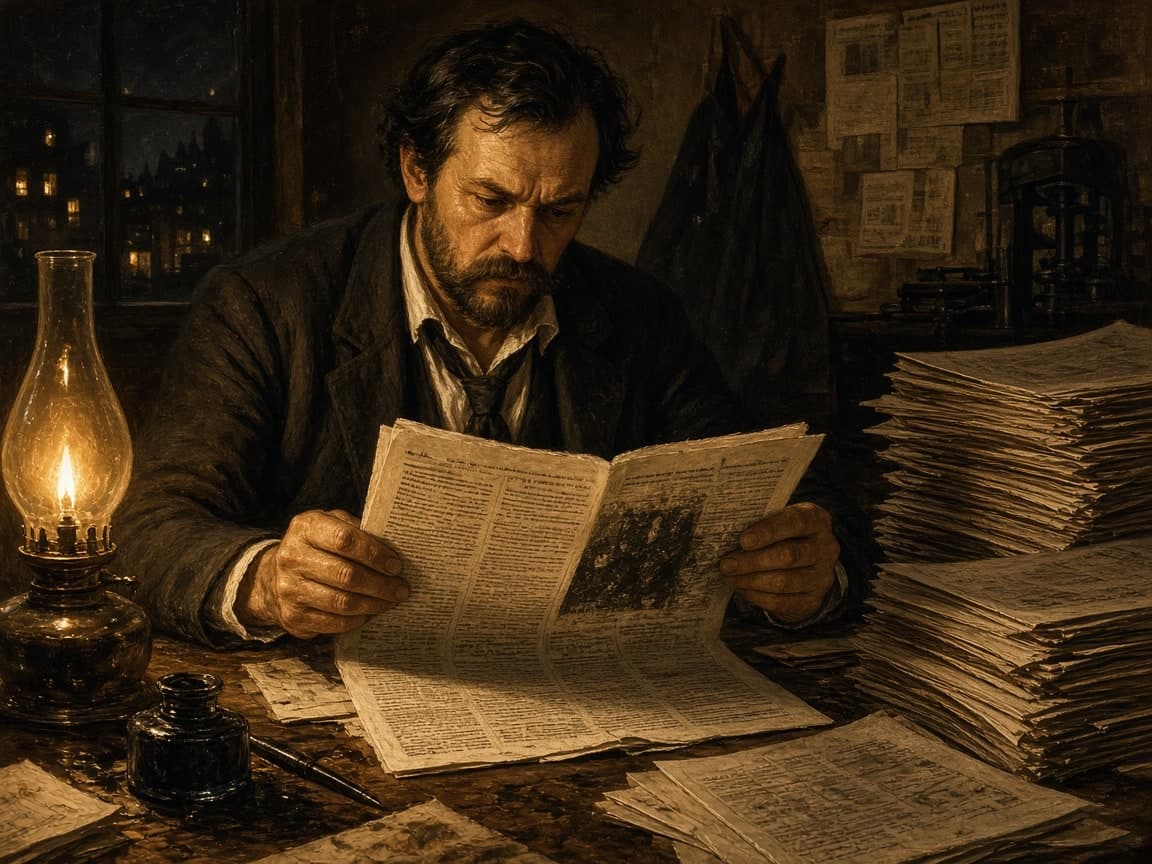
The editor of the factory paper was proofreading a freshly printed issue and froze. One item reported on another party event. At the end it said (surnames shortened): “In the r…”
undated · Forest Park
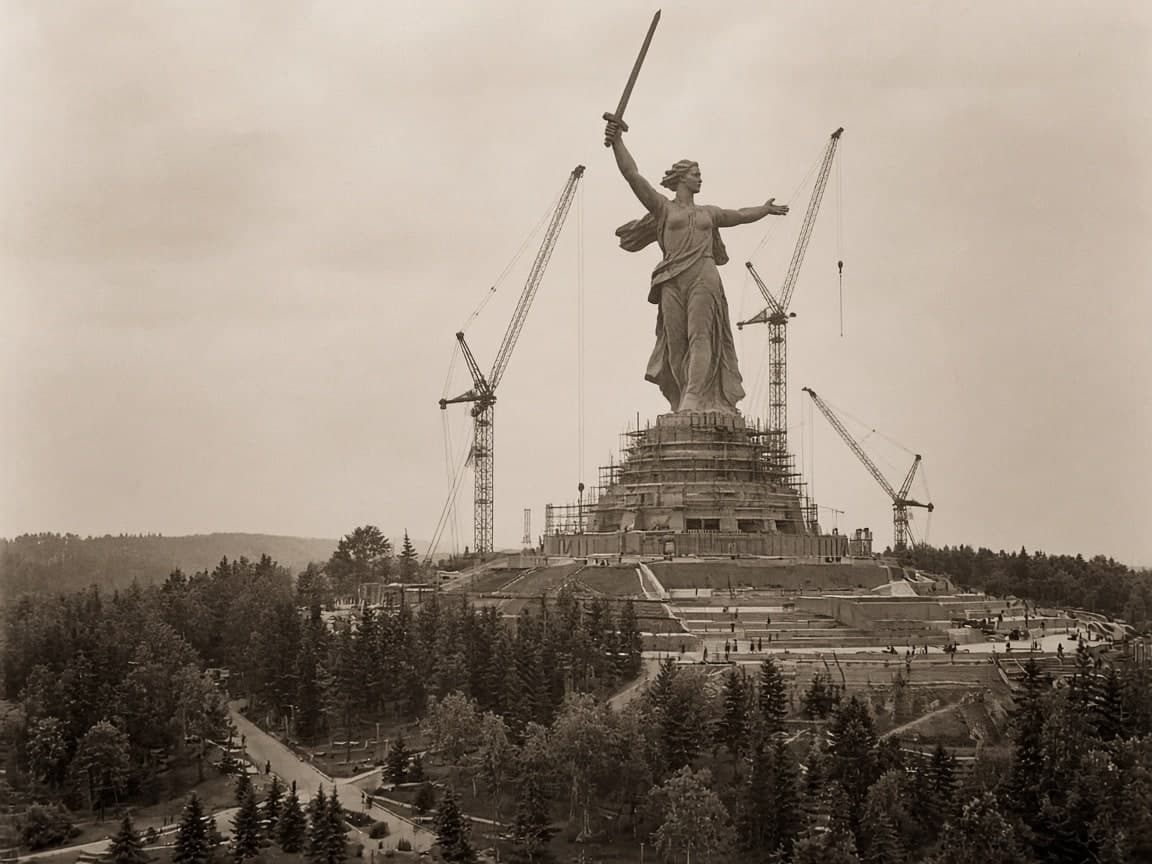
Construction of the Glory memorial complex in Lesopark was nearing completion — for the 40th anniversary of Victory. It was taken so seriously that the city committee secretary personally oversaw the process. Then he was told:…”
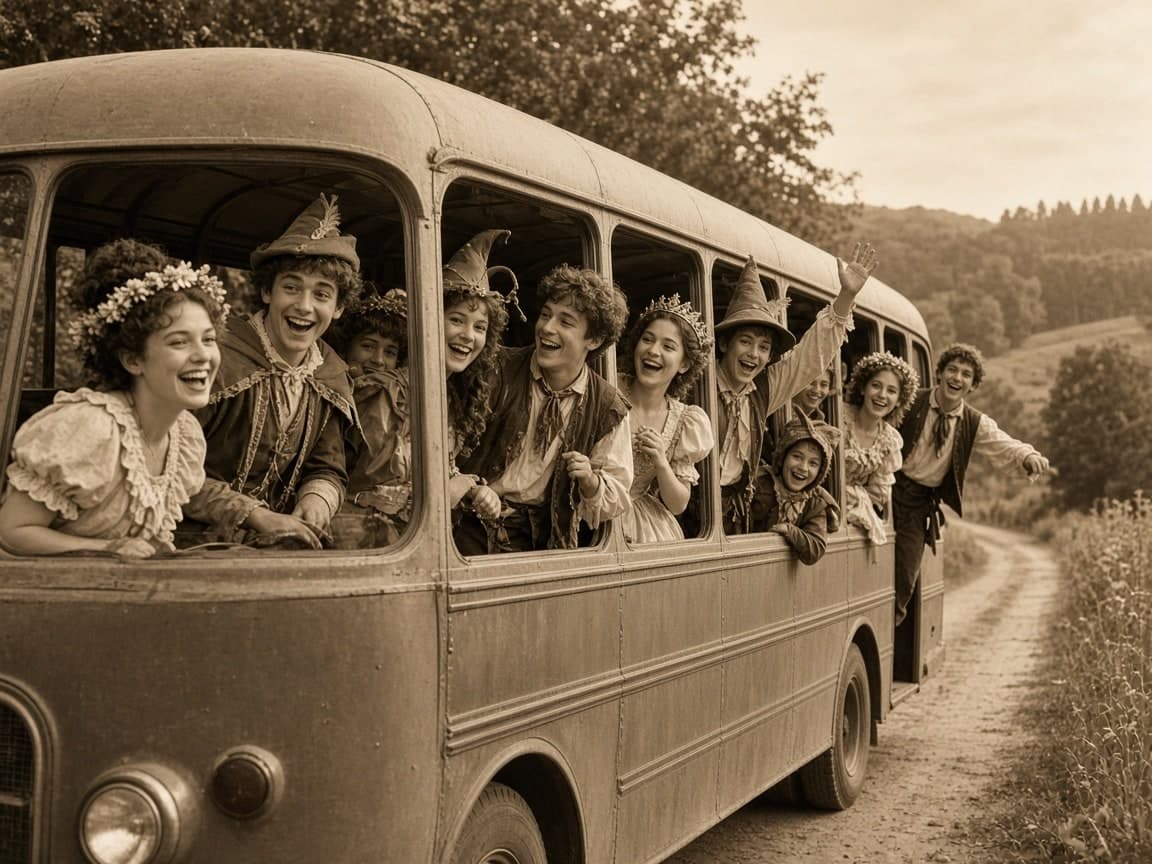
A bus with Kharkiv Young Spectators’ Theater actors raced along a country road to a performance at a children’s camp. They were taking a fairy tale; not knowing local conditions, they had done their makeup still at the theater. Time before the show…”
In the late 1960s the Komsomol regional committee youth center organized a series of meetings with famous people, usually held at the Palace of Sports. Once they invited the then-popular fashion designer Vyacheslav…”
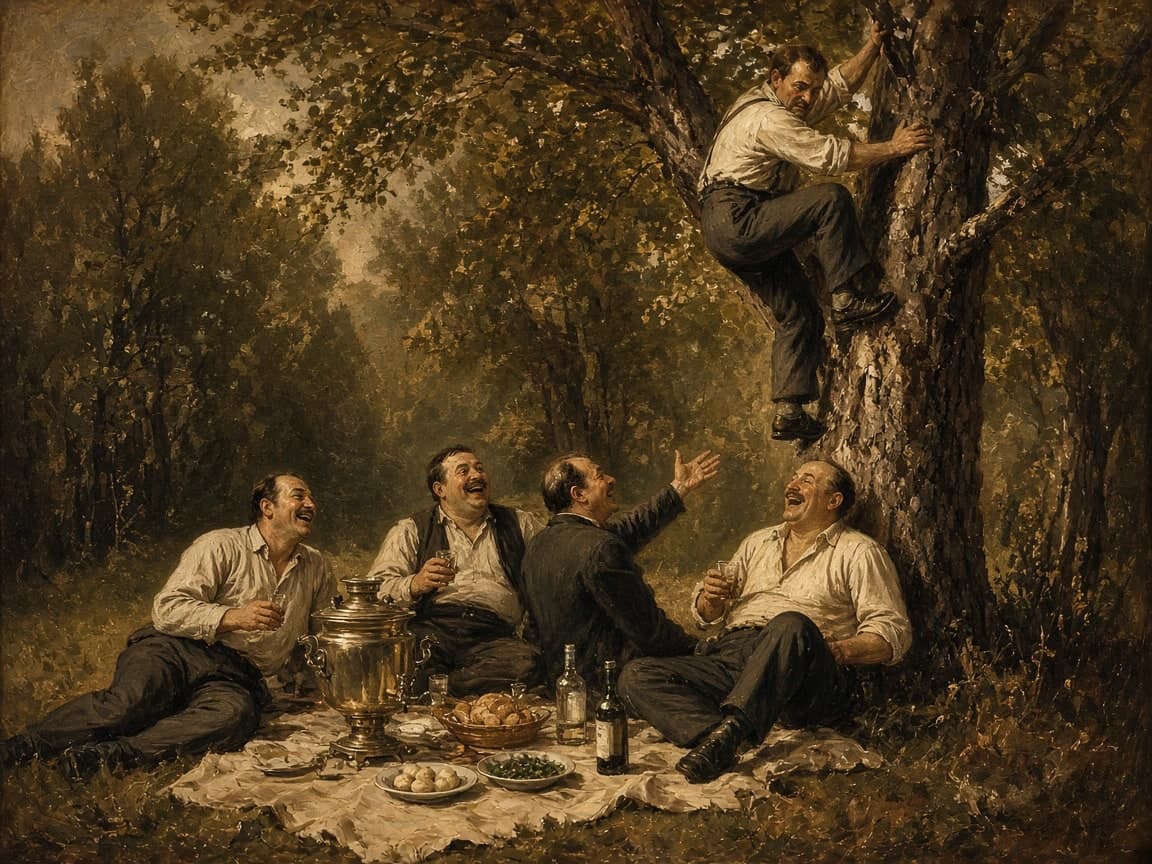
The company settled on a forest clearing and spread a “magic tablecloth.” They had a round of drinks, then another, and another. Only then did they remember the guest for whose sake, in fact, they had gathered…”
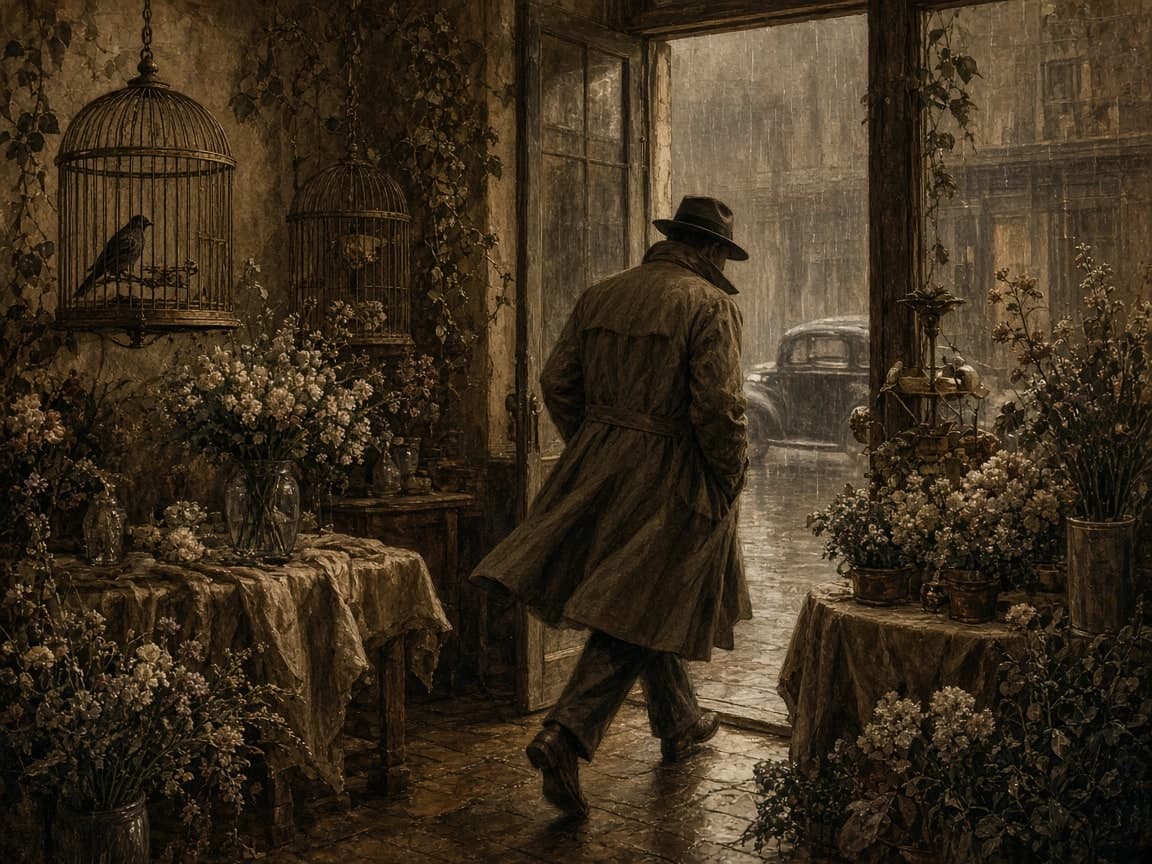
“Stierlitz entered a flower shop on Blumenstrasse, filled with flowers and cages of birds. But the scout had no time for them: he fixed his gaze on the second floor of the house opposite — on the apartment window, in…”
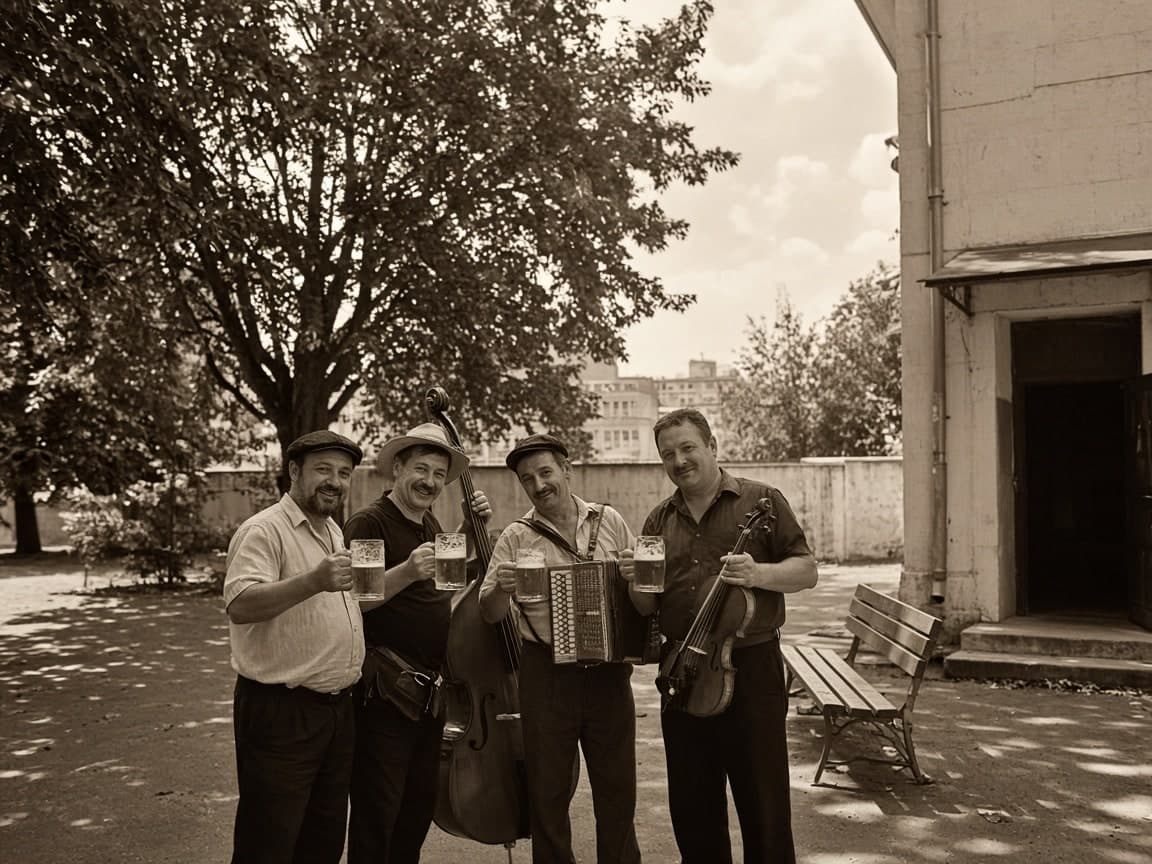
“My partner and I came to Kharkiv to give a concert. Terrible heat, we wanted to drink. We stepped into the little square by the service entrance to smoke. We overheard this dialogue between a man and woman on a bench. He (ingratiatingly):…”
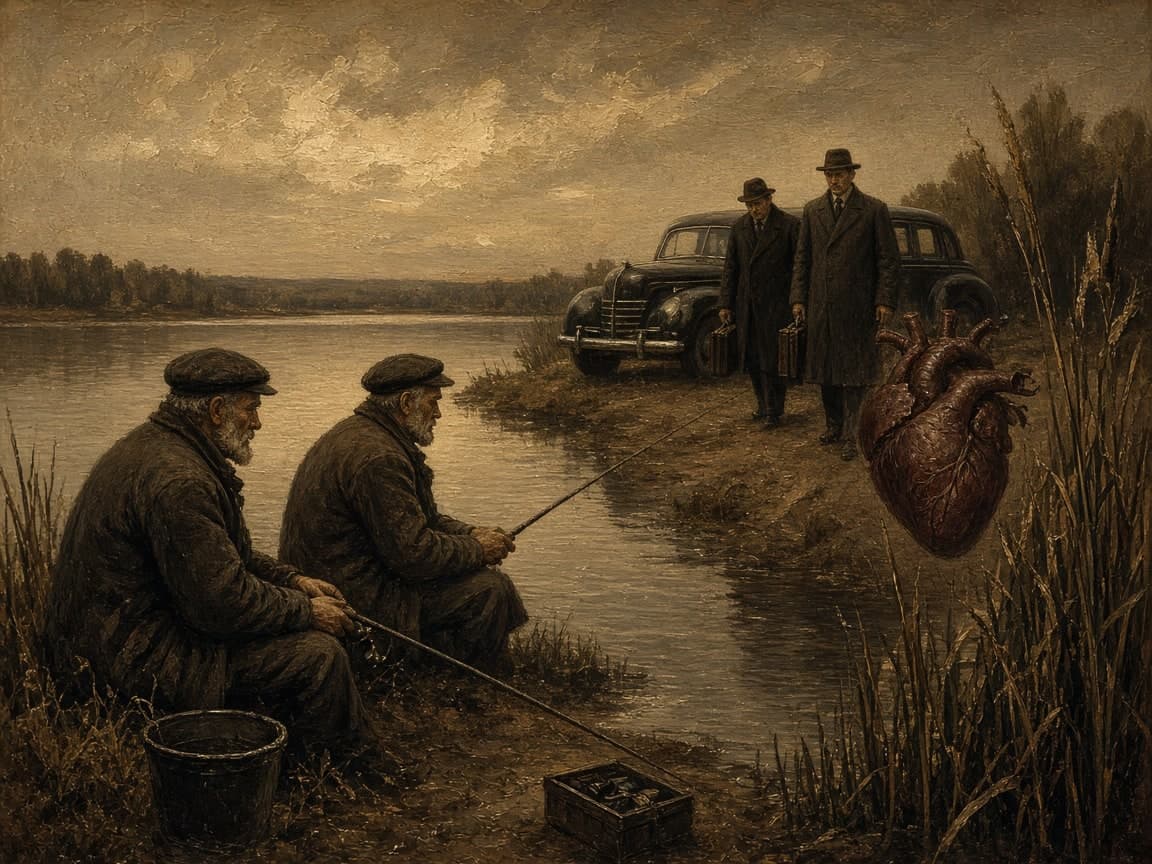
Two old men were fishing at the Saltivka reservoir. Two more got out of a car that pulled up and settled on the bank. The old man looked at one of the newcomers and nearly dropped his rod in amazement,…”
modern times · Kholodna Hora
This film once broke every box-office record. Small wonder — it was the first to touch the subject of prostitution, and foreign-currency prostitution at that. Officially it was believed not to exist in the Soviet Union, so mentions…”
modern times · Kharkiv
A promising young athlete was offered housing: some — an apartment in Moscow, others — in Kharkiv, and the capital’s offer was very insistent. Yet he chose to stay in his hometown. And not…”
“Sasha, put away the toys! And stop gnawing your sandwich!” — teachers kept correcting a pupil in class. That may seem odd, since the remarks were not to a first-grader but to a sixth-grade…”
Such a banner greeted Vitaly Korotich — editor-in-chief of Ogoniok magazine — at the Southern Station in March 1988 when he arrived in our city. At the time it was the sharpest, perhaps the only periodical…”
Such a curious sign hangs at one of the railroad entrances to our city. Those words fully matched reality in 1995, when a grand…”
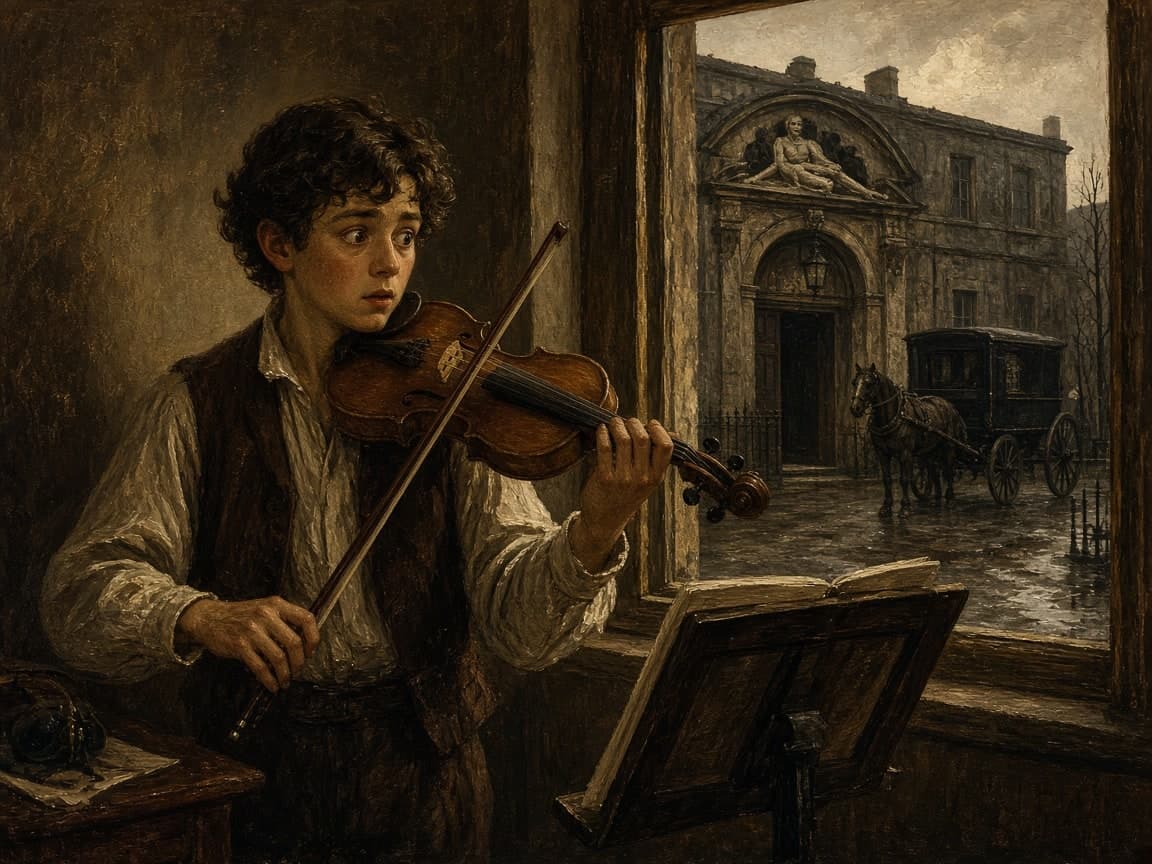
The young violinist went on playing his étude, then suddenly looked at the window, his face lengthened, the bow lost the rhythm. Small wonder — in the yard of the house opposite they were pulling a corpse from a car and carrying it into…”
The audience at the Yubileiny Palace of Sports grew restless: the concert start time had long passed, yet the artist still had not appeared. To calm people, the radio announced the landing of the plane with the touring star and his transfer a…”
Late in the evening a tall brunette of about fifty with a characteristic brush mustache crossed the threshold of the Mir hotel restaurant. He was recognized at once. “Pankratov-Cherny!” a group at one table shouted. “And…”
Once the famous stage artist, People’s Artist of Russia Klara Novikova gave a concert in Kharkiv at the opera house. During the performance someone in the gallery shouted: “From…”
The territory of the Kuryazh correctional colony is crisscrossed with underground passages. But these were not dug by inmates trying to escape. The fact is that the correctional facility…”
undated · Osnova
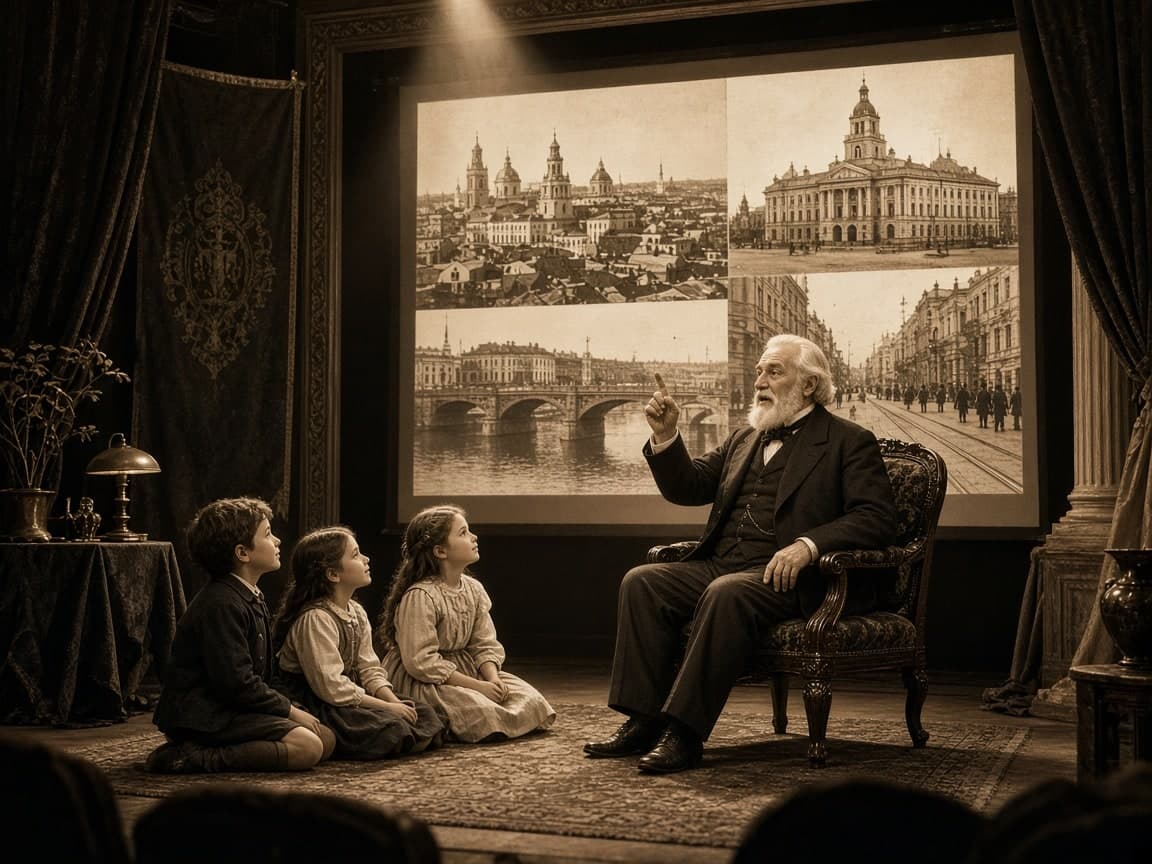
On stage a grandfather tells his grandson and granddaughter the history of Kharkiv, commenting on photographs and newsreels on the screen. Along the way the children ask questions. At last they reached the end of the twent…”
The author-compiler of this book, Savely Tsypin, over 35 years of creative work took part in many merry festivals, including in Odesa, Riga, Sochi, Kleve, Moscow, Zaporizhzhia, Sorochyntsi, Bulgaria…”
1. BagalShD. I. History of Slobozhanshchyna Ukraine. — Kharkiv: Osnova, 1990. 2. Bagaley D. I., Miller D. P. History of the City of Kharkiv over 250 Years of Its Existence. — Kharkiv, 1912. 3. Diachenko V. T. Streets and Squares…”