Legends · 1651 · Centre
WHERE DID KHARKIV COME FROM?
A Cossack sits on a horse in full equipment - with a shield and pike, bow and arrows, behind him are the towers and fortifications of the fort. This is how the ancient artist depicted
the legendary founder of our city Kharkov (this picture once hung on the wall of the art and ethnographic museum, which was located at the foot of the University Hill). The full name of our ancestor, who set up his own farm on the territory of our city in the mid-seventeenth century, was Khariton.
Another version was put forward at one time by the writer G. Kvitka-Osnovyanenko (however, it is unknown whether this is a family legend, or whether he composed it himself). Allegedly, the city was founded by his ancestor Andrei Kvitka. He was the son of a Moscow boyar who fled abroad and died there in prison for killing in a duel a noble German who spoke ill of Russia and the Russians. His son Andrei was taken into the care of a certain Polish gentleman. The master's daughter nicknamed the boy forthe beauty of Kvitka, and this nickname remained with him as a surname. Over time, sympathy arose between the young people, which ended in their flight and marriage. The couple settled with their servants on Osnova, where Andrei began to welcome new settlers from the Dnieper region. Traveling around the area, he once came to a hill, which later became known as University Hill. Andrei liked this place so much that he decided to establish a settlement here.
According to the third version, the legendary capital of the Polovtsians, Sharukan, was previously located on the territory of the city, and this name was then transformed into Kharkov. 1 There is also such a judgment that this word is something other than the encrypted “Hare Krishna”.
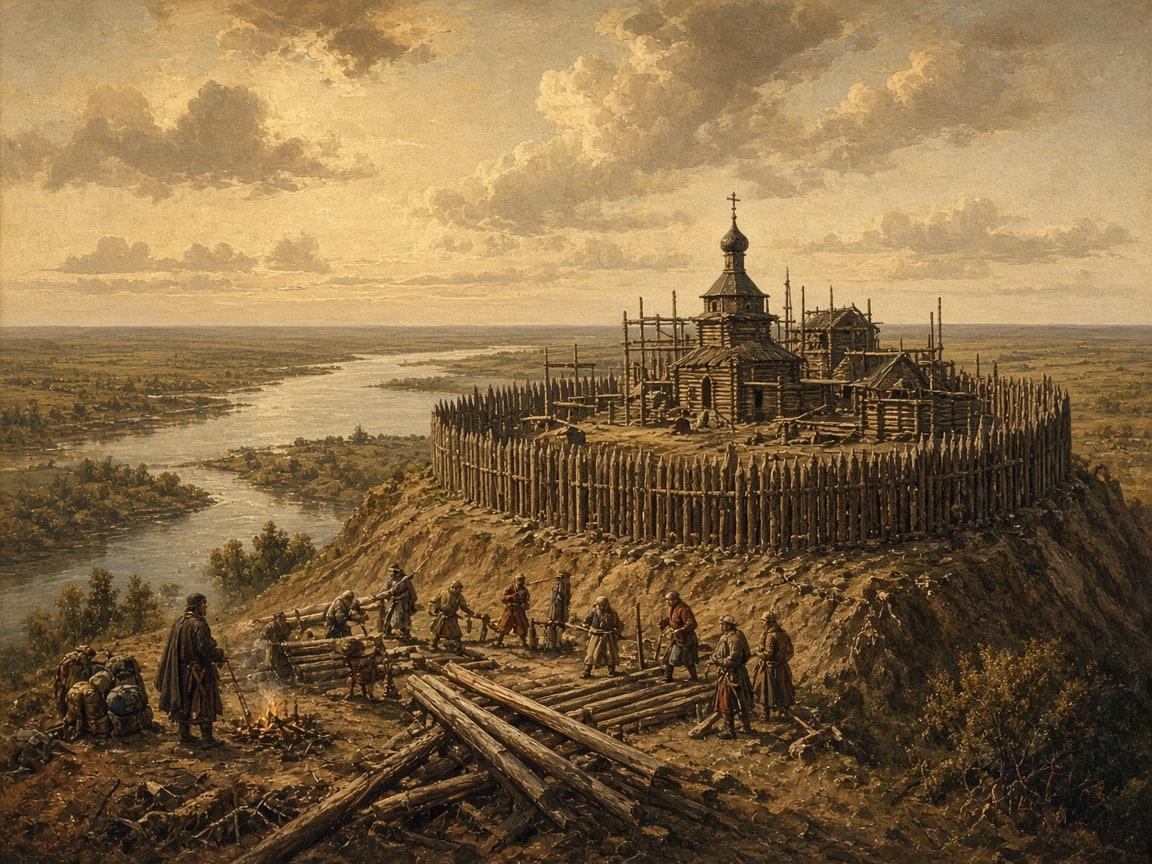
Historians seem to have proven that the capital of Slobozhanshchina was founded by settlers from the right bank of Ukraine, whose leader was Ivan Karkach. A contemporary who signed himself as a Samovedets, in 1651noted the following: “Khmelnitsky, waiting for the right time for revenge, allowed the people oppressed by the Poles to freely go from the cities to the Poltava region and abroad - great Russia to live, and from that time Sumy, Lebedin, Kharkov, Akhtyrka and other suburban places, right up to the Don, began to settle as Cossack people.”
The firmest belief: the city received its name from the river flowing through it. Now all that remains is to establish why it was called Kharkov.
People in this story
Places in this story
This site is for all Kharkiv locals. Based on “Kharkiv in Tales and Anecdotes” (Folio, 2001).