Tales · 1930 · Kharkiv
ESCAPE FROM THE MADHOUSE
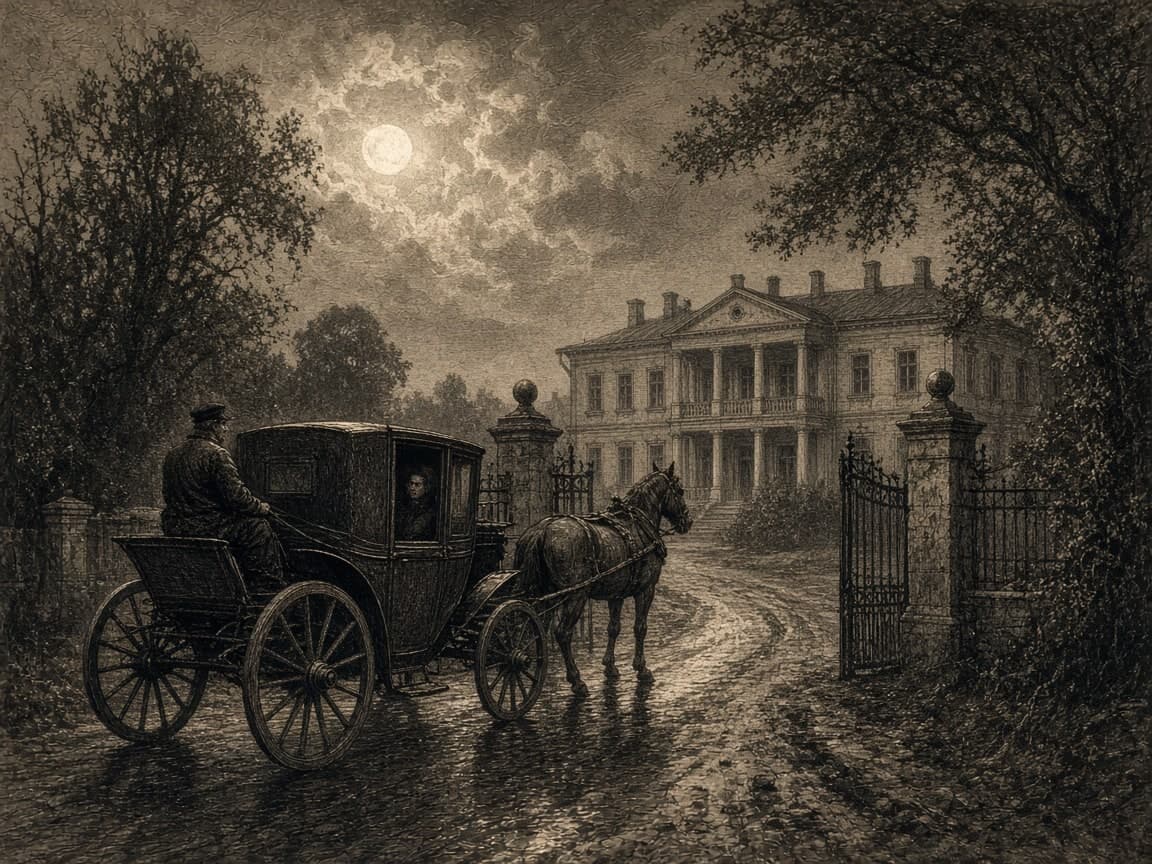
Late at night (1930), the poet was brought to Saburov’s dacha - that’s what the Kharkov psychiatric hospital was popularly called (after the name of the former owner of the estate). He was nervous, swore, and threatened. The orderlies tamed him, gave him an injection and placed him in the “violent” department. Treatment began. Once, having learned that X-rays of the brain were being taken for patients, the patient asked that one be performed for him as well.
“Everything is fine with you,” the professor pointed to his forehead with his finger.
- Why are you keeping me here?
— Instruction.
The poet understood whose hands it was, namely the leaders of the VUSPP (Vseukrashsko! links to proletarian letters-mennigav), who based their activities on Marxist ideology and the resolution of the Communist Party in the field of literature. The poet with his free spirit did not fit into their concept, and personal hostility contributed to this. The patient realized that he would not get out of here alive and well, and he planned an escape. The professor allowedreturn his clothes. The nurse on duty, in love with his poetry, let him out for a walk in the yard. The patient went straight to the entrance, where he was mistaken for an employee of Saburova's dacha and freely released.
The poet came home and locked himself in. The orderlies immediately arrived for him and began to persuade him to give up and return to the hospital. However, the poet refused to return voluntarily and demanded to be transported to a consultation in Moscow. Which he succeeded in doing. In Moscow, the attitude towards the patient was completely different: a separate room, books, newspapers. He was visited by Muscovites, including Yesenin’s widow, who highly appreciated the talent of the Ukrainian poet.
Having healed his nerves, the poet returned to Kharkov. Here he learned that leaving for Moscow saved his life for another reason: there was a wave of arrests of “Ukrainian nationalists”, which would not have spared him either. The poet got by with exclusion from the party. High-ranking enemies of the poet were also repressed,who soon died in the Stalinist meat grinder. The poet himself was saved by Stalin’s resolution in his letter: “Reinstate him in the party. Treat".
For his clearly “nationalist” aspirations (including the famous poem “I Love Decorating”), the poet was repeatedly subjected to severe criticism, but these words of the leader saved him every time. A rare case in the history of Ukrainian literature of the Soviet period: Vladimir Sosyura (we were talking about him above) managed to maintain his free character and independence until the end of his stormy and, in general, not very short days.
This site is for all Kharkiv locals. Based on “Kharkiv in Tales and Anecdotes” (Folio, 2001).