Place-names · Centre
"BRIDGE" TAX
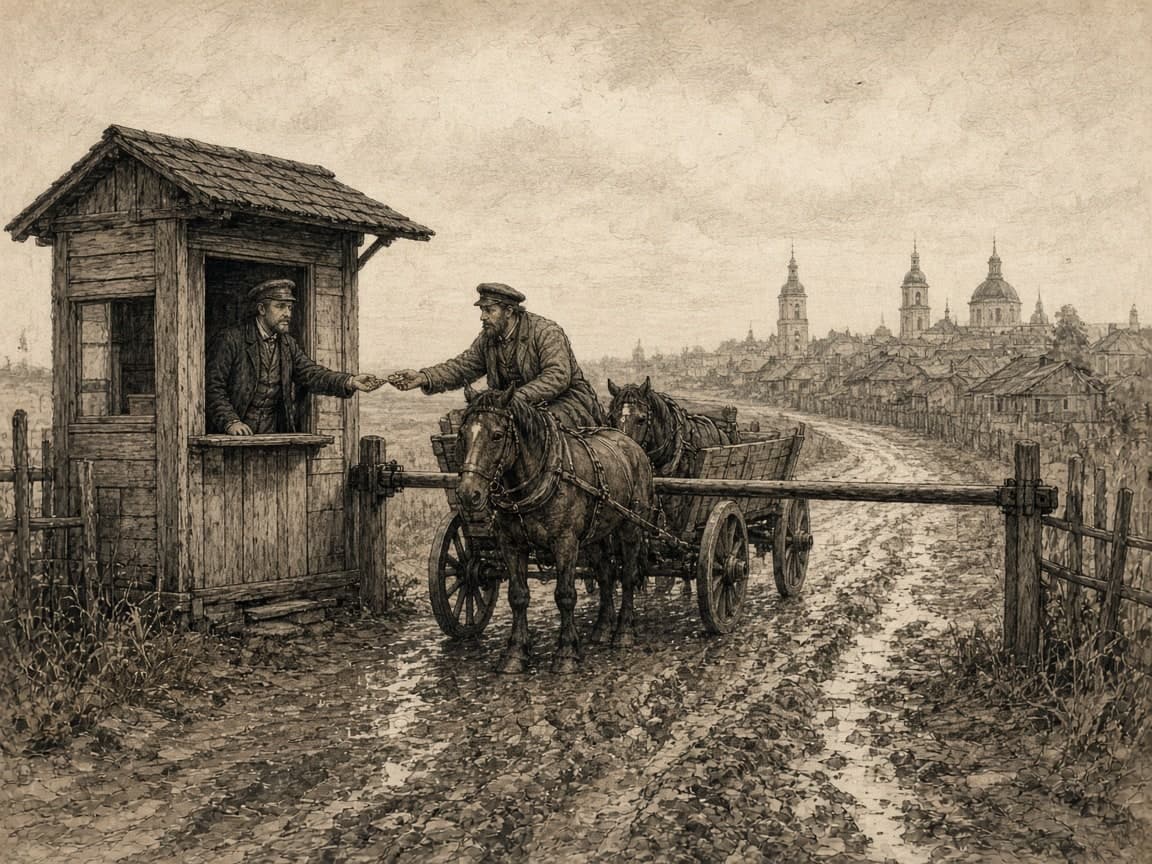
Fulfilling the emperor’s order to pull Kharkov out of the mud, Kokoshkin began repairing sidewalks and paving the streets. He decided to cover them with cobblestones every summer non-stop, not only the central streets, but also other streets. However, there were many urgent needs in the city, and there was not enough money in the local treasury, and therefore an additional source of funds was required. And the governor found him! Using his power, he passed a “bridge tax” through the Duma. All residents of the city began to be taxed, depending on the area occupied by their houses and plots. The townsfolk raised a murmur, because such a tax did not exist in other cities of Russia, but they had nowhere to go.
At the same time, Kokoshkin began protecting the lower part of the city from floods. He ordered to raise the banks and build embankments on all three city rivers: Lopani, Kharkov and Netechi. For jobs such as street paving, from deep inside Russiarakers and masons were discharged. The slope of the University Hill, previously cut by crooked ravines, was planned and leveled, the slope of Kholodnaya Mountain was made flatter, and the building of the famous Kholodnogorsk prison was built. However, local contract•p
The workers still refused to cooperate with the tough boss, and therefore construction and other materials often had to be purchased in other provinces, and at exorbitant prices.
Places in this story
This site is for all Kharkiv locals. Based on “Kharkiv in Tales and Anecdotes” (Folio, 2001).